 Popular
Photo: Wikipedia
Find The Best Places To Live
in Orlando
PRO TIP! You can paste a Zillow or Redfin link to get info on that property.
What It's Like Living in Orlando, FL
Orlando is a city that wears two faces. One is the polished, family-friendly tourist machine of theme parks and chain hotels, and the other is the messy, humid, and surprisingly diverse community where over 311,000 people actually live, work, and raise families. If you’re considering a move here, you need to know that the real Orlando is not the one you visited on vacation—it’s a sprawling, car-dependent Sun Belt city with a young median age of 35.1, a growing tech and healthcare economy, and a cost of living index of 136 that has locals grumbling about how much less their dollar buys than it did five years ago.
Daily Rhythm: Where Locals Actually Go
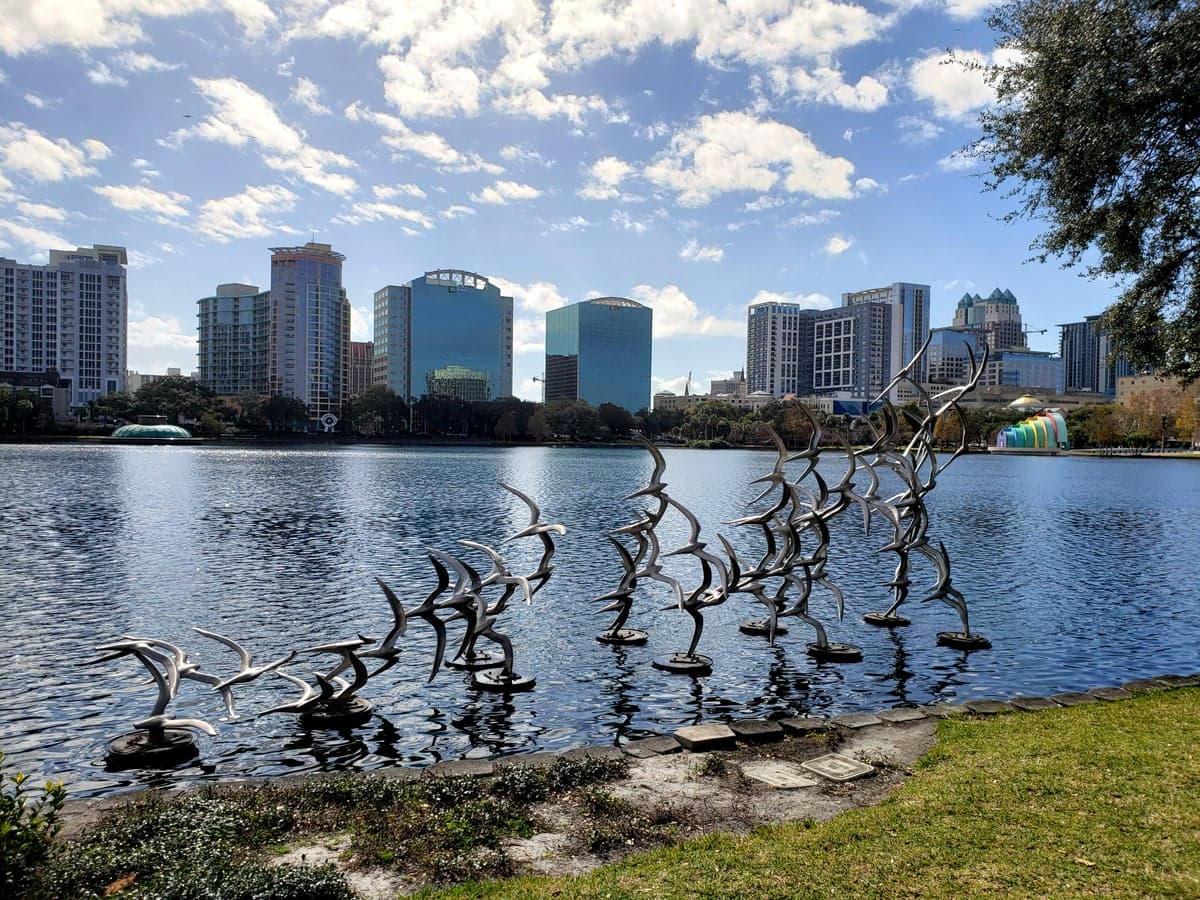
Weekends for most Orlando residents don’t involve a theme park ticket. Instead, you’ll find them at Lake Eola Park in the downtown core, walking the mile-long loop past the iconic fountain, or grabbing brunch at a spot like Se7en Bites in the Milk District. The city’s food scene has matured well beyond tourist traps—neighborhoods like Mills 50 (Vietnamese pho, craft breweries, and vintage shops) and Audubon Park (home to the East End Market food hall) are where locals actually spend their money. Shopping tends toward big-box chains like Publix and Target, but the Winter Park Farmers’ Market on Saturday mornings draws a loyal crowd for local produce and artisan goods.
The average commute clocks in at about 27 minutes, which feels about right for a city where I-4 is the main artery and traffic is a constant companion. Most people drive everywhere—public transit is limited to a bus system (LYNX) and a downtown circulator (SunRail) that’s useful for commuters but doesn’t cover the suburbs well. The weather dictates the rhythm: summers are brutal (think 90°F with 80% humidity and daily afternoon thunderstorms from June through September), so outdoor activities happen early morning or after sunset. Winters are mild and glorious—January highs in the low 70s—which is when everyone remembers why they put up with the heat.
Sports, Community, and the Kind of Person Who Fits
Orlando is a college sports town first and foremost, with the University of Central Florida (UCF) Knights drawing massive crowds for football games at the Bounce House. The Orlando City SC soccer team (MLS) has a passionate, younger fanbase that packs Exploria Stadium, while the Orlando Magic (NBA) have a more family-oriented following. High school football is a big deal in the suburbs—schools like Dr. Phillips and Boone draw strong community support, and Friday night games are a social hub for parents and students alike. The kind of person who fits in here is someone who values year-round outdoor activity (golf, boating on the chain of lakes, running trails at Baldwin Park) and doesn’t mind that the city’s cultural offerings are spread out rather than concentrated in a walkable downtown.
With a median household income of about $69,000 and a median home value of $359,000, Orlando is increasingly a place where dual-income families and young professionals make up the bulk of new residents. The college-educated rate of 42.2% is solid but not elite—this isn’t a city of PhDs and tech bros, but rather of nurses, hospitality managers, defense contractors (Lockheed Martin and Siemens have large presences), and remote workers drawn by the lack of state income tax. Single people in their 20s and 30s tend to cluster in downtown apartments or the Thornton Park neighborhood, while families head to suburbs like Winter Garden or Oviedo for better schools and larger yards.
What’s There to Do (and What Frustrates Locals)
The biggest pro is the sheer variety of entertainment within a 30-minute drive. Beyond the theme parks, there’s the Dr. Phillips Center for the Performing Arts (Broadway tours, concerts), the Orlando Fringe Festival each May, and a thriving craft beer scene with breweries like Crooked Can in Winter Garden. Outdoor enthusiasts have the Wekiwa Springs state park for kayaking and the Shingle Creek trail system for hiking. The biggest con, and one that longtime residents will vent about over coffee, is the traffic on I-4—it’s under perpetual construction, and a 15-mile drive can take 45 minutes during rush hour. The violent crime rate of 166.8 per 100,000 is below the national average for cities of this size, but property crime in tourist-adjacent areas is a real annoyance.
Cultural quirks? Orlandoans have a love-hate relationship with tourists. We complain about the crowds and the traffic they cause, but we also quietly appreciate that the tax revenue from their visits keeps our local taxes low. There’s a strong “keep it weird” undercurrent—think the annual Orlando Fringe Festival and the Zora Neale Hurston Festival in nearby Eatonville—that balances out the corporate Disney sheen. Schools are a mixed bag: Orange County Public Schools is one of the largest districts in the nation, with some excellent magnet programs (like Timber Creek High’s IB program) and some underperforming neighborhood schools, so parents research zones carefully. The seasonal rhythm is defined by hurricane season (June–November), which brings a mix of anxiety and community bonding as neighbors help each other board up windows.

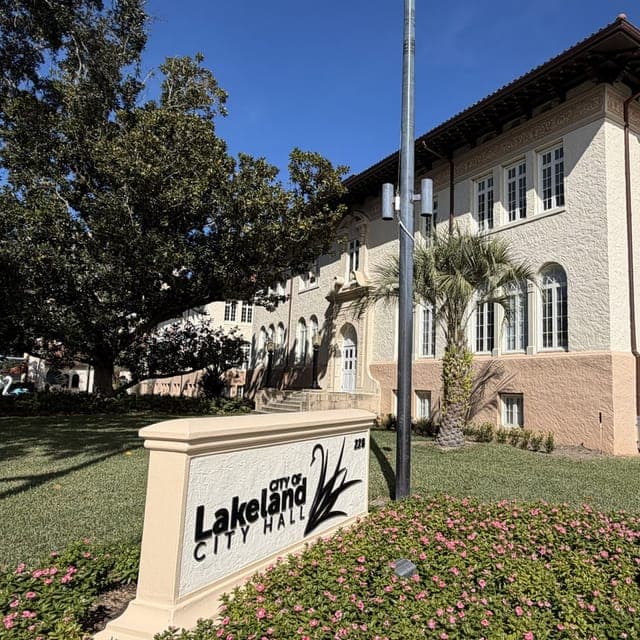
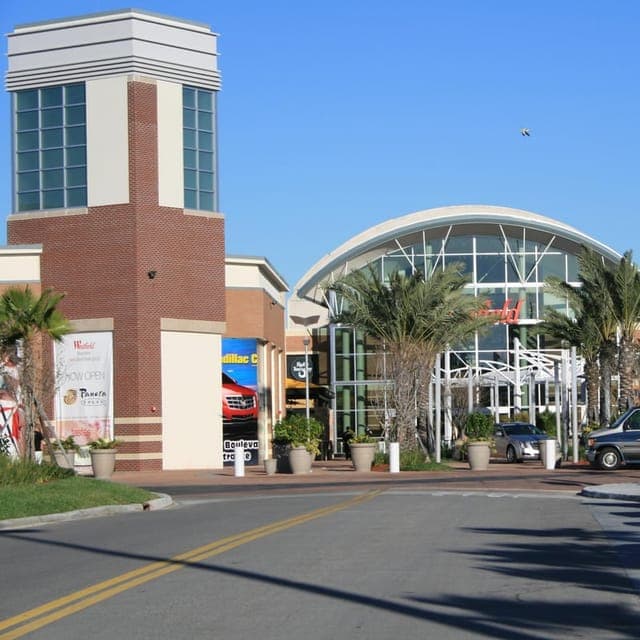
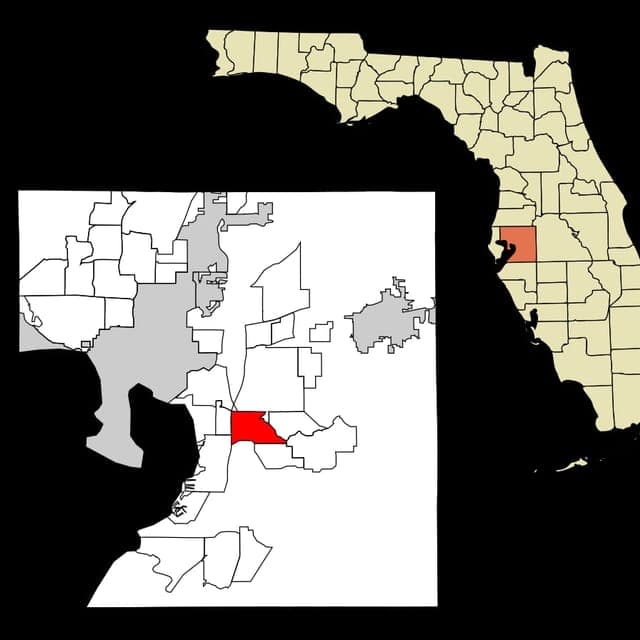
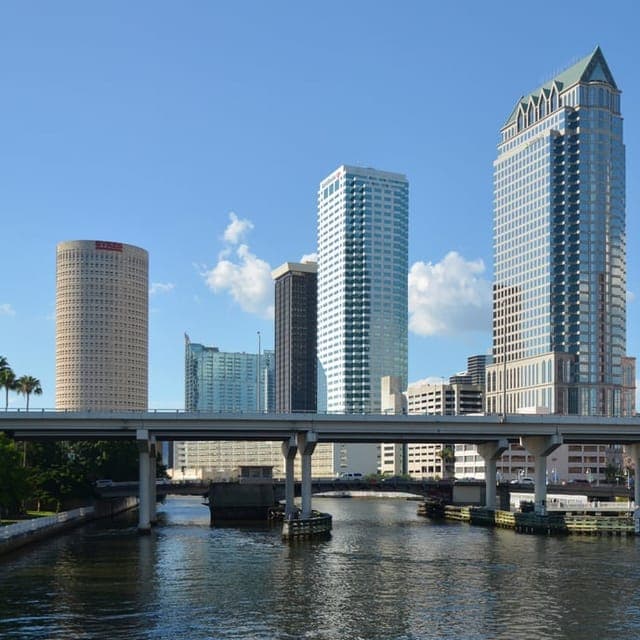
Similar mid-size cities to Orlando
* Values derived from national, state, county, city and local statistics and may differ in a specific area. Last updated: 2026-04-15T23:46:52.000Z
Narrative content on this page is AI-generated and may contain mistakes. Verify any details that matter before acting on them.
ReloMaps may earn a commission from affiliate links at no extra cost to you.

