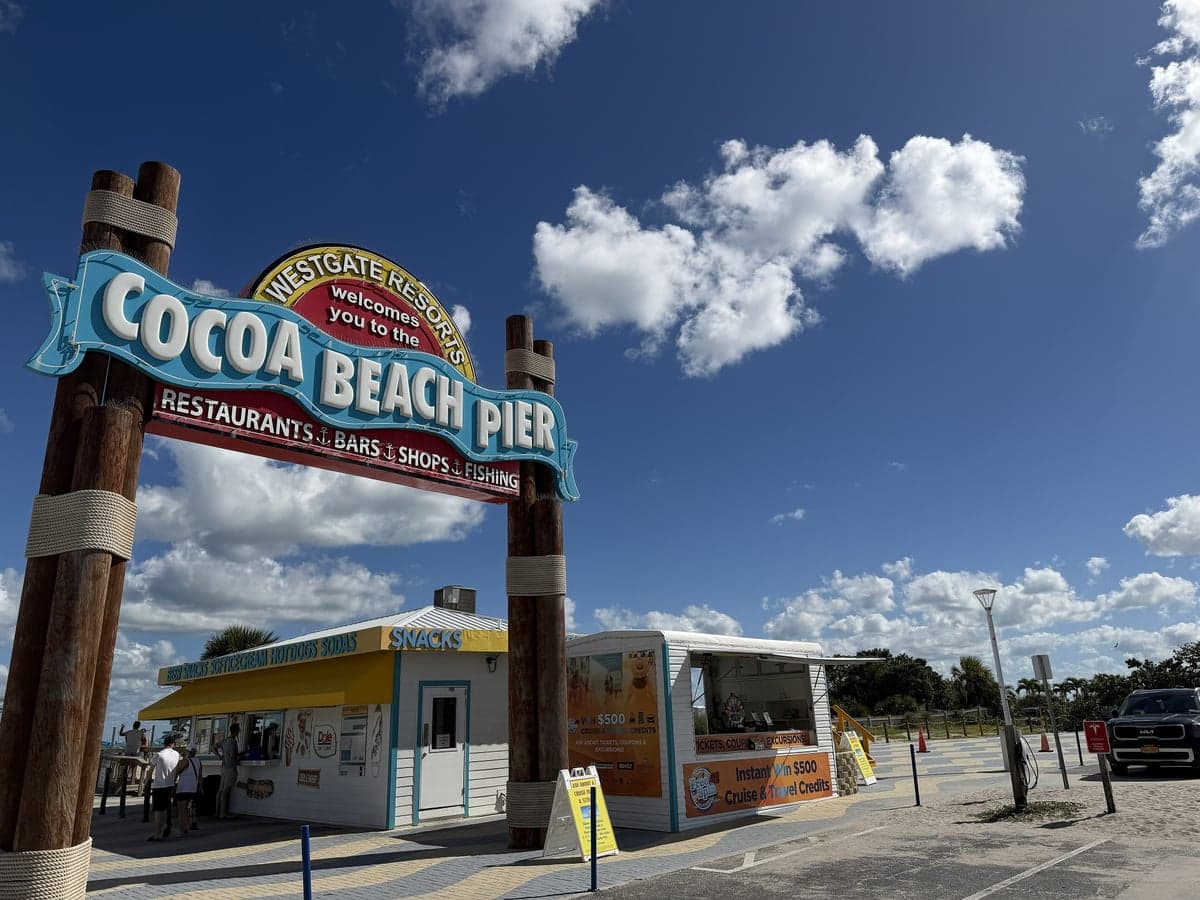
Photo: Wikipedia
Political ClimatePolitical Climate in Cocoa Beach, FL
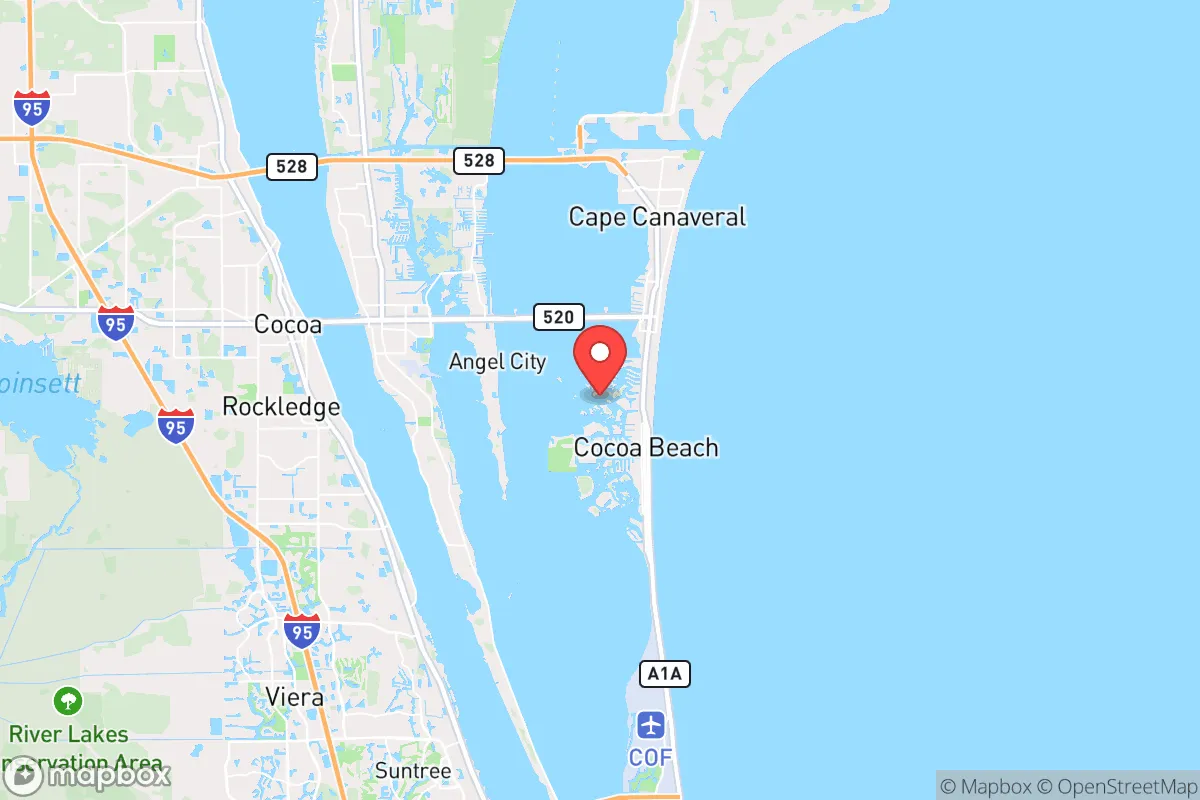
District shown is the primary district for this city’s centroid. Cities may span multiple districts.
Local Political AnalysisPolitical Analysis of Cocoa Beach, FL
Cocoa Beach has long been a reliably conservative stronghold, and while the national winds have shifted, this area still leans solidly to the right. The Cook PVI rating of R+11 tells you a lot—it’s a full six points more Republican than the state of Florida as a whole, which sits at R+5. That gap isn’t just a number; it reflects a deep-seated cultural and political identity here that’s been shaped by decades of military and aerospace families, small business owners, and retirees who value personal responsibility and limited government. You don’t see the same kind of rapid political churn you might in Orlando or even parts of Melbourne—Cocoa Beach has held its ground.
How it compares
When you stack Cocoa Beach against the broader state of Florida, the difference is stark. Florida as a whole has been trending purple in recent cycles, with places like Miami-Dade and Orange County pulling the state leftward on certain issues. But here on the Space Coast, especially in Cocoa Beach, the R+11 PVI reflects a community that’s largely resisted that shift. Drive a few miles south to Melbourne Beach or Indialantic, and you’ll find a similar conservative vibe, but head inland toward Orlando or even just west to Rockledge, and the politics start to soften. The contrast is most obvious in local elections—Cocoa Beach’s city council and school board races tend to be dominated by candidates who prioritize low taxes, property rights, and a hands-off approach to business. In Florida at large, you’re seeing more state-level pushes for progressive policies on things like environmental regulations and housing mandates, but here, the local sentiment is still very much “let us live our lives without the government breathing down our necks.”
What this means for residents
For someone living here, the political climate translates directly into daily life. You’re not going to see the same kind of overreach you might in more progressive enclaves—no heavy-handed zoning changes that tell you what you can do with your own property, no aggressive tax hikes to fund pet projects. The local government tends to stay out of the way, which is exactly how most folks here want it. That said, there’s a growing concern among long-time residents about the influx of new people from out of state, some of whom bring different ideas about the role of government. If you value your Second Amendment rights, your ability to run a small business without a mountain of red tape, and your freedom to make personal choices without a bureaucrat’s approval, Cocoa Beach is still a safe bet. But keep an eye on the state-level trends—if Florida’s R+5 starts slipping further toward the center, it could create pressure on local policies that have kept this area stable for so long.
Culturally, Cocoa Beach has always been a place where the space program and the military are woven into the fabric of the community. That’s not just nostalgia—it’s a practical mindset that values competence, self-reliance, and a healthy skepticism of government overreach. You won’t find the same kind of activist-driven policy shifts here that you might in a place like Gainesville or Tallahassee. The biggest distinction is that while Florida as a whole is becoming a battleground for competing ideologies, Cocoa Beach remains a pocket of relative stability. The long-term trajectory depends on who moves in and whether the local leadership holds the line on keeping government small and personal freedoms intact. For now, it’s still a place where you can breathe easy, but it pays to stay engaged and vote in every local election—because that’s where the real fights over your rights happen.

State Political ClimatePolitical Climate in Florida
State Political AnalysisPolitical Environment in the State
Florida is a solidly Republican state with a Cook PVI of R+5, but calling it a simple red state misses the real story. Over the past 20 years, the state has shifted from a perennial swing state—where George W. Bush won by just 537 votes in 2000—to a reliably right-leaning powerhouse, with Donald Trump carrying it by over 3 points in 2020 and by nearly 13 points in 2024. The dominant coalition is a mix of conservative retirees, Hispanic voters (especially Cuban-Americans and Venezuelans in South Florida), and transplants from blue states who are fleeing high taxes and progressive policies. The trajectory has been a steady march rightward, driven by in-migration and a state GOP that has aggressively locked in conservative governance.
Urban vs. rural divide
The political map of Florida is a textbook study in contrast. The major metros—Miami-Dade, Broward (Fort Lauderdale), and Orange County (Orlando)—are deep blue, with Democrats routinely winning by 20-30 points in presidential races. But the rest of the state is overwhelmingly red. The I-4 corridor, stretching from Tampa to Daytona Beach, is the classic battleground, with counties like Hillsborough (Tampa) and Pinellas (St. Petersburg) flipping between parties. What’s changed is that even some traditionally blue suburbs have shifted right. Miami-Dade County, once a Democratic stronghold, voted for Trump in 2024, driven by Cuban-American and Venezuelan voters who are fiercely anti-socialist. Meanwhile, rural counties like Liberty, Dixie, and Union routinely vote 80%+ Republican. The divide isn’t just urban vs. rural—it’s also coastal vs. inland, with the Atlantic coast from Palm Beach northward trending more purple, while the Gulf Coast from Naples to Panama City is solidly red.
Policy environment
Florida’s policy environment is a conservative’s dream, and it’s a big reason why people are moving here. There is no state income tax, a huge draw for high-earners and retirees. The regulatory posture is business-friendly, with right-to-work laws and minimal red tape. On education, Governor Ron DeSantis pushed through the Parental Rights in Education Act (HB 1557), which bans classroom instruction on sexual orientation and gender identity in grades K-3, and the Stop WOKE Act (HB 7), which restricts critical race theory in schools and workplaces. School choice is robust, with the Family Empowerment Scholarship program giving parents taxpayer-funded vouchers for private or homeschool options. Healthcare policy is mixed: Florida did not expand Medicaid under the ACA, keeping costs lower for taxpayers, but it also has a high uninsured rate. Election laws were tightened after 2020 with SB 90, which limits drop boxes, requires ID for mail-in ballots, and restricts third-party ballot collection—measures that critics call voter suppression but supporters say ensure integrity. The state also passed a 15-week abortion ban (HB 5) in 2022, later tightened to 6 weeks in 2023, reflecting a strong pro-life stance.
Trajectory & freedom
Florida is becoming more free in many respects, especially compared to states like New York or California. The Constitutional Carry law (HB 543), signed in 2023, allows Floridians to carry a concealed firearm without a permit—a major expansion of Second Amendment rights. The Parental Rights in Education Act and the Stop WOKE Act have pushed back against government overreach in schools and workplaces, protecting individual liberty from ideological indoctrination. Property rights were strengthened with the Live Local Act (SB 102), which preempts local zoning to allow more affordable housing development, though critics say it undermines local control. On medical autonomy, Florida banned COVID-19 vaccine mandates for private employers and government workers (HB 1, 2023), and the state has resisted federal health mandates. However, there are areas where freedom has contracted: the 6-week abortion ban is a significant restriction on personal choice, and the state has aggressively prosecuted doctors under the new law. Also, the DeSantis-backed “Don’t Say Gay” law has been criticized for chilling speech in classrooms. Overall, the trajectory is toward more individual liberty in the realms of guns, taxes, and parental rights, but less in reproductive and some medical decisions.
Civil unrest & political movements
Florida has seen its share of political flashpoints, but they’ve been more about policy battles than street protests. The 2020 Black Lives Matter protests in Miami, Orlando, and Jacksonville were large but largely peaceful, though they sparked a backlash that helped fuel DeSantis’s tough-on-crime stance. The “Don’t Say Gay” law drew national protests, with students walking out in Gainesville and Tampa, but the movement fizzled as the law took effect. Immigration politics are a major issue, especially in South Florida. The state passed SB 1718 in 2023, which requires businesses with 25+ employees to use E-Verify, bans local “sanctuary” policies, and makes it a felony to transport undocumented immigrants into the state. This has created a tense atmosphere in agricultural areas like Immokalee and Homestead, where many farmworkers are undocumented. There’s been no serious secession or nullification rhetoric, but the state has repeatedly sued the Biden administration over immigration and environmental policies. Election integrity remains a hot-button issue: after the 2020 election, DeSantis created the Office of Election Crimes and Security, which has prosecuted dozens of people for voter fraud, mostly felons who voted illegally. A new resident would notice that political signs are everywhere, especially in rural areas, and that local news is dominated by fights over school boards and county commissions.
Projection
Over the next 5-10 years, Florida is likely to become even more conservative. The in-migration from blue states—roughly 1,000 people move to Florida every day—is overwhelmingly composed of conservatives and moderates fleeing high taxes and progressive policies. The Hispanic vote, especially among Cuban-Americans and Venezuelans, is trending right, and the state’s growing population of retirees from the Midwest and Northeast tends to vote Republican. The Democratic Party in Florida is in disarray, having lost every statewide race since 2018. However, there are risks: the influx of younger, more diverse residents from places like Orlando and Tampa could eventually shift the I-4 corridor back toward purple. Climate change and rising insurance costs could also drive out some retirees, potentially altering the electorate. But for now, the state is on a trajectory to become a solidly red, low-tax, high-freedom haven. Someone moving in now should expect to find a state where conservative values are enshrined in law, where the government respects parental rights and gun rights, and where the biggest fights will be over how far to push the culture war.
For a new resident, the bottom line is this: Florida offers a political environment that aligns with conservative values—low taxes, strong Second Amendment protections, parental control over education, and a business-friendly climate. You’ll find a state that has actively pushed back against federal overreach and progressive ideology. But you should also be prepared for a polarized atmosphere, especially in urban areas, and for ongoing battles over abortion, immigration, and education. If you value personal freedom and limited government, Florida is one of the best places in the country to put down roots.
* Values derived from national, state, county, city and local statistics and may differ in a specific area. Last updated: 2026-05-14T01:51:09.000Z
Narrative content on this page is AI-generated and may contain mistakes. Verify any details that matter before acting on them.
ReloMaps may earn a commission from affiliate links at no extra cost to you.

