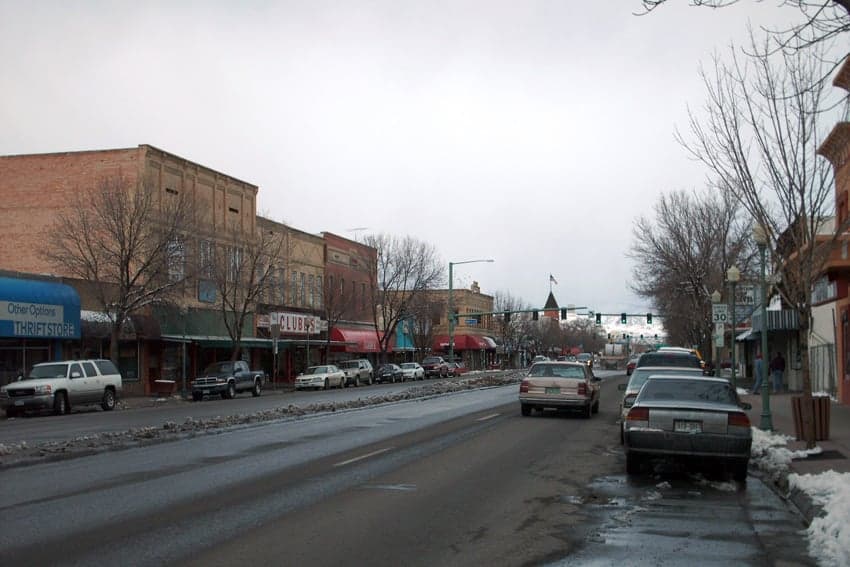
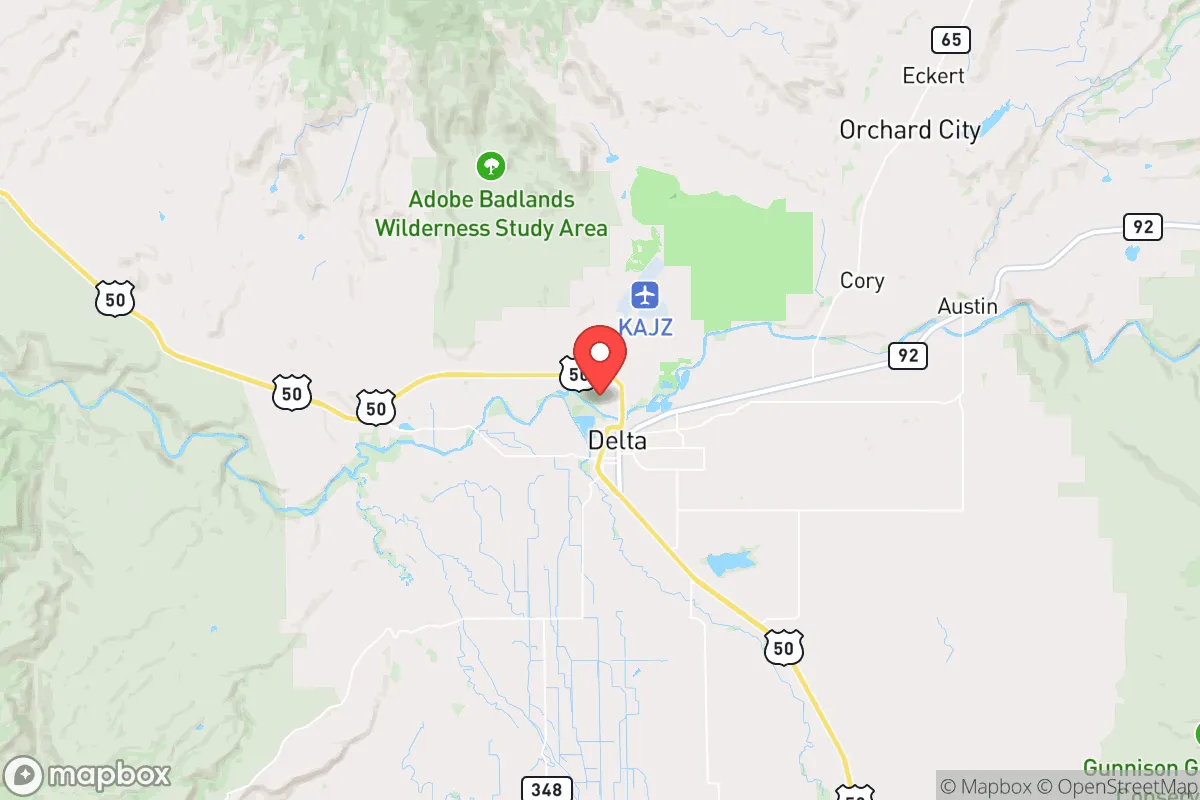
Photo: Wikipedia
Find The Best Places To Live
in Delta
PRO TIP! You can paste a Zillow or Redfin link to get info on that property.
What It's Like Living in Delta, CO
Living in Delta, Colorado, feels a bit like stepping into a slower, more grounded version of the West—the kind of place where people still wave from their trucks and the high school football game on a Friday night is the main event. It’s a town of about 9,200 people that sits at the confluence of the Gunnison and Uncompahgre rivers, and while it’s not a booming mountain resort or a Denver suburb, it has a quiet, self-reliant character that appeals to folks who want affordability, space, and a community where you actually know your neighbors. If you’re looking for a place where the cost of living is genuinely low (index of 84, well below the national average) and the pace of life lets you breathe, Delta might surprise you.
Daily Rhythm: What People Actually Do
Most days here revolve around work, family, and the outdoors. The biggest employers are the school district, the local hospital, and a mix of agriculture and light manufacturing—think fruit packing sheds, hay farms, and a few small factories. The median household income sits at $46,010, which is modest, but the median home value of $238,100 means a decent house is actually attainable for a single earner or a young family. You’ll see people grabbing coffee at The Coffee House on Main Street, running errands at the local City Market, or grabbing a beer at Hot Tomato Pizza—a local hangout that’s part pizzeria, part bar, and part community bulletin board. Weekends often mean a drive to the nearby Grand Mesa for hiking or fishing, or just a lazy afternoon at Confluence Park, where the two rivers meet and kids splash around in the shallows. The average commute is just under 24 minutes, which feels like a luxury compared to Front Range traffic.
Sports, Community, and the High School as the Hub
If you want to understand Delta, look at what happens on a Friday night in the fall. The Delta High School Panthers football team is a genuine community obsession—games draw crowds that fill the bleachers, and the local diner buzzes with post-game chatter. Basketball and wrestling also get real attention, and the town’s pride in its athletes is palpable. There’s no pro sports team within two hours, so high school sports are the main event, and they serve as a social anchor for families and single adults alike. The Delta County Fair in August is another big deal—rodeo, livestock shows, carnival rides, and a parade that shuts down Main Street. It’s the kind of tradition that’s been running for over a century, and it’s a genuine community gathering, not a tourist trap.
What’s There to Do (and What’s Missing)
Outdoor recreation is the main draw. The Grand Mesa, the largest flat-top mountain in the world, is a 30-minute drive and offers world-class fishing, hiking, and snowmobiling in winter. The Gunnison River is popular for kayaking and fly-fishing, and the nearby Black Canyon of the Gunnison National Park is a stunning, less-crowded alternative to the state’s more famous parks. For entertainment, you’ve got the Delta Cinema for movies, a handful of local bars like The Office Spirits & Grill, and the Delta County Historical Museum for a dose of local lore. The Cherry Days Festival in nearby Paonia is a quirky, beloved event celebrating the region’s fruit harvest. But let’s be honest: if you’re looking for live music venues, a thriving nightlife, or a diverse restaurant scene, you’ll be driving to Grand Junction (about 40 minutes west) or Montrose (30 minutes south). Delta is quiet, and that’s a feature for some, a frustration for others.
Pros and Cons of Living Here
What longtime residents love: The affordability is real—your dollar goes further here than in 84% of the country. The community is tight-knit; people look out for each other, and it’s easy to get involved in local events, church groups, or the volunteer fire department. The scenery is understated but beautiful—red rock canyons, river valleys, and the blue silhouette of the Mesa. The pace is slow, and that’s a relief for anyone escaping the grind of a bigger city.
What frustrates them: The job market is limited. If you’re not in healthcare, education, or agriculture, you may struggle to find work that pays well. The violent crime rate is 426.6 per 100,000, which is notably higher than the national average—though most residents will tell you it’s concentrated in specific areas and not something they worry about day-to-day. The weather is a mixed bag: hot, dry summers (90s are common) and cold, snowy winters, with spring bringing occasional wind and mud. And if you’re under 30 and single, the dating pool is small—many younger people move away after high school for college or jobs, leaving a population with a median age of 41.9.
Who Fits In Here
Delta works best for people who value stability over excitement. It’s a good fit for parents who want their kids to grow up in a place where they can ride bikes to the park and know their teachers by name. It’s also a solid choice for single people who are self-sufficient, enjoy outdoor hobbies, and don’t mind a quiet social life. Only about 21% of adults have a college degree, so this isn’t a town of white-collar professionals—it’s a working-class community where tradespeople, nurses, and farmers are the backbone. Affluence is modest; you won’t find many luxury cars or high-end boutiques. What you will find is a town that’s unpretentious, practical, and proud of its Western heritage. If that sounds like your speed, Delta might feel like home.

Similar small towns to Delta
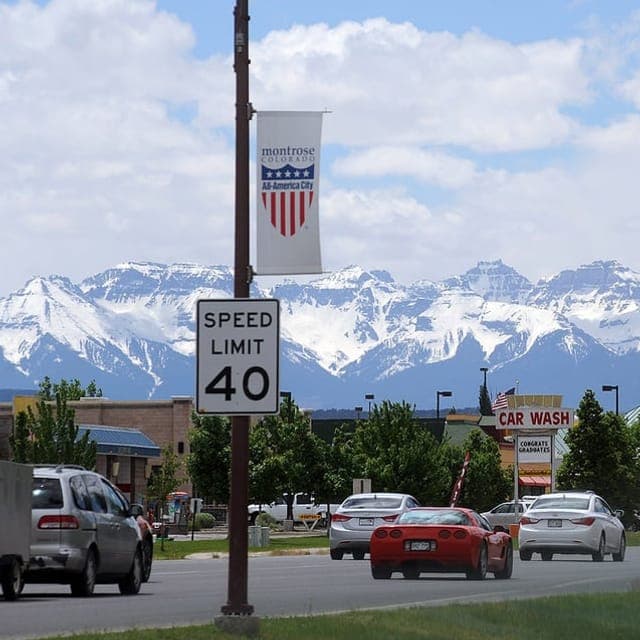
* Values derived from national, state, county, city and local statistics and may differ in a specific area. Last updated: 2026-05-16T10:03:42.000Z
Narrative content on this page is AI-generated and may contain mistakes. Verify any details that matter before acting on them.
ReloMaps may earn a commission from affiliate links at no extra cost to you.

