Photo: Wikipedia
Find The Best Places To Live
in Aurora
PRO TIP! You can paste a Zillow or Redfin link to get info on that property.
What It's Like Living in Aurora, CO
Aurora is Colorado’s third-largest city, but it doesn’t have the polished, postcard-ready identity of Boulder or the mile-high skyline energy of downtown Denver. Instead, it feels like a sprawling, practical place where people actually live—a mix of military families, young professionals priced out of Denver proper, and longtime residents who remember when the city was mostly farmland and strip malls. It’s diverse in every sense: racially, economically, and culturally, which gives it a grittier, more authentic vibe than many of its neighbors.
Daily Rhythm: What Life Actually Looks Like
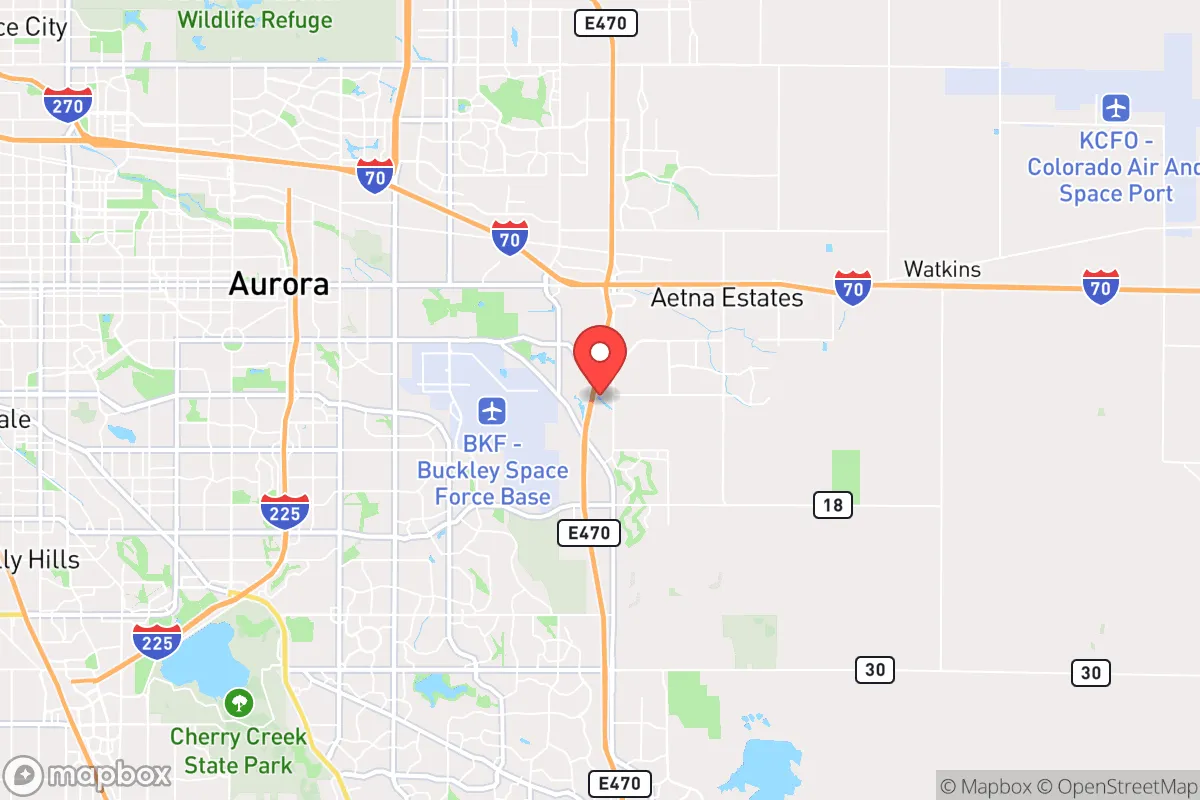
For most people, life in Aurora revolves around the commute and the weekend. The average commute clocks in at just under 29 minutes, which is longer than the national average but shorter than many Denver suburbs—you’re trading time for space and affordability. The city’s layout is car-dependent, with major arteries like I-225, I-70, and E-470 stitching together residential neighborhoods, big-box shopping centers, and office parks. You’ll see a lot of Toyota Camrys and Subaru Outbacks in the morning rush, heading toward the Anschutz Medical Campus (one of the region’s largest employers), Buckley Space Force Base, or the Denver Tech Center just to the west.
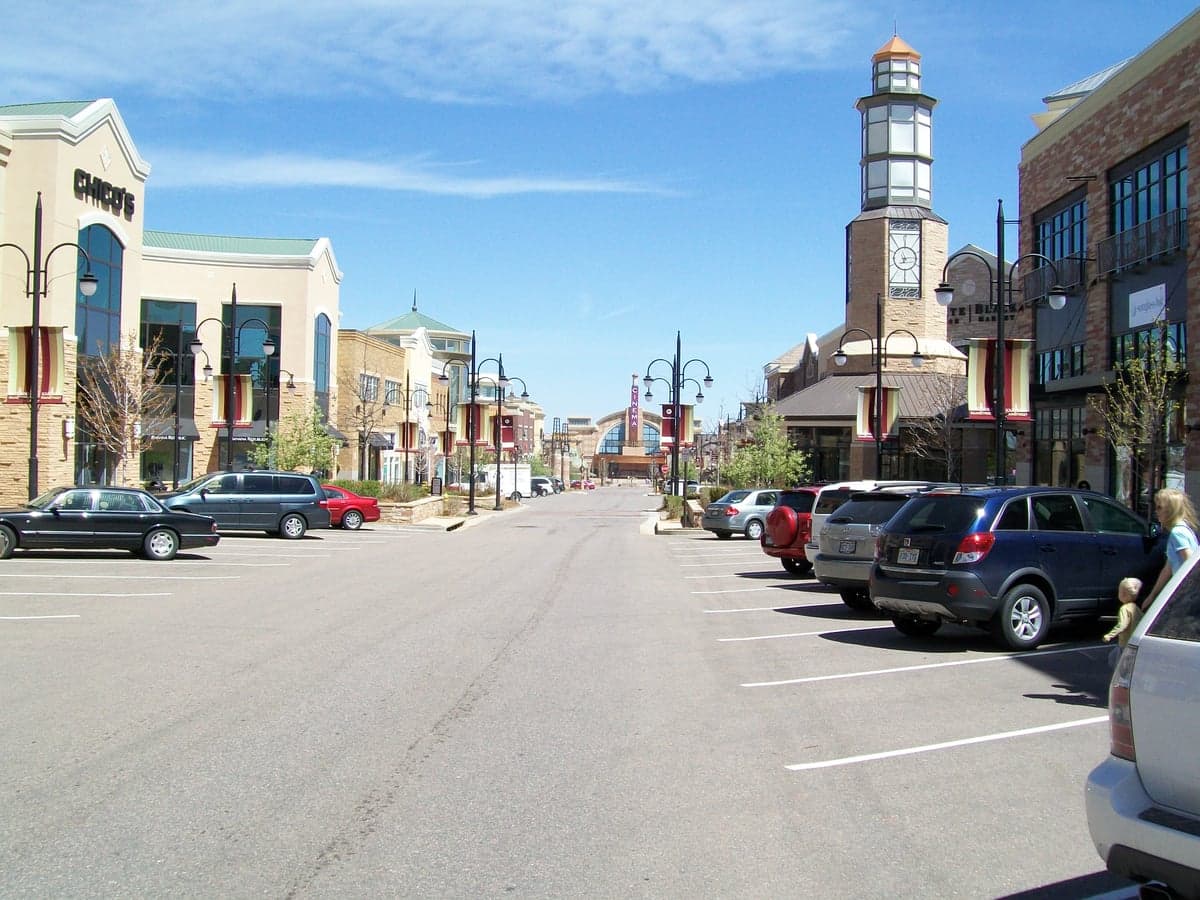
Weekends are where Aurora shines for families. The city has over 100 parks, but the standout is Cherry Creek State Park, a massive 4,200-acre reservoir and prairie park right in the middle of suburbia. On a Saturday morning, you’ll find people paddleboarding, biking the trails, or just grilling at a picnic table. The Southlands shopping complex in southeast Aurora is the de facto town square for many—an outdoor mall with a movie theater, a farmers market in summer, and chain restaurants that are reliably busy. For groceries, you’ll see King Soopers and Safeway on every corner, but also a surprising number of international markets—H Mart, Pacific Ocean Marketplace, and several Middle Eastern grocers—reflecting Aurora’s status as one of the most diverse cities in Colorado.
Sports, Community, and the Local Identity
Aurora doesn’t have its own major pro sports team—that’s Denver’s game—but the city is deeply invested in high school sports. Grandview High School’s football games draw crowds that rival some small college towns, and the rivalry between Grandview and Cherokee Trail is a genuine community event. For pro sports, most residents are Denver fans: the Broncos, Nuggets, Avalanche, and Rockies all get strong support, but you’ll notice a lot more Rockies hats and Avalanche jerseys than you might expect, given the team’s recent success. The city’s identity is less about a single team and more about the broader Colorado outdoor lifestyle—people here hike, bike, and ski, but they do it on a budget. You won’t find many $100K SUVs at the trailhead; you’ll see older Subarus with ski racks and dog hair on the seats.
The cultural quirks are real. Aurora has a strong military presence (Buckley SFB is a major employer), so you’ll see “Support Our Troops” signs and yellow ribbons year-round, not just on holidays. The city also has a notable Korean and Ethiopian community, which means the food scene is genuinely excellent—H Mart’s food court, Queen of Sheba for Ethiopian, and a dozen pho spots along Havana Street are local institutions. The annual Aurora Global Fest in August celebrates this diversity with food, music, and dance from dozens of countries, and it’s one of the few events that feels truly representative of the city’s population.
What’s There to Do (and What Frustrates Locals)
Entertainment is spread out rather than concentrated. The Stanley Marketplace—a former airplane hangar turned food hall and retail space—is a favorite for date nights and weekend brunch, with a brewery, a distillery, and a flight school that still operates out of the building. The Aurora Fox Arts Center puts on solid community theater, and the Plains Conservation Center offers a glimpse of what the area looked like before the subdivisions arrived. For nightlife, most people head to Denver (a 20-minute drive without traffic), but there are a handful of local bars like Dry Dock Brewing (one of the state’s oldest craft breweries) and Bent Gate Brewing that draw a loyal crowd.
The honest downsides? Crime is a real concern. Aurora’s violent crime rate sits at 759.1 per 100,000 residents—well above the national average and among the highest in the Denver metro. Property crime, especially car break-ins and package theft, is a daily annoyance in many neighborhoods. Residents also complain about traffic on I-225 during peak hours and the sprawl—Aurora covers 160 square miles, so you’ll drive 20 minutes just to get to a different part of the city. The weather is classic Colorado: 300 days of sunshine, but winter can bring sudden snowstorms that shut down the highways, and summer afternoons often feature brief, violent hailstorms that dent cars and shred gardens.
Who Fits In Here
Aurora works best for people who want more space and lower housing costs than Denver but still need to be close to the city for work or entertainment. The median home value is $444,500—about $100K less than Denver proper—and the median household income of $84,320 means a dual-income family can afford a decent house in a safe neighborhood. The median age is 35.1, so you’ll find plenty of young families and single professionals in their 30s. It’s not a place for nightlife seekers or luxury shoppers; it’s a place for people who want a yard, a good school district (Cherry Creek and Aurora Public Schools are both large and varied), and a reasonable commute to a good job. The cost of living index is 154, which is high by national standards but feels manageable compared to Boulder or downtown Denver. If you’re conservative-leaning, you’ll find Aurora more politically mixed than Boulder or Denver—the city council is Democratic, but the military and suburban family demographic gives it a more moderate, practical feel than the progressive strongholds to the west.

Similar mid-size cities to Aurora
* Values derived from national, state, county, city and local statistics and may differ in a specific area. Last updated: 2026-04-29T01:14:58.000Z
Narrative content on this page is AI-generated and may contain mistakes. Verify any details that matter before acting on them.
ReloMaps may earn a commission from affiliate links at no extra cost to you.

