
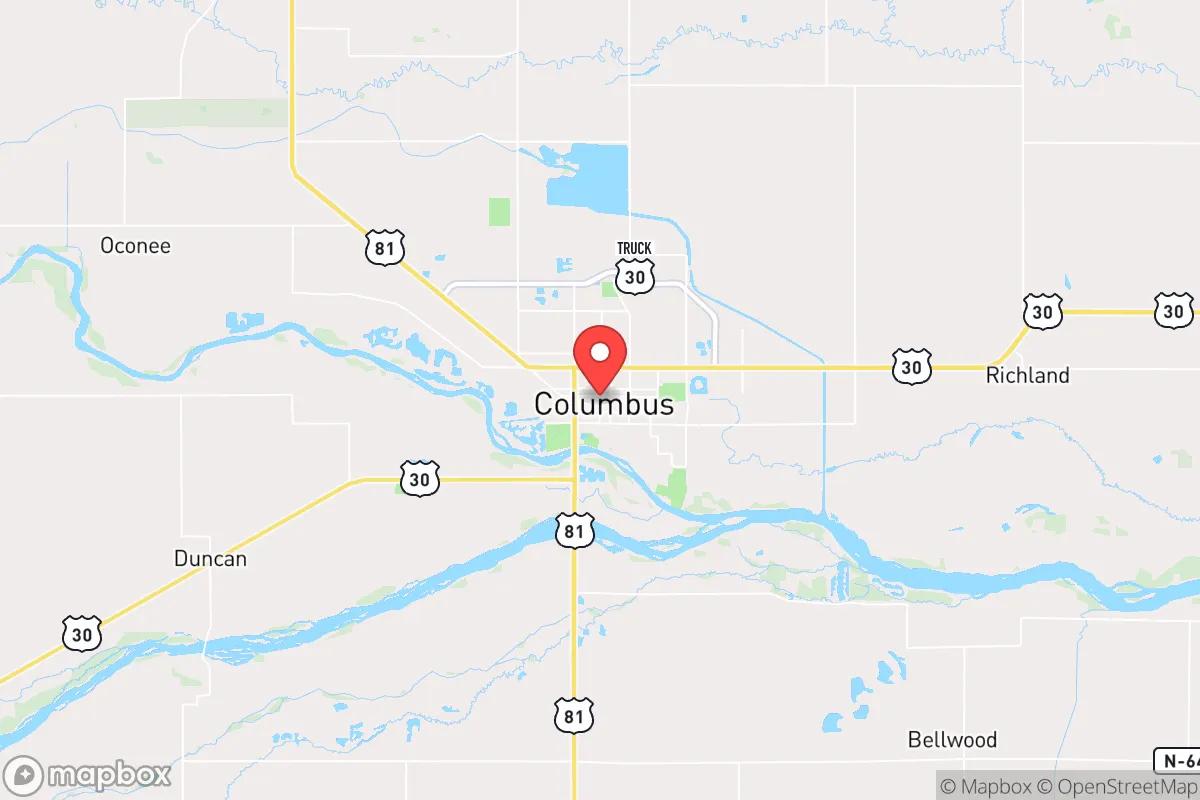
Photo: Wikipedia
Quality of Life in Columbus, NE
A high quality of life with strong walkability, manageable living costs, healthy neighborhood signals, and solid amenity access.
What does Quality of Life tell us?
Quality of Life blends cost of living, nearby amenities, socioeconomic signals, and neighborhood character. City-level scores represent the whole municipality; individual neighborhoods can differ.
What does this tell us?
Quality of Life blends cost of living, nearby amenities, socioeconomic signals, and neighborhood character. City-level scores represent the whole municipality; individual neighborhoods can differ.
Cost of Living
27% below national average
The Real Cost of Living in Columbus, NE for 2026
| Tier | Individual | Family (4) |
|---|---|---|
| Survival | $14k | $26k |
| Comfortable | $39k | $57k |
| Luxury | $108k+ | $168k+ |
| Elite (Top 5%) | $127k+ | $197k+ |
118%
The Area Signal
A metric tracking the socioeconomic signals of the area.
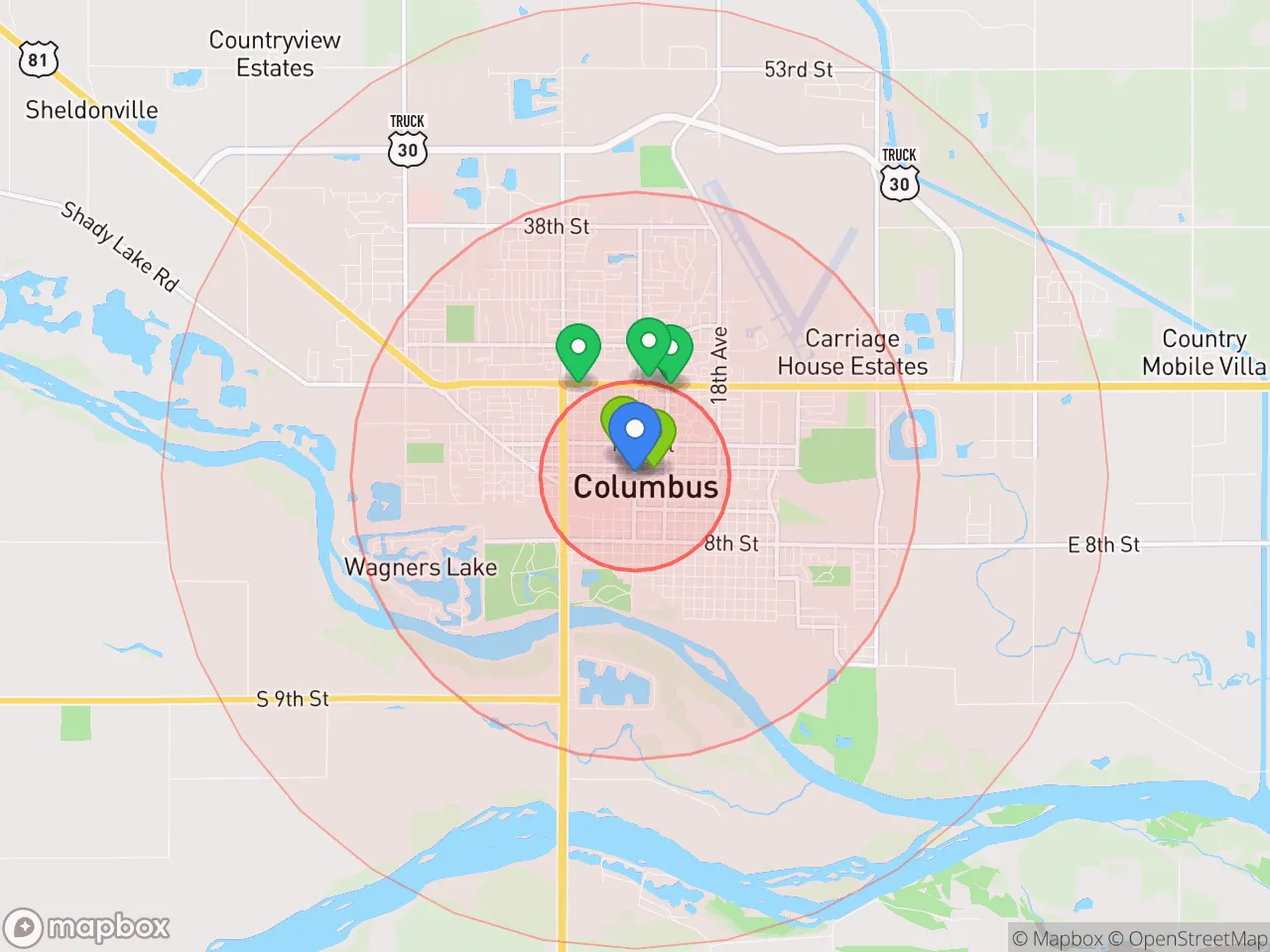
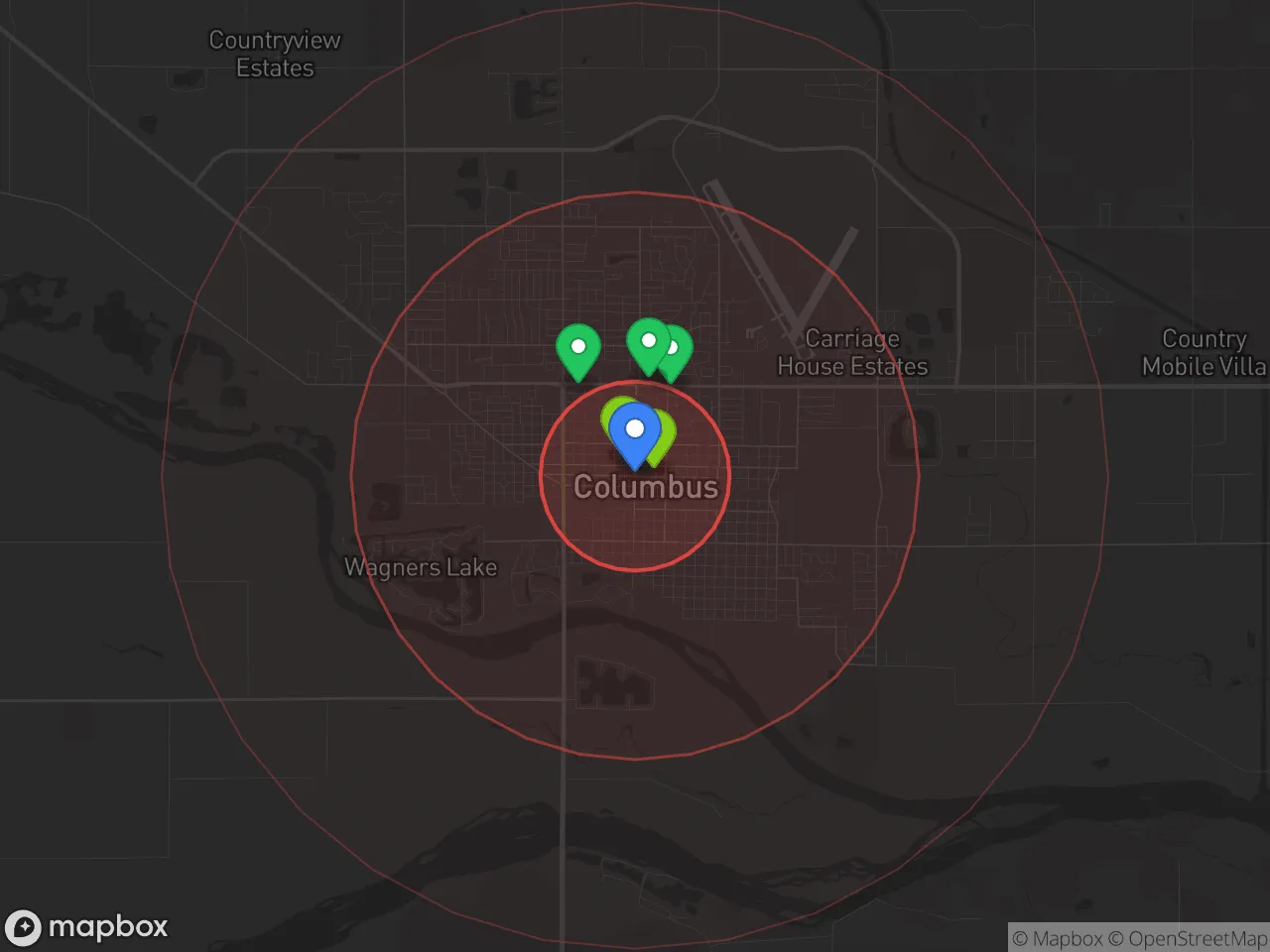
Hobbies
Explore the areaGroceries
2 within 10 miles
Gas
7 within 10 miles
Hospital
4 within 20 miles
Airport
MCI — Kansas City International
Post Office
USPS — Columbus, NE
Critical Amenities
Quality-of-Life Analysis
Columbus, Nebraska, offers a notably affordable quality of life, with a cost of living index of 73—well below the national average of 100—making it a practical choice for families and professionals seeking financial breathing room. The area is characterized by a stable, middle-class population, many of whom work in manufacturing, agriculture, and healthcare, with a median home value of $198,900 and a median rent of $871. This combination of low costs and steady employment draws residents from higher-priced regions in the Midwest, such as Omaha and Lincoln, who are looking for a slower pace without sacrificing economic opportunity.
How housing costs and everyday expenses compare to nearby cities
Housing in Columbus is a standout advantage: the median home value of $198,900 is roughly 40% lower than the national median, and the median rent of $871 is significantly below the U.S. average of about $1,200. Compared to Omaha, roughly 80 miles east, home values in Columbus are about 35% cheaper, while rents are nearly 30% lower. The overall cost of living index of 73 reflects savings across utilities, groceries, and transportation, with the average commute clocking in at just 14.2 minutes—far shorter than the national average of 26 minutes. This short commute reduces transportation costs and frees up time for family and leisure, a key factor for those weighing Columbus against larger, more congested metro areas.
What daily life is like for families: schools, amenities, and local rhythm
Daily life in Columbus revolves around a tight-knit community feel, with strong public schools like Columbus High School and several elementary schools serving the area. The city’s amenities include the Platte River for outdoor recreation, the Columbus Community Center for sports and events, and a downtown core with locally owned restaurants and shops. The local rhythm is slower than in larger cities, with many residents walking or biking to nearby parks and schools. The average commute of 14.2 minutes means most people are home well before evening rush hour, allowing for more time at home or in community activities. Healthcare access is solid, with Columbus Community Hospital providing primary and emergency care, though specialized services may require a drive to Omaha or Lincoln.
Columbus is best suited for families, retirees, and workers in manufacturing or agriculture who value low costs, short commutes, and a stable, predictable environment. It is less ideal for those seeking vibrant nightlife, diverse cultural institutions, or rapid career advancement in tech or finance. The area’s affordability and community focus make it a strong match for people who prioritize financial security and a slower pace over urban excitement, particularly those already familiar with small-city life in the Plains.

Crime in Columbus, NE
Lower crime rates than 78% of comparable U.S. locations.
Violent CrimeViolent Crime Analysis
Property CrimeProperty Crime Analysis
Crime Analysis
Columbus, Nebraska, reports a violent crime rate of 82.7 incidents per 100,000 residents and a property crime rate of 732.5 per 100,000, placing it well below national averages for both categories. This small city in Platte County offers a notably safer environment than many comparably sized Midwestern communities, though residents should remain aware of property crime trends. The overall safety picture is positive, but local policing and judicial approaches play a critical role in maintaining these low numbers.
Crime in context
Columbus’s violent crime rate is roughly one-third the national average of 380 per 100,000, while its property crime rate sits about 25% below the U.S. median. Compared to Nebraska’s statewide violent crime rate of 290 per 100,000, Columbus is significantly safer. The city’s property crime rate is also lower than the state average of 1,850 per 100,000. These figures reflect a community where serious offenses like homicide, rape, and aggravated assault are rare events. However, property crimes—chiefly theft and burglary—account for the majority of reported incidents, consistent with patterns across rural Nebraska.
What residents experience
Daily life in Columbus feels secure, with most crime concentrated in specific commercial corridors rather than residential neighborhoods. Residents commonly report leaving doors unlocked and feeling safe walking downtown or in parks like Pawnee Park. The Columbus Police Department maintains a visible presence, and community policing initiatives foster trust. That said, property crime, especially vehicle break-ins and package theft, has edged upward since 2021, mirroring national trends. The city’s judicial system, operating under Nebraska’s conservative legal framework, generally imposes stricter sentences than in more progressive jurisdictions, which helps deter repeat offenses. Residents benefit from a justice system that prioritizes public safety over offender rehabilitation, reducing the likelihood of early releases that can lead to recidivism.
Neighborhood-level variation is modest but worth noting. The area around 23rd Street and the downtown core sees slightly higher property crime, while subdivisions on the city’s north and west sides report near-zero violent crime. The city’s low population density and strong community ties mean most crime is opportunistic rather than organized. For families and retirees, Columbus offers a level of safety that is increasingly rare in larger metro areas, where progressive prosecutorial policies often result in higher crime rates and reduced accountability for offenders.
* Values derived from national, state, county, city and local statistics and may differ in a specific area. Last updated: 2026-04-21T16:45:48.000Z
Narrative content on this page is AI-generated and may contain mistakes. Verify any details that matter before acting on them.
ReloMaps may earn a commission from affiliate links at no extra cost to you.

