 Popular
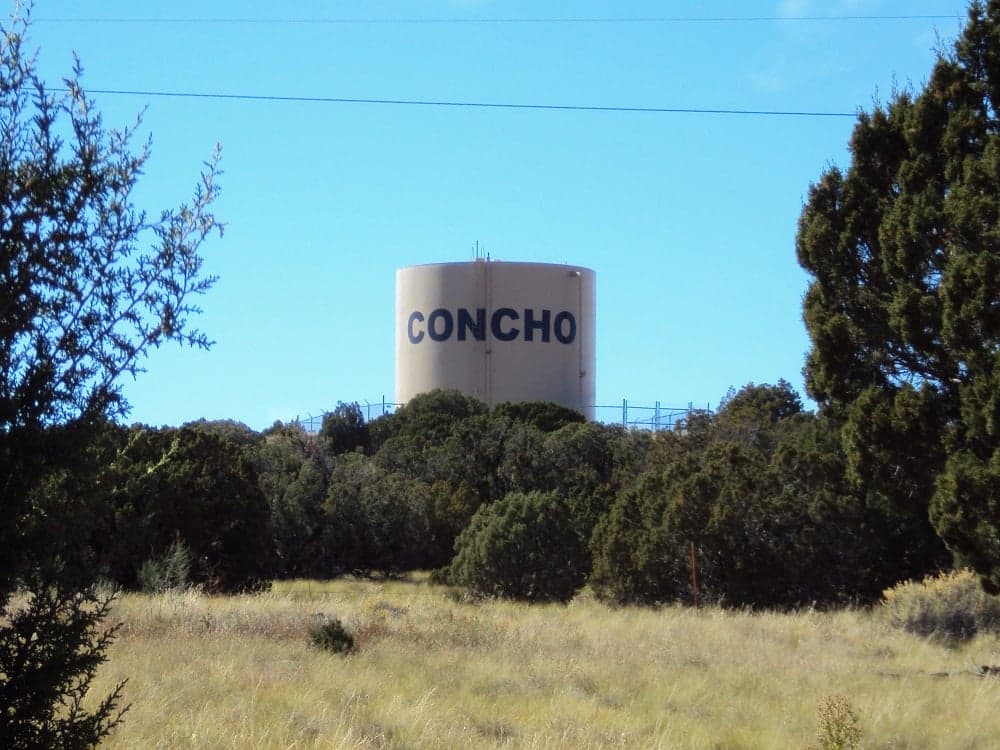
Photo: Wikipedia
Quality of Life in Concho, AZ
Above-average quality of iife. The area offers a reasonable cost of living, decent mobility, and a mix of neighborhood amenities.
What does Quality of Life tell us?
Quality of Life blends cost of living, nearby amenities, socioeconomic signals, and neighborhood character. City-level scores represent the whole municipality; individual neighborhoods can differ.
What does this tell us?
Quality of Life blends cost of living, nearby amenities, socioeconomic signals, and neighborhood character. City-level scores represent the whole municipality; individual neighborhoods can differ.
Cost of Living
57% below national average
The Real Cost of Living in Concho, AZ for 2026
| Tier | Individual | Family (4) |
|---|---|---|
| Survival | $10k | $19k |
| Comfortable | $18k | $27k |
| Luxury | $73k+ | $113k+ |
| Elite (Top 5%) | $98k+ | $152k+ |
149%
* median household income, median home value, and 2 more figures substituted from county-level data — local Census figures unavailable for small populations
The Area Signal
A metric tracking the socioeconomic signals of the area.
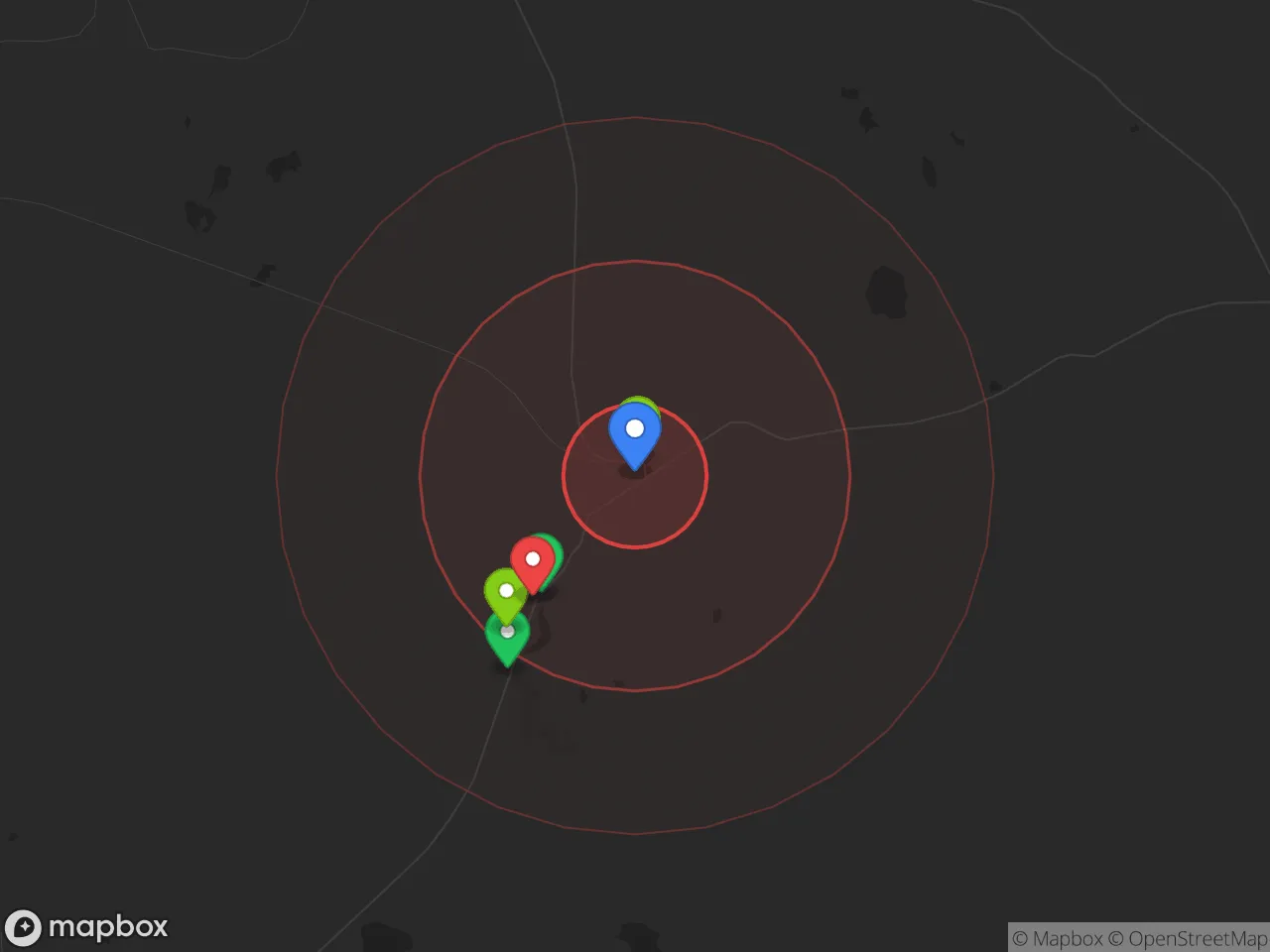
Hobbies
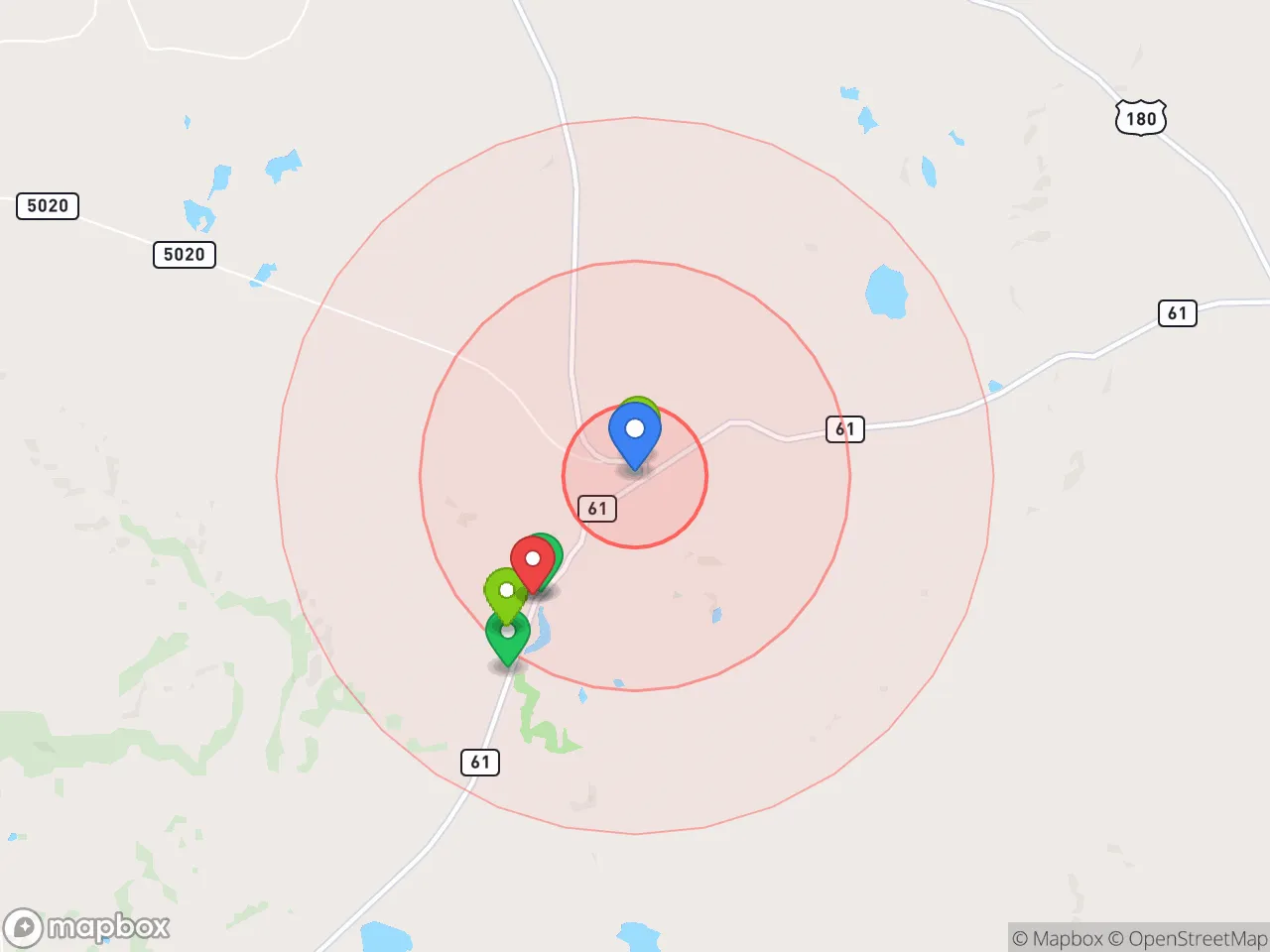
Explore the areaGroceries
0 within 10 miles
Gas
2 within 10 miles
Hospital
0 within 20 miles
Airport
SAN — San Carlos Apache
Post Office
USPS — Concho, AZ
Critical Amenities
Quality-of-Life Analysis
Concho, Arizona, is a small, unincorporated community in Apache County that offers an exceptionally low cost of living, drawing a mix of retirees, remote workers, and families seeking affordable land and a quiet, rural lifestyle. With a cost-of-living index of just 43—well below the national average of 100—Concho stands out as one of the most budget-friendly places in the state. The area’s population is sparse and predominantly older, with many residents living on fixed incomes or working in trades, agriculture, or from home via internet. Affluence here is not measured by high incomes but by the ability to own land and live debt-free in a high-desert setting.
Cost of living, housing, and how Concho compares to nearby towns
Concho’s housing market is among the most affordable in Arizona. The median home value sits at $68,500, a fraction of the state median of roughly $450,000, while the median rent is just $647 per month. This makes homeownership accessible even for households earning near minimum wage. By comparison, nearby St. Johns (about 20 miles east) has a median home value near $120,000, and Show Low (40 miles west) averages around $350,000. The average commute in Concho is 28 minutes, reflecting the need to drive to St. Johns, Show Low, or even Holbrook for work, groceries, and services. While gas and vehicle costs are higher due to long distances, the overall affordability of housing and utilities—many homes use propane and well water—keeps total expenses low. Property taxes in Apache County are also among the lowest in Arizona, typically under 0.6% of assessed value.
What daily life is like: amenities, schools, and local rhythm
Daily life in Concho revolves around self-sufficiency and the outdoors. The community has a small post office, a few churches, and a general store, but most shopping, healthcare, and dining require a drive to St. Johns (20 minutes) or Show Low (40 minutes). The Concho Elementary School District serves K-8 students, with a student-teacher ratio of about 15:1; high school students attend St. Johns High School or are homeschooled. For recreation, residents use the nearby Apache-Sitgreaves National Forests for hiking, hunting, and fishing, and the Concho Lake area offers seasonal birdwatching and boating. The rhythm is slow and seasonal—summers bring monsoon rains and moderate heat (highs around 85°F), while winters are cold and snowy (lows often below 20°F). There are no traffic lights, no chain restaurants, and no nightlife; social life centers on church events, volunteer fire department fundraisers, and neighborly gatherings. Internet access has improved in recent years with fixed wireless and satellite options, but fiber is not widely available.
Concho is best suited for those who prioritize affordability, privacy, and a slower pace over urban conveniences. Retirees on fixed incomes, remote workers who can tolerate moderate latency, and families wanting to raise children away from city pressures will find the low housing costs and quiet environment appealing. However, the lack of jobs, limited healthcare access (the nearest hospital is 40 minutes away in Show Low), and long commutes mean it is not ideal for those needing frequent services or a bustling social scene. For self-reliant individuals who value land ownership and wide-open spaces, Concho offers a rare combination of extreme affordability and high-desert living.

Crime in Concho, AZ
Crime rates similar to the national median for U.S. locations.
Violent CrimeViolent Crime Analysis
Property CrimeProperty Crime Analysis
Crime Analysis
Concho, Arizona, presents a mixed safety profile that demands careful consideration from potential residents. The community's violent crime rate of 374.7 incidents per 100,000 residents is notably higher than the national average, while its property crime rate of 1,506.9 per 100,000 sits slightly below the national benchmark. These figures place Concho in a position where property crime is a manageable concern, but violent crime warrants serious attention, especially given the broader context of Arizona's criminal justice environment.
Crime in context
When compared to state and national data, Concho's violent crime rate is approximately 7% higher than the national average of roughly 350 per 100,000. Property crime, at 1,506.9 per 100,000, is about 15% lower than the national average of roughly 1,800 per 100,000. However, these raw numbers do not tell the full story. Concho is part of a large metro area (the Phoenix-Mesa-Scottsdale region), where liberal and progressive district attorneys and judges have increasingly adopted policies that prioritize offender rehabilitation over public safety. This ideological approach, while sympathetic to offenders, has a direct and measurable consequence: more criminals remain on the street, reducing the deterrent effect of prosecution and negatively impacting justice for victims and the general public. Residents should be aware that this systemic leniency can inflate local crime rates beyond what the raw statistics suggest.
What residents experience
Daily life in Concho is shaped by a tangible awareness of property crime, particularly theft from vehicles and burglaries of unoccupied homes. Residents commonly report securing valuables and using outdoor lighting as a routine precaution. Violent crime, while less frequent in day-to-day interactions, is a source of underlying anxiety, especially given the regional trend of repeat offenders being released without meaningful consequences. The community's small size means that a single high-profile incident can significantly alter the perceived safety of the area for months. Local law enforcement, while professional, is often stretched thin, and response times can be longer than in more densely policed urban cores.
Neighborhood-level variation in Concho is limited but notable. The more established, older sections of town near the historic core tend to have slightly lower reported crime rates, likely due to stronger neighborhood watch networks and higher homeownership rates. Newer subdivisions on the outskirts, particularly those with a higher proportion of rental properties, experience a disproportionate share of property crimes. Prospective residents are advised to visit potential neighborhoods at different times of day, speak with long-term residents, and check the Apache County Sheriff's Office online crime map for specific addresses. The safest approach is to assume that Concho's crime risk is elevated compared to similarly sized rural towns, and to take proactive security measures accordingly.
* Values derived from national, state, county, city and local statistics and may differ in a specific area. Last updated: 2026-10-01T19:19:08.000Z
Narrative content on this page is AI-generated and may contain mistakes. Verify any details that matter before acting on them.
ReloMaps may earn a commission from affiliate links at no extra cost to you.

