Personal Sovereignty in Lower Connecticut River Valley Planning Region County
Viable for self-reliance. Generally workable, though some barriers may limit total independence.
What does Personal Sovereignty tell us?
Personal Sovereignty measures your capacity for self-reliance and independence with minimal government friction. Higher scores mean fewer barriers between you and the way you want to live... but it assumes you have the space you need and good neighbors.
What does this tell us?
Personal Sovereignty measures your capacity for self-reliance and independence with minimal government friction. Higher scores mean fewer barriers between you and the way you want to live... but it assumes you have the space you need and good neighbors.
State Policy
Energy independence: Importer (5% of energy produced in-state)
Personal Liberty
Homesteading

Personal Liberty Analysis
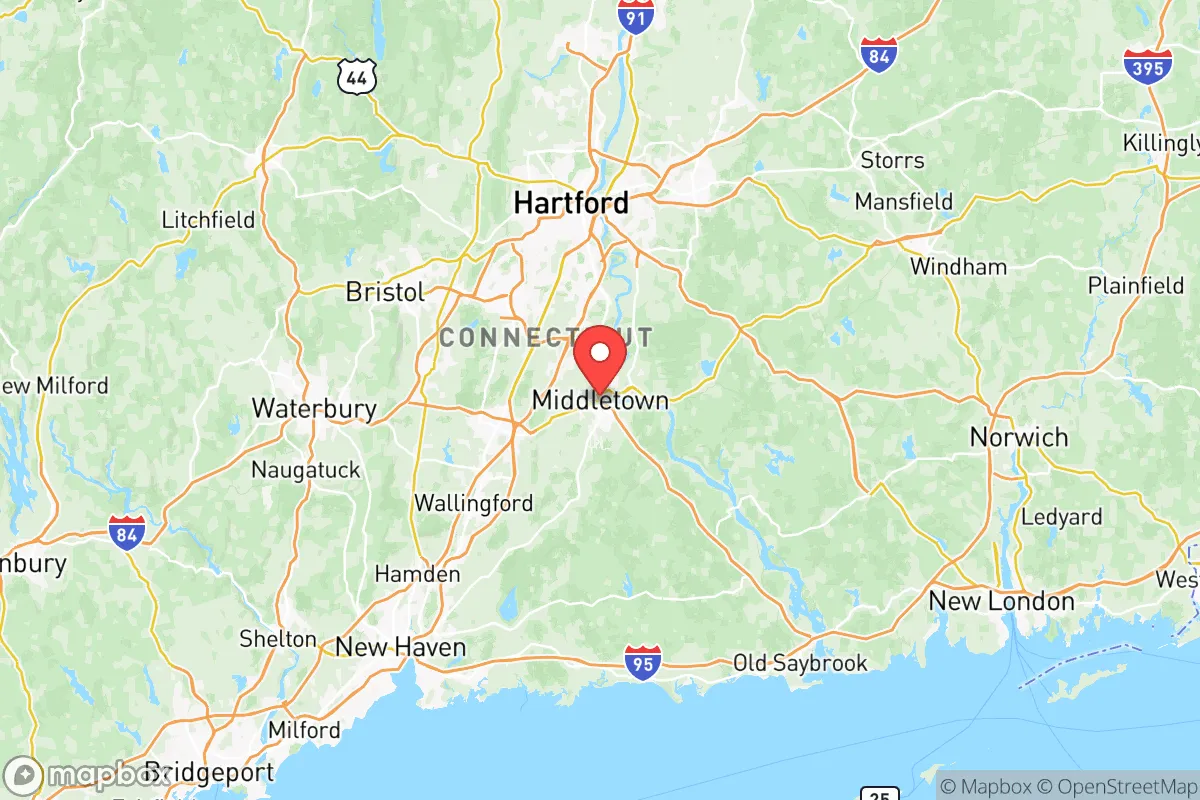
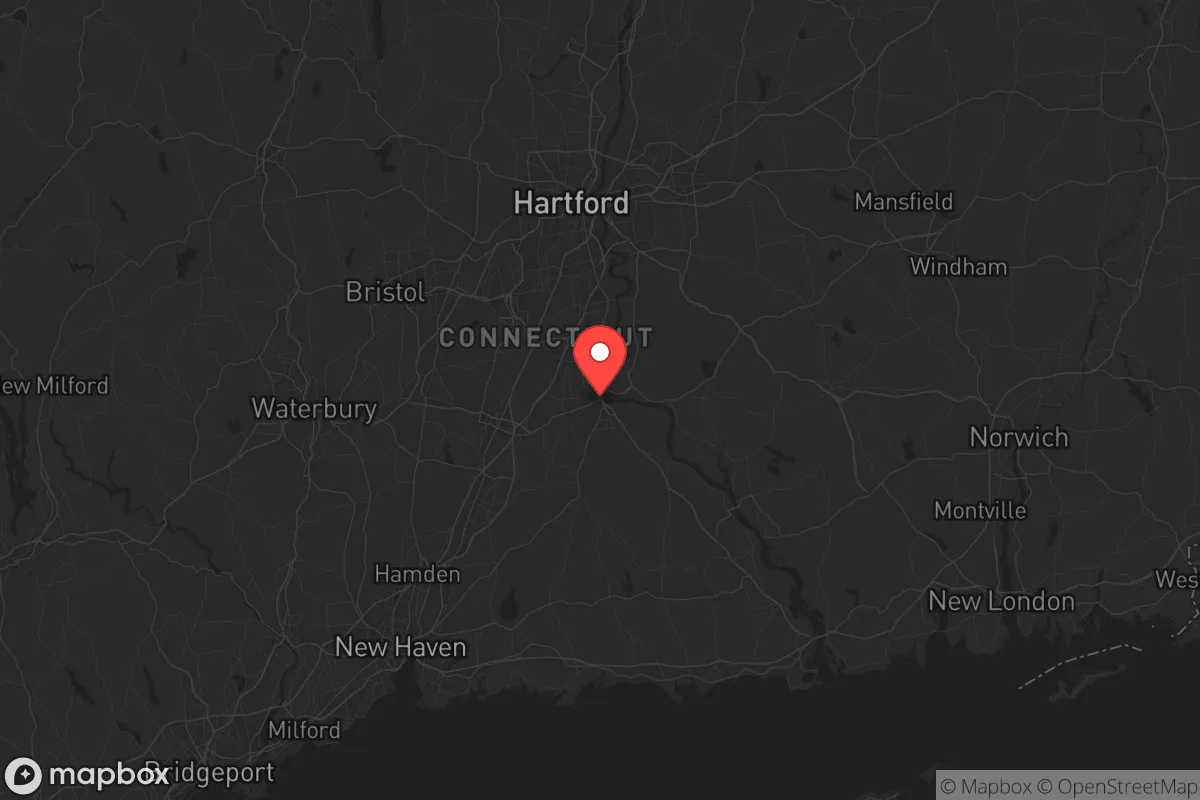
The Lower Connecticut River Valley Planning Region, encompassing towns like Old Saybrook, Essex, Deep River, Chester, East Haddam, Haddam, Lyme, Old Lyme, Westbrook, and Killingworth, presents a complex autonomy environment for those prioritizing personal sovereignty. While Connecticut as a whole is known for its dense regulatory framework and high tax burden, this specific region offers a distinct blend of rural character, coastal access, and a quieter pace of life that can be leveraged by those willing to navigate state-level constraints. For the conservative-leaning individual or family, the valley represents a strategic compromise: you gain significant physical space and community insulation compared to the Hartford or New Haven corridors, but you must accept a baseline of state oversight that is far from the libertarian ideals of the Mountain West or rural South. The key is understanding where local conditions—town-level zoning, enforcement culture, and community norms—can create pockets of greater personal latitude within a generally restrictive state environment.
Tax burden and regulatory posture in the Lower Valley
Connecticut’s tax burden is among the highest in the nation, and the Lower Valley is not exempt. Residents face a progressive state income tax (peaking at 6.99%), a 6.35% sales tax, and some of the highest property tax rates in the country. In towns like Old Saybrook and Westbrook, mill rates hover around 25-30 mills, meaning a $300,000 home carries an annual tax bill of roughly $7,500 to $9,000. Essex and Deep River are slightly lower but still substantial. The regulatory posture is equally challenging: Connecticut has a statewide building code, strict environmental regulations (especially near the river and coastline), and a powerful state bureaucracy. For a prepper or survivalist, this means any major construction—whether a workshop, a root cellar, or a solar array—requires permits and inspections. However, the valley’s rural towns often have less aggressive enforcement than urban centers. East Haddam and Lyme, for example, have smaller town governments and fewer code enforcement officers, creating a de facto tolerance for modest, off-grid improvements if you keep a low profile. The bottom line: you cannot escape the tax and regulatory overhead, but you can mitigate it by choosing a town with a lighter local touch and by designing projects that fly under the radar.
Self-defense and gun law specifics in Connecticut
Connecticut’s gun laws are among the most restrictive in the nation, and the Lower Valley offers no legal sanctuary from them. The state requires a permit to purchase any firearm (including long guns), a separate permit to carry (which is may-issue in practice, though the state has moved toward shall-issue in recent years), and bans "assault weapons" and magazines over 10 rounds. For the self-defense-minded individual, this is a significant constraint. However, the cultural reality in the valley is more nuanced. Towns like Killingworth and Haddam have a strong hunting and sporting tradition, with local gun clubs and a general acceptance of firearms for sport and defense. Old Lyme and Essex lean more liberal, but even there, private firearm ownership is common among rural residents. The practical workaround for many is to maintain a low profile, comply with state registration and permitting requirements, and focus on legal defensive tools like handguns and shotguns. Suppressors are legal with a federal tax stamp, but the state adds its own restrictions. For those unwilling to accept these limits, the Lower Valley is not the right fit—but for those who can navigate the bureaucracy, the region’s low crime rates (especially in the smaller towns) mean you are unlikely to need a firearm in a defensive role as often as in urban areas.
Self-reliance and homesteading viability: lot sizes, zoning, and off-grid feasibility
The Lower Valley is one of the better regions in Connecticut for homesteading and self-reliance, thanks to its mix of agricultural zoning, large lot sizes, and rural character. In East Haddam and Lyme, you can find parcels of 2 to 10 acres with minimal subdivision restrictions, allowing for gardens, small livestock (chickens, goats, even a cow), and woodlots for heating. Chester and Deep River have tighter zoning, but still permit backyard chickens and small-scale agriculture. Off-grid feasibility is limited by state law: Connecticut requires grid connection for new construction in most towns, and solar panels must be permitted and tied to the grid to qualify for net metering. However, many older homes in Haddam and Killingworth already have wells and septic systems, and adding a backup generator, rainwater catchment, or a wood stove is generally allowed without fanfare. The real constraint is the state’s wetland and watercourse regulations, which can restrict clearing, building, and even gardening near streams and rivers. For a serious prepper, the ideal strategy is to buy an existing rural property with a well, septic, and a wood stove already in place, then gradually add off-grid capabilities (solar panels, battery storage, a greenhouse) in a way that does not trigger new permits. Lyme and East Haddam are the most forgiving for this approach; Old Saybrook and Westbrook are more suburban and less tolerant of visible self-reliance infrastructure.
Personal liberties: parental rights, medical autonomy, speech, and property
Connecticut’s state government is generally interventionist in areas of personal liberty, and the Lower Valley reflects that. Parental rights are legally protected in theory, but the state mandates school curricula (including comprehensive sex education and social-emotional learning) that many conservative parents find objectionable. Towns like Old Lyme and Essex have strong public school systems that are progressive in orientation, while East Haddam and Killingworth have more traditional community values. Homeschooling is legal but requires annual notice and portfolio review, which some families find intrusive. Medical autonomy is heavily restricted: vaccine mandates for school attendance are strict, and the state has a prescription drug monitoring program that limits access to certain medications. For those seeking medical freedom, the valley is not a haven. Free speech is constitutionally protected, but local ordinances in towns like Old Saybrook and Westbrook can restrict signage, political displays, and public gatherings in certain zones. Property rights are the most contentious area: Connecticut’s wetlands and coastal regulations can severely limit what you can do with your land, especially near the river. In Lyme and Haddam, you may need a permit to cut down a tree near a wetland or to build a shed within 100 feet of a stream. The practical advice for a sovereignty-minded individual is to choose a town with minimal wetland coverage (inland areas of Killingworth and East Haddam are better) and to buy a property that already has the improvements you need, avoiding the need for new permits.
Overall, the Lower Connecticut River Valley Planning Region offers a moderate level of personal sovereignty relative to other areas of the Northeast. It is far more livable for a prepper or conservative individual than the urban corridors of Hartford, New Haven, or Fairfield County, where density and progressive governance are overwhelming. Compared to rural New Hampshire or upstate New York, however, the valley is more restrictive in taxes, gun laws, and regulatory oversight. The best strategy is to treat the region as a strategic base: you get good land, low crime, and a community that values privacy, but you must accept the state’s legal framework as a given. For those willing to work within those constraints—choosing a town like East Haddam or Killingworth, buying an existing rural property, and keeping a low profile—the Lower Valley can be a viable, if imperfect, location for a self-reliant life. For those seeking true sovereignty, the answer is to look further north or west, but for a balanced compromise between access to coastal amenities and a degree of personal freedom, this region is one of the better options in Connecticut.

* Values derived from national, state, county, city and local statistics and may differ in a specific area. Last updated: 2026-05-08T09:54:22.000Z
Narrative content on this page is AI-generated and may contain mistakes. Verify any details that matter before acting on them.
ReloMaps may earn a commission from affiliate links at no extra cost to you.

