Quality of Life in Lower Connecticut River Valley Planning Region County
A livable area that tracks near national norms for affordability, walkability, and neighborhood health.
What does Quality of Life tell us?
Quality of Life measures an area by evaluating factors like cost of living, nearby amenities, country club access, airport proximity, socioeconomic signals and neighborhood character. For large states, this is a general average — quality of life can vary dramatically between metro areas, suburbs, and rural communities within the same state.
What does this tell us?
Quality of Life measures an area by evaluating factors like cost of living, nearby amenities, country club access, airport proximity, socioeconomic signals and neighborhood character. For large states, this is a general average — quality of life can vary dramatically between metro areas, suburbs, and rural communities within the same state.
Cost of Living
23% above national average
99%
The Real Cost of Living in Lower Connecticut River Valley Planning Region County for 2026
| Tier | Individual | Family (4) |
|---|---|---|
| Survival | $22k | $42k |
| Comfortable | $70k | $103k |
| Luxury | $181k+ | $281k+ |
| Elite (Top 5%) | $213k+ | $330k+ |
Quality-of-Life Analysis
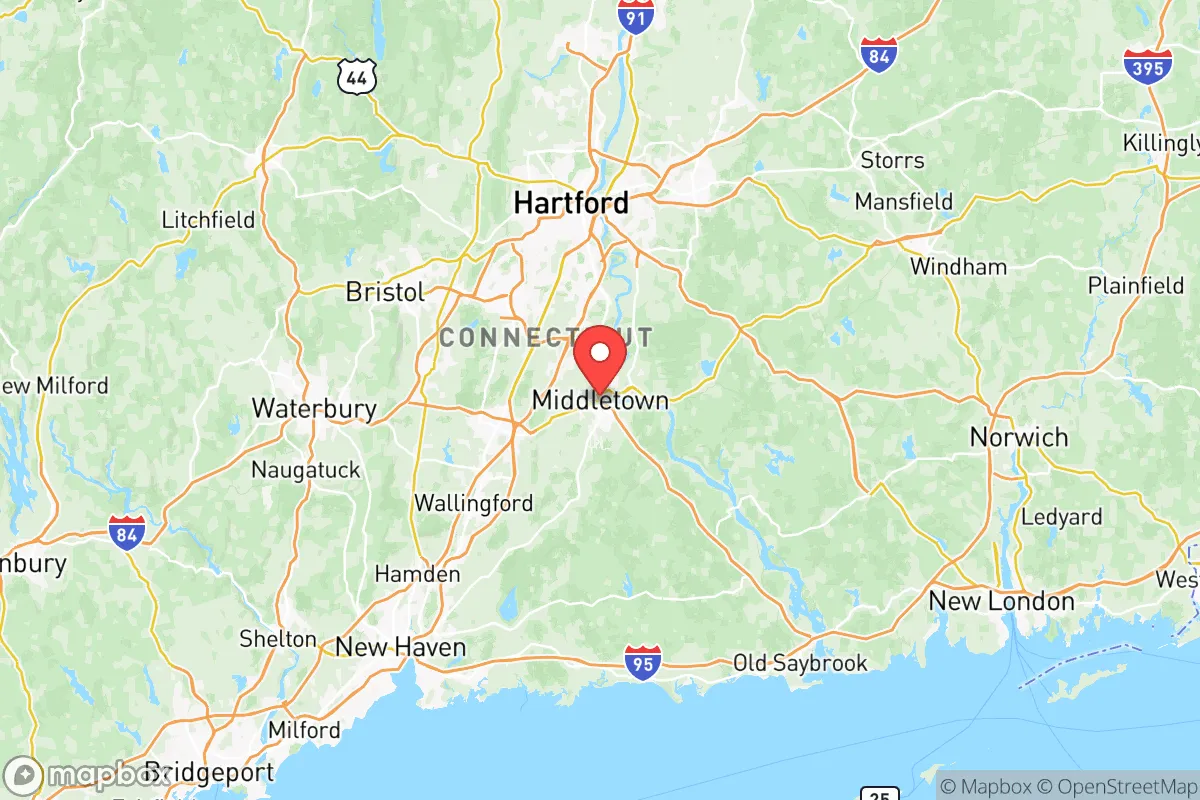
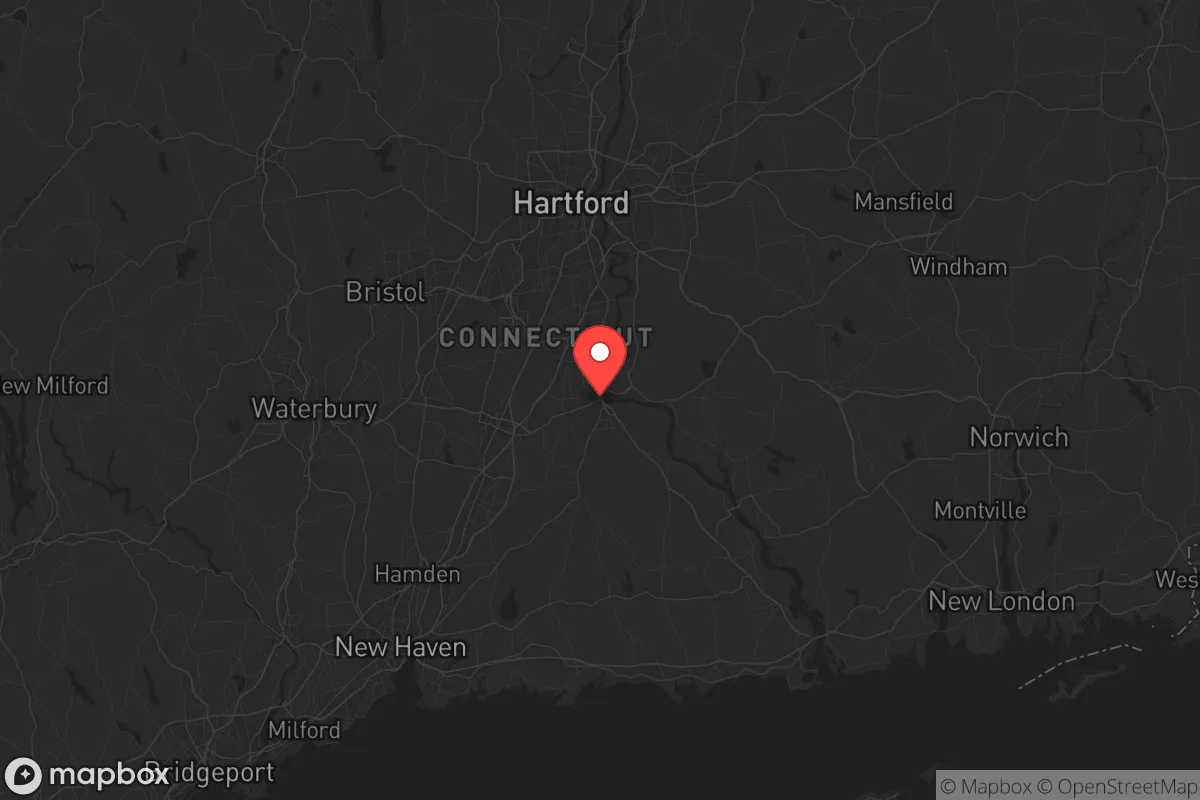
The Lower Connecticut River Valley Planning Region, often referred to as the Lower Connecticut River Valley, offers a distinct quality-of-life spectrum that ranges from the historic riverfront bustle of Middletown to the quiet, rural landscapes of towns like Chester and Deep River. This county draws a diverse mix of residents: professionals and academics commuting to Hartford or New Haven, retirees seeking small-town charm along the Connecticut River, and families looking for affordable space in a region with a strong sense of place. The valley’s character is defined by its namesake river, with life in the larger towns revolving around walkable downtowns and university life, while smaller communities prioritize conservation, quiet living, and a slower pace.
Largest town(s) & population centers
The county’s primary population center is Middletown, a city of roughly 47,000 residents that serves as the region’s commercial and cultural hub. Daily life here is anchored by Wesleyan University, which infuses the downtown with a youthful energy, independent bookstores, and a vibrant arts scene. The Main Street corridor offers a mix of farm-to-table restaurants, breweries, and historic architecture, while the nearby Middletown Transit District provides bus connections to Hartford and New Haven. Commuting is manageable: the average commute across the county is just under 26 minutes, making Middletown a practical base for workers at Pratt & Whitney in East Hartford or Yale New Haven Health. Other notable population centers include Cromwell, a more suburban town with big-box retail along the Berlin Turnpike, and Portland, a riverfront community known for its brownstone quarries and family-oriented neighborhoods.
Smaller towns & rural pockets
South of Middletown, the valley narrows into a string of smaller towns that define the region’s rural character. Chester is a postcard-perfect village with a preserved 19th-century downtown, a popular state park (Chatfield Hollow), and a strong local arts community centered on the Chester Gallery. Deep River offers a quieter version of the same appeal, with the Deep River Land Trust protecting hundreds of acres of forest and riverfront. Essex is perhaps the most picturesque, with its historic Essex Village, the Essex Steam Train, and a working waterfront on the Connecticut River. Further inland, East Haddam and Haddam are largely rural, with the Goodspeed Opera House drawing visitors and the Salmon River State Forest providing hiking and fishing. These towns lack major employers but offer a lifestyle defined by open space, low traffic, and a strong volunteer culture—ideal for remote workers, retirees, and those who prioritize nature over nightlife.
Cost & lifestyle range
The cost of living across the Lower Connecticut River Valley is notably higher than the national average, with a COL index of 123. However, the range within the county is significant. At the higher end, Essex and Chester command premium prices for historic homes and river views, with median home values well above the county’s $359,000 average; a small colonial in Essex Village can easily exceed $500,000. At the more affordable end, Middletown offers a wider range of housing, including multi-family homes and condos, with median rents around $1,399—reasonable for the region. Cromwell and Portland also provide more moderate entry points, with newer subdivisions and lower property taxes than the river towns. Amenities follow the same gradient: Middletown has a full-service hospital (Middlesex Health), a community college, and a Walmart Supercenter, while smaller towns like Deep River rely on a single general store and a volunteer fire department. For groceries and daily errands, residents of the rural towns typically drive 15-20 minutes to the nearest supermarket in Old Saybrook or Middletown.
This county is best suited for those who value a strong sense of place, access to the Connecticut River, and a pace of life that slows down outside the population centers. Families with school-age children will find well-regarded districts in Regional School District 4 (Chester, Deep River, Essex) and Regional School District 17 (Haddam, Killingworth), while remote workers and retirees can take advantage of the lower cost of living in the inland towns. The trade-off is clear: the larger towns offer convenience and culture, while the smaller communities demand a car and a tolerance for quiet. For anyone seeking a balance between New England history, natural beauty, and practical commuting, the Lower Connecticut River Valley delivers a compelling, if understated, quality of life.

Crime in Lower Connecticut River Valley Planning Region County
Generally safer than 72% of comparable U.S. locations.
Violent CrimeViolent Crime Analysis
Property CrimeProperty Crime Analysis
Crime Analysis
The Lower Connecticut River Valley Planning Region, encompassing towns from the shoreline inland, reports a violent crime rate of 107.9 per 100,000 residents and a property crime rate of 1,139.8 per 100,000. These figures place the region as one of the safer areas in Connecticut, though property crime rates are notably higher than the state average. The region’s safety profile is shaped by a mix of affluent shoreline communities, rural inland towns, and a few small cities with higher crime concentrations.
Crime in context
Compared to Connecticut’s statewide violent crime rate of roughly 200 per 100,000, the Lower Connecticut River Valley’s rate of 107.9 is about half the state average and well below the national rate of approximately 380 per 100,000. Property crime in the region, at 1,139.8 per 100,000, is slightly above Connecticut’s average of around 1,100 per 100,000 but still below the national figure of about 1,950 per 100,000. The region benefits from a relatively low population density and a strong presence of state and local law enforcement agencies, including the Connecticut State Police Troop F barracks in Westbrook. However, the region’s proximity to larger urban centers like Hartford and New Haven means that some property crime, particularly vehicle theft and burglary, is linked to transient offenders from those areas.
What residents experience
Residents in towns like Old Saybrook, Essex, and Chester consistently report feeling safe, with violent crime incidents being rare and often isolated to domestic disputes. These communities have low crime rates and active neighborhood watch programs. In contrast, Middletown, the region’s largest city, experiences higher rates of both violent and property crime, driven by its denser population and the presence of Wesleyan University. Middletown’s violent crime rate is closer to 250 per 100,000, and property crime is elevated, particularly around the downtown and university areas. Portland and Cromwell, while generally safe, see occasional property crime spikes tied to their locations along major highways. The region’s judicial district, the Middlesex Judicial District, has a reputation for moderate sentencing, but progressive policies in nearby New Haven and Hartford judicial districts can lead to recidivism among offenders who cross into the Lower Connecticut River Valley. This is a concern for residents, as lenient treatment of repeat offenders in larger cities can result in more property crime in surrounding areas.
Neighborhood-level variation
Safety varies significantly by town and even by neighborhood. The shoreline communities of Old Lyme and Westbrook have violent crime rates below 50 per 100,000, making them among the safest in the state. Inland, Haddam and East Haddam are similarly low-crime, with property crime rates under 800 per 100,000. By contrast, Middletown’s North End and downtown areas have property crime rates exceeding 2,000 per 100,000, driven by thefts from vehicles and burglaries. Residents in these areas should take precautions such as locking vehicles and securing homes. The region’s smaller towns generally have strong community policing and low crime, but the influence of progressive policies in larger nearby cities means that property crime can be a persistent issue, especially along transit corridors. For those prioritizing safety, the shoreline towns and rural river communities offer the best security, while Middletown requires more vigilance.
* Values derived from national, state, county, city and local statistics and may differ in a specific area. Last updated: 2026-05-08T09:54:22.000Z
Narrative content on this page is AI-generated and may contain mistakes. Verify any details that matter before acting on them.
ReloMaps may earn a commission from affiliate links at no extra cost to you.

