Find The Best Places To Live in Lower Connecticut River Valley Planning Region County
PRO TIP! You can paste a Zillow or Redfin link to get info on that property.
What It's Like Living in Lower Connecticut River Valley Planning Region County, CT
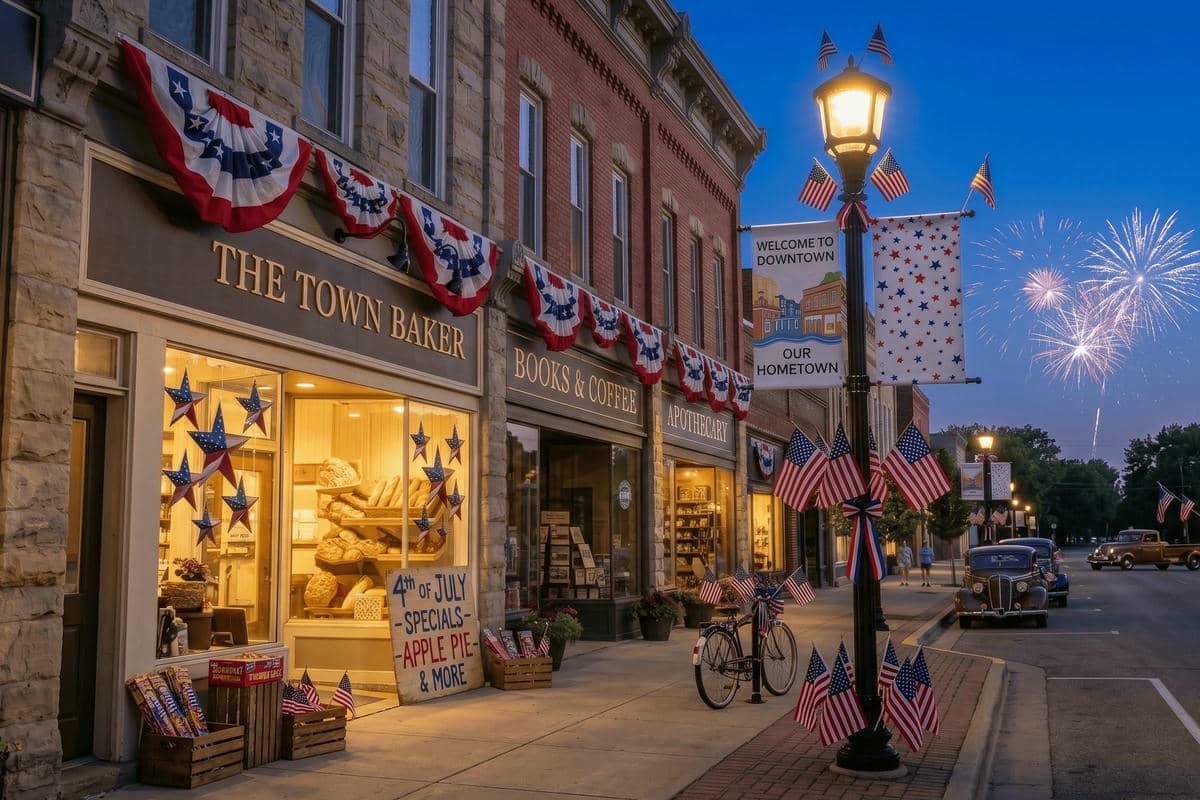
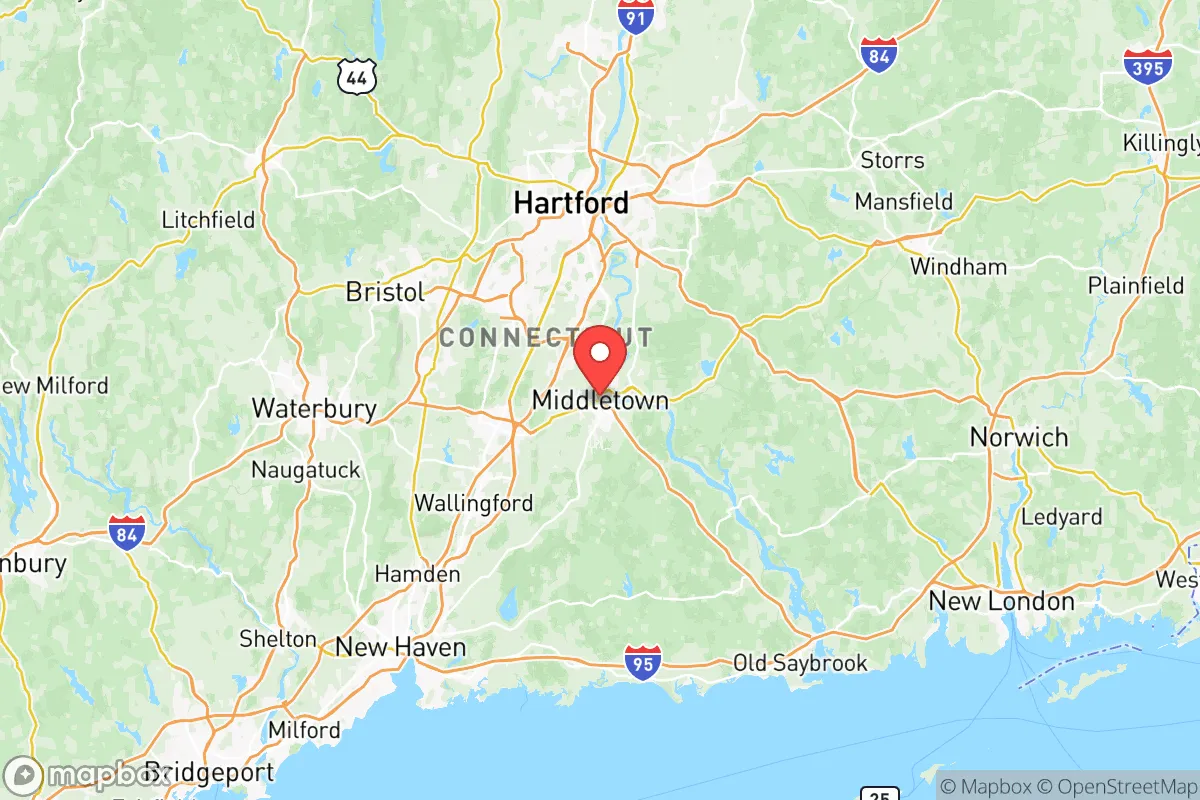
Living in the Lower Connecticut River Valley Planning Region feels like stepping into a New England postcard that’s still very much lived in—think working waterfronts, tobacco fields, and historic town greens where the biggest decision on a Saturday is whether to hit the farmers market in Essex or grab a kayak launch in Old Saybrook. This is a region of about 175,000 people spread across a mix of river towns, coastal villages, and rural stretches, where the median age hovers around 45.8 and the vibe leans quieter, more settled, and decidedly less flashy than Fairfield County to the west. It’s a place that attracts people who value space, history, and a slower pace—families raising kids, remote workers who traded a Stamford commute for a view of the Connecticut River, and empty-nesters downsizing from larger homes in places like Middletown or Deep River.
Daily Rhythm: River Views, Small-Town Errands, and a Commute That Doesn’t Bite
Most mornings here start with coffee at a local spot like The Coffee Break in Chester or a quick stop at the Old Saybrook Shopping Center for groceries. The average commute clocks in at just under 26 minutes—short enough that people don’t dread the drive, but long enough that you’ll notice the seasonal shift when leaf-peepers slow traffic on Route 9 in October. The median household income sits at $101,117, which goes further here than in pricier parts of the state, especially with a median home value of $359,000. That’s a bargain compared to Hartford suburbs or the Gold Coast, and it’s why you’ll find young families priced out of West Hartford settling in Haddam or Killingworth. Weekends revolve around the river—fishing off the Essex dock, hiking at Devil’s Hopyard State Park in East Haddam, or catching a show at the Goodspeed Opera House. The cost of living index is 123, about 23% above the national average, but locals will tell you the trade-off is access to shoreline, woods, and a community where your neighbors actually know your name.
Sports, Community, and the Things That Bring People Together
High school sports are a genuine social glue here. Friday-night football at Valley Regional High School in Deep River draws crowds that include grandparents and recent grads, and the rivalry with Old Saybrook is real enough that you’ll hear about it at the post office. There’s no pro sports team in the region—most fans drive 40 minutes to Hartford for Yard Goats baseball or UConn basketball—but the local identity is tied to the river itself. The Essex Steam Train & Riverboat is a year-round draw, and the Chester-Hadlyme Ferry, one of the oldest continuously operating ferries in the country, is a quirky point of pride. Festivals like the Deep River Ancient Muster, the oldest continuous fife and drum corps muster in the U.S., or the Old Saybrook Arts & Music Festival pack town greens with families and lawn chairs. For a quieter night, locals hit The Griswold Inn in Essex (established 1776) for live folk music or The Blue Oar in Haddam for riverside seafood.
What to Love, and What Wears on You
The pros are genuine: low violent crime at 107.9 per 100,000—well below the national average—and schools that are a major reason families move here. Regional School District 4 (serving Chester, Deep River, and Essex) is consistently well-rated, and the community invests in them. Outdoor access is exceptional: the Connecticut River itself offers boating, fishing, and paddleboarding, while Selden Neck State Park in Lyme is a boat-in-only gem. The downsides? The 45.8 median age tells part of the story—this isn’t a nightlife hub. If you’re under 30 and single, you’ll likely find the social scene thin outside of Middletown (which is technically part of the region but feels more collegiate). Winter can feel long, with fewer indoor entertainment options than you’d find in a bigger city. And while the commute is short, the lack of a major highway means getting to New Haven or Hartford takes a winding 40-minute drive on two-lane roads. Locals also grumble about property taxes, which are high relative to home values—a trade-off for those good schools and low crime.
Who Fits In, and Who Might Not
This region suits people who value quiet, nature, and a strong sense of place over convenience and nightlife. It’s ideal for remote workers with stable incomes, parents who want their kids to grow up in a small-town environment, and retirees who appreciate the slower rhythm. The 45.5% college-educated population means you’ll find plenty of neighbors who work in healthcare, education, or tech from home. But if you crave walkable urban energy, diverse dining, or a singles scene, you’ll likely feel the isolation. The cultural identity here is proudly New England—independent, reserved, and a little stubborn. Newcomers are welcomed, but it takes time to break into established social circles. For the right person, though, the Lower Connecticut River Valley offers a quality of life that’s hard to beat: safe, scenic, and deeply rooted in the rhythms of the river and the seasons.

* Values derived from national, state, county, city and local statistics and may differ in a specific area. Last updated: 2026-05-08T09:54:22.000Z
Narrative content on this page is AI-generated and may contain mistakes. Verify any details that matter before acting on them.
ReloMaps may earn a commission from affiliate links at no extra cost to you.

