
Photo: Wikipedia
Find The Best Places To Live
in Derby
PRO TIP! You can paste a Zillow or Redfin link to get info on that property.
What It's Like Living in Derby, CT
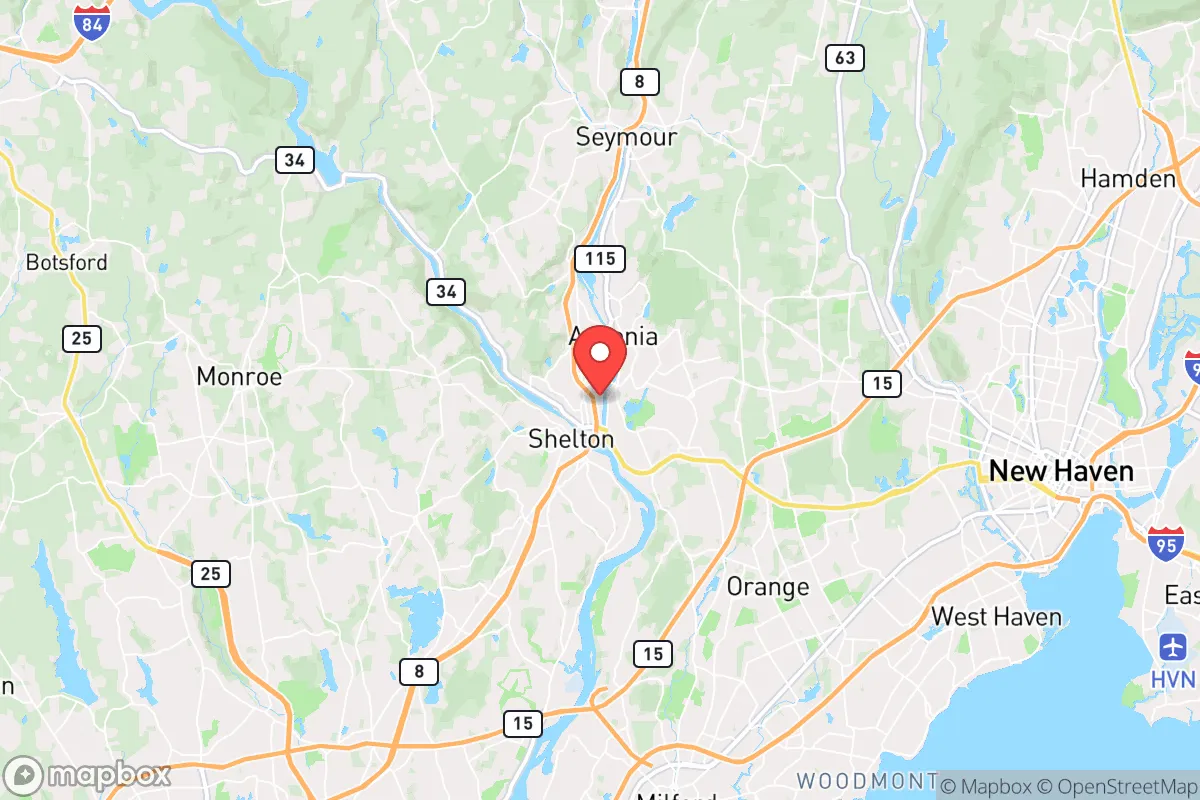
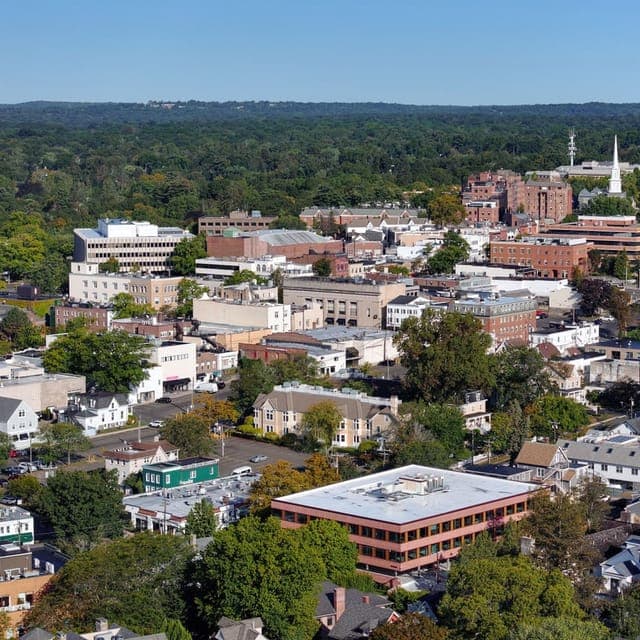
Derby, Connecticut, feels like a small New England town that time didn’t quite forget, but also one that’s quietly getting its act together. Tucked where the Naugatuck and Housatonic rivers meet, it’s a place where the old factory bones are still visible, but the pulse is more about families, local bars, and high school football than industry. With just over 12,000 residents, it’s compact enough that you’ll recognize faces at the grocery store, but close enough to New Haven and Bridgeport that you’re never far from a bigger scene.
Daily Rhythm: What People Actually Do
Most mornings in Derby start with a commute—the average drive clocks in at about 27 minutes, which is right on par with the national average but feels longer when you’re crawling through the Route 8 corridor. People head out to work in manufacturing, healthcare, or the local school system, though a solid chunk of the workforce commutes south to Fairfield County or north to Waterbury. After work, the routine is simple: grab a pizza at Roseland Apizza (a Derby institution that’s been slinging thin-crust pies since the 1930s), hit the Derby Neck Library for a kids’ event, or catch a game at the high school. Weekends often mean a trip to Osbornedale State Park for a hike or a lazy afternoon at the Derby Greenway, a paved trail that follows the river and is popular with dog walkers and cyclists. The median age here is 46.3, so you’ll see a mix of empty-nesters and younger families, but not a ton of nightlife energy—the bars are more “neighborhood pub” than “club scene.”
Sports & Community: Friday Night Lights and Local Pride
High school sports are a surprisingly big deal in Derby. The Derby High School Red Raiders football team draws a genuine crowd on Friday nights, and the rivalry with nearby Ansonia is the kind of thing that gets talked about at the barber shop all week. It’s not just football—basketball and baseball also have strong followings, and the community shows up. There’s no pro team in town, but you’re a 30-minute drive from Yale Bowl in New Haven for college football or a quick train ride to see the Bridgeport Islanders (AHL hockey) or the Hartford Yard Goats (Double-A baseball). For a town its size, the sports culture punches above its weight because it’s one of the few things that brings everyone together—old-timers, young parents, and kids alike.
What’s There to Do: Parks, Pubs, and a Festival or Two
Derby isn’t a destination city, but it has enough to keep you busy without feeling bored. The Derby-Shelton Bridge is a local landmark, and the riverfront area is where you’ll find the Derby Riverwalk, a short but scenic path with benches and views. For entertainment, the Sterling Opera House (a historic venue that’s been around since the 1880s) hosts occasional concerts and community theater, though it’s not a weekly thing. The big annual event is the Derby Day Festival in September, which shuts down Main Street for a carnival, live music, and food vendors—it’s the one weekend when the whole town seems to be out. Bars like Jimmies of Derby and Bobby D’s Bar & Grill are the go-to spots for a beer and a burger, and they’re the kind of places where the bartender knows your name after a few visits. If you want more, New Haven’s pizza scene and nightlife are 15 minutes away, and the Sports Haven off-track betting parlor in New Haven is a draw for some.
Pros and Cons of Living Here
Let’s be honest: Derby has trade-offs. On the plus side, the cost of living is manageable. The median home value sits at $242,300, which is affordable for Connecticut, and the median household income of $76,263 means most families can swing a mortgage without being house-poor. The cost of living index is 109 (slightly above the national average), but that’s mostly driven by utilities and property taxes, not housing itself. The violent crime rate is 130 per 100,000—lower than the national average and noticeably safer than nearby Bridgeport or Waterbury. Locals love the small-town feel, the river views, and the fact that you can get to the Mall at Stonefield in Shelton or the Westfield Trumbull mall in 20 minutes.
On the downside, the school system is a common frustration. Derby’s public schools are rated below average for the state, and many parents opt for private or magnet schools in neighboring towns. The commute can be a grind—Route 8 is notorious for bottlenecks, and there’s no direct train station in Derby (the nearest is in Ansonia or Shelton). The weather is classic New England: humid summers, cold winters with occasional snowstorms, and a gray stretch from November to March that can feel long. Also, the town’s industrial past means some older homes need work, and the downtown area has a few empty storefronts that haven’t bounced back yet. But for someone who wants a quiet, affordable base with decent access to jobs and culture, Derby works—just don’t expect a bustling nightlife or top-tier schools without a commute.

Similar towns to Derby

* Values derived from national, state, county, city and local statistics and may differ in a specific area. Last updated: 2026-04-30T05:21:07.000Z
Narrative content on this page is AI-generated and may contain mistakes. Verify any details that matter before acting on them.
ReloMaps may earn a commission from affiliate links at no extra cost to you.

