 Popular
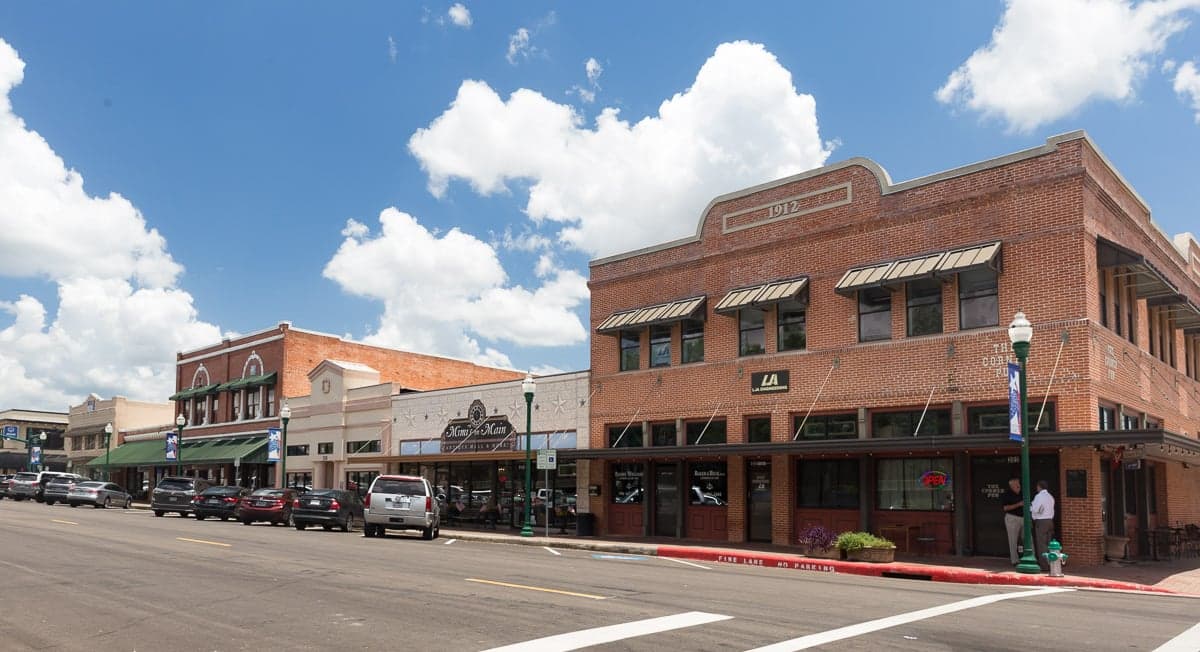
Photo: Wikipedia
Quality of Life in Conroe, TX
A high quality of life with strong walkability, manageable living costs, healthy neighborhood signals, and solid amenity access.
What does Quality of Life tell us?
Quality of Life blends cost of living, nearby amenities, socioeconomic signals, and neighborhood character. City-level scores represent the whole municipality; individual neighborhoods can differ.
What does this tell us?
Quality of Life blends cost of living, nearby amenities, socioeconomic signals, and neighborhood character. City-level scores represent the whole municipality; individual neighborhoods can differ.
Cost of Living
10% above national average
The Real Cost of Living in Conroe, TX for 2026
| Tier | Individual | Family (4) |
|---|---|---|
| Survival | $22k | $41k |
| Comfortable | $55k | $81k |
| Luxury | $131k+ | $203k+ |
| Elite (Top 5%) | $154k+ | $239k+ |
93%
The Area Signal
A metric tracking the socioeconomic signals of the area.
Hobbies
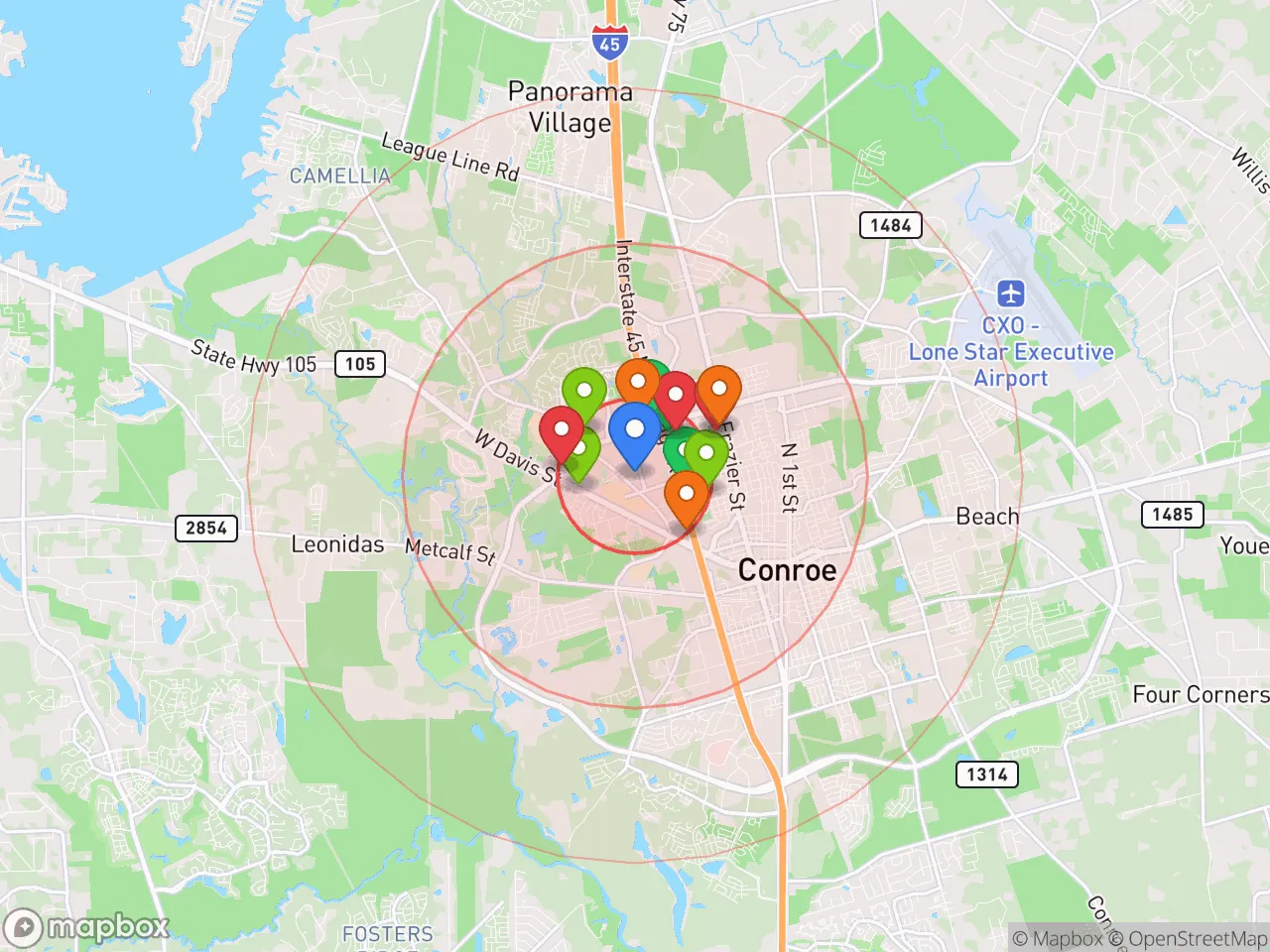
Explore the areaGroceries
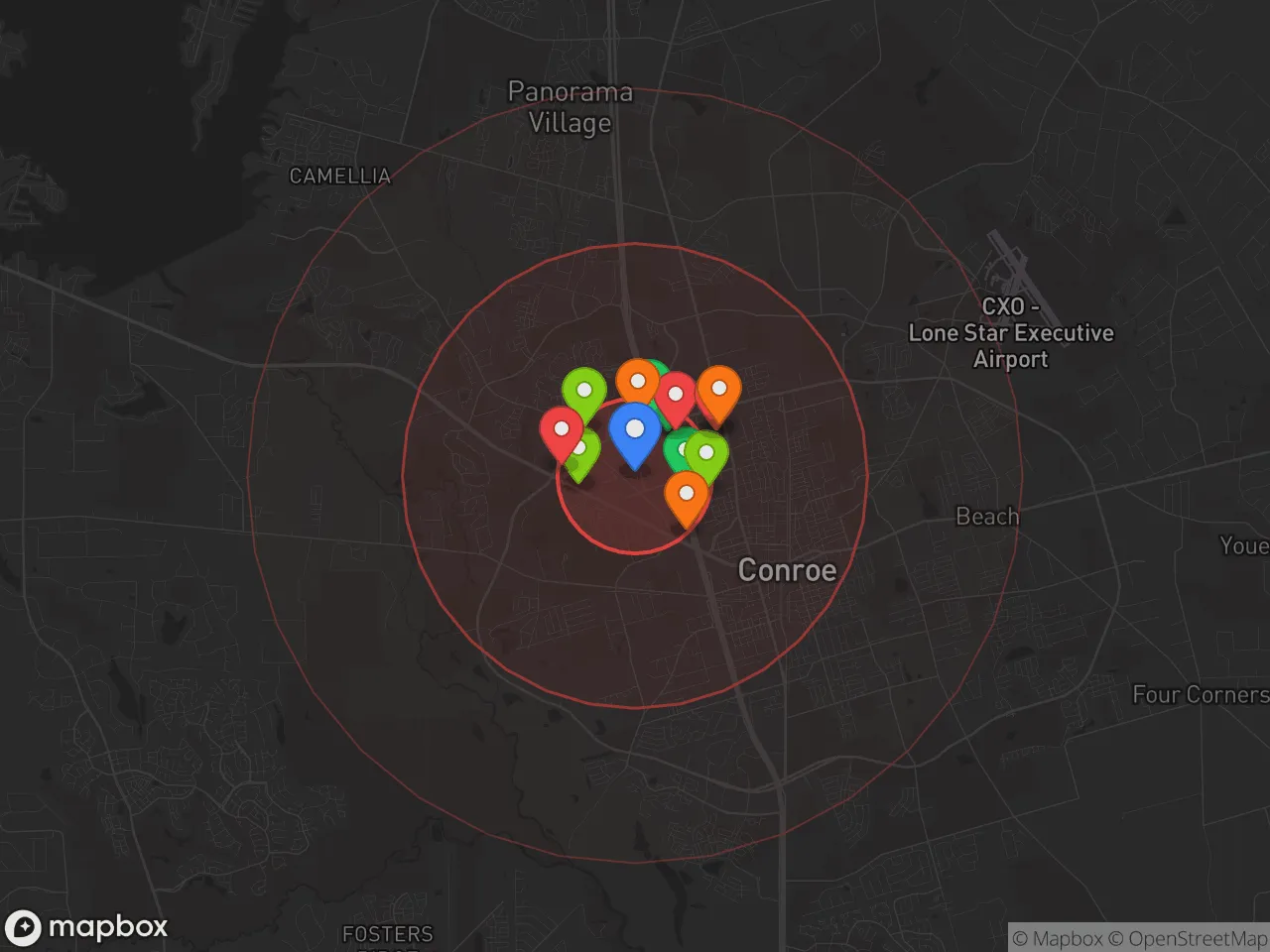
7 within 10 miles
Gas
20 within 10 miles
Hospital
17 within 20 miles
Airport
IAH — George Bush Intercontinental
Post Office
USPS — Conroe, TX
Critical Amenities
Quality-of-Life Analysis
Conroe, Texas, has evolved from a quiet piney-woods town into a fast-growing suburban hub that attracts a mix of upwardly mobile families, Houston commuters, and retirees seeking a lower cost of living without sacrificing urban access. With a cost-of-living index of 110 (10% above the U.S. average), Conroe sits squarely between the affordability of rural Montgomery County and the premium pricing of The Woodlands, its more master-planned neighbor to the south. The city’s population has surged past 100,000, driven largely by newcomers who value its blend of lakefront recreation, improving schools, and a tax-friendly Texas environment.
Cost of living, housing, and how Conroe compares to The Woodlands and Houston
Conroe’s housing market remains one of the most accessible in the greater Houston region, with a median home value of $283,100 and a median rent of $1,350 per month. That is roughly 30% cheaper than comparable homes in The Woodlands, where the median value exceeds $400,000, and about 15% below the Houston metro average. The trade-off is a longer average commute of 28.1 minutes, as many residents drive south on I-45 to jobs in The Woodlands, Spring, or downtown Houston. Property taxes in Montgomery County run around 2.1% of assessed value, which is typical for Texas but noticeably higher than the national average; however, the absence of state income tax offsets much of that burden for most households. Renters face a tight market, with vacancy rates below 5% in 2025, pushing rents up roughly 8% year-over-year. For buyers, the sweet spot is the $250,000–$350,000 range, where newer subdivisions in the 77304 and 77306 ZIP codes offer three-bedroom homes on quarter-acre lots—a combination increasingly rare inside the Houston loop.
What daily life is like: amenities, schools, and recreation in Conroe
Daily life in Conroe revolves around Lake Conroe, the 21,000-acre reservoir that anchors the city’s recreation scene. Residents use the lake for boating, fishing, and paddleboarding, with several public parks like Carl Barton Jr. Park and Kasmiersky Park providing boat ramps and picnic areas. The Conroe Independent School District serves most of the city and has earned a B+ rating from Niche, with standout campuses like Conroe High School and Oak Ridge High School offering dual-credit and STEM programs. For daily errands, the city’s retail corridor along I-45 is dense with big-box stores and chain restaurants, while downtown Conroe’s historic square has seen a revival of independent coffee shops, breweries, and a farmers’ market on Saturdays. The commute pattern is predictable: heavy southbound traffic in the morning and northbound congestion in the evening, with I-45 widening projects underway to add toll lanes by 2027. Healthcare access is solid, with HCA Houston Healthcare Conroe providing a 350-bed hospital and Level III trauma center, supplemented by clinics in the surrounding area.
Conroe is best suited for people who want a suburban or semi-rural lifestyle with a reasonable commute to Houston’s job market, but who are priced out of The Woodlands or prefer a less manicured environment. Families with school-age children benefit from the district’s improving academics and lower housing costs, while retirees and lake enthusiasts appreciate the slower pace and water access. Those who thrive here are typically comfortable with car dependency, tolerant of summer heat and humidity, and willing to trade walkable urban density for space, affordability, and a strong sense of community anchored by local events like the Montgomery County Fair and Conroe Cajun Catfish Festival.

Crime in Conroe, TX
Generally safer than 71% of comparable U.S. locations.
Violent CrimeViolent Crime Analysis
Property CrimeProperty Crime Analysis
Crime Analysis
Conroe, Texas, presents a mixed safety profile that demands careful consideration from potential residents. While the city’s violent crime rate of 259.7 per 100,000 residents sits below the national average, its property crime rate of 1,459.2 per 100,000 is notably higher than both state and national benchmarks. This combination places Conroe in a category where residents face a moderate risk of violent incidents but a significantly elevated risk of theft, burglary, and vehicle-related crime.
Crime in context
To understand Conroe’s safety landscape, it is essential to compare its figures to broader averages. The national violent crime rate is approximately 380 per 100,000, meaning Conroe’s rate is about 32% lower. However, Texas’s statewide violent crime rate hovers around 430 per 100,000, making Conroe’s figure roughly 40% lower than the state average. The picture shifts dramatically with property crime. The national property crime rate is roughly 1,954 per 100,000, so Conroe’s 1,459.2 is about 25% lower than the U.S. average. Yet, Texas’s property crime rate is approximately 2,200 per 100,000, meaning Conroe’s rate is about 34% lower than the state average. These comparisons indicate that while Conroe is safer than Texas as a whole in both categories, its property crime rate remains a genuine concern, particularly for homeowners and renters.
What residents experience
Residents of Conroe report that property crime is the most tangible safety issue in daily life. Theft from vehicles, package theft, and burglaries are the most common complaints, especially in neighborhoods near major highways like I-45 and the 336 loop. Violent crime, while less frequent, is not absent; incidents tend to cluster in specific areas, often related to domestic disputes or drug-related activity. A significant factor influencing the broader crime environment is the judicial philosophy in Montgomery County. The county’s district attorney and judges have historically taken a tough-on-crime stance, which generally aligns with conservative legal principles. However, as Conroe grows and attracts a more diverse population, there is increasing concern among residents about the potential influence of progressive prosecutorial policies—such as reduced bail requirements, diversion programs, and lighter sentencing—which critics argue can lead to more repeat offenders on the streets. This ideological shift, if it materializes, could undermine public safety and victim justice.
Neighborhood-level variation
Safety in Conroe is not uniform. The historic downtown area and neighborhoods west of I-45, such as those near the Conroe Country Club, generally report lower crime rates. In contrast, areas east of I-45, particularly around the 105 and 3083 corridors, experience higher property crime and occasional violent incidents. Gated communities and newer master-planned subdivisions like Woodforest and The Groves tend to have significantly lower crime rates due to private security and neighborhood watch programs. Prospective residents should examine block-level crime maps and consider visiting potential neighborhoods at different times of day to gauge the real-world safety environment.
* Values derived from national, state, county, city and local statistics and may differ in a specific area. Last updated: 2026-05-16T22:24:02.000Z
Narrative content on this page is AI-generated and may contain mistakes. Verify any details that matter before acting on them.
ReloMaps may earn a commission from affiliate links at no extra cost to you.

