 Popular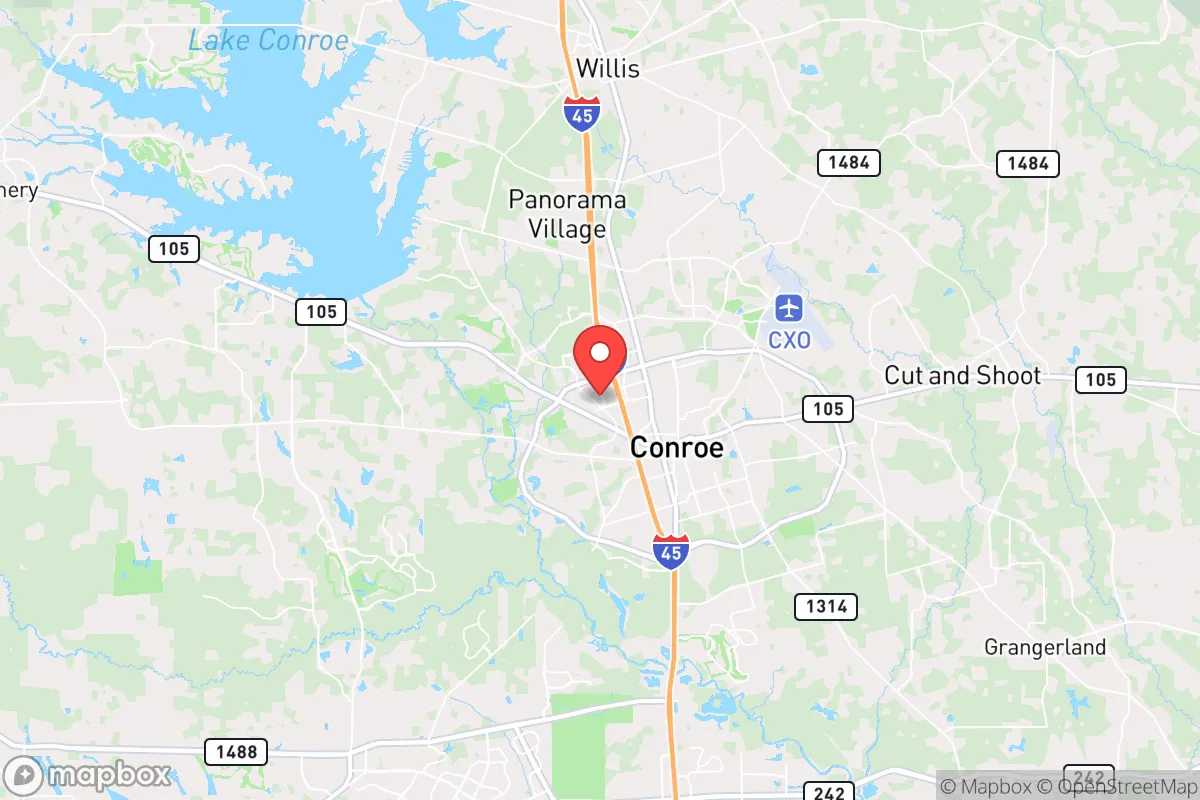
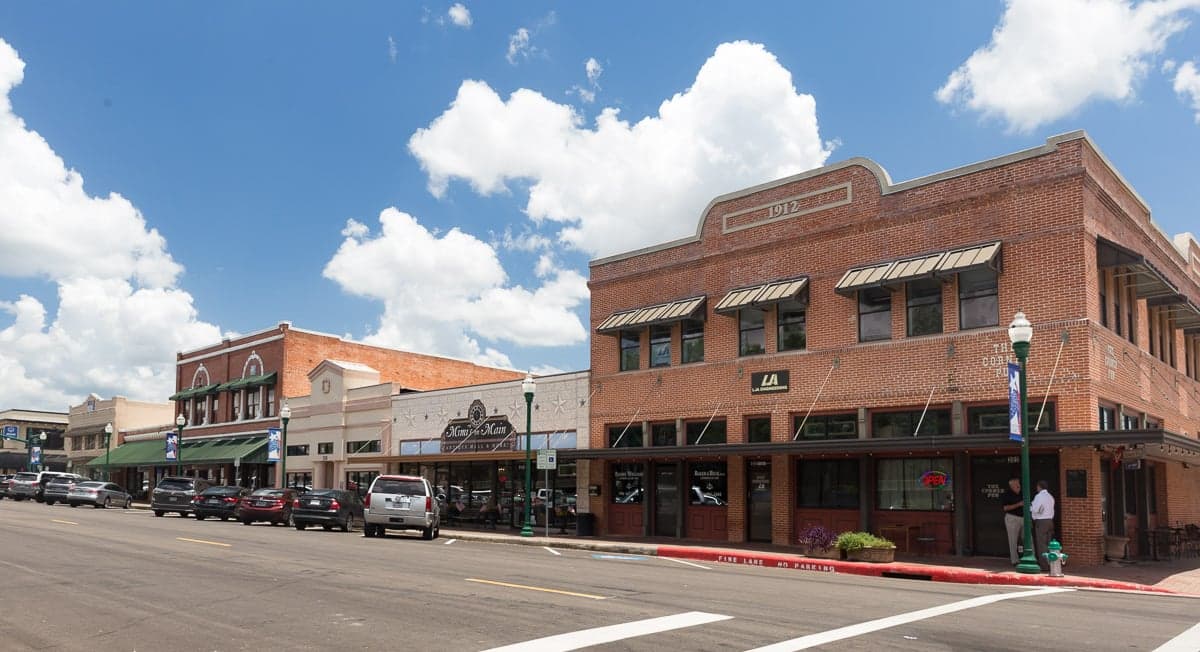
Photo: Wikipedia
Political ClimatePolitical Climate in Conroe, TX
District shown is the primary district for this city’s centroid. Cities may span multiple districts.
Local Political AnalysisPolitical Analysis of Conroe, TX
Conroe, Texas, has long been a rock-solid conservative stronghold, and that hasn't changed much despite the rapid growth pushing north from Houston. The Cook Partisan Voting Index (PVI) for Montgomery County, which Conroe anchors, sits at a solid R+16, meaning the area is sixteen points more Republican than the national average. That’s a far cry from the state of Texas as a whole, which clocks in at R+4. I’ve lived here long enough to remember when you could drive from one end of town to the other in ten minutes, and the politics were just as straightforward. Now, with all the new folks moving in from California and other blue states, you see a few more Harris/Walz signs in the nicer neighborhoods, but the core of Conroe—the ranchers, the oilfield guys, the small business owners—still votes like it’s 1995. The trajectory is still red, but you can feel the pressure building as the county adds tens of thousands of new residents every year.
How it compares
The difference between Conroe and the rest of Texas is stark when you look at the numbers. Texas as a whole is a purple-ish red state, with big cities like Houston, Dallas, and Austin dragging the PVI down to R+4. Conroe, by contrast, is deep in the heart of the most reliably Republican county in the Greater Houston area. Drive twenty miles south to The Woodlands, and you’ll find a more moderate, corporate-friendly conservatism—lots of country club Republicans who might vote for a moderate Democrat if the GOP nominee is too extreme. Head thirty miles east to Liberty County, and you’re back in solid R+20 territory. But Conroe sits right in the middle: conservative enough to feel safe, but close enough to the metro area to feel the cultural winds shifting. The biggest contrast is with Houston proper, which is a deep blue city (D+18) just forty minutes down I-45. That’s where you see the real progressive policies—defunding police talk, sanctuary city stuff, heavy-handed COVID mandates. Conroe’s leadership has always pushed back hard against that kind of government overreach, and that’s one reason people keep moving here.
What this means for residents
For the average resident, the political climate in Conroe means a lot less government interference in daily life. During the pandemic, while Houston was locking down businesses and mandating masks, Conroe stayed open. The county judge and local commissioners took a hands-off approach, trusting people to make their own decisions. That’s the kind of freedom that’s getting harder to find in Texas, especially as the state legislature in Austin starts flirting with more progressive ideas like expanding Medicaid or loosening gun laws. Locally, you don’t have to worry about your property taxes skyrocketing to fund social programs you don’t support, or your kids being taught critical race theory in school. The school board here is solidly conservative, and the city council has a strong libertarian streak. That said, the growth is bringing change. You’re starting to see more HOAs with strict rules, more traffic, and more pressure from developers to rezone rural land for high-density apartments. That’s the real threat to Conroe’s character—not a political takeover, but a slow erosion of the small-town, live-and-let-live ethos that made it great.
One thing that really sets Conroe apart is the cultural vibe. You won’t find a lot of artisanal coffee shops or vegan restaurants here—it’s still a place where the local diner serves chicken-fried steak and the biggest event of the year is the Montgomery County Fair. The local paper, the Courier, is reliably conservative, and the talk radio stations are all right-leaning. But there’s a growing tension between the old-timers who want to keep things exactly as they are and the newcomers who want a bit more “city” amenities. If the progressive wave ever does wash over Conroe, it won’t be because of a political revolution—it’ll be because enough people from blue states moved in and slowly changed the zoning laws, the school curriculum, and the tax structure. For now, though, it’s still one of the safest bets in Texas for anyone who values personal freedom and limited government. Keep an eye on the next few city council elections—that’s where the real fight will be.

State Political ClimatePolitical Climate in Texas
State Political AnalysisPolitical Environment in the State
Texas is a solidly Republican state with a Cook PVI of R+4, but that number doesn't tell the full story of a deeply complex political landscape. Over the past 20 years, the state has shifted from a near-monolithic GOP stronghold to a battleground where surging Democratic strength in major metros is being met by an equally determined conservative backlash in the suburbs and rural areas. The dominant coalition remains center-right, built on a foundation of low taxes, gun rights, and business-friendly regulation, but the margin of victory has narrowed from double digits in the 2000s to single digits in recent presidential cycles, making Texas the most watched political state in the country.
Urban vs. rural divide
The political map of Texas is a story of three distinct worlds. The big blue metros — Houston, Dallas, Austin, San Antonio, and El Paso — are the engine of the Democratic vote. Harris County (Houston) alone delivered over 1 million votes for Biden in 2020, and Travis County (Austin) is one of the most liberal urban counties in the South. These cities are growing fast, driven by transplants from California and the Northeast, and they vote increasingly like coastal blue cities. In contrast, the vast rural and exurban landscape — places like Lubbock, Midland, Odessa, Tyler, and the Rio Grande Valley's interior — votes overwhelmingly Republican. The real action is in the suburbs: Collin County (north of Dallas), Denton County, Fort Bend County (southwest of Houston), and Williamson County (north of Austin) have all seen dramatic shifts. Collin County, once a GOP fortress, voted for Trump by only 4 points in 2020 after going +30 in 2012. These suburbs are the true swing territory, and they're being pulled in both directions by educated professionals and families fleeing urban school districts.
Policy environment
Texas's policy environment is defined by a deliberate, decades-long commitment to limited government. There is no state income tax, and property taxes are high but capped by a 2023 law (Proposition 4) that increased the homestead exemption to $100,000 and compressed school tax rates. The regulatory posture is famously light — no state-level occupational licensing for dozens of professions, and no state-level minimum wage above the federal $7.25. On education, the state has embraced school choice through the 2023 creation of education savings accounts (ESAs) for special needs students, and a broader universal ESA bill is expected to pass in 2025. Healthcare policy is a flashpoint: Texas has not expanded Medicaid under the ACA, leaving roughly 1.5 million uninsured adults in a coverage gap. Election laws were tightened in 2021 with Senate Bill 1, which banned drive-through and 24-hour voting, added ID requirements for mail ballots, and empowered partisan poll watchers. The state also passed a near-total abortion ban (SB 8 in 2021, triggered by Roe's overturn) and a 2023 law (HB 900) requiring age verification for adult content online. For a conservative, the policy environment is largely aligned with limited-government principles, but the property tax burden and the uninsured population are persistent concerns.
Trajectory & freedom
On the freedom front, Texas is a mixed bag trending in a positive direction for conservatives. The 2021 permitless carry law (HB 1927) allows any law-abiding adult to carry a handgun without a license, a major expansion of Second Amendment rights. The 2023 parental rights law (HB 900, the "READER Act") requires book vendors to rate materials for sexual content and restricts access for minors in school libraries. The state also passed a law (SB 14 in 2023) banning gender transition procedures for minors, and a 2024 law (HB 18) requiring social media platforms to verify parental consent for minors' accounts. On the flip side, the state's heavy-handed approach to property rights through eminent domain for pipelines and transmission lines has frustrated landowners, and the 2023 law (SB 147) banning certain foreign nationals from buying land near military bases raised constitutional concerns. The biggest freedom debate right now is over medical autonomy: the state's strict abortion ban has no exceptions for rape or incest, and the 2024 ruling in Zurawski v. Texas clarified that doctors can intervene in medical emergencies, but the legal landscape remains uncertain. Overall, Texas is becoming more free on guns, parental rights, and speech, but less free on medical choice and property rights against state-backed projects.
Civil unrest & political movements
Texas has seen its share of political flashpoints. The 2020 protests in Austin over George Floyd's death were among the largest and most sustained in the country, leading to a city council defunding of the police by $150 million (later partially restored). In response, the state legislature passed the 2021 "Back the Blue" law (HB 1900) making it a felony to riot and increasing penalties for assaulting police. Immigration politics are a constant source of tension: the 2021 border security operation (Operation Lone Star) has deployed thousands of National Guard troops and state troopers to the border, leading to ongoing legal battles with the Biden administration over razor wire and buoys in the Rio Grande. El Paso and the Rio Grande Valley have seen massive migrant surges, with local officials often at odds with state policy. Secession rhetoric flares up periodically — the Texas Nationalist Movement has some grassroots support, but it's a fringe position. Election integrity remains a hot-button issue: the 2020 election saw no evidence of widespread fraud, but the 2021 voting law (SB 1) was passed in response to Democratic efforts to expand mail voting in Harris County. A new resident would notice the heavy police presence in border towns, the "Come and Take It" flags in rural areas, and the occasional protest on the University of Texas campus.
Projection
Over the next 5-10 years, Texas is likely to become more competitive but not flip blue. The in-migration of roughly 1,000 people per day is split — many are conservatives from California and blue states fleeing high taxes and crime, but many are also young, diverse professionals who lean left. The suburbs of Dallas-Fort Worth, Houston, and San Antonio will continue to be the battleground. The GOP's challenge is to hold onto these voters while the party's base in rural areas shrinks. The Democratic challenge is to turn out their growing urban base while not alienating moderate suburbanites. On policy, expect more school choice expansion, continued resistance to Medicaid expansion, and a push for property tax relief. The state's power grid (ERCOT) will remain a political liability after the 2021 winter storm, and climate-driven disasters (hurricanes, drought, heat) will force more government intervention. A conservative moving in now should expect a state that remains Republican-controlled but with narrower margins, where local politics matter more than ever — a vote in Collin County or Fort Bend County will be worth more than a vote in Lubbock or El Paso.
For a new resident, the bottom line is this: Texas offers a low-tax, gun-friendly, business-first environment with a strong conservative cultural base, but it's not a static paradise. The political fights are real and visible — from the border to the school board to the statehouse. If you value limited government and personal freedom, you'll find plenty of allies, but you'll also need to engage locally to keep the state from drifting toward the progressive policies that have driven people out of other states. The best advice is to pick your county carefully — the difference between Dallas County and Collin County is the difference between two different Americas.
* Values derived from national, state, county, city and local statistics and may differ in a specific area. Last updated: 2026-05-16T22:24:02.000Z
Narrative content on this page is AI-generated and may contain mistakes. Verify any details that matter before acting on them.
ReloMaps may earn a commission from affiliate links at no extra cost to you.

