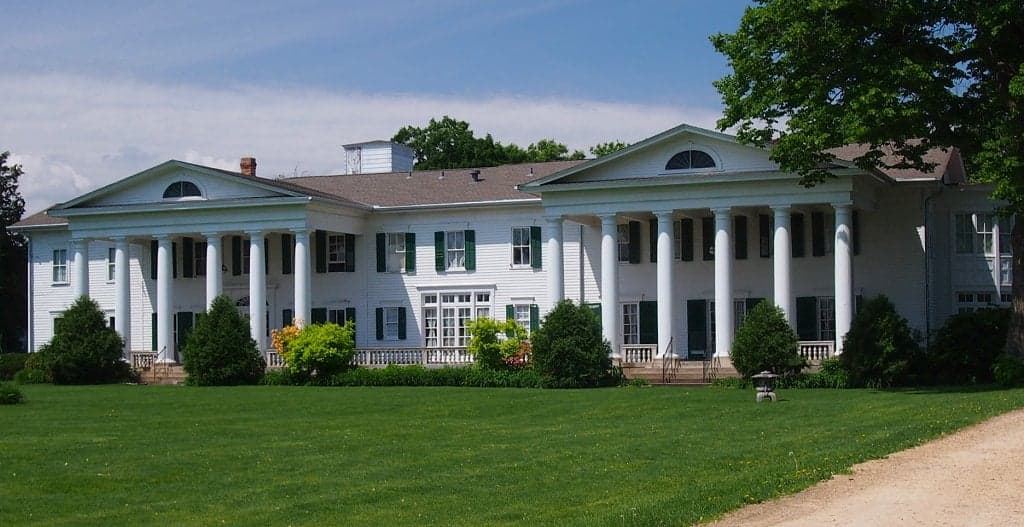
Photo: Wikipedia
Personal Sovereignty in Cottage Grove, MN
Viable for self-reliance. Generally workable, though some barriers may limit total independence.
What does Personal Sovereignty tell us?
Personal Sovereignty measures your capacity for self-reliance and independence with minimal government friction. Higher scores mean fewer barriers between you and the way you want to live... but it assumes you have the space you need and good neighbors.
What does this tell us?
Personal Sovereignty measures your capacity for self-reliance and independence with minimal government friction. Higher scores mean fewer barriers between you and the way you want to live... but it assumes you have the space you need and good neighbors.
State Policy
Energy independence: Importer (20% of energy produced in-state)
Personal Liberty
Homesteading

Personal Liberty Analysis
Cottage Grove, Minnesota, offers a mixed bag for those prioritizing personal sovereignty, where a strong local community ethos and relatively low crime rates are counterbalanced by a state-level political environment that increasingly favors expanded government authority. For the survivalist or prepper-minded individual, the city provides a decent foundation for self-reliance, but it requires a clear-eyed understanding of the legal and regulatory landscape that can constrain autonomy. The key is recognizing that while day-to-day life in Cottage Grove can feel free and independent, the long-term trajectory of state policy warrants careful consideration, especially for those who value minimal government interference in their personal and family decisions.
Tax burden and regulatory posture in Washington County
Minnesota's overall tax burden is among the highest in the nation, and Cottage Grove residents feel this directly. Property taxes in Washington County are significant, and the state's progressive income tax system can take a substantial bite out of earnings, particularly for those who are self-employed or running a small business—common paths for those seeking financial independence. The regulatory environment is also notable. Minnesota has a robust state-level building code, environmental regulations, and licensing requirements that can feel intrusive to someone accustomed to more laissez-faire states. For example, the Minnesota Pollution Control Agency has broad authority over land use and water resources, which can complicate projects like digging a well or building a pond on your property. While Cottage Grove itself is not as aggressively regulatory as Minneapolis or St. Paul, it operates under the thumb of state mandates, meaning local flexibility is limited. The state's permitting processes for construction, septic systems, and even certain home-based businesses can be time-consuming and costly, a clear friction point for anyone wanting to build or modify their property without bureaucratic delays.
Self-defense rights and Minnesota gun law specifics
For the prepper, the right to keep and bear arms is non-negotiable, and here Minnesota presents a mixed picture. The state is a "shall-issue" for permits to carry a pistol, meaning that as long as you meet the requirements (training, background check, fee), the county sheriff must issue the permit. This is a positive. However, the state has a permit-to-purchase requirement for handguns and "assault weapons," and private sales of handguns require a background check through a licensed dealer. In 2023, Minnesota enacted a "red flag" law (Extreme Risk Protection Order), which allows law enforcement or family members to petition a court to temporarily remove firearms from someone deemed a risk. This is a significant concern for those who view such laws as a potential tool for government overreach, as it bypasses traditional due process. Furthermore, open carry is legal with a permit, but local ordinances can restrict carrying in certain public places. For the survivalist, the legal landscape means you can defend your home and carry concealed, but the state has created mechanisms that could be used to disarm law-abiding citizens under subjective criteria. There is no state preemption for all firearm laws, meaning cities can enact their own restrictions, though Cottage Grove has not been aggressive in this area.
Self-reliance and homesteading viability: lot sizes, zoning, and off-grid feasibility
Cottage Grove is a suburban city, and this directly impacts homesteading potential. Most residential lots are standard suburban sizes—typically one-quarter to one-third of an acre. This severely limits the ability to raise livestock, maintain a large garden, or engage in serious food production. Zoning regulations are strict: keeping chickens is often allowed with a permit, but larger animals like goats or pigs are generally prohibited in residential zones. Off-grid living is essentially impossible within city limits. The city requires connection to municipal water and sewer systems, and building codes mandate grid-tied electrical service. Solar panels are allowed, but net metering rules and permitting add complexity. For true self-reliance—think a well, septic, wood heat, and a large garden—you would need to look outside Cottage Grove, into the more rural townships of Washington County or further east into Wisconsin. The city's suburban character is designed for commuters, not homesteaders. However, the presence of large parks and the Mississippi River corridor does offer opportunities for foraging, fishing, and hunting (with proper licenses), providing some supplemental self-reliance options for the resourceful individual.
Personal liberties: parental rights, medical autonomy, speech, and property
This is where the tension between local culture and state policy is most acute. Minnesota has strong state-level mandates on education, including standardized testing and curriculum requirements. Parental rights in education have become a flashpoint, with the state government generally favoring school board and teacher authority over parental opt-outs or control over materials. School choice exists through charter schools and open enrollment, but funding follows the student, and the state Department of Education has significant oversight. Medical autonomy is heavily restricted. Minnesota has a state-run health insurance exchange, vaccine mandates for school attendance (with limited exemptions), and a powerful state health department. During the pandemic, the state imposed extended emergency powers, which many viewed as an overreach. For those who prioritize medical freedom, this is a major negative. Free speech is protected under the First Amendment, but the state has laws against "disorderly conduct" and "harassment" that can be broadly interpreted. Property rights are generally respected, but as noted, zoning and environmental regulations are extensive. The state's "eminent domain" authority is not particularly aggressive, but the regulatory burden can effectively reduce the value and use of your land. Overall, the state government in St. Paul is seen by many conservatives as actively working to reduce local control and individual autonomy, making Cottage Grove a place where you must be vigilant and engaged to protect your liberties.
In the broader landscape of personal sovereignty, Cottage Grove offers a decent baseline but is not a haven. Compared to states like Texas, Idaho, or New Hampshire, Minnesota's tax burden, gun laws, and regulatory posture are significantly more restrictive. Compared to neighboring Wisconsin, Minnesota is notably more progressive and interventionist. For the survivalist or prepper, Cottage Grove is a location where you can build a comfortable, safe life with good community ties, but you will be constantly navigating a state-level system that does not share your values of maximum personal freedom. The smart move here is to be prepared, stay informed on local and state politics, and consider whether the suburban convenience is worth the trade-offs in autonomy. If your priority is absolute sovereignty, look elsewhere. If you need a stable, low-crime base within commuting distance of the Twin Cities and are willing to fight for your rights at the ballot box and in your daily life, Cottage Grove can work—but it demands constant awareness and engagement.

* Values derived from national, state, county, city and local statistics and may differ in a specific area. Last updated: 2026-04-24T11:30:39.000Z
Narrative content on this page is AI-generated and may contain mistakes. Verify any details that matter before acting on them.
ReloMaps may earn a commission from affiliate links at no extra cost to you.

