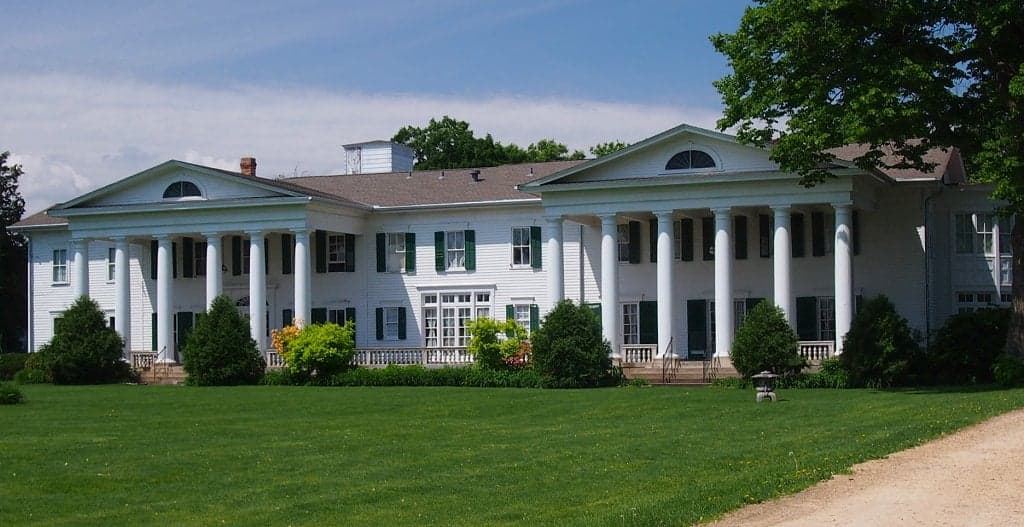
Photo: Wikipedia
Political ClimatePolitical Climate in Cottage Grove, MN
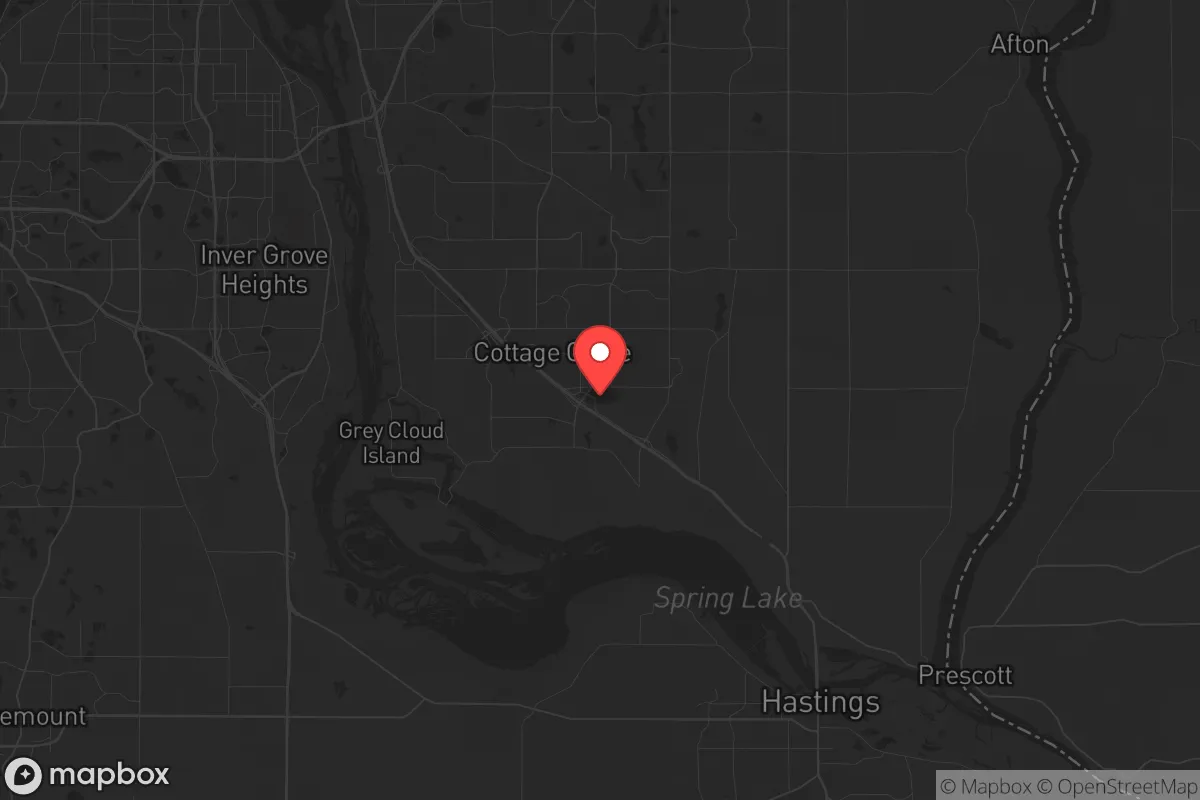
District shown is the primary district for this city’s centroid. Cities may span multiple districts.
Local Political AnalysisPolitical Analysis of Cottage Grove, MN
Cottage Grove, Minnesota, sits in a political landscape that’s shifted noticeably over the past decade. While the area’s Cook PVI of D+3 might suggest a solidly blue suburb, the reality on the ground is more nuanced—and frankly, a bit concerning for those of us who value limited government and personal freedoms. This isn’t a deep-red stronghold like nearby Hastings or a reliably conservative exurb like New Prague; instead, it’s a community that’s been trending leftward, especially since the 2020 election cycle. If you’re a conservative considering a move here, you’ll want to understand how the local politics play out in daily life, from school board decisions to property taxes.
How it compares
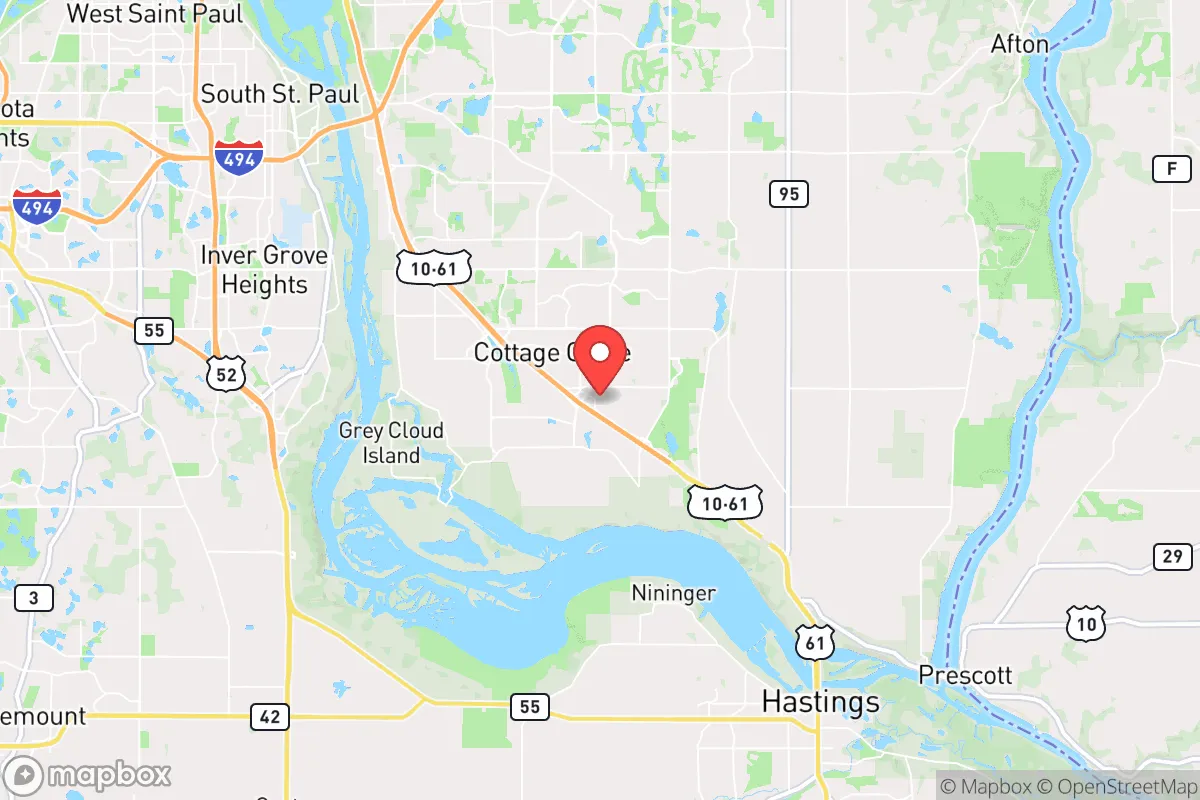
To get a real feel for Cottage Grove’s political temperature, you have to look at its neighbors. Head west into St. Paul Park or Newport, and you’ll find working-class areas that still lean more moderate, though they’re also feeling the progressive pull from the metro. Drive south to Hastings, and you’re in a county that voted for Trump by a solid margin in 2020—a stark contrast to Cottage Grove’s D+3 rating. The real eye-opener is comparing Cottage Grove to Woodbury, just to the north. Woodbury is a progressive stronghold, with high taxes and a local government that’s embraced everything from diversity, equity, and inclusion initiatives to stricter zoning that limits property rights. Cottage Grove isn’t there yet, but it’s heading in that direction. The city council has passed resolutions on climate action and supported regional transit projects that many locals see as overreach, especially when they come with higher levies or mandates on homeowners.
What this means for residents
For those of us who’ve lived here a while, the biggest red flag is the slow creep of government into areas that used to be left to families and neighborhoods. School board meetings have become battlegrounds over curriculum transparency and parental rights, with progressive members pushing for policies that limit what parents can opt their kids out of. Property taxes have climbed steadily, funding things like bike lanes and “equity” programs that don’t always reflect the values of the people footing the bill. If you value the Second Amendment, you’ll notice that Cottage Grove’s local ordinances are more restrictive than in surrounding towns—things like discharge bans and storage requirements that feel like a foot in the door for broader gun control. The city’s planning department has also gotten more aggressive with code enforcement, from lawn length to home-based business regulations, which chips away at the freedom to use your property as you see fit.
What daily life is like for families
Despite these trends, Cottage Grove still has a lot going for it if you’re willing to stay engaged. The schools are decent, and the parks are well-maintained, but you’ll need to keep an eye on the local ballot measures and school board elections. Many long-time residents have started organizing informal groups to push back against new tax levies and zoning changes that favor density over single-family homes. The community is still friendly and neighborly, but there’s an undercurrent of frustration that the city government doesn’t always listen to the people who’ve been here for decades. If you’re looking for a place where you can live quietly and keep the government out of your business, Cottage Grove is a mixed bag—you’ll have to work to protect that lifestyle, but it’s not gone yet. Just don’t expect it to stay that way without some effort.

State Political ClimatePolitical Climate in Minnesota
State Political AnalysisPolitical Environment in the State
Minnesota has shifted from a classic purple battleground to a reliably blue state over the past two decades, with Democrats now controlling the governorship, both legislative chambers, and the entire federal delegation. The state voted for Hillary Clinton by 1.5 points in 2016, Joe Biden by 7 points in 2020, and Kamala Harris by 4 points in 2024, but that top-line number hides a dramatic geographic sorting that has left conservatives concentrated in Greater Minnesota while the Twin Cities metro dominates state politics. For a conservative considering relocation, the reality is that Minnesota’s statewide trajectory is increasingly progressive, but there are still pockets where traditional values and limited-government principles hold strong.
Urban vs. rural divide
The political map of Minnesota is a tale of two worlds. The Twin Cities metro — Hennepin, Ramsey, and Washington counties — generates roughly 55% of the state’s vote and leans heavily Democratic, with Minneapolis and St. Paul delivering margins of 80% or more for Democratic candidates. The suburban ring is where the real action is: Scott County, once a reliable Republican stronghold, flipped to Biden in 2020 and stayed blue in 2024, while Carver County remains one of the last GOP-held suburban counties, voting for Trump by about 8 points in 2024. Outside the metro, the picture is starkly different. Greater Minnesota — the vast expanse of farmland, small towns, and the Iron Range — has moved sharply right. St. Louis County (Duluth) is a Democratic holdout, but counties like Otter Tail, Stearns (St. Cloud), and Blue Earth (Mankato) are now solidly Republican. The Iron Range itself, once a union-Democratic bastion, has flipped hard: Itasca County voted for Trump by 18 points in 2024, up from 12 in 2020. The divide isn’t just rural vs. urban — it’s a cultural chasm between the metro’s progressive consensus and the rest of the state’s conservative instincts.
Policy environment
Minnesota’s policy environment has become a laboratory for progressive governance since Democrats took full control in 2023. The state now has a progressive income tax with a top rate of 9.85% on income over $190,000, one of the highest in the nation. Property taxes are locally set but generally moderate, though recent legislation allowed cities to impose rent control, which has chilled new construction. The regulatory posture is heavy: Minnesota adopted California-style emissions standards, mandated paid family leave (up to 20 weeks), and passed a $15 minimum wage that is now indexed to inflation. On education, the state spends over $17,000 per student, among the highest nationally, but parental rights have eroded — the 2023 Trans Refuge Act made Minnesota a sanctuary for gender-affirming care for minors, overriding parental consent laws from other states. Election laws have also tightened: Minnesota now has automatic voter registration, same-day registration, and no-excuse absentee voting, which critics argue weakens ballot integrity. For a conservative, the policy environment feels increasingly hostile to traditional values and fiscal restraint.
Trajectory & freedom
Minnesota is clearly moving in the direction of less personal freedom across multiple dimensions. The 2023 legislative session was a watershed: Democrats passed the PRO Act, which eliminated right-to-work protections and made union organizing easier; the Clean Car Act, which bans the sale of new gas-powered cars by 2035; and the Reproductive Freedom Defense Act, which codified abortion rights and removed nearly all restrictions. On gun rights, Minnesota has universal background checks, a red-flag law, and a waiting period for handgun purchases — and in 2024, Democrats introduced a bill to ban many semi-automatic rifles, though it stalled. Parental rights took a hit with the Trans Refuge Act, which allows out-of-state minors to receive gender-affirming care without parental notification. On the positive side for conservatives, property rights remain relatively strong — no statewide zoning overhaul has passed — and there is no state income tax on Social Security benefits. But the overall trajectory is concerning: the state’s Tax Foundation business tax climate rank has slipped to 44th, and the American Legislative Exchange Council’s Rich States, Poor States report ranks Minnesota 47th in economic outlook. The freedom index from the Cato Institute places Minnesota in the bottom third of states.
Civil unrest & political movements
Minnesota has been a flashpoint for civil unrest since the murder of George Floyd in 2020, which sparked riots in Minneapolis that caused over $500 million in property damage. The aftermath saw a dramatic shift in policing: the Minneapolis City Council attempted to defund the police, and while that effort failed, the department has struggled to retain officers, with staffing down 30% from 2020. The state’s sanctuary policies are another flashpoint — Minnesota bars local law enforcement from cooperating with federal immigration authorities in most cases, and the 2023 Driver’s Licenses for All law grants licenses regardless of immigration status. On the right, the Minnesota Gun Owners Caucus and the Minnesota Family Council are active, but they’ve been largely outgunned by progressive groups like TakeAction Minnesota and the SEIU. Election integrity remains a hot-button issue: the 2020 election saw a massive expansion of mail-in voting, and while no widespread fraud was proven, the 2023 Restore the Vote Act restored voting rights to felons on parole, which critics say dilutes election security. The Greater Minnesota secession movement, while fringe, has gained some traction online, with activists calling for a separate state called “North Star” that would break away from the metro’s progressive dominance.
Projection
Over the next 5-10 years, Minnesota is likely to become more progressive, not less. Demographic trends favor Democrats: the Twin Cities metro is growing while Greater Minnesota is stagnant or shrinking, and the state’s immigrant population — concentrated in the metro — is expanding rapidly. In-migration patterns are mixed: the state is losing residents to Florida, Texas, and the Dakotas, but gaining from Illinois and California, which tends to reinforce the progressive tilt. The 2026 gubernatorial election will be a key test — if Democrats hold the governorship, expect more of the same: a push for a carbon-free grid by 2040, a public option for health insurance, and further erosion of parental rights. If a Republican wins, the trajectory could slow, but the legislative map is heavily gerrymandered in favor of Democrats in the metro, making a full reversal unlikely. For a conservative moving in now, the realistic expectation is that Minnesota will continue to feel like a blue state with red islands — places like Rochester, St. Cloud, and Mankato will remain conservative-friendly, but statewide policy will keep moving left.
For a conservative considering Minnesota, the bottom line is this: you can find a good life here in the right county, but you’ll be swimming against a statewide current that is increasingly hostile to your values. The taxes are high, the regulations are thick, and the cultural momentum is progressive. If you’re looking for a state where your vote will matter and your freedoms are expanding, look to the Dakotas or the South. But if you have family ties, a job, or a specific community you love — like the lakeside towns of Brainerd or the farm country of Worthington — you can still carve out a conservative life here, just know that the political winds are blowing the other way.
* Values derived from national, state, county, city and local statistics and may differ in a specific area. Last updated: 2026-04-24T11:30:39.000Z
Narrative content on this page is AI-generated and may contain mistakes. Verify any details that matter before acting on them.
ReloMaps may earn a commission from affiliate links at no extra cost to you.

