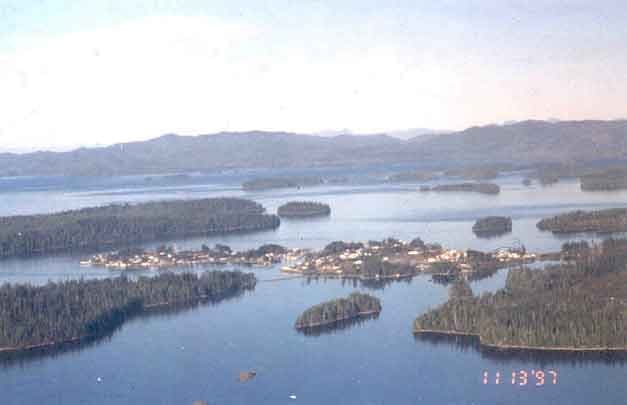
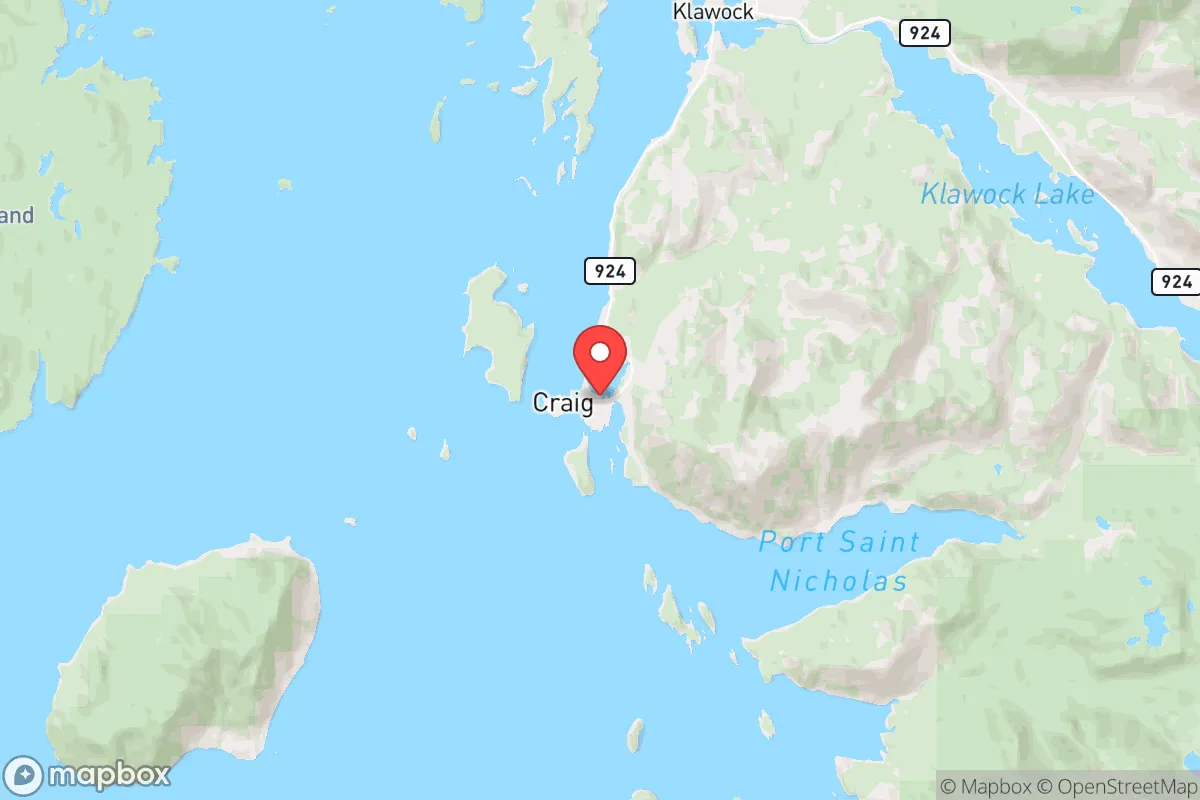
Photo: Wikipedia
Quality of Life in Craig, AK
A high quality of life with strong walkability, manageable living costs, healthy neighborhood signals, and solid amenity access.
What does Quality of Life tell us?
Quality of Life blends cost of living, nearby amenities, socioeconomic signals, and neighborhood character. City-level scores represent the whole municipality; individual neighborhoods can differ.
What does this tell us?
Quality of Life blends cost of living, nearby amenities, socioeconomic signals, and neighborhood character. City-level scores represent the whole municipality; individual neighborhoods can differ.
Cost of Living
6% below national average
The Real Cost of Living in Craig, AK for 2026
| Tier | Individual | Family (4) |
|---|---|---|
| Survival | $18k | $34k |
| Comfortable | $47k | $70k |
| Luxury | $103k+ | $159k+ |
| Elite (Top 5%) | $121k+ | $187k+ |
97%
The Area Signal
A metric tracking the socioeconomic signals of the area.


Limited data for this area
Limited data for this area
Hobbies
Explore the areaGroceries
3 within 10 miles
Gas
0 within 10 miles
Hospital
1 within 20 miles
Airport
Craig Seaplane Base
Post Office
USPS — Craig, AK
Critical Amenities
Quality-of-Life Analysis
Craig, Alaska, offers a quality of life defined by its remote coastal setting and tight-knit community, with a cost of living slightly below the national average that attracts a mix of commercial fishermen, government employees, and outdoor enthusiasts. The town's population of roughly 1,000 residents is notably stable, with many families having lived in the area for generations, and a median age around 40 reflecting a mature workforce rather than a transient one. Affluence here is modest compared to urban Alaska—median household income hovers near $55,000—but the community's wealth is measured in self-reliance, access to world-class fishing, and a low-stress daily pace.
Cost of living, housing, and how Craig compares to nearby towns
Craig's overall cost of living index stands at 94, meaning day-to-day expenses are about 6% cheaper than the U.S. average, a notable advantage in Southeast Alaska where many remote communities carry steep premiums. The median home value of $244,400 is significantly lower than in Juneau ($380,000) or Ketchikan ($320,000), making Craig one of the more affordable places to buy property on the Panhandle. Renters also benefit, with a median rent of $1,142—roughly $200 less per month than in Ketchikan. However, groceries and utilities run about 15–20% higher than the national average due to shipping costs, so the housing savings are partially offset by higher everyday essentials. The average commute of just 19.5 minutes is a major quality-of-life perk, as most residents live within a short drive of work, school, and the harbor, eliminating the long, costly drives common in Anchorage or Fairbanks.
What daily life is like: schools, amenities, and community rhythm
Daily life in Craig revolves around the harbor, the school, and a handful of local businesses. The Craig School District serves roughly 200 students from pre-K through 12th grade, with a student-to-teacher ratio of about 12:1, allowing for personalized instruction that families cite as a key draw. Amenities are sparse but functional: a grocery store, a hardware store, a medical clinic, a post office, and a few restaurants and bars. For more specialized shopping or medical care, residents make the 90-minute ferry or plane trip to Ketchikan. The community's rhythm is dictated by the seasons—summer brings a flurry of fishing activity and tourism, while winter is quiet, with residents relying on hunting, trapping, and community events like the annual King Salmon Derby. Internet access is improving but remains slower and less reliable than in urban areas, which can be a challenge for remote workers.
Craig is best suited for self-sufficient individuals and families who prioritize outdoor recreation, community connection, and a slower pace over urban conveniences. Commercial fishermen, marine biologists, and remote workers who can tolerate limited connectivity will find the low housing costs and short commutes a strong trade-off. Those accustomed to big-city shopping, dining, or cultural events will likely feel isolated, but for anyone seeking a safe, affordable, and deeply rooted community on the edge of the Tongass National Forest, Craig delivers a quality of life that few other Alaskan towns can match.

Crime in Craig, AK
Lower crime rates than 78% of comparable U.S. locations.
Violent CrimeViolent Crime Analysis
Property CrimeProperty Crime Analysis
Crime Analysis
Craig, Alaska, presents a complex safety picture that diverges sharply from national averages. With a violent crime rate of 568.7 per 100,000 residents, the community faces a significantly higher risk of serious offenses compared to the U.S. median. Property crime, at 379.1 per 100,000, is notably lower than the national average, but the elevated violent crime rate is a primary concern for anyone considering relocation to this remote Prince of Wales Island community.
Crime in context
Craig's violent crime rate is more than double the national average, placing it in a higher-risk category than many other small Alaskan towns. This figure is driven by a combination of factors common to rural Southeast Alaska, including high rates of alcohol-related incidents and domestic violence. Property crime, conversely, is well below the national benchmark, suggesting that theft and burglary are less pervasive issues. However, the violent crime statistic is a critical data point, as it reflects a community where serious physical confrontations are more frequent than in most of the country. The 568.7 per 100,000 violent crime rate means residents face a roughly 1-in-176 chance of being a victim of a violent crime each year, a risk that demands careful consideration.
What residents experience
Daily life in Craig is shaped by the tension between its low property crime and its high violent crime. While residents may not worry as much about car break-ins or home burglaries, the threat of assault, robbery, or other violent acts is a tangible reality. The community's isolation, with limited road access and a small police force, can amplify the impact of these incidents. Alcohol abuse is a major contributing factor to the violent crime rate, with many offenses occurring in or near bars and during late-night hours. The local justice system, operating under Alaska state law, does not have the progressive prosecutorial policies seen in some urban areas, but the underlying social challenges remain significant drivers of crime. For families and individuals, this means being particularly vigilant about personal safety, especially in social settings, while generally feeling secure about their property.
Neighborhood-level variation in Craig is less pronounced than in larger cities, but some patterns exist. The waterfront area near the harbor and the main commercial strip see higher concentrations of public disorder and alcohol-related incidents. Residential areas further from the town center, such as those along the road to the airport, tend to be quieter and experience fewer violent crimes. Homes on the outskirts and in more secluded subdivisions generally report lower crime rates, though the trade-off is reduced access to emergency services. Prospective residents should prioritize visiting different parts of town and speaking with local law enforcement to get a granular sense of safety in specific blocks or neighborhoods before committing to a move.
* Values derived from national, state, county, city and local statistics and may differ in a specific area. Last updated: 2026-04-19T19:17:13.000Z
Narrative content on this page is AI-generated and may contain mistakes. Verify any details that matter before acting on them.
ReloMaps may earn a commission from affiliate links at no extra cost to you.

