Photo: Wikipedia
Strategic Assessment of Craig, AK
Strong survivability profile. Good buffer from population centers, with manageable environmental and tactical risks.
What does the Strategic Assessment tell us?
Our Strategic Assessment grades tactical survivability of an area. Major population centers, military targets, fallout zones, natural disasters, and border exposure all drive risk — lower exposure means a more defensible position in a crisis.
This is heavily inspired by Joel Skousen's Strategic Relocation book. Highly recommended you checkout the book ($)What does this tell us?
Our Strategic Assessment grades tactical survivability of an area. Major population centers, military targets, fallout zones, natural disasters, and border exposure all drive risk — lower exposure means a more defensible position in a crisis.
This is heavily inspired by Joel Skousen's Strategic Relocation book. Highly recommended you checkout the book ($)Strategic Pillars

Key Distances
Regional Safe Places
Below is our recommended "safe zones" in Alaska and the surrounding area based on our strategic heuristics. For most people, it's unrealistic to live in a “safe zone” full-time due to work, family or other personal reasons. They tend to be more rural. However, many of these areas are perfect for second homes and retreat properties that double as a vacation home or even a short-term rental.
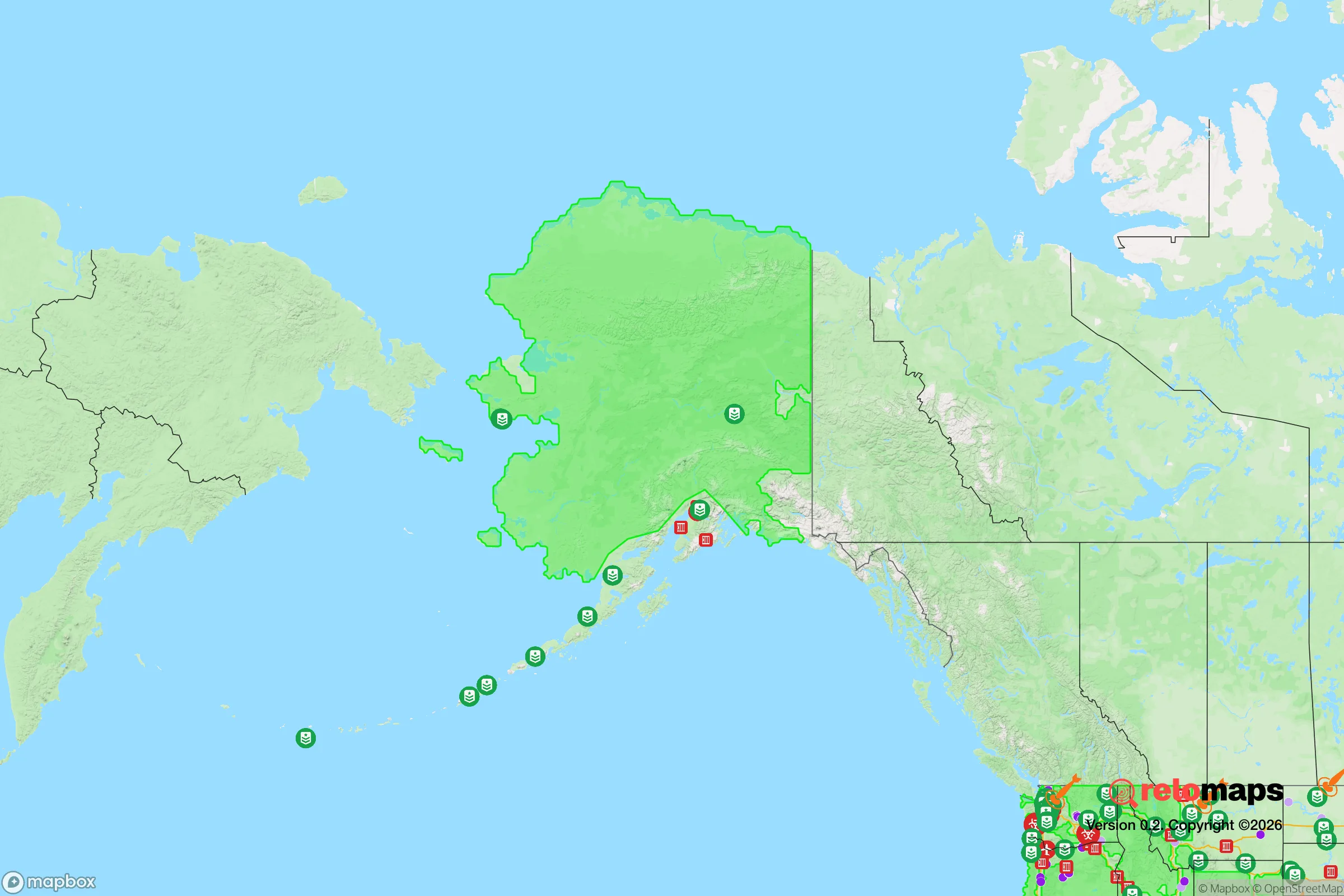
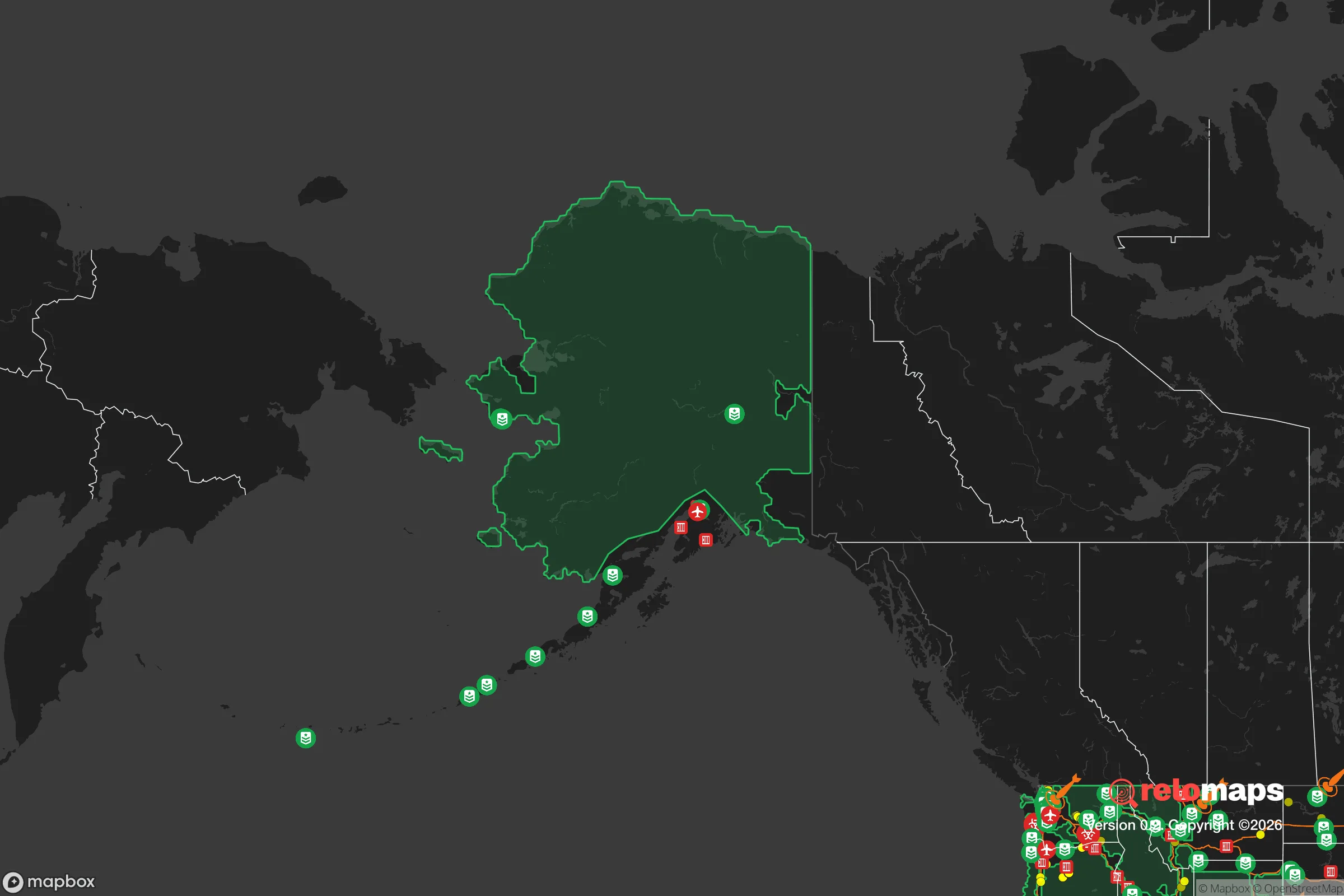


Important Note: For informational purposes only. This does not mean nothing bad ever happens in the green zones. Please use common sense. This is based on public data and modeled with AI. We tried to take a conservative approach but mistakes happen. We update this regularly as new information becomes available.
Solar Generator Recommendations
Backup power matters more here than in safer locations. We've picked three solar generators across budgets and capacity tiers — start with the budget unit if you only need a few essentials, or step up if you want to run a fridge and HVAC for days at a time.

Jackery Portable Power Station Explorer 300
Budget OptionPower on the Go: Weighing only 11 lbs, it's convenient to set up and store with book-sized foldable solar panels

BLUETTI Portable Power Station AC180
Designed for both indoor and outdoor scenarios, AC180 is highly capable as it has a robost capacity and continuous output power.

EF ECOFLOW DELTA Pro Ultra Power Station
Upgraded PickEcoFlow DELTA Pro Ultra is a whole-home energy system designed to grow with your family. Integrated with the Smart Home Panel 2, it scales to meet your evolving energy needs — keeping your home powered, intelligent, and secure through every stage of life.
We earn a commission, at no additional cost to you.
Strategic Assessment Analysis
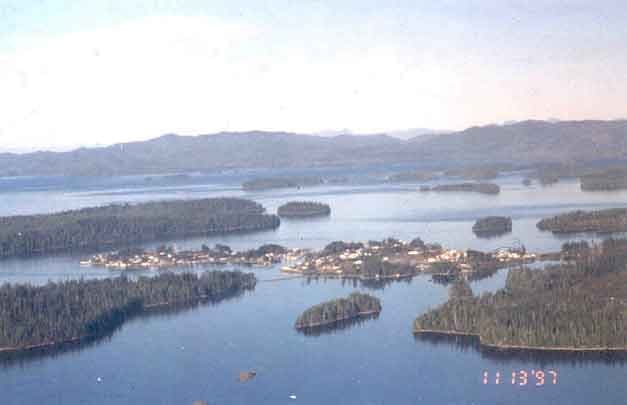
Craig, Alaska, offers a strategic relocation option for those prioritizing resilience and distance from the vulnerabilities of the Lower 48. Situated on the western coast of Prince of Wales Island in the Alexander Archipelago, this remote fishing community of roughly 1,200 people provides a level of isolation that is increasingly rare and valuable. Its location—accessible only by air or sea—creates a natural buffer against the cascading failures that can ripple through interconnected urban centers, making it a serious consideration for individuals and families focused on long-term preparedness and self-sufficiency.
Geographic position and natural advantages for long-term security
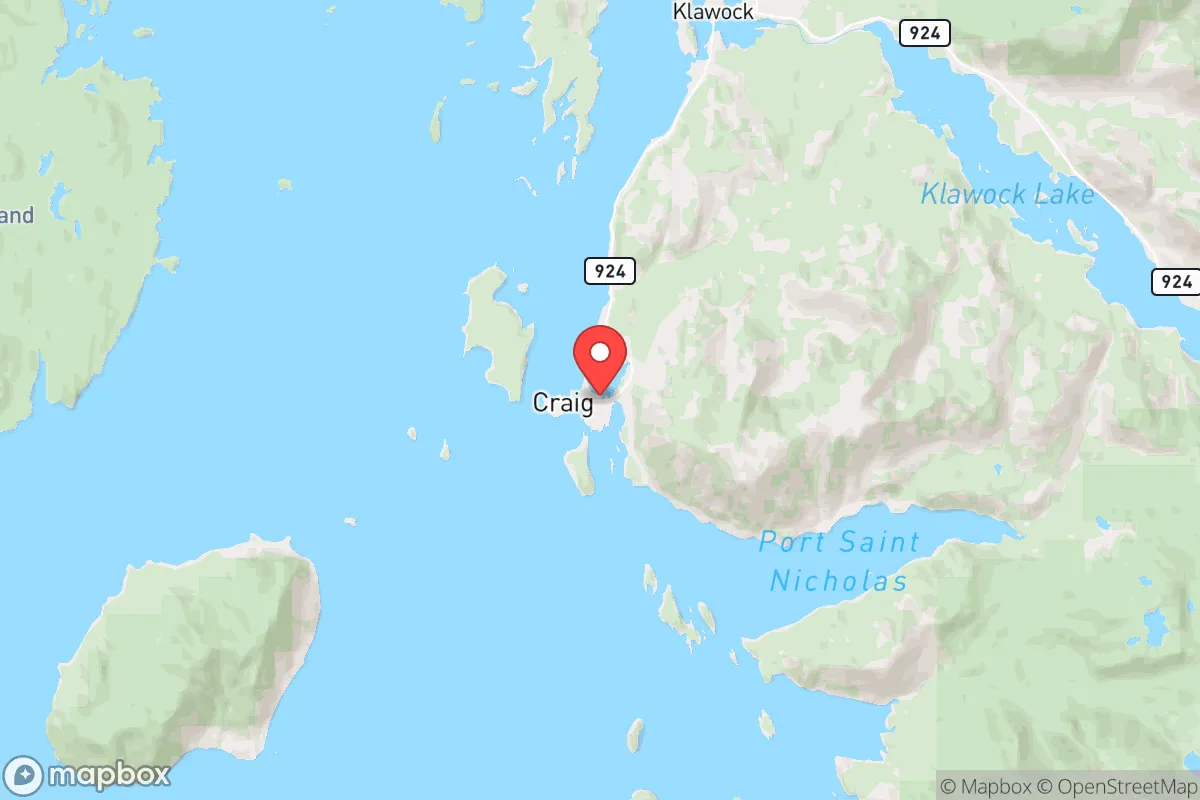
Craig’s geographic isolation is its primary strategic asset. The nearest major city, Ketchikan, is 70 miles southeast by boat or floatplane, and the mainland is even farther. This distance from any population center of significant size means that Craig is unlikely to be a target for civil unrest, resource-driven conflict, or the fallout from a mass casualty event in a major metropolitan area. The surrounding Tongass National Forest provides a vast, low-density buffer of temperate rainforest, offering both cover and resources. The island’s terrain—rugged, heavily forested, and with limited road infrastructure—makes it inherently defensible. Access points are few: the main harbor, the airport (a small airstrip serving floatplanes and wheeled aircraft), and the ferry terminal. These chokepoints can be monitored or controlled by a small, organized community. The maritime climate, while wet (over 150 inches of rain annually), ensures a reliable freshwater supply from numerous streams and lakes, and the moderate temperatures—rarely below freezing or above 70°F—reduce the survival stress of extreme weather. For a relocator thinking in terms of decades, not years, this environment supports sustainable living without the harsh winters that challenge interior Alaska.
Risks, exposures, and proximity to fallout-relevant landmarks
No location is without risk, and Craig has specific exposures that must be weighed. The most immediate concern is its dependence on marine transportation for nearly all supplies—fuel, medical equipment, ammunition, and bulk food. A disruption to the Alaska Marine Highway System or the barge service from Seattle would create a supply chain bottleneck within weeks. The community’s single grocery store, a small clinic (not a hospital), and limited fuel storage mean that a major event could strain local resources quickly. Regarding fallout-relevant landmarks, Craig is far from any obvious target. The nearest military installation is Coast Guard Air Station Sitka, about 140 miles north, and the nearest major population center with strategic value is Anchorage, over 600 miles away. There are no nuclear power plants, major military bases, or large industrial facilities within a 200-mile radius. However, the region’s economy is heavily tied to commercial fishing and tourism, which means seasonal influxes of outsiders—fishing crews, cruise ship passengers (though less frequent than in Ketchikan), and hunters. A savvy relocator should consider that a sudden collapse could strand these transient populations, creating temporary resource pressure. The primary natural risk is seismic activity: the region sits in a subduction zone, and a major earthquake could trigger a tsunami. Craig’s harbor is partially sheltered, but low-lying coastal areas are vulnerable. The 1964 Good Friday earthquake generated a tsunami that caused damage in the area, though the island’s geography provides some protection compared to open-ocean communities.
Practical resilience for a relocator: food, water, energy, and defensibility
For the serious prepper, Craig offers a strong foundation for self-reliance. Food security is excellent: the surrounding waters are rich in salmon, halibut, crab, and shrimp, and the forest provides deer, bear, and edible plants. Year-round fishing is viable with a skiff and basic gear, and many residents supplement with small gardens (though the short growing season and acidic soil require raised beds or greenhouses). Water is abundant: the island’s high rainfall feeds numerous streams and lakes, and most homes use well water or municipal systems sourced from local reservoirs. A simple rainwater catchment system can provide a household’s needs with minimal infrastructure. Energy is the weak link: Craig’s power comes from diesel generators, with some hydroelectric contribution from a small dam on the island. Fuel must be barged in, making the grid vulnerable to supply disruptions. A relocator should plan for off-grid solar or micro-hydro, though the heavy cloud cover reduces solar efficiency. Wood stoves are common for heating, and the forest provides ample fuel. Defensibility is high: the community is small and tight-knit, with a strong culture of mutual aid. Outsiders are noticed quickly. The limited road network—mostly unpaved logging roads—means that any approach by land is funneled through a few routes. The harbor and airstrip are the only practical entry points for large groups, and both can be observed from elevated positions. For a single individual or family, the ability to integrate into the community is critical; Craig is not a place for hermits. Building relationships with neighbors, learning to fish and hunt, and contributing to the local economy (fishing, guiding, or remote work via Starlink) are essential for long-term viability.
The overall strategic picture for Craig is one of high isolation with corresponding trade-offs. It offers a genuine escape from the vulnerabilities of urban and suburban America—no interstate highways, no major hospitals, no big-box stores, and no easy access for those who might pose a threat. The cost of entry is significant: land and housing are expensive due to limited supply, and the logistics of moving supplies and building materials are challenging. But for those who can make the leap, Craig provides a defensible, resource-rich environment where a prepared individual or family can achieve a high degree of self-sufficiency. The community’s small size and remote location mean that it will not be a hub for post-collapse recovery, but it is a strong candidate for a long-term survival node. The key is to arrive with skills, supplies, and a plan to integrate—not as a consumer, but as a producer. In a world where the reliability of systems is increasingly uncertain, Craig represents a hard but viable option for those serious about strategic relocation.

* Values derived from national, state, county, city and local statistics and may differ in a specific area. Last updated: 2026-04-19T19:17:13.000Z
Narrative content on this page is AI-generated and may contain mistakes. Verify any details that matter before acting on them.
ReloMaps may earn a commission from affiliate links at no extra cost to you.

