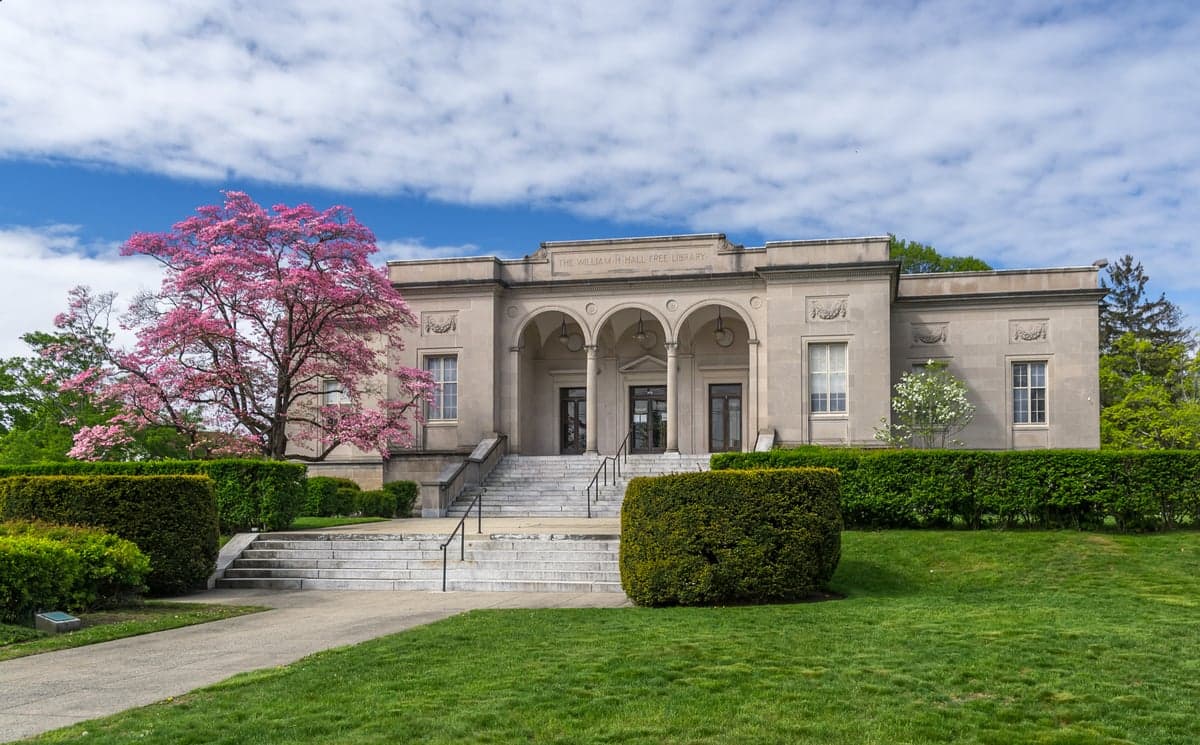
Photo: Wikipedia
Quality of Life in Cranston, RI
A high quality of life with strong walkability, manageable living costs, healthy neighborhood signals, and solid amenity access.
What does Quality of Life tell us?
Quality of Life blends cost of living, nearby amenities, socioeconomic signals, and neighborhood character. City-level scores represent the whole municipality; individual neighborhoods can differ.
What does this tell us?
Quality of Life blends cost of living, nearby amenities, socioeconomic signals, and neighborhood character. City-level scores represent the whole municipality; individual neighborhoods can differ.
Cost of Living
18% above national average
The Real Cost of Living in Cranston, RI for 2026
| Tier | Individual | Family (4) |
|---|---|---|
| Survival | $21k | $40k |
| Comfortable | $68k | $100k |
| Luxury | $141k+ | $218k+ |
| Elite (Top 5%) | $166k+ | $257k+ |
88%
The Area Signal
A metric tracking the socioeconomic signals of the area.
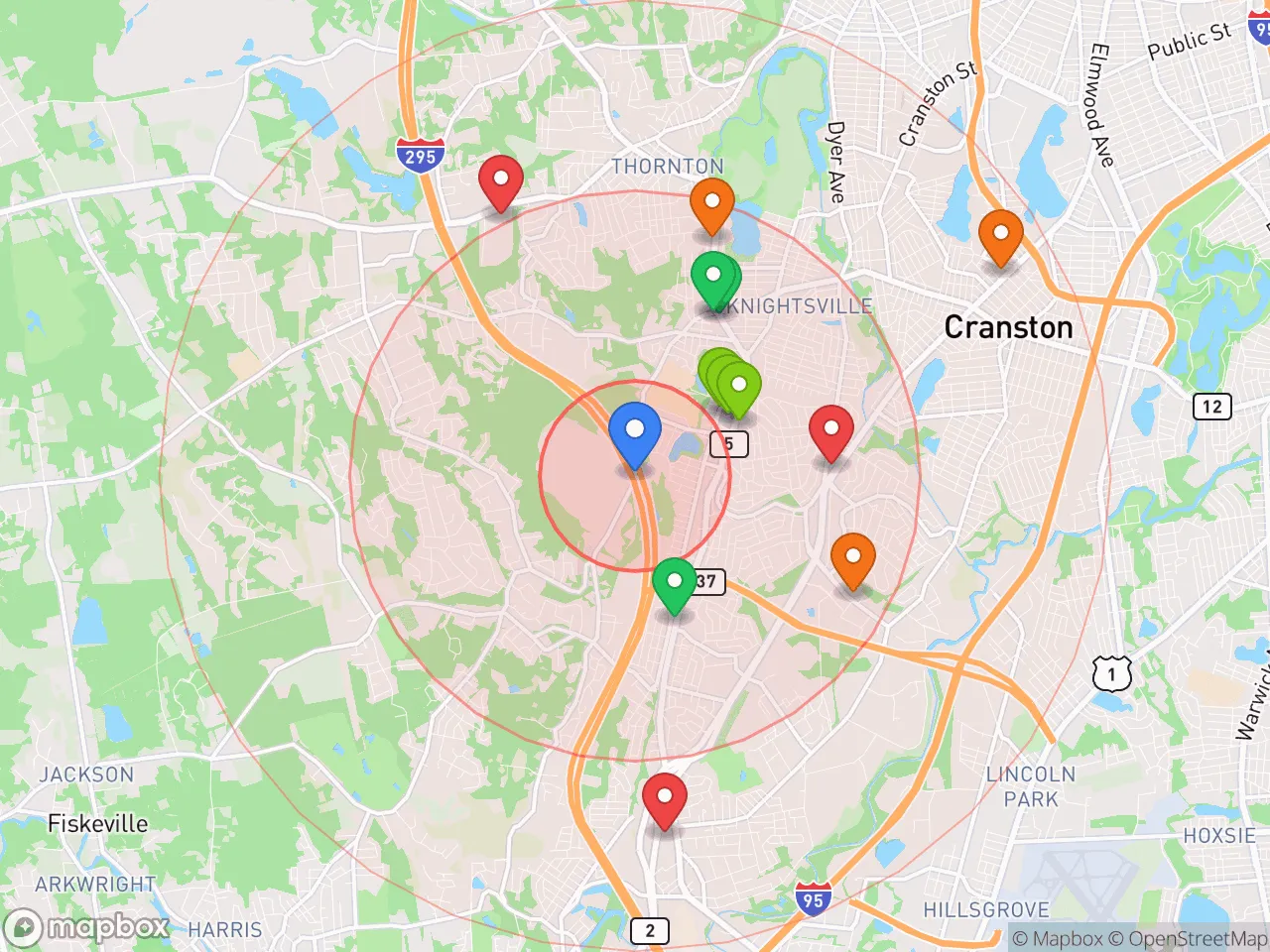
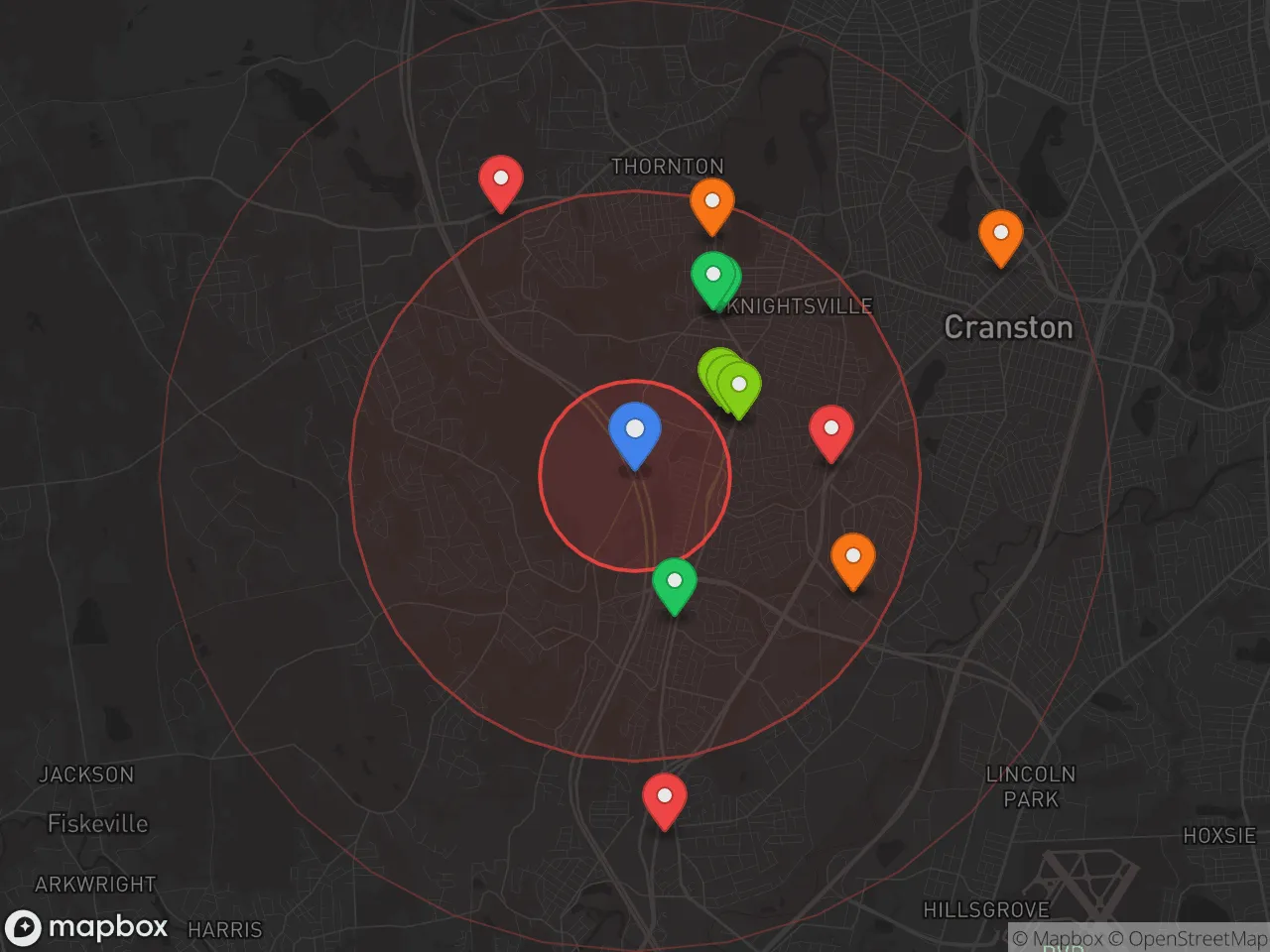
Hobbies
Explore the areaGroceries
8 within 10 miles
Gas
20 within 10 miles
Hospital
20 within 20 miles
Airport
JFK — John F. Kennedy International
Post Office
USPS — Cranston, RI
Critical Amenities
Quality-of-Life Analysis
Cranston, Rhode Island, presents a quality of life defined by solid middle-to-upper-middle-class stability, attracting a mix of young families, long-time Rhode Islanders, and professionals priced out of Providence’s core. With a cost of living index of 118 (18% above the U.S. average), the city offers a suburban feel with urban proximity, drawing residents who value good schools, lower crime than the state average, and a slower pace than nearby Providence. The typical resident is a homeowner, a commuter, or a parent prioritizing school districts, making Cranston a pragmatic choice for those seeking affordability relative to coastal New England without sacrificing access to a major metro area.
Cost of living, housing, and affordability compared to Providence and Warwick
Cranston’s housing market is the primary driver of its above-average cost of living, yet it remains notably cheaper than Providence. The median home value sits at $348,800, roughly $50,000 less than Providence’s median, while the median rent of $1,332 is about $200 lower than the capital’s average. This pricing positions Cranston as a value play for renters and buyers alike, especially when compared to coastal towns like Barrington or Newport, where median values exceed $500,000. The average commute of 23.8 minutes is manageable, with most residents driving to jobs in Providence (10–15 minutes via I-95) or to suburban employment hubs in Warwick and East Greenwich. Property taxes in Cranston hover around 1.4% of assessed value, slightly above the national average but in line with Rhode Island norms, and the city’s tax rate has remained stable in recent years, avoiding the sharp increases seen in some neighboring communities.
What daily life is like for families: schools, parks, and local amenities
Daily life in Cranston revolves around its strong public school system, which consistently ranks among the top in Rhode Island. The Cranston Public Schools district serves over 10,000 students, with high schools like Cranston High School East and West offering Advanced Placement programs and competitive sports. For younger children, the city’s 15 elementary schools feed into a well-regarded middle school network. Beyond academics, Cranston boasts over 30 parks, including the sprawling 200-acre Roger Williams Park (technically in Providence but bordering Cranston) and the popular Meshanticut State Park for hiking and fishing. The city’s commercial spine, Cranston Street and Park Avenue, is lined with chain retailers, local diners, and ethnic restaurants—particularly Italian and Portuguese—reflecting the area’s heritage. The Garden City Center, a mid-century shopping plaza, serves as a social hub with cafes, a movie theater, and seasonal events. Traffic on major arteries like Route 2 can be congested during peak hours, but the overall pace is relaxed compared to Providence’s downtown bustle.
Who thrives in Cranston? The city is ideal for families seeking a safe, school-focused environment with reasonable commutes to Providence or Boston (about 50 minutes by train from nearby Providence Station). Empty-nesters downsizing from larger homes also find value in Cranston’s ranch-style houses and condos. Young professionals may find the social scene limited compared to Providence’s nightlife, but the lower rent and proximity to the capital make it a practical base. Retirees on fixed incomes should note the above-average cost of living, though the city’s walkable neighborhoods and senior centers offer community. Ultimately, Cranston rewards those who prioritize stability, space, and schools over urban energy or coastal glamour.

Crime in Cranston, RI
Lower crime rates than 81% of comparable U.S. locations.
Violent CrimeViolent Crime Analysis
Property CrimeProperty Crime Analysis
Crime Analysis
Cranston, Rhode Island, reports a violent crime rate of 88.5 incidents per 100,000 residents and a property crime rate of 891 per 100,000, figures that place it below national averages for both categories. However, as a densely populated suburb within the Providence metropolitan area—a region influenced by progressive judicial policies—the overall safety picture requires a cautious interpretation. While raw numbers appear favorable, the local justice system's approach to prosecution and sentencing can directly affect how safe residents actually feel day-to-day.
Crime in context
Cranston's violent crime rate is roughly 75% lower than the U.S. national average, and its property crime rate sits about 40% below the national figure. These statistics compare favorably to nearby Providence, which reports significantly higher violent crime rates exceeding 500 per 100,000. Yet context matters: Rhode Island as a whole has adopted progressive criminal justice reforms, including bail reform laws and sentencing guidelines that prioritize diversion programs over incarceration. For Cranston residents, this means that even low reported crime rates may understate the risk of property theft and repeat offenses, as offenders arrested in Cranston often face reduced consequences through the state court system. Property crime, particularly motor vehicle theft and larceny, remains the more tangible concern for most households.
What residents experience
Daily life in Cranston involves typical suburban precautions: locking vehicles, securing packages, and being aware of occasional break-ins in residential neighborhoods. The city's property crime rate of 891 per 100,000 translates to roughly one property crime for every 112 residents annually, a ratio that demands vigilance but not alarm. Violent crime is rare and tends to be concentrated in specific circumstances—domestic incidents or disputes among known individuals—rather than random attacks on strangers. However, the broader metropolitan area's progressive district attorneys and judges have created a climate where repeat property offenders cycle through the system quickly. Residents report frustration with seeing the same individuals arrested for theft or vandalism only to be released on low bail or into pretrial supervision programs, undermining the deterrent effect of law enforcement efforts.
Neighborhood-level variation
Safety in Cranston varies noticeably by area. The western neighborhoods, such as Western Cranston and the Garden City commercial district, experience lower crime rates and benefit from active community policing and neighborhood watch programs. Eastern sections closer to the Providence border, including parts of Edgewood and the Oaklawn area, see higher property crime volumes due to easier access from the city and more transient populations. The city's police department maintains a visible presence, but residents in higher-density zones should consider additional security measures like exterior lighting and alarm systems. Overall, Cranston offers a relatively safe suburban environment, but the progressive judicial philosophy at the state level means that property crime prevention relies heavily on individual and community vigilance rather than on strict legal consequences for offenders.
* Values derived from national, state, county, city and local statistics and may differ in a specific area. Last updated: 2026-04-21T07:16:37.000Z
Narrative content on this page is AI-generated and may contain mistakes. Verify any details that matter before acting on them.
ReloMaps may earn a commission from affiliate links at no extra cost to you.

