Photo: Wikipedia
Quality of Life in Cumberland, MD
Above-average quality of iife. The area offers a reasonable cost of living, decent mobility, and a mix of neighborhood amenities.
What does Quality of Life tell us?
Quality of Life blends cost of living, nearby amenities, socioeconomic signals, and neighborhood character. City-level scores represent the whole municipality; individual neighborhoods can differ.
What does this tell us?
Quality of Life blends cost of living, nearby amenities, socioeconomic signals, and neighborhood character. City-level scores represent the whole municipality; individual neighborhoods can differ.
Cost of Living
45% below national average
The Real Cost of Living in Cumberland, MD for 2026
| Tier | Individual | Family (4) |
|---|---|---|
| Survival | $12k | $22k |
| Comfortable | $23k | $35k |
| Luxury | $86k+ | $134k+ |
| Elite (Top 5%) | $111k+ | $173k+ |
139%
The Area Signal
A metric tracking the socioeconomic signals of the area.
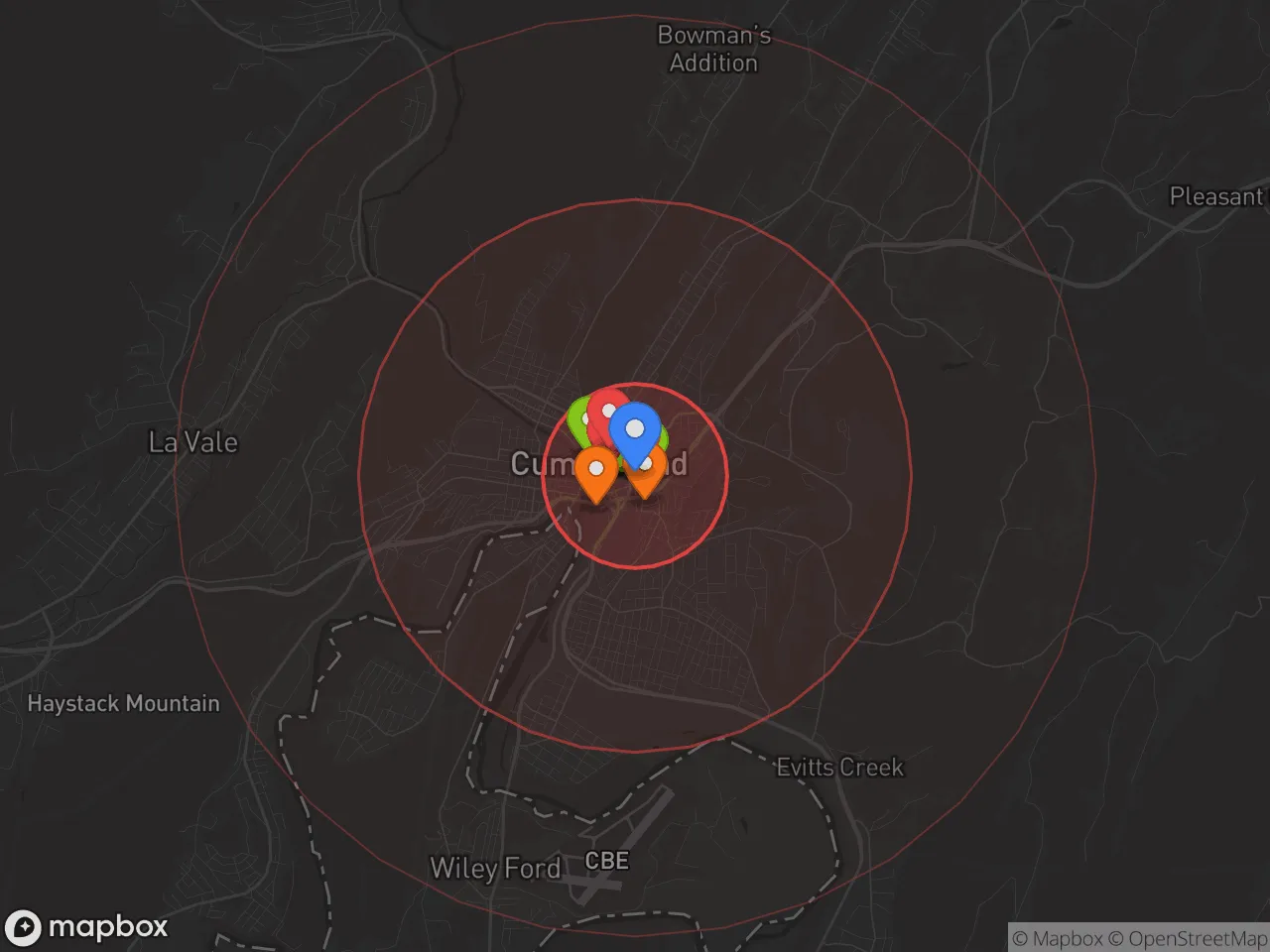
Hobbies
Explore the areaGroceries
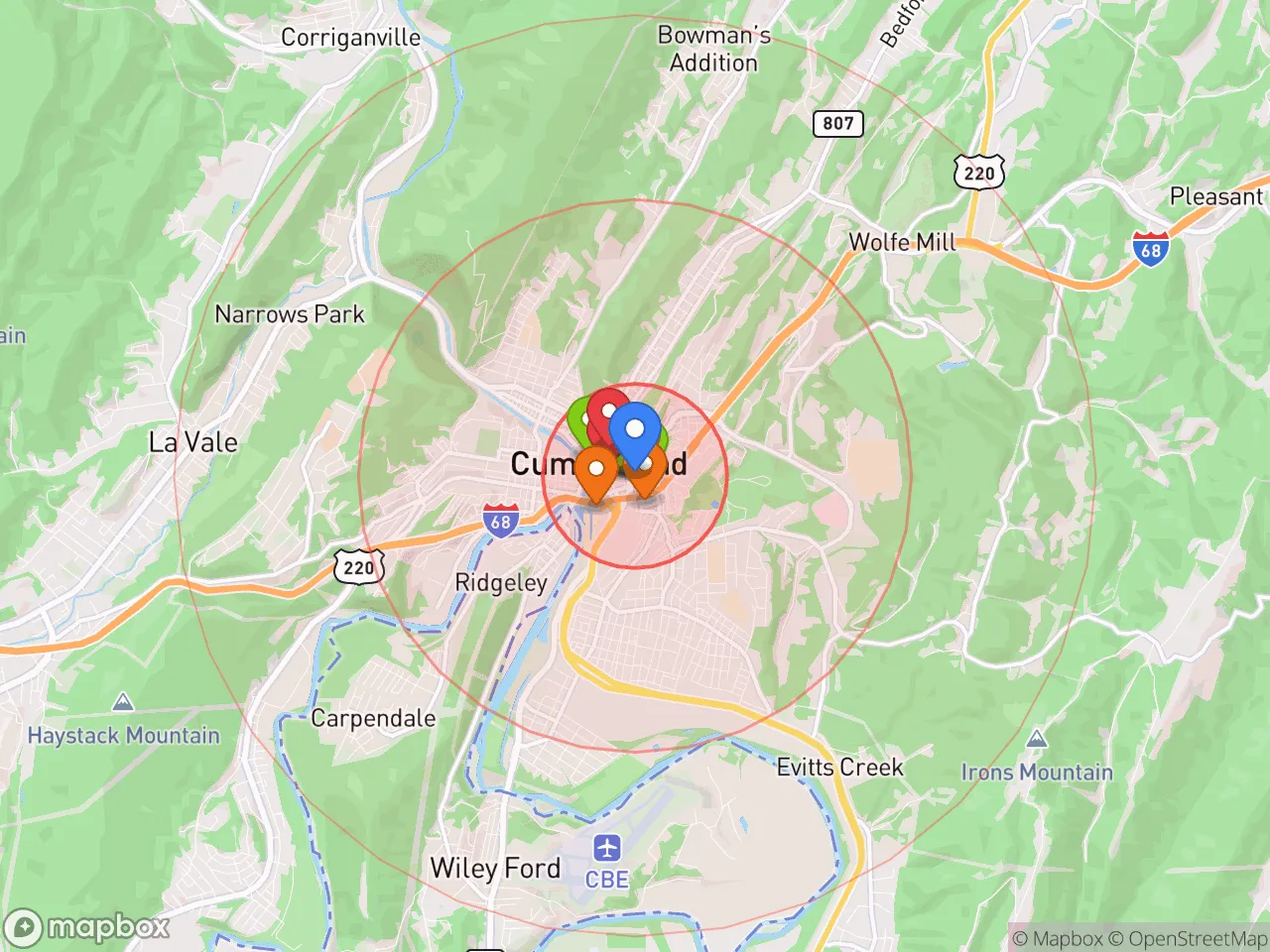
2 within 10 miles
Gas
20 within 10 miles
Hospital
4 within 20 miles
Airport
IAD — Washington Dulles International
Post Office
USPS — Cumberland, MD
Critical Amenities
Quality-of-Life Analysis
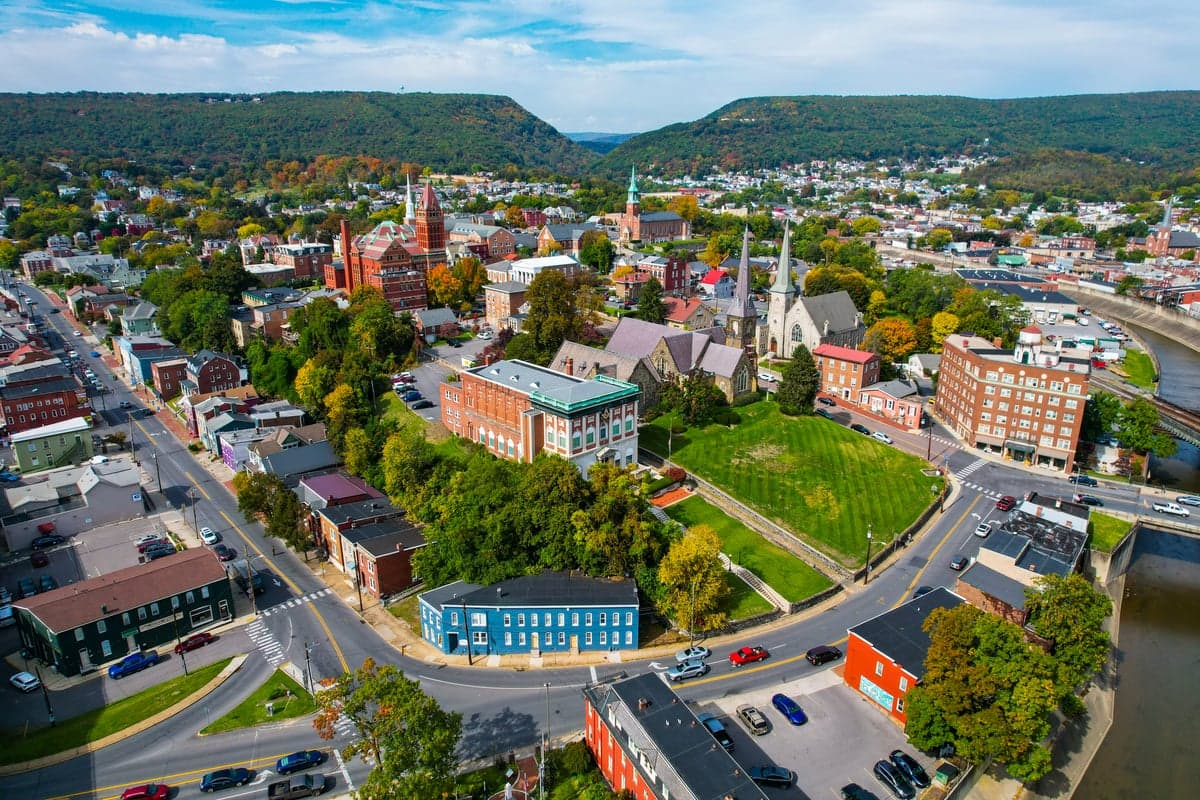
Cumberland, Maryland, offers a distinctly affordable quality of life that stands in sharp contrast to the high-cost corridors of the Northeast, attracting a mix of retirees seeking a slower pace, remote workers capitalizing on low housing costs, and families drawn to the area's outdoor recreation and historic character. With a cost of living index of 55—well below the national average of 100—the city provides a financial cushion that allows residents to prioritize lifestyle over paycheck. The population skews older and more rooted, with a median age around 40, and the community is characterized by a strong sense of local pride, evident in its well-maintained Victorian architecture and active downtown revitalization efforts.
How housing costs and everyday expenses compare to nearby cities
Cumberland’s housing market is among the most affordable in the Mid-Atlantic region, with a median home value of $120,800 and a median rent of just $728 per month. This places homeownership well within reach for households earning the area’s median income of roughly $42,000, and makes renting significantly cheaper than in nearby Hagerstown (median rent ~$1,100) or Morgantown, West Virginia (~$950). The overall cost of living index of 55 means groceries, utilities, and transportation are all roughly half the national average, a direct result of the region’s lower demand and slower economic growth. For context, a household earning $50,000 in Cumberland enjoys purchasing power comparable to a $90,000 salary in the Washington, D.C. metro area. The average commute of just 19.6 minutes further reduces transportation costs, as most residents work within Allegany County or at major employers like the UPMC Western Maryland hospital or the local school system.
What daily life is like for families, retirees, and remote workers
Daily life in Cumberland revolves around a compact, walkable downtown and immediate access to the Appalachian Mountains. The city’s public schools, part of Allegany County Public Schools, serve roughly 7,500 students and include Fort Hill High School and Allegany High School, both of which offer Advanced Placement programs and have graduation rates near 85%. For families, the nearby Rocky Gap State Park provides hiking, boating, and a golf course, while the Great Allegheny Passage bike trail runs directly through town, connecting to Pittsburgh and Washington, D.C. Retirees benefit from the Western Maryland Health System’s regional hospital and a low crime rate relative to similarly sized cities—the violent crime rate is about 40% below the national average. Remote workers find reliable fiber-optic internet through providers like Antietam Broadband, and the city’s historic district offers coffee shops and co-working spaces like the Allegany Arts Council’s Creative Hub. The rhythm is unhurried: farmers markets on Saturdays, community theater at the Cumberland Theatre, and seasonal events like the Canal Place Heritage Festival.
This quality of life is best suited for those who value financial breathing room and outdoor recreation over urban career density. Families who can secure jobs in healthcare, education, or remote tech will find a safe, affordable environment with good schools. Retirees on fixed incomes will stretch their savings further here than in almost any other Maryland city. Remote workers and creatives will appreciate the low overhead and growing arts scene, though they should be prepared for limited dining variety and a slower social pace. Cumberland is not a place for those seeking nightlife or rapid career advancement, but for anyone prioritizing stability, space, and nature, it delivers a rare combination of low cost and high livability.

Crime in Cumberland, MD
Generally safer than 58% of comparable U.S. locations.
Violent CrimeViolent Crime Analysis
Property CrimeProperty Crime Analysis
Crime Analysis
Cumberland, Maryland, presents a mixed safety profile, with property crime rates significantly exceeding national averages while violent crime remains closer to state norms. The city's overall crime picture is shaped by its status as a small urban center in a largely rural region, where economic challenges and proximity to Interstate 68 contribute to elevated theft and burglary numbers. For prospective residents, understanding the specific crime types and local justice system dynamics is essential for evaluating risk.
Crime in context
Cumberland's violent crime rate stands at 289.8 incidents per 100,000 residents, which is below the national average of roughly 380 per 100,000 but above Maryland's statewide rate of approximately 280 per 100,000. Property crime, however, is a more pressing concern, with a rate of 3,848.2 per 100,000—nearly double the national average of about 1,950 per 100,000 and significantly higher than Maryland's average of around 1,600 per 100,000. This disparity places Cumberland among the higher-crime small cities in the state, with theft, burglary, and motor vehicle theft driving the bulk of reported incidents. The city's location along major transportation corridors, including I-68 and the CSX rail line, contributes to transient criminal activity, particularly property offenses.
What residents experience
Daily life in Cumberland involves heightened vigilance around property security. Residents commonly report vehicle break-ins, package theft, and burglaries in both residential and commercial areas. Violent crime, while less frequent, includes aggravated assault and robbery, often concentrated in specific neighborhoods and linked to drug-related activity. The local justice system, operating under Maryland's progressive criminal justice reforms, has drawn criticism from residents and law enforcement for policies that prioritize diversion and reduced sentencing. Allegany County's district attorney and judges have adopted bail reform and pretrial release programs that, while intended to reduce incarceration, result in repeat offenders cycling through the system quickly. This approach has been cited by local police as a factor in Cumberland's persistent property crime problem, as known offenders face minimal consequences for non-violent thefts. Residents report frustration with the perceived lack of accountability, which can erode trust in public safety institutions.
Neighborhood-level variation
Safety in Cumberland varies considerably by neighborhood. The downtown core and areas near the Canal Place historic district experience higher foot traffic and police presence, but also attract opportunistic theft. Residential neighborhoods like the South End and East Side have lower violent crime but still face property crime risks. West Side neighborhoods, particularly those near the city's industrial corridors, report the highest concentration of both property and violent incidents. In contrast, outlying areas such as LaVale and Cresaptown, while technically outside city limits, offer significantly lower crime rates and are popular with families seeking safer alternatives. Prospective residents are advised to consult local police crime maps and speak with neighborhood associations to identify specific block-level risks, as Cumberland's crime is not uniformly distributed across the city.
* Values derived from national, state, county, city and local statistics and may differ in a specific area. Last updated: 2026-04-22T02:20:48.000Z
Narrative content on this page is AI-generated and may contain mistakes. Verify any details that matter before acting on them.
ReloMaps may earn a commission from affiliate links at no extra cost to you.

