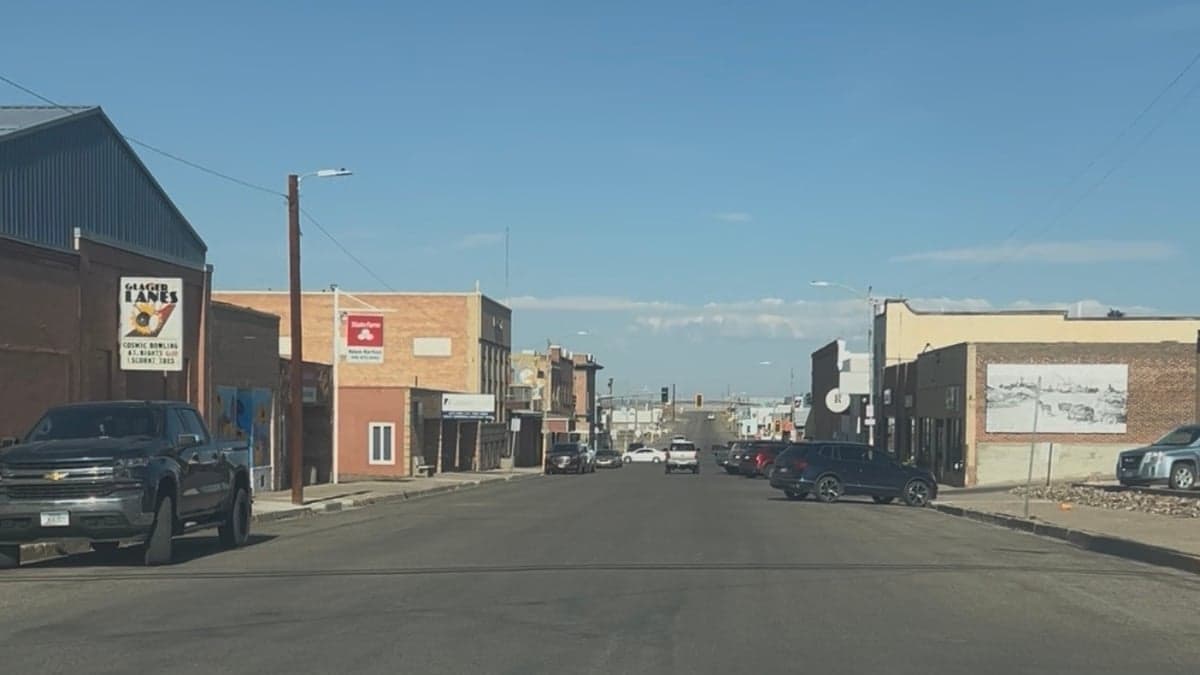
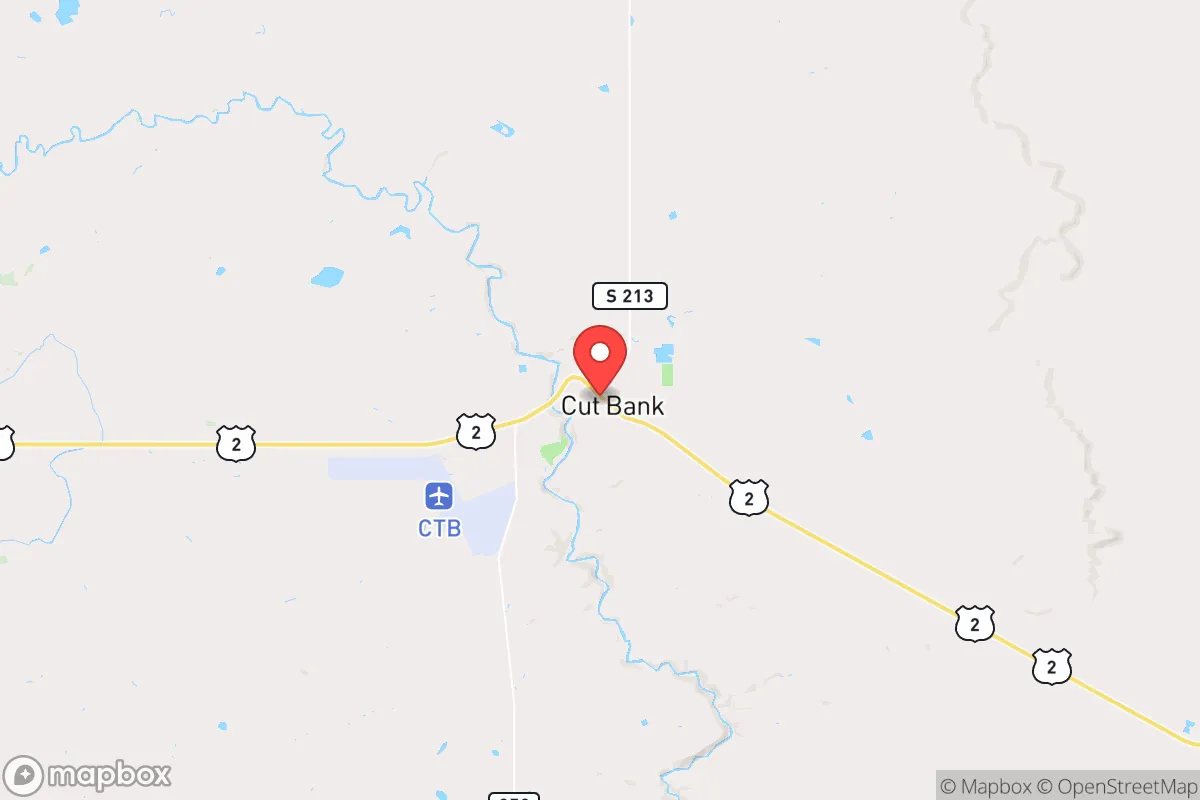
Photo: Wikipedia
Quality of Life in Cut Bank, MT
A high quality of life with strong walkability, manageable living costs, healthy neighborhood signals, and solid amenity access.
What does Quality of Life tell us?
Quality of Life blends cost of living, nearby amenities, socioeconomic signals, and neighborhood character. City-level scores represent the whole municipality; individual neighborhoods can differ.
What does this tell us?
Quality of Life blends cost of living, nearby amenities, socioeconomic signals, and neighborhood character. City-level scores represent the whole municipality; individual neighborhoods can differ.
Cost of Living
30% below national average
The Real Cost of Living in Cut Bank, MT for 2026
| Tier | Individual | Family (4) |
|---|---|---|
| Survival | $15k | $28k |
| Comfortable | $31k | $46k |
| Luxury | $78k+ | $121k+ |
| Elite (Top 5%) | $92k+ | $142k+ |
121%
The Area Signal
A metric tracking the socioeconomic signals of the area.
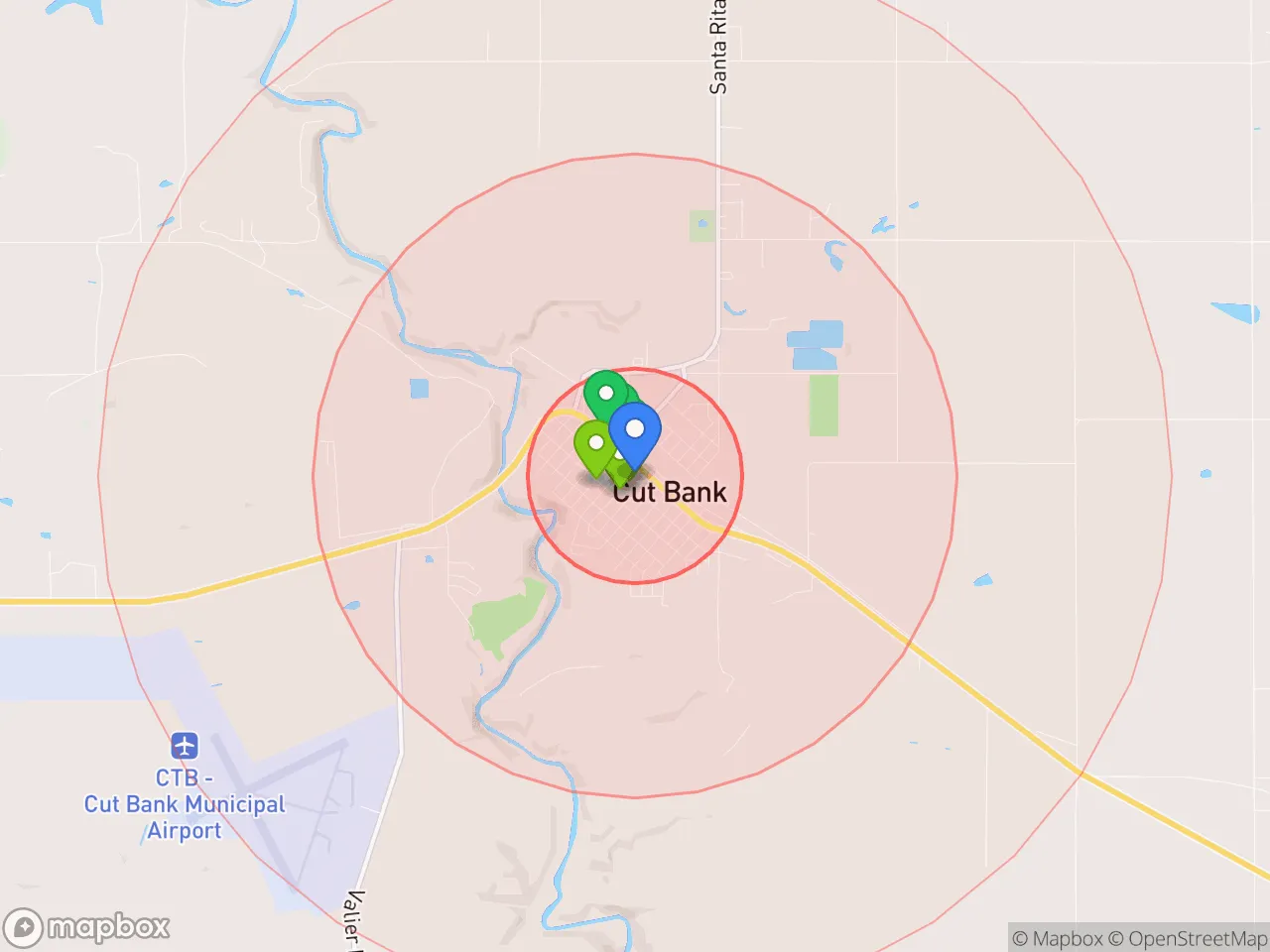
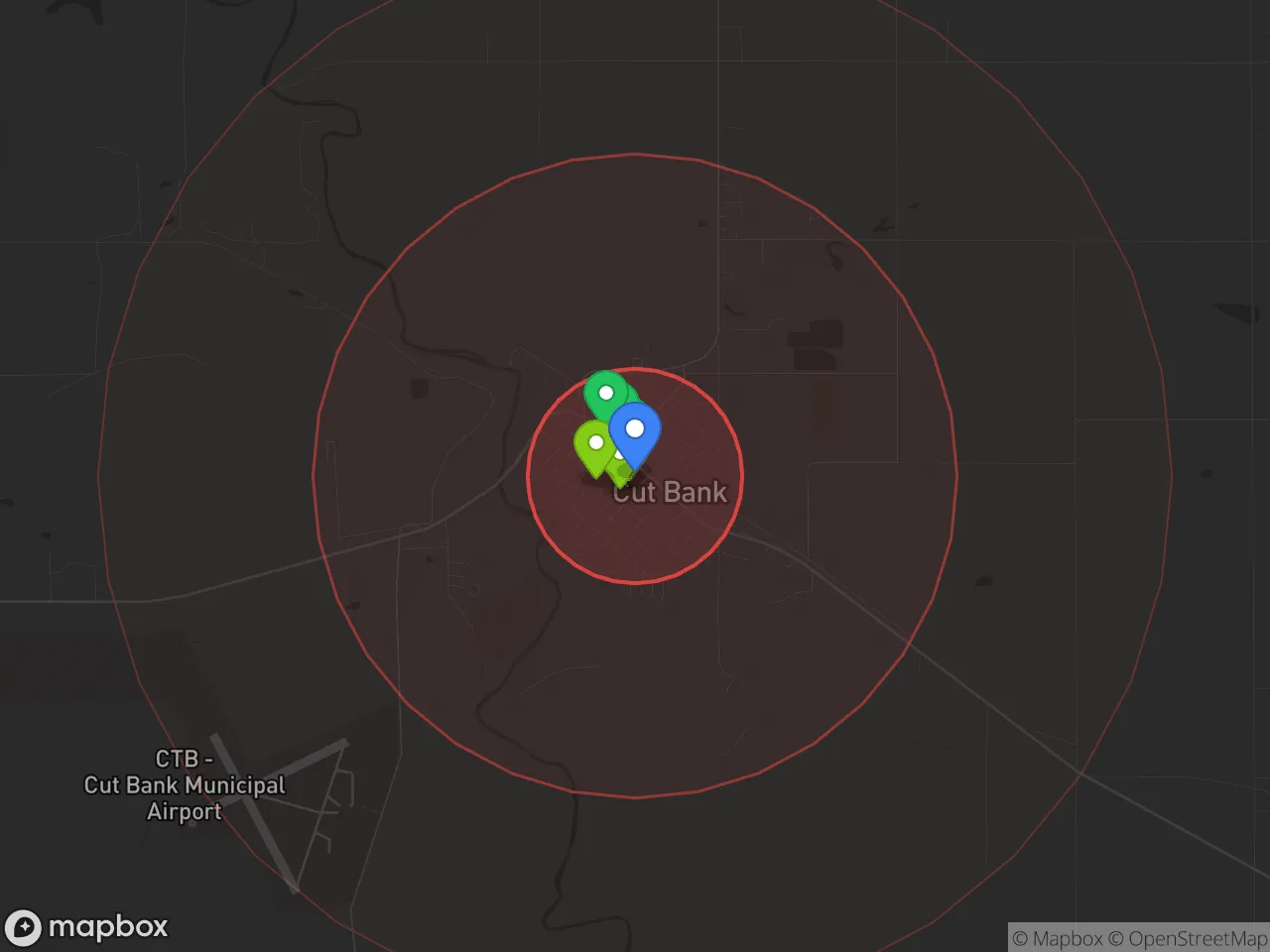
Hobbies
Explore the areaGroceries
1 within 10 miles
Gas
2 within 10 miles
Hospital
1 within 20 miles
Airport
SEA — Seattle–Tacoma International
Post Office
USPS — Cut Bank, MT
Critical Amenities
Quality-of-Life Analysis
Cut Bank, Montana, offers a quality of life defined by its low cost of living and tight-knit, blue-collar character, with a cost-of-living index of 70—30% below the national average. The town’s population of roughly 3,000 is predominantly employed in agriculture, oil and gas, and the Burlington Northern Santa Fe (BNSF) Railway, giving it a practical, hardworking ethos. Median household income hovers around $45,000, reflecting a community where affordability is a necessity rather than a luxury, and where residents value self-reliance and outdoor access over urban amenities.
Cost of living, housing, and affordability compared to nearby areas
Cut Bank’s housing market is among the most affordable in Glacier County and the broader Hi-Line region. The median home value of $161,400 is roughly half the Montana state median of $320,000, while the median rent of $921 is well below the state average of $1,200. Compared to nearby Shelby (25 miles east), home values are about 10% lower, and versus Kalispell (120 miles west), Cut Bank homes cost less than half as much. The average commute of just 19 minutes is significantly shorter than the national average of 26 minutes, meaning residents spend less on gas and vehicle wear—a real advantage given the area’s harsh winters and long distances between towns. Utility costs are slightly above average due to heating demands, but overall, a family earning $50,000 can comfortably afford a mortgage or rent here, a feat increasingly difficult in Bozeman or Missoula.
What daily life is like: amenities, schools, and local rhythm
Daily life in Cut Bank centers on practical, community-oriented activities. The town’s public schools—Cut Bank Elementary, Cut Bank Middle School, and Cut Bank High School—serve about 800 students total, with a student-teacher ratio of roughly 14:1, offering more individual attention than larger districts. The high school’s wrestling and football programs are local touchstones. For groceries and essentials, residents rely on IGA and a local hardware store, while major shopping requires a 90-minute drive to Great Falls. Healthcare is provided by the Glacier Community Health Center and a small hospital, though specialists are in Great Falls. The town’s rhythm is slow and seasonal: summers bring the Glacier County Fair and fishing on the Marias River, while winters center on ice fishing, snowmobiling, and high school basketball. Dining options are limited to a handful of cafes and bars, with the Dairy Queen and the Cut Bank Creek Brewery serving as informal social hubs. The nearby Blackfeet Indian Reservation (Browning, 30 miles west) adds cultural events and the annual North American Indian Days powwow.
Cut Bank is best suited for people who prioritize low housing costs, short commutes, and a quiet, self-sufficient lifestyle over urban conveniences and career diversity. It works well for families in agriculture, railroad, or energy jobs, as well as retirees on fixed incomes who want to stretch their savings. Remote workers with reliable internet (available via Spectrum and local fiber providers) can also thrive here, provided they are comfortable with limited dining, entertainment, and shopping options. Those seeking nightlife, cultural institutions, or rapid career growth will find Cut Bank too isolated. For anyone who values financial breathing room and a close community where neighbors know each other, Cut Bank delivers a stable, affordable foundation.

Crime in Cut Bank, MT
Generally safer than 65% of comparable U.S. locations.
Violent CrimeViolent Crime Analysis
Property CrimeProperty Crime Analysis
Crime Analysis
Cut Bank, Montana, reports a violent crime rate of 605.7 per 100,000 residents and a property crime rate of 5,215.3 per 100,000, placing it well above both state and national averages. These figures indicate that the town faces significant safety challenges, particularly in property-related offenses, which are more than double the national median. While Cut Bank is a small, rural community, its crime statistics suggest a level of risk that prospective residents should weigh carefully against the area’s lower cost of living and quiet atmosphere.
Crime in context
To understand Cut Bank’s safety profile, it helps to compare its rates to broader benchmarks. The national violent crime rate is roughly 380 per 100,000, meaning Cut Bank’s 605.7 is about 60% higher. Property crime nationally sits around 2,500 per 100,000, making Cut Bank’s 5,215.3 more than double the typical U.S. figure. Montana’s statewide averages are generally lower than Cut Bank’s, with the state’s violent crime rate near 450 per 100,000 and property crime around 2,800 per 100,000. This places Cut Bank among the higher-crime small towns in Montana, though it remains far below the rates seen in larger, high-crime cities like Billings or Great Falls. The elevated numbers are partly attributable to the town’s role as a regional hub for Glacier County, which can concentrate crime data in a small population base.
What residents experience
Daily life in Cut Bank involves a heightened awareness of property crime, with theft, burglary, and vehicle break-ins being the most common incidents reported. Violent crime, while less frequent, includes aggravated assault and robbery, and the rate suggests these events are not rare. Residents often cite the need for secure home storage, outdoor lighting, and neighborhood watch participation as practical precautions. The local police department, though small, works closely with the Glacier County Sheriff’s Office, but response times can be longer in outlying areas. It is worth noting that Montana’s justice system, like many rural states, has not adopted the progressive prosecutorial policies seen in some large metro areas—such as cash bail reform or reduced sentencing for property crimes—which can be a positive factor for those concerned about leniency. In Cut Bank, law enforcement and local courts tend to take a more traditional approach, which may offer some reassurance to residents worried about repeat offenders.
Neighborhood-level crime data for Cut Bank is limited due to its small size, but general patterns emerge. The central business district and areas near U.S. Highway 2 see higher rates of property crime, likely tied to transient traffic and commercial activity. Residential streets on the town’s outskirts, particularly those east of the railroad tracks, tend to report fewer incidents. Prospective residents are advised to consult local police for block-level statistics and to visit neighborhoods at different times of day to gauge activity. Overall, Cut Bank requires a cautious approach to personal and property safety, but its community-oriented policing and lack of progressive judicial policies may mitigate some of the risks seen in larger, more liberal jurisdictions.
* Values derived from national, state, county, city and local statistics and may differ in a specific area. Last updated: 2026-04-29T21:59:09.000Z
Narrative content on this page is AI-generated and may contain mistakes. Verify any details that matter before acting on them.
ReloMaps may earn a commission from affiliate links at no extra cost to you.

