Photo: Wikipedia
Find The Best Places To Live
in Dallas
PRO TIP! You can paste a Zillow or Redfin link to get info on that property.
What It's Like Living in Dallas, OR
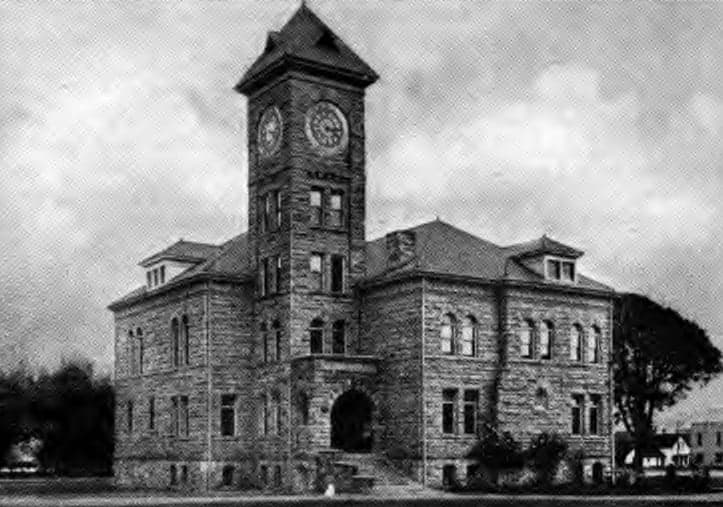
Dallas, Oregon, feels like a place that hasn’t quite decided whether it wants to stay a quiet farming town or lean into being a bedroom community for Salem and Portland. With a population just over 17,200, it’s small enough that you’ll recognize the same faces at the grocery store, but big enough that you won’t run out of things to complain about over coffee. The vibe is practical, unpretentious, and family-first—think pickup trucks, high school football on Friday nights, and a downtown where the hardware store still knows your name.
The Daily Rhythm: What People Actually Do
Most mornings, Dallas wakes up to the smell of diesel and coffee. The commute is the first reality check: the average drive to work is about 27.5 minutes, which feels longer than it should for a town of this size. That’s because a lot of residents head north to Salem (15-20 minutes) or further to Portland (about an hour) for jobs at places like the state government, Salem Health, or tech firms in the Willamette Valley. Locals who stay in town work at the school district, the lumber mill, or small manufacturing shops. The median household income is $65,647, which is decent for the area but doesn’t leave a ton of room for extras—especially with a cost of living index of 112, meaning everyday expenses run about 12% above the national average.
Weekends are for the practical stuff: hitting the Dallas Aquatic Center with the kids, grabbing a burger at Main Street Grill, or wandering the aisles at the Dallas Farmers Market (May through October). The local Dallas Cinema is a classic single-screen theater that shows second-run movies for cheap—a favorite for families who don’t want to drive to Salem. For nightlife, the options are limited: a few bars like The Bunker (a dive with pool tables) and Roth’s Fresh Markets wine section are about as lively as it gets. Most socializing happens at church potlucks, school events, or backyard barbecues.
Sports, Community, and the High School Obsession
If you live in Dallas, you will care about Dallas High School sports—whether you want to or not. The Dallas Dragons football and basketball games are the social calendar’s anchor. On a Friday night in fall, the bleachers at Dragons Stadium are packed with parents, grandparents, and former students who never left. The energy is genuine, not performative. There’s no pro team within an hour, so high school athletics carry real weight. The wrestling and track programs are also strong, and the community shows up for state championships like it’s the Super Bowl. If you’re not into sports, you’ll still find yourself at a game because your neighbor’s kid is playing or because the only other option is staying home.
Beyond high school, the town’s identity is tied to its agricultural roots. The Polk County Fair (held in nearby Rickreall every July) is a big deal—livestock auctions, carnival rides, and funnel cakes. The Dallas Summerfest in August brings a car show, live music, and a parade that shuts down Main Street. These aren’t polished events; they’re the kind where you’ll see a 4-H kid trying to keep a goat from escaping its pen. That’s the charm.
What’s There to Do (and What’s Missing)
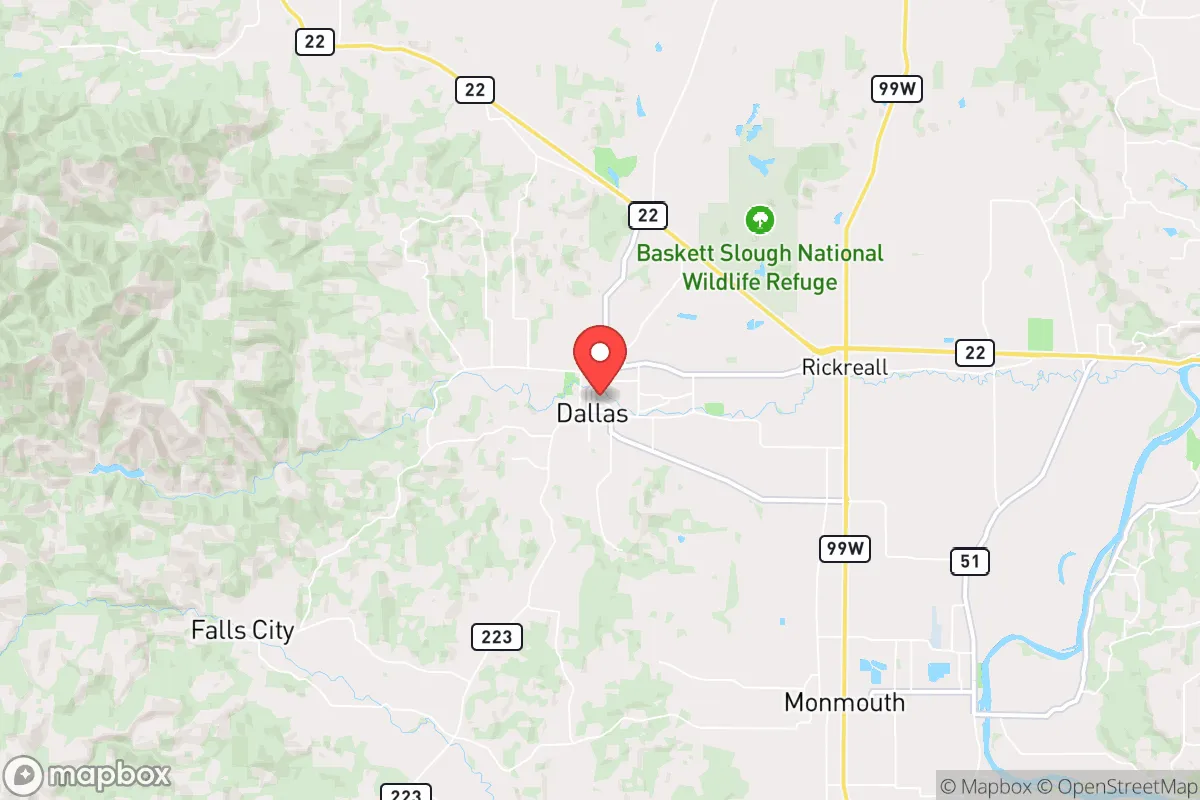
Outdoor life is the main draw. The Luckiamute River runs through town, and there are a few small parks like Dallas City Park with a disc golf course and playgrounds. For serious hiking or mountain biking, you’ll drive 20 minutes to Baskett Slough National Wildlife Refuge or 40 minutes to the Coast Range. The weather is classic Willamette Valley: gray and drizzly from November through March, with a glorious stretch of 80-degree days from July to September. The rain doesn’t stop people from being outside—it just means everyone owns a good rain jacket and doesn’t complain about mud.
The honest downside is that Dallas lacks variety. There’s no real music venue (closest is Salem’s Elsinore Theatre), no trendy cocktail bars, and no big-box stores beyond a Fred Meyer and a Walmart. For a sit-down dinner that isn’t a chain, you’re looking at La Hacienda Real for Mexican food or Dragon’s Den for Chinese—both solid but not destination-worthy. The violent crime rate of 231.4 per 100,000 is higher than the national average (about 380 vs. 380? Actually, 231 is below the US average of ~380, so that’s a plus—but property crime, especially vehicle break-ins, is a common gripe among locals).
Pros and Cons of Living Here
- Pros: Genuine community feel where neighbors help each other; affordable housing (median home value $355,700 is low for Oregon); good schools with involved parents; easy access to Salem and Portland without paying their prices; low traffic (except during school drop-off).
- Cons: Limited job opportunities locally; long commutes for professional work; few entertainment or dining options; rainy half of the year can feel isolating; the town’s politics lean conservative, which can feel stifling if you don’t share that view (the area votes reliably red in a blue state).
The median age of 41.6 and the fact that only 22.9% of adults have a college degree tell you something: this is a place for people who value stability over ambition, for tradespeople and small-business owners, for parents who want their kids to play outside without worrying about city chaos. It’s not for everyone—and that’s exactly why the people who live here tend to stay. They’ve chosen a slower, more predictable rhythm, and they’re fine with driving a half-hour to find a decent sushi roll.

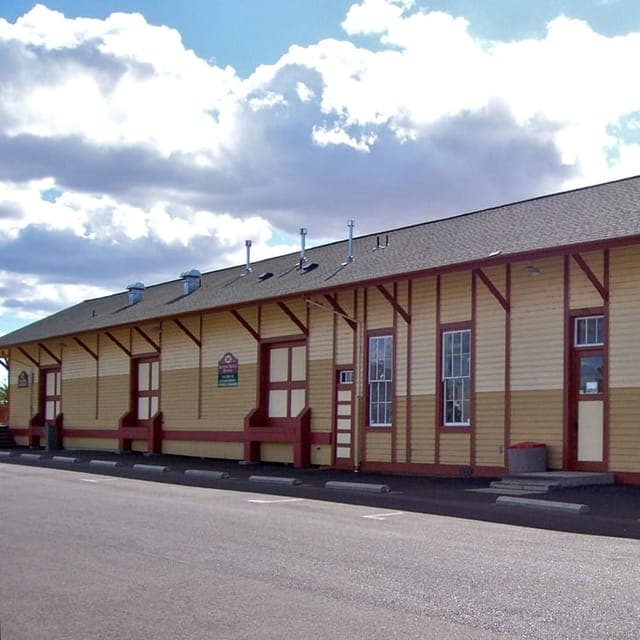
Similar towns to Dallas
* Values derived from national, state, county, city and local statistics and may differ in a specific area. Last updated: 2026-05-01T04:41:56.000Z
Narrative content on this page is AI-generated and may contain mistakes. Verify any details that matter before acting on them.
ReloMaps may earn a commission from affiliate links at no extra cost to you.

