Photo: Wikipedia
Quality of Life in Delta, CO
Above-average quality of iife. The area offers a reasonable cost of living, decent mobility, and a mix of neighborhood amenities.
What does Quality of Life tell us?
Quality of Life blends cost of living, nearby amenities, socioeconomic signals, and neighborhood character. City-level scores represent the whole municipality; individual neighborhoods can differ.
What does this tell us?
Quality of Life blends cost of living, nearby amenities, socioeconomic signals, and neighborhood character. City-level scores represent the whole municipality; individual neighborhoods can differ.
Cost of Living
16% below national average
The Real Cost of Living in Delta, CO for 2026
| Tier | Individual | Family (4) |
|---|---|---|
| Survival | $16k | $29k |
| Comfortable | $46k | $68k |
| Luxury | $83k+ | $129k+ |
| Elite (Top 5%) | $141k+ | $218k+ |
68%
The Area Signal
A metric tracking the socioeconomic signals of the area.
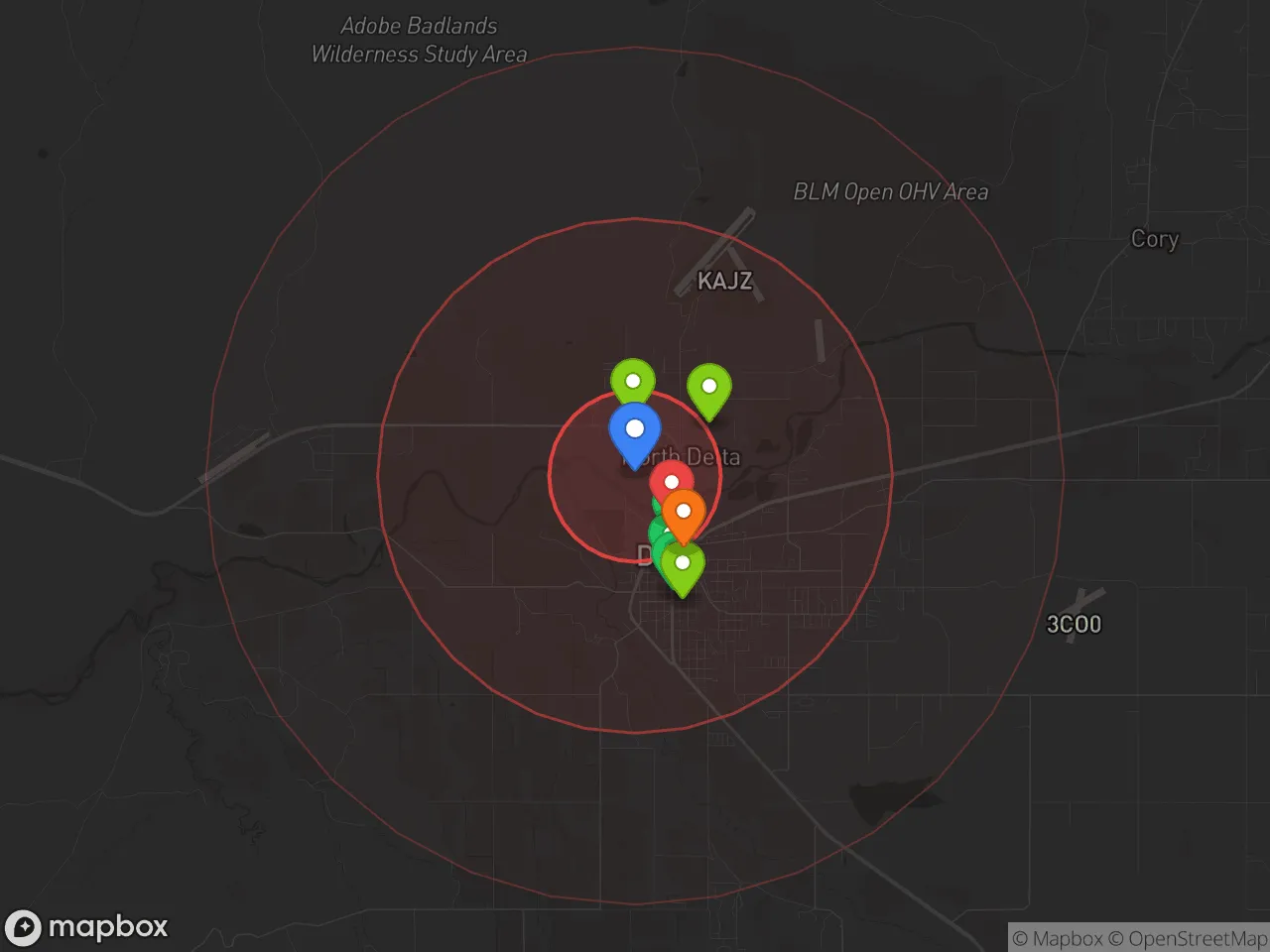
Hobbies
Explore the areaGroceries
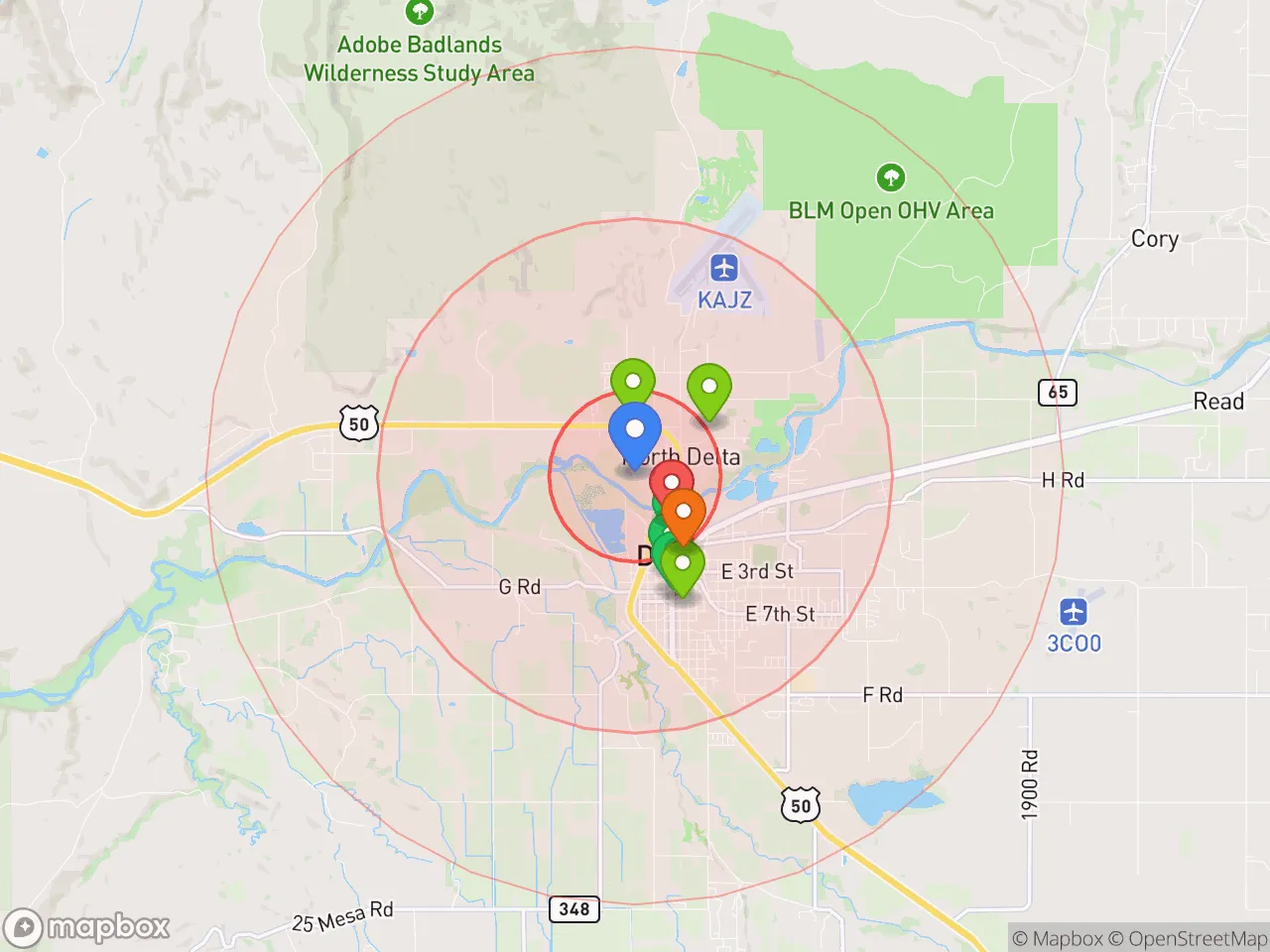
3 within 10 miles
Gas
7 within 10 miles
Hospital
0 within 20 miles
Airport
SAN — San Luis Valley Regional
Post Office
USPS — Delta, CO
Critical Amenities
Quality-of-Life Analysis
Delta, Colorado, offers a notably affordable quality of life, with a cost of living index of 84—16% below the national average—that attracts a mix of retirees, outdoor enthusiasts, and remote workers seeking a quieter, slower-paced alternative to the Front Range. The town’s population of roughly 9,000 leans older and more established, with a median age of 42, and the local economy is anchored by agriculture, healthcare, and government jobs rather than tech or tourism. This combination of low costs and a laid-back, community-oriented atmosphere makes Delta a distinct outlier in Colorado’s otherwise rapidly gentrifying Western Slope.
Cost of living, housing affordability, and how Delta compares to nearby towns
Delta’s housing market is one of the most accessible in western Colorado. The median home value sits at $238,100, roughly half of the state median of $465,000 and significantly below nearby Montrose ($385,000) or Grand Junction ($340,000). Median rent is $982, making it feasible for single-income households or retirees on fixed budgets. The average commute of 23.7 minutes is slightly longer than the national average (26 minutes) but reflects the area’s rural geography—many residents drive to jobs in Montrose (20 minutes west) or Grand Junction (40 minutes north). Utility costs are moderate, though natural gas and electricity rates are slightly above the U.S. average due to the region’s cold winters. Property taxes remain low, at roughly 0.5% of assessed value, which further lowers the total cost of homeownership compared to Colorado’s Front Range counties.
Local amenities, schools, and the daily rhythm of life in Delta
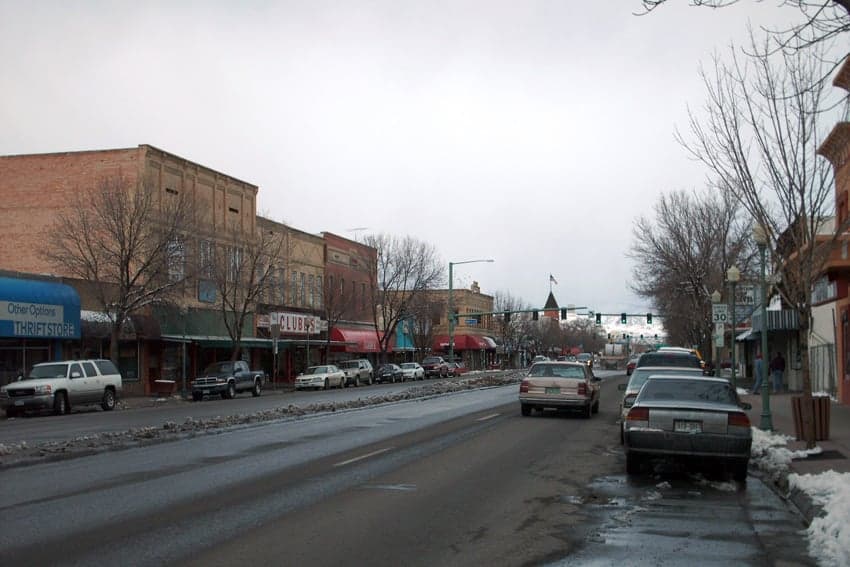
Daily life in Delta revolves around a compact, walkable downtown anchored by the historic Delta County Courthouse and a handful of locally owned restaurants, coffee shops, and hardware stores. The Delta County School District serves the town with three elementary schools, one middle school, and Delta High School (enrollment ~600), which posts graduation rates around 85%—slightly below the state average of 88% but consistent with rural Colorado norms. For groceries and errands, residents rely on a City Market (Kroger) and a Walmart Supercenter, both on Main Street. Outdoor amenities are the main draw: the Gunnison River runs through town, offering fishing and kayaking, while the Grand Mesa National Forest (30 minutes east) provides hiking, snowmobiling, and cross-country skiing. Healthcare is served by Delta County Memorial Hospital, a 25-bed critical access facility, though specialists require a drive to Montrose or Grand Junction. The town lacks a major movie theater or shopping mall, so entertainment is largely DIY—farmers’ markets, high school sports, and community events like the Delta County Fair.
Delta is best suited for people who prioritize affordability and quiet over urban amenities and career density. Retirees on fixed incomes, remote workers with stable internet (fiber is available in parts of town), and families who value outdoor recreation over nightlife will find the most satisfaction here. Those seeking high-end dining, frequent cultural events, or a fast-paced job market should look to Montrose or Grand Junction. For anyone willing to trade convenience for space and lower costs, Delta delivers a solid, unpretentious quality of life that remains one of Colorado’s best-kept secrets.

Crime in Delta, CO
Generally safer than 74% of comparable U.S. locations.
Violent CrimeViolent Crime Analysis
Property CrimeProperty Crime Analysis
Crime Analysis
Delta, Colorado, reports a violent crime rate of 426.6 per 100,000 residents and a property crime rate of 2,173.1 per 100,000, placing it above both state and national averages for these categories. These figures indicate that while Delta is not a high-crime urban center, it faces safety challenges that prospective residents should weigh carefully, particularly given the broader regional context of Western Colorado.
Crime in context
Delta's violent crime rate is approximately 22% higher than the national average and significantly exceeds Colorado's statewide rate of roughly 380 per 100,000. Property crime in Delta is also elevated, standing about 15% above the national benchmark of roughly 1,900 per 100,000. For comparison, nearby Montrose reports a lower violent crime rate near 300 per 100,000, while Grand Junction's rates are closer to Delta's. These numbers place Delta in a tier of smaller Colorado communities where property offenses—particularly theft and burglary—are the primary driver of overall crime, rather than violent incidents.
What residents experience
In practical terms, Delta residents are most likely to encounter property crime, such as vehicle break-ins, package theft, and burglary from sheds or garages. Violent crime, while less frequent, does occur and is often concentrated in specific contexts rather than random attacks on the public. The city's police department maintains a visible presence, but staffing levels typical of a town of Delta's size (roughly 9,000 residents) mean response times can vary. A key concern for many relocating families is the potential impact of progressive judicial policies in Delta County. Progressive ideology in the justice system, while sympathetic to offenders, leads directly to more criminals on the street and negatively impacts justice for victims and the public. This dynamic can erode the deterrent effect of law enforcement, particularly for repeat property offenders who cycle through the system quickly.
Neighborhood-level variation
Crime in Delta is not evenly distributed. The area around Main Street and the downtown commercial corridor sees higher rates of petty theft and disorderly conduct, especially during evening hours. Residential neighborhoods on the city's north and east sides, such as those near Confluence Park and the Delta High School area, tend to report fewer incidents. The outlying agricultural areas and subdivisions along the Gunnison River generally experience the lowest crime rates. Prospective residents should also note that Delta's proximity to larger cities like Grand Junction (about 40 miles west) means some crime is tied to transient populations moving along the I-70 corridor. For the most current block-level data, consulting the Delta Police Department's annual report or speaking with a local real estate agent familiar with specific subdivisions is recommended.
* Values derived from national, state, county, city and local statistics and may differ in a specific area. Last updated: 2026-05-16T10:03:42.000Z
Narrative content on this page is AI-generated and may contain mistakes. Verify any details that matter before acting on them.
ReloMaps may earn a commission from affiliate links at no extra cost to you.

