
Photo: Wikipedia
Personal Sovereignty in Derby, CT
Viable for self-reliance. Generally workable, though some barriers may limit total independence.
What does Personal Sovereignty tell us?
Personal Sovereignty measures your capacity for self-reliance and independence with minimal government friction. Higher scores mean fewer barriers between you and the way you want to live... but it assumes you have the space you need and good neighbors.
What does this tell us?
Personal Sovereignty measures your capacity for self-reliance and independence with minimal government friction. Higher scores mean fewer barriers between you and the way you want to live... but it assumes you have the space you need and good neighbors.
State Policy
Energy independence: Importer (5% of energy produced in-state)
Personal Liberty
Homesteading

Personal Liberty Analysis
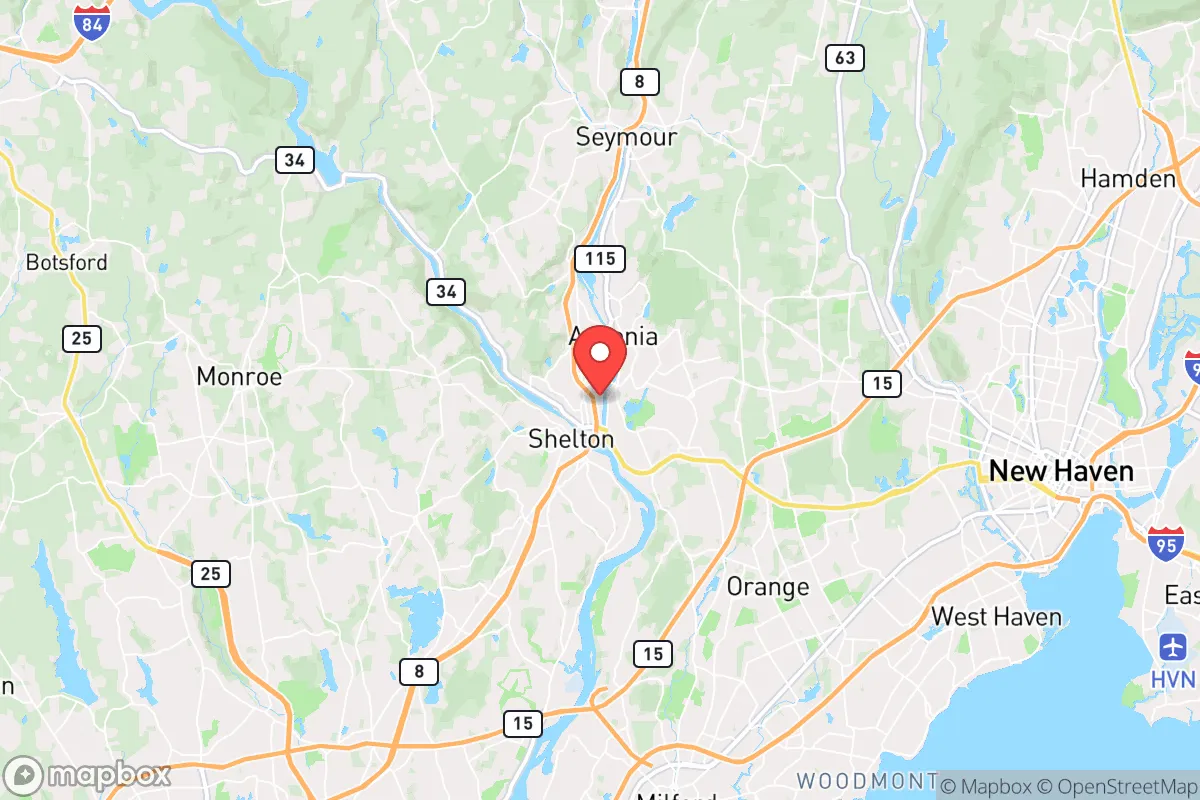
Derby, Connecticut, presents a mixed picture for those prioritizing personal sovereignty, where the state's progressive regulatory framework often clashes with the individual's desire for autonomy. While the city itself is a small, working-class enclave along the Naugatuck River, its residents operate under the full weight of Connecticut's extensive state-level controls, which can feel suffocating to those accustomed to more libertarian-leaning jurisdictions. For the survivalist or prepper, Derby offers a strategic location near resources and escape routes, but the legal and bureaucratic environment demands careful navigation to preserve personal freedoms.
Tax burden and regulatory posture in Connecticut's smallest city
Connecticut's tax burden is among the highest in the nation, and Derby residents feel this acutely. The state imposes a progressive income tax with rates topping at 6.99%, a 6.35% sales tax on most goods, and some of the highest property taxes in the country. Derby's mill rate, combined with the state's property tax system, means homeowners face significant annual costs that fund a sprawling state apparatus. For the self-reliant individual, this translates into less disposable income for prepping supplies, land acquisition, or alternative energy investments. The regulatory posture is equally challenging: Connecticut has stringent building codes, environmental regulations, and business licensing requirements that can stifle independent ventures like home-based manufacturing or small-scale agriculture. The state's Department of Energy and Environmental Protection (DEEP) maintains tight control over land use, water rights, and waste disposal, making off-grid living or extensive property modifications a bureaucratic ordeal. For those seeking to minimize government dependency, the high tax burden and dense regulatory web in Derby represent a significant drain on personal resources and freedom of action.
Self-defense rights and gun law specifics in Derby
Connecticut is one of the most restrictive states for gun owners, and Derby residents must comply with a host of state-level mandates that many conservatives view as infringements on Second Amendment rights. The state requires a permit to purchase any firearm, a background check for all sales (including private transfers), and a permit to carry handguns, which is issued on a "may-issue" basis with significant discretion left to local authorities. In 2023, Connecticut enacted a ban on the sale of many semi-automatic firearms classified as "assault weapons," along with restrictions on magazine capacity exceeding 10 rounds. For the survivalist, this means limited access to standard defensive platforms and the need to navigate a complex registration system for any legally owned firearms. Castle doctrine in Connecticut is weak; there is no "stand your ground" law, and residents have a duty to retreat if safely possible before using deadly force in self-defense, even in their own home. This legal landscape forces Derby's gun owners to be meticulous about training, legal counsel, and storage compliance, as any misstep can lead to felony charges. For those prioritizing personal protection, the state's posture is a clear obstacle to unencumbered self-defense.
Self-reliance and homesteading viability in an urban valley
Derby's dense, urban character limits traditional homesteading opportunities. The city's typical lot sizes are small—often under a quarter-acre—and zoning regulations are geared toward suburban residential use, not agricultural or self-sufficient living. Raising livestock, such as chickens or goats, is generally prohibited or heavily restricted within city limits, and any significant gardening or food production must fit within tight space constraints. Off-grid feasibility is extremely low: Connecticut's building codes mandate grid connection for new construction, and the state's net metering policies for solar power, while present, are subject to utility company fees and bureaucratic hurdles. Water rights are state-controlled, and rainwater harvesting for potable use is not explicitly legalized, creating another barrier to independence. For the prepper, Derby's location near the Housatonic River and major highways (Route 8 and I-95) offers strategic mobility, but the city itself provides little room for self-reliant food production, water independence, or energy autonomy. Those serious about homesteading would need to look to the more rural towns in Litchfield County, an hour north, where larger parcels and looser zoning exist, but even there, Connecticut's state-level restrictions remain a constant factor.
Personal liberties: parental rights, medical autonomy, speech, and property
Connecticut's legal environment is generally hostile to the conservative vision of personal liberties. Parental rights have been eroded by state mandates on education and healthcare; for example, Connecticut law does not require parental consent for minors to receive certain medical treatments, including mental health services and reproductive care, and the state's curriculum standards can override local school board decisions on content. Medical autonomy is similarly constrained: the state imposed strict vaccine mandates during the COVID-19 pandemic, and emergency powers granted to the governor allow for broad public health orders that can limit individual choice. Free speech is constitutionally protected, but Connecticut's hate speech statutes and social media regulations create a chilling effect for those expressing dissenting views on controversial topics. Property rights are heavily circumscribed by zoning, environmental regulations, and the state's aggressive use of eminent domain for economic development projects. For the individualist, Derby's legal framework feels like a series of encroachments on fundamental freedoms, where the state's authority often supersedes personal judgment and family decision-making. The cumulative effect is a jurisdiction where self-reliance is not just difficult but actively discouraged by law and policy.
In the broader context of personal sovereignty, Derby, CT, ranks poorly compared to states in the South, Midwest, or Mountain West. The combination of high taxes, restrictive gun laws, limited homesteading potential, and aggressive state oversight of personal and family matters creates an environment where the survivalist or prepper must constantly fight bureaucratic battles to maintain even a modest degree of autonomy. While the city's location offers strategic advantages for those who must remain in the Northeast, the overall sovereignty picture is one of constrained freedom, where individual initiative is perpetually checked by state power. For those prioritizing maximum personal liberty, relocation to a more permissive jurisdiction would be a serious consideration.

* Values derived from national, state, county, city and local statistics and may differ in a specific area. Last updated: 2026-04-30T05:21:07.000Z
Narrative content on this page is AI-generated and may contain mistakes. Verify any details that matter before acting on them.
ReloMaps may earn a commission from affiliate links at no extra cost to you.

