

Photo: Wikipedia
Quality of Life in Derby, CT
A high quality of life with strong walkability, manageable living costs, healthy neighborhood signals, and solid amenity access.
What does Quality of Life tell us?
Quality of Life blends cost of living, nearby amenities, socioeconomic signals, and neighborhood character. City-level scores represent the whole municipality; individual neighborhoods can differ.
What does this tell us?
Quality of Life blends cost of living, nearby amenities, socioeconomic signals, and neighborhood character. City-level scores represent the whole municipality; individual neighborhoods can differ.
Cost of Living
9% above national average
The Real Cost of Living in Derby, CT for 2026
| Tier | Individual | Family (4) |
|---|---|---|
| Survival | $23k | $44k |
| Comfortable | $47k | $69k |
| Luxury | $120k+ | $186k+ |
| Elite (Top 5%) | $141k+ | $219k+ |
110%
The Area Signal
A metric tracking the socioeconomic signals of the area.
Hobbies
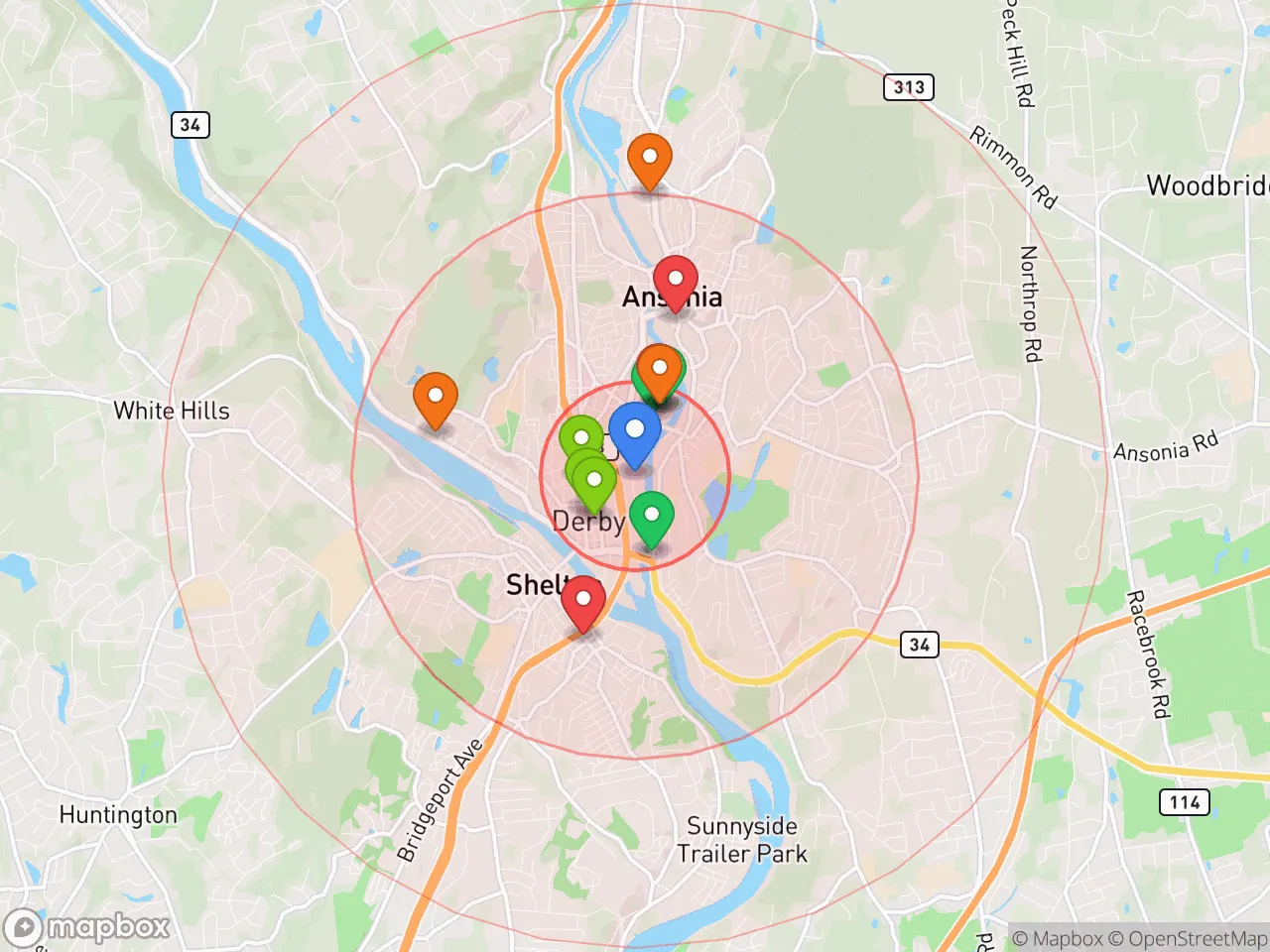
Explore the areaGroceries
5 within 10 miles
Gas
20 within 10 miles
Hospital
18 within 20 miles
Airport
JFK — John F. Kennedy International
Post Office
USPS — Derby, CT
Critical Amenities
Quality-of-Life Analysis
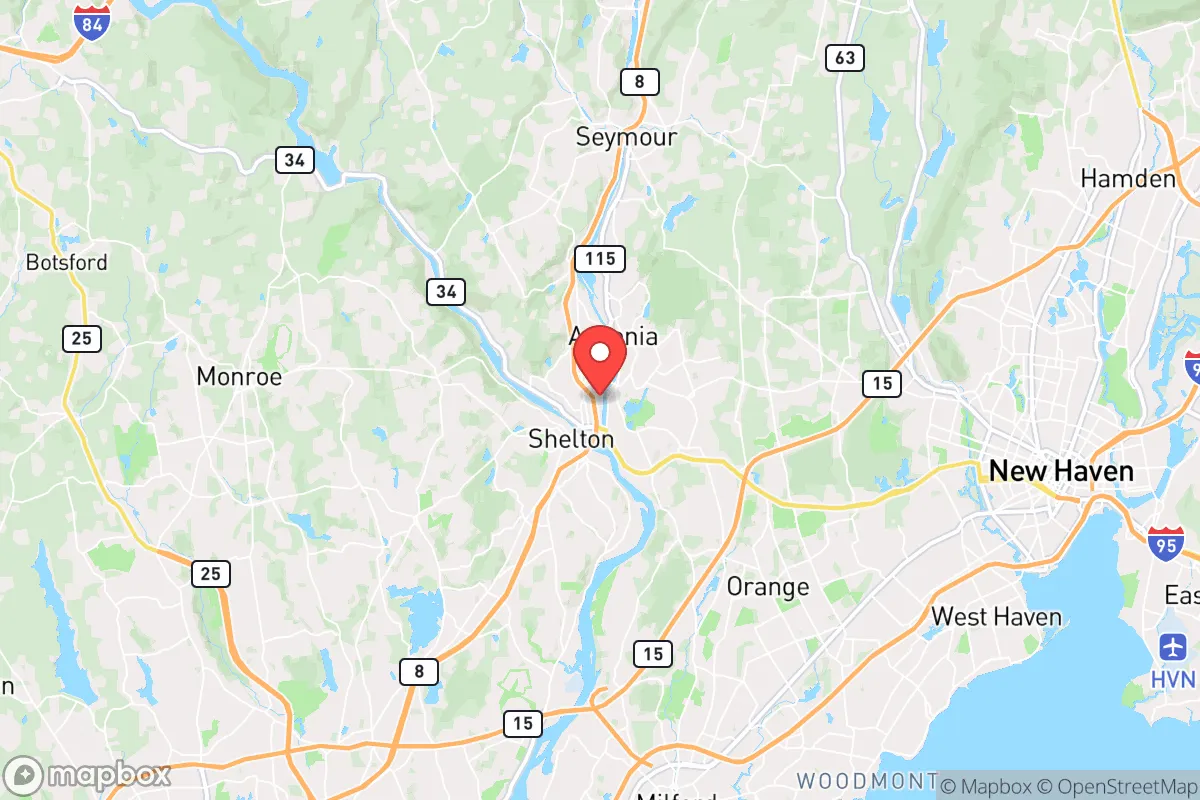
Derby, Connecticut, presents a middle-to-upper-middle-class quality of life with a cost of living index of 109 (9% above the national average), attracting a mix of long-term families, young professionals commuting to New Haven and Bridgeport, and retirees drawn to the Naugatuck Valley’s historic character. The city’s population of roughly 12,000 is notably diverse for the region, with a significant Hispanic and Latino community (over 20%), and a median household income around $60,000 that reflects a blend of blue-collar roots and growing white-collar commuter presence. Derby’s compact, walkable downtown and riverfront location offer a small-city feel that contrasts with the more suburban sprawl of neighboring Shelton or Ansonia.
Cost of living, housing, and affordability compared to nearby areas
Derby’s housing market is a relative bargain within the Greater New Haven area. The median home value of $242,300 is roughly 15% lower than the Connecticut state median and significantly undercuts nearby Shelton (median ~$350,000) and Milford (~$400,000). Median rent of $1,453 is competitive, though slightly above the national average, reflecting the city’s proximity to I-95 and Metro-North rail service. The average commute of 27.4 minutes aligns closely with the state average, making Derby a practical choice for workers in New Haven (15 miles north), Bridgeport (10 miles south), or even Stamford (35 miles, via Route 8/I-95). Property taxes in Derby are moderate for Connecticut—around 3.2% of assessed value—but still higher than in Ansonia or Seymour, which can offset the lower purchase price. Renters face a tight market, with vacancy rates below 3% as of 2025, pushing competition for units near the Derby-Shelton train station.
Schools, amenities, and daily life for families and professionals
Derby Public Schools serve roughly 1,800 students across four schools, with Derby High School offering a 9:1 student-teacher ratio and a graduation rate of 88%, slightly below the state average of 90%. For daily amenities, the downtown area along Main Street features independent restaurants, a public library, and the Derby Greenway—a 2.5-mile paved trail along the Naugatuck River popular for walking and cycling. The nearby Osbornedale State Park (in Derby) provides 350 acres of hiking and fishing, while the Wallingford YMCA and Sports Center of Connecticut (in Shelton) offer recreation within a 10-minute drive. Grocery shopping is anchored by a Stop & Shop and a Big Y, though residents often drive to Shelton for Trader Joe’s or Whole Foods. The daily rhythm is defined by the 27-minute commute: many residents use the Derby-Shelton train station for Metro-North service to New Haven or New York, while others rely on Route 8 for car travel. Nightlife is limited to a few bars and a brewpub, but the proximity to New Haven’s dining and arts scene (20 minutes) compensates.
Derby is best suited for budget-conscious homeowners and renters who want access to coastal Connecticut’s job markets without paying coastal prices. Families will appreciate the walkable downtown and park access, though those seeking top-tier public schools may prefer Shelton or Orange. Commuters to New Haven or Bridgeport will find the 27-minute average drive manageable, while remote workers can leverage Derby’s lower housing costs relative to Fairfield County. The city’s mix of historic architecture, riverfront trails, and growing diversity makes it a pragmatic choice for those who value affordability over suburban polish—provided they are comfortable with higher property taxes and a quieter evening scene.

Crime in Derby, CT
Generally safer than 66% of comparable U.S. locations.
Violent CrimeViolent Crime Analysis
Property CrimeProperty Crime Analysis
Crime Analysis
Derby, Connecticut, presents a mixed safety profile for potential residents: its violent crime rate is notably low, but its property crime rate significantly exceeds both state and national averages. With a violent crime rate of 130 incidents per 100,000 residents, Derby is safer than many comparable small cities in the New York metropolitan orbit. However, the property crime rate of 2,172.6 per 100,000 is a clear concern, placing it above the Connecticut state average and well above the national benchmark. This divergence means that while the risk of physical assault is relatively low, the likelihood of theft, burglary, or vehicle break-ins is elevated.
Crime in context
Derby's violent crime rate of 130 per 100,000 is roughly 65% lower than the national average, making it one of the safer small cities in the region for violent offenses. For context, the national violent crime rate hovers around 380 per 100,000, and Connecticut's state average is approximately 200 per 100,000. The property crime picture is starkly different. At 2,172.6 per 100,000, Derby's property crime rate is nearly 30% higher than the national average of roughly 1,950 per 100,000 and significantly above Connecticut's state average of about 1,600 per 100,000. This elevated property crime rate is a key factor for anyone evaluating the city's overall safety. As a small city within the larger New Haven–Bridgeport–Stamford metro area, Derby is subject to the same regional criminal justice trends. The presence of liberal and progressive judges and district attorneys in this large metropolitan area is a negative factor that directly contributes to higher recidivism and more property crimes on the street, undermining public safety and justice for victims.
What residents experience
For those living in Derby, the day-to-day safety experience is shaped more by property crime than by violent threats. Residents commonly report issues with car break-ins, package thefts, and burglaries from unsecured sheds or garages. The city's compact, walkable downtown and historic neighborhoods mean that many homes are close to commercial corridors, which can attract opportunistic theft. While violent incidents like robbery or aggravated assault do occur, they are infrequent and rarely random. The progressive criminal justice policies prevalent in the broader metro area, which prioritize leniency and rehabilitation over deterrence, mean that repeat property offenders often cycle quickly back onto the streets. This creates a persistent, low-level crime environment that frustrates residents and erodes the sense of security in otherwise quiet neighborhoods.
Neighborhood-level variation in Derby is notable. The area around the downtown and the Derby–Shelton bridge tends to see higher concentrations of property crime, particularly near bars and late-night businesses. In contrast, the residential streets on the hillsides above the Naugatuck River, such as those near the Derby Greenway, generally experience fewer incidents. Prospective renters and buyers should prioritize properties with off-street parking and well-lit entry points, as these simple measures significantly reduce the risk of property crime. Overall, Derby offers a low risk of violent harm but demands vigilance against theft, a dynamic worsened by the metro area's lenient justice system.
* Values derived from national, state, county, city and local statistics and may differ in a specific area. Last updated: 2026-04-30T05:21:07.000Z
Narrative content on this page is AI-generated and may contain mistakes. Verify any details that matter before acting on them.
ReloMaps may earn a commission from affiliate links at no extra cost to you.

