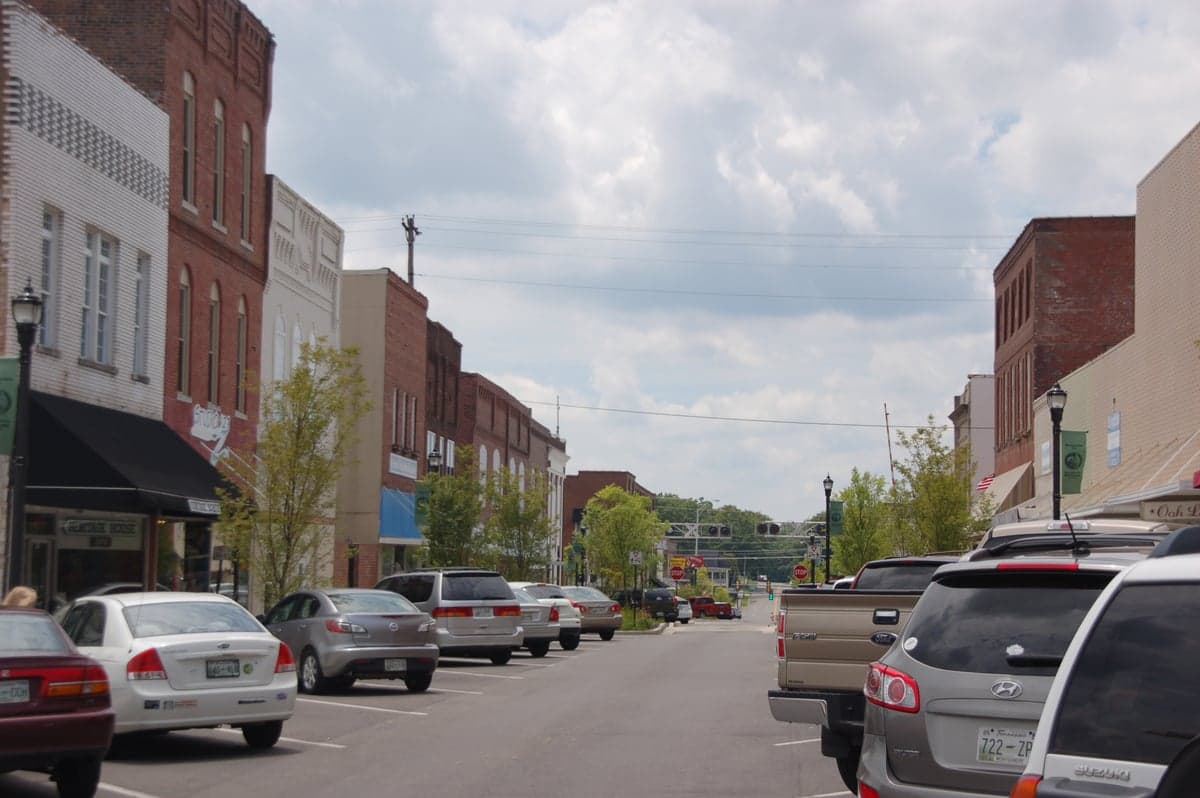
Photo: Wikipedia
Quality of Life in Dickson, TN
A high quality of life with strong walkability, manageable living costs, healthy neighborhood signals, and solid amenity access.
What does Quality of Life tell us?
Quality of Life blends cost of living, nearby amenities, socioeconomic signals, and neighborhood character. City-level scores represent the whole municipality; individual neighborhoods can differ.
What does this tell us?
Quality of Life blends cost of living, nearby amenities, socioeconomic signals, and neighborhood character. City-level scores represent the whole municipality; individual neighborhoods can differ.
Cost of Living
11% below national average
The Real Cost of Living in Dickson, TN for 2026
| Tier | Individual | Family (4) |
|---|---|---|
| Survival | $16k | $30k |
| Comfortable | $51k | $75k |
| Luxury | $111k+ | $172k+ |
| Elite (Top 5%) | $130k+ | $202k+ |
92%
The Area Signal
A metric tracking the socioeconomic signals of the area.
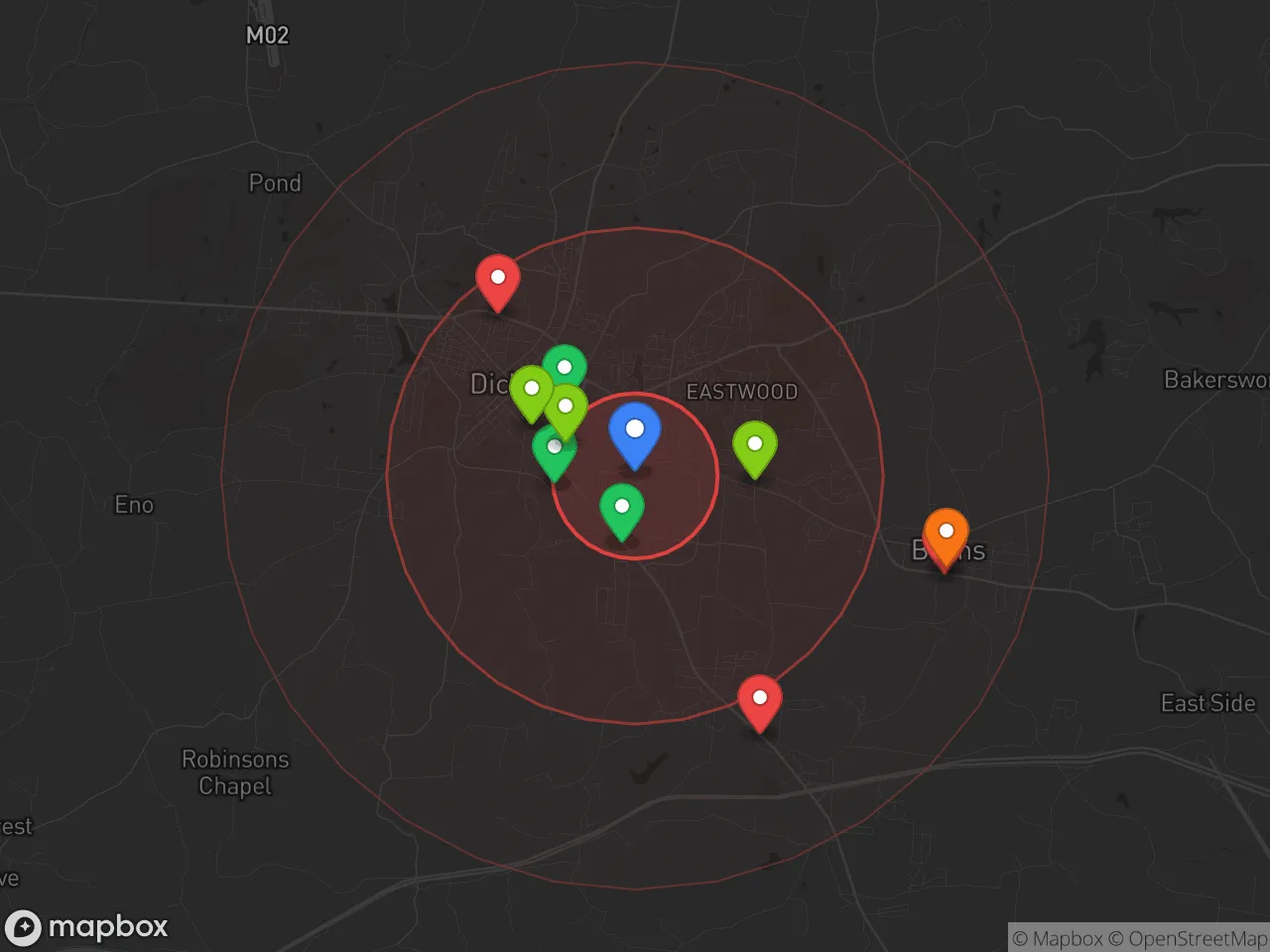
Hobbies
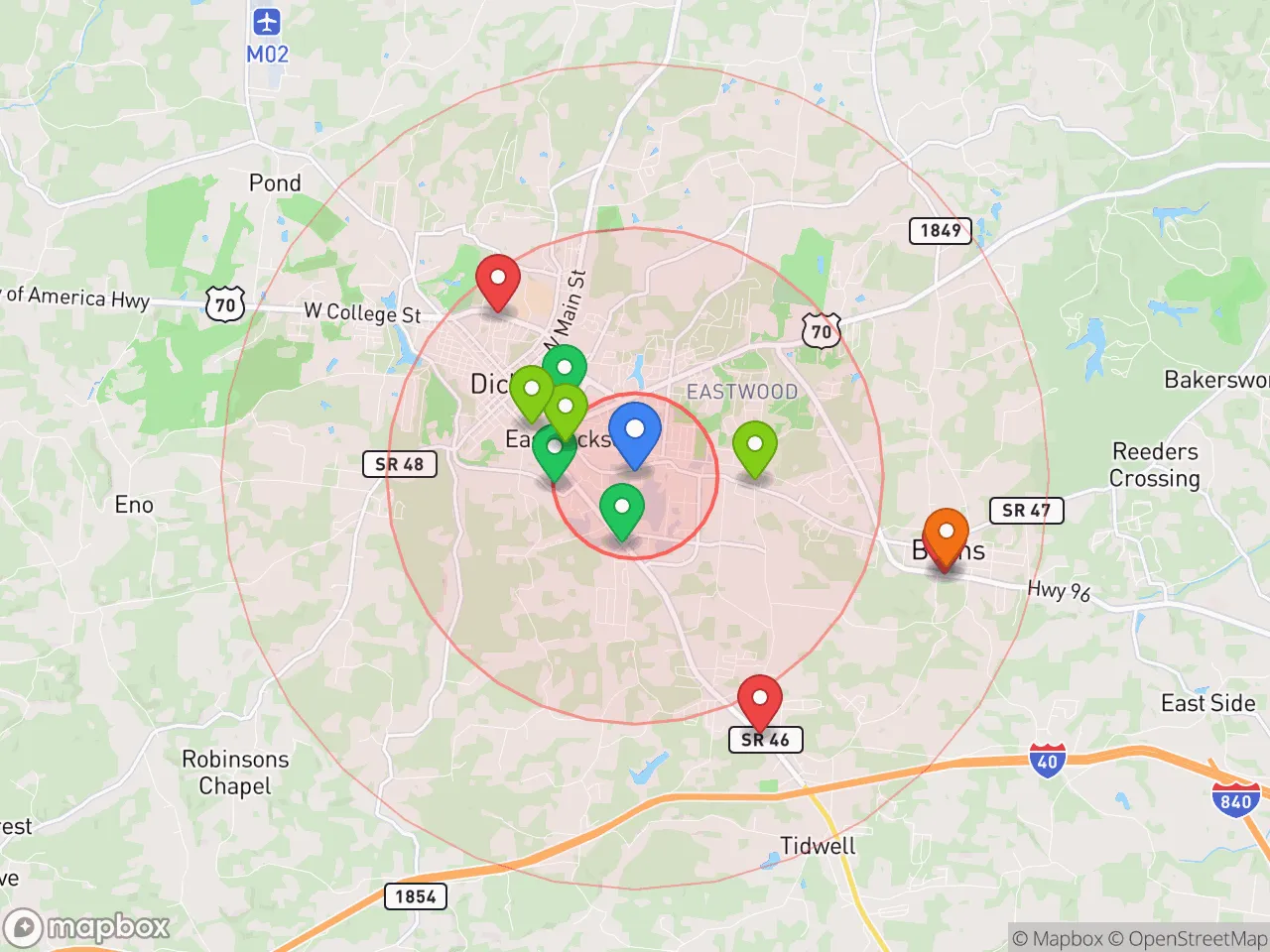
Explore the areaGroceries
3 within 10 miles
Gas
20 within 10 miles
Hospital
3 within 20 miles
Airport
BNA — Nashville International
Post Office
USPS — Dickson, TN
Critical Amenities
Quality-of-Life Analysis
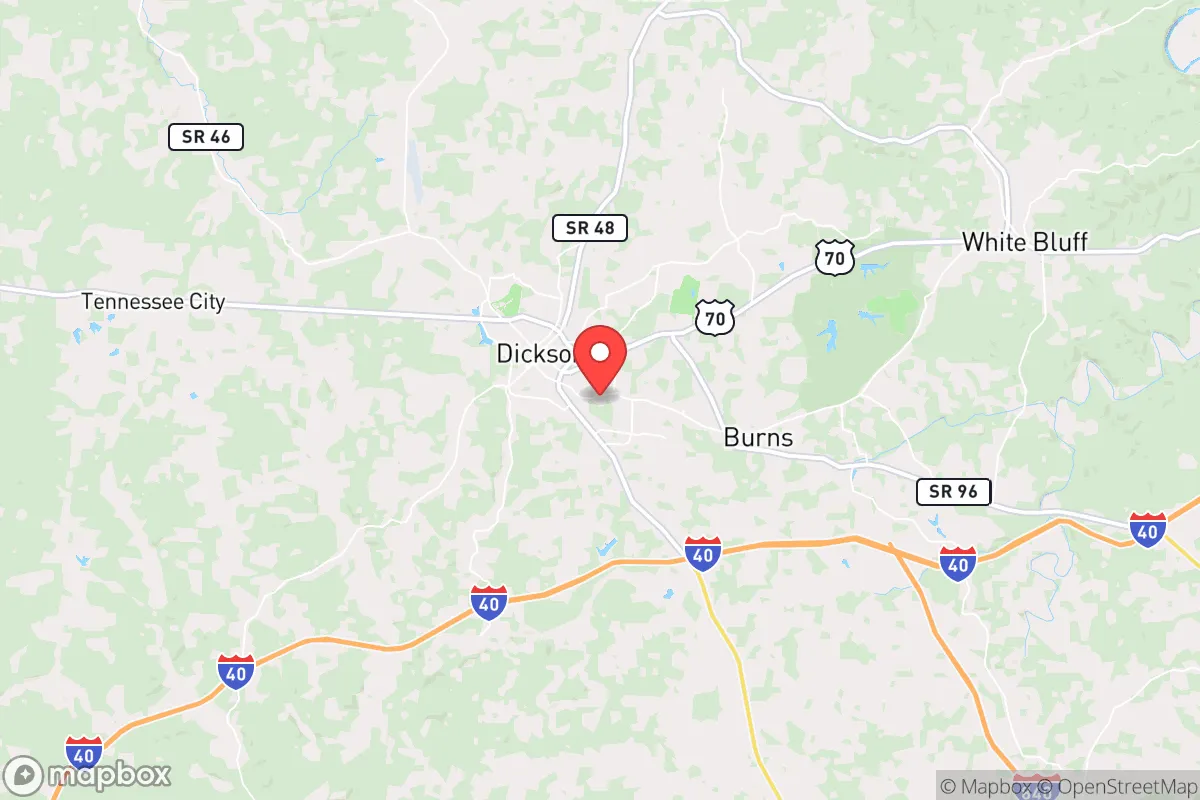
Dickson, Tennessee, presents a middle-market quality of life shaped by its role as a bedroom community for Nashville, 40 miles east, and as a self-contained county seat for Dickson County. The area’s affluence is modest compared to the booming Williamson County suburbs: the median household income hovers around $58,000, and the population of roughly 16,000 skews toward families and long-term residents rather than transient professionals. The city attracts people who want Tennessee’s lower taxes and slower pace but cannot afford—or choose not to pay for—the premium pricing of Franklin or Brentwood.
Cost of living, housing affordability, and how Dickson compares to Nashville
Dickson’s cost of living index stands at 89, 11 points below the national average, making it one of the more affordable options within commuting distance of Nashville. The median home value of $263,100 is roughly half the Nashville metro median of $480,000, and the median rent of $999 undercuts the metro average by about $400 per month. Property taxes remain low—Dickson County’s effective rate is approximately 0.55% of assessed value—which keeps monthly carrying costs manageable even for first-time buyers. However, the trade-off is a longer average commute of 26.4 minutes, which rises to 40–50 minutes for those driving into downtown Nashville daily. For renters, the $999 median is achievable on a single income near the area median, but inventory of units under $900 is tight, with vacancy rates below 4% as of early 2026.
Local amenities, schools, and what daily life feels like
Daily life in Dickson centers on a compact historic downtown with locally owned restaurants like The Bistro at 109 and Mack’s Bar-B-Que, plus the Renaissance Center, a performing arts and conference venue that hosts community theater and concerts. The Dickson County School District serves the city with seven elementary schools, two middle schools, and Dickson County High School, which has a graduation rate of 92% and offers several Advanced Placement courses. For outdoor recreation, Montgomery Bell State Park, a 3,800-acre park with hiking, fishing, and a golf course, lies 10 minutes west of downtown. The retail corridor along Highway 46 includes a Walmart Supercenter, Kroger, and a growing number of chain restaurants, but residents still drive to Cool Springs or Nashville for specialty shopping and major medical care. The rhythm is distinctly suburban-rural: quiet evenings, low traffic outside of the 7–9 AM and 4–6 PM windows, and a strong presence of churches and civic groups like the Dickson Lions Club.
Who thrives in Dickson? Families seeking a lower-cost entry point into Middle Tennessee’s job market, remote workers who need only occasional in-person meetings in Nashville, and retirees who want proximity to city amenities without the urban price tag. Singles and young professionals without cars may find the lack of public transit and the car-dependent layout limiting. The city’s quality of life is best described as solidly middle-class—affordable, safe, and slow-paced—but it requires accepting a longer commute and fewer entertainment options than Nashville’s core suburbs provide.

Crime in Dickson, TN
Crime rates similar to the national median for U.S. locations.
Violent CrimeViolent Crime Analysis
Property CrimeProperty Crime Analysis
Crime Analysis
Dickson, Tennessee, presents a mixed safety picture that requires careful consideration for potential residents. The city’s violent crime rate of 368.7 incidents per 100,000 residents and property crime rate of 1,948.9 per 100,000 place it above the national average for both categories, signaling that crime is a tangible concern rather than an abstract risk. These figures, drawn from the most recent FBI Uniform Crime Reporting data, indicate that Dickson is not a low-crime haven, and prospective movers should weigh this reality against the city’s lower cost of living and proximity to Nashville.
Crime in context
When compared to Tennessee’s statewide violent crime rate of roughly 640 per 100,000, Dickson’s 368.7 figure is notably lower, suggesting the city is safer than many other parts of the state. However, the national violent crime rate hovers around 380 per 100,000, meaning Dickson sits just below that benchmark. The property crime rate tells a different story: at 1,948.9 per 100,000, it exceeds both the Tennessee average (approximately 2,500) and the national average (roughly 1,950), placing it in a middle tier where theft and burglary are more common than in safer suburbs. These numbers reflect a community where property offenses—particularly larceny and vehicle theft—are the primary drivers of overall crime, while violent incidents like assault and robbery occur less frequently but remain a real concern.
What residents experience
Daily life for Dickson residents involves navigating a community where property crime is the most likely threat. Reports of stolen packages, unlocked vehicle break-ins, and occasional residential burglaries are not uncommon, especially in areas near the downtown corridor and along Highway 46. Violent crime, while less frequent, does occur, with incidents often tied to domestic disputes or isolated altercations rather than random attacks. The presence of a progressive judicial philosophy in the broader Middle Tennessee region—including in some district attorney offices that emphasize diversion programs and reduced sentencing—raises legitimate concerns about recidivism and the swift return of offenders to the streets. This ideological approach, while well-intentioned, can undermine public safety by prioritizing offender rehabilitation over victim protection and deterrence, a dynamic that residents in Dickson and surrounding counties must contend with.
Neighborhood-level variation in Dickson is significant. The safest areas tend to be the newer subdivisions on the city’s south and west sides, such as those off Highway 46 South and near Dickson Elementary, where home values are higher and community watch programs are active. Older neighborhoods closer to the historic downtown square and along Church Street report higher incidences of property crime and occasional drug-related activity. The rural outskirts of Dickson County, including communities like Burns and Charlotte, offer substantially lower crime rates, though they come with longer commutes. For those considering a move, consulting local police department crime maps and speaking with current residents in specific subdivisions is advisable to gauge the true safety of a given block.
* Values derived from national, state, county, city and local statistics and may differ in a specific area. Last updated: 2026-04-21T09:13:57.000Z
Narrative content on this page is AI-generated and may contain mistakes. Verify any details that matter before acting on them.
ReloMaps may earn a commission from affiliate links at no extra cost to you.

