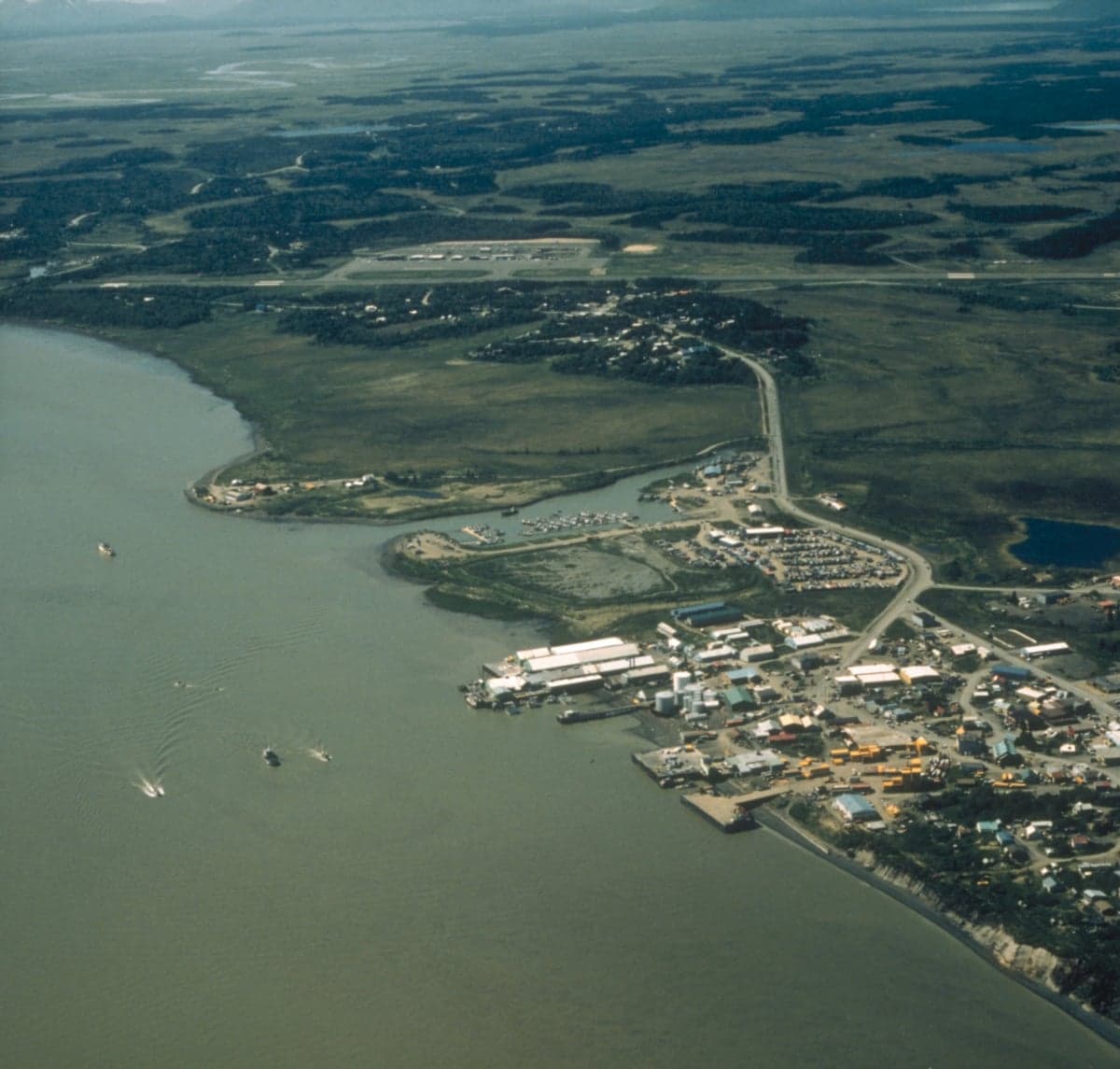
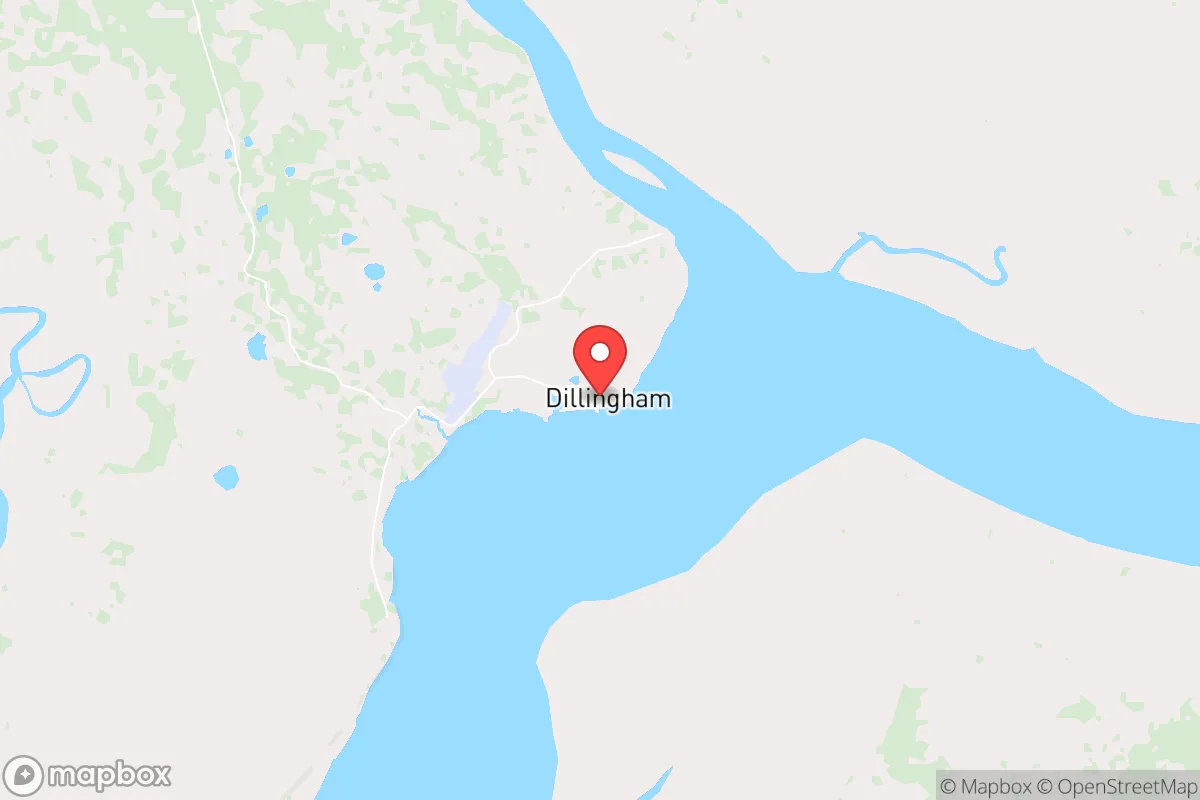
Photo: Wikipedia
Quality of Life in Dillingham, AK
Above-average quality of iife. The area offers a reasonable cost of living, decent mobility, and a mix of neighborhood amenities.
What does Quality of Life tell us?
Quality of Life blends cost of living, nearby amenities, socioeconomic signals, and neighborhood character. City-level scores represent the whole municipality; individual neighborhoods can differ.
What does this tell us?
Quality of Life blends cost of living, nearby amenities, socioeconomic signals, and neighborhood character. City-level scores represent the whole municipality; individual neighborhoods can differ.
Cost of Living
7% above national average
The Real Cost of Living in Dillingham, AK for 2026
| Tier | Individual | Family (4) |
|---|---|---|
| Survival | $20k | $37k |
| Comfortable | $60k | $88k |
| Luxury | $133k+ | $206k+ |
| Elite (Top 5%) | $156k+ | $242k+ |
113%
The Area Signal
A metric tracking the socioeconomic signals of the area.


Hobbies
Explore the areaGroceries
2 within 10 miles
Gas
0 within 10 miles
Hospital
2 within 20 miles
Airport
Dillingham Airport (DLG)
Post Office
USPS — Dillingham, AK
Critical Amenities
Quality-of-Life Analysis
Dillingham, Alaska, presents a quality of life shaped by its remote location and strong subsistence culture, with a cost of living index of 107 (7% above the U.S. average) that reflects the logistical challenges of a community accessible only by air or water. The population of roughly 2,200 is predominantly Alaska Native (Yup'ik and Alutiiq), and the local economy is a blend of commercial fishing, government services, and seasonal work. Affluence is modest compared to urban Alaska; median household income hovers around $55,000, and the area attracts people who value deep community ties, outdoor self-sufficiency, and a slower pace over material wealth.
Cost of living, housing affordability, and how Dillingham compares to nearby towns
Housing in Dillingham is notably expensive relative to the rest of Alaska, with a median home value of $306,800 and a median rent of $1,235—figures that are roughly 15-20% higher than in comparable Southwest Alaska communities like Bethel (median home value ~$260,000) or King Salmon (~$220,000). The cost of living index of 107 is driven primarily by high transportation and utility costs; groceries and fuel can be 30-50% more than in Anchorage due to barge and air freight. The average commute of just 19.5 minutes is among the shortest in the state, reflecting the town's compact layout and the fact that many residents live within walking distance of work or the harbor. For renters, the market is tight—vacancy rates are often below 2%—and homeownership is challenging for first-time buyers without significant savings or local employment. Compared to Anchorage (COL index 128), Dillingham is actually more affordable in housing, but the lack of road access and limited retail options mean residents pay a premium for everyday goods.
Local amenities, schools, and what daily life is like for families
Daily life in Dillingham revolves around the Nushagak River and Bristol Bay, with commercial fishing (especially salmon) dominating summer months and subsistence activities like berry picking, hunting, and fishing providing year-round food security. The town has a small grocery store (AC Value Center), a hardware store, a clinic (Bristol Bay Area Health Corporation), and a handful of restaurants and bars, but lacks a movie theater, chain retailers, or a hospital—serious medical cases require a medevac to Anchorage. The Dillingham City School District serves about 400 students across three schools: Dillingham Elementary, Dillingham Middle School, and Dillingham High School, with a student-teacher ratio of roughly 12:1 and a graduation rate near 80%. For families, the rhythm is dictated by the fishing season (May-September), when many parents work long hours at the canneries or on boats, and by winter activities like snowmachining, ice fishing, and basketball. Internet access is available but slower and more expensive than urban areas, with Starlink becoming a popular alternative to the limited local DSL.
Who thrives in Dillingham? The community is best suited for individuals and families who are self-reliant, comfortable with isolation, and deeply interested in Alaska Native culture or the fishing industry. People who value a tight-knit social fabric, where neighbors help with boat repairs or share moose meat, will find Dillingham rewarding. Conversely, those seeking urban amenities, year-round road access, or a wide range of career options beyond fishing and public service will likely struggle. The trade-off is clear: lower crime rates than Alaska's urban centers, unparalleled access to wilderness, and a strong sense of purpose tied to the land and water, but at the cost of convenience, choice, and connectivity.

Crime in Dillingham, AK
Lower crime rates than 89% of comparable U.S. locations.
Violent CrimeViolent Crime Analysis
Property CrimeProperty Crime Analysis
Crime Analysis
Dillingham, Alaska, presents a notably low-crime environment compared to both state and national averages, making it one of the safer communities in the Bristol Bay region. With a violent crime rate of 235.6 per 100,000 residents and a property crime rate of just 47.1 per 100,000, the town offers a level of security that is rare even by rural Alaska standards. These figures reflect a community where serious crime is infrequent and where residents generally feel safe in their daily routines.
Crime in context
Dillingham’s violent crime rate of 235.6 per 100,000 is roughly 35% lower than the national average of about 380 per 100,000 and significantly below Alaska’s state average, which often exceeds 600 per 100,000 due to high rates in larger cities like Anchorage and Fairbanks. The property crime rate of 47.1 per 100,000 is dramatically lower than both the national average (approximately 1,950 per 100,000) and the Alaska state average (around 2,200 per 100,000). This places Dillingham in a category of extreme safety for property offenses, with theft, burglary, and motor vehicle theft being rare events. The low numbers are partly attributable to the town’s small population (roughly 2,200), its remote location accessible only by air or water, and the strong community ties that discourage opportunistic crime.
What residents experience
For those living in Dillingham, the primary safety concerns are not the typical urban crime categories but rather seasonal and environmental factors. Alcohol-related incidents and domestic disputes account for a portion of the violent crime that does occur, often concentrated during the busy summer fishing season when the population swells with seasonal workers. Property crime is so infrequent that many residents do not lock their doors or vehicles, a practice that would be unthinkable in larger Alaska cities like Anchorage or Juneau. The local police department and Alaska State Troopers maintain a visible presence, and the community’s isolation acts as a natural deterrent to outside criminal elements. Dillingham’s low property crime rate is particularly striking when compared to the state’s larger metro areas, where progressive district attorneys and lenient sentencing policies have been linked to higher recidivism and reduced public confidence in the justice system.
Neighborhood-level variation
Neighborhood-level crime data for Dillingham is limited due to the town’s small size and the rarity of serious incidents. However, anecdotal reports suggest that the area around the Dillingham Harbor and the commercial district near Kanakanak Road sees slightly more activity during the summer fishing season, including occasional thefts from boats or gear. Residential areas on the outskirts, such as those along Lake Street and the Aleknagik Lake Road corridor, are considered extremely safe year-round. The nearby village of Aleknagik, about 20 miles away, reports similarly low crime rates. Overall, Dillingham offers a level of personal and property security that is exceptional for Alaska, with residents enjoying a lifestyle largely free from the violent and property crime concerns that dominate discussions in the state’s urban centers.
* Values derived from national, state, county, city and local statistics and may differ in a specific area. Last updated: 2026-04-19T19:18:34.000Z
Narrative content on this page is AI-generated and may contain mistakes. Verify any details that matter before acting on them.
ReloMaps may earn a commission from affiliate links at no extra cost to you.

