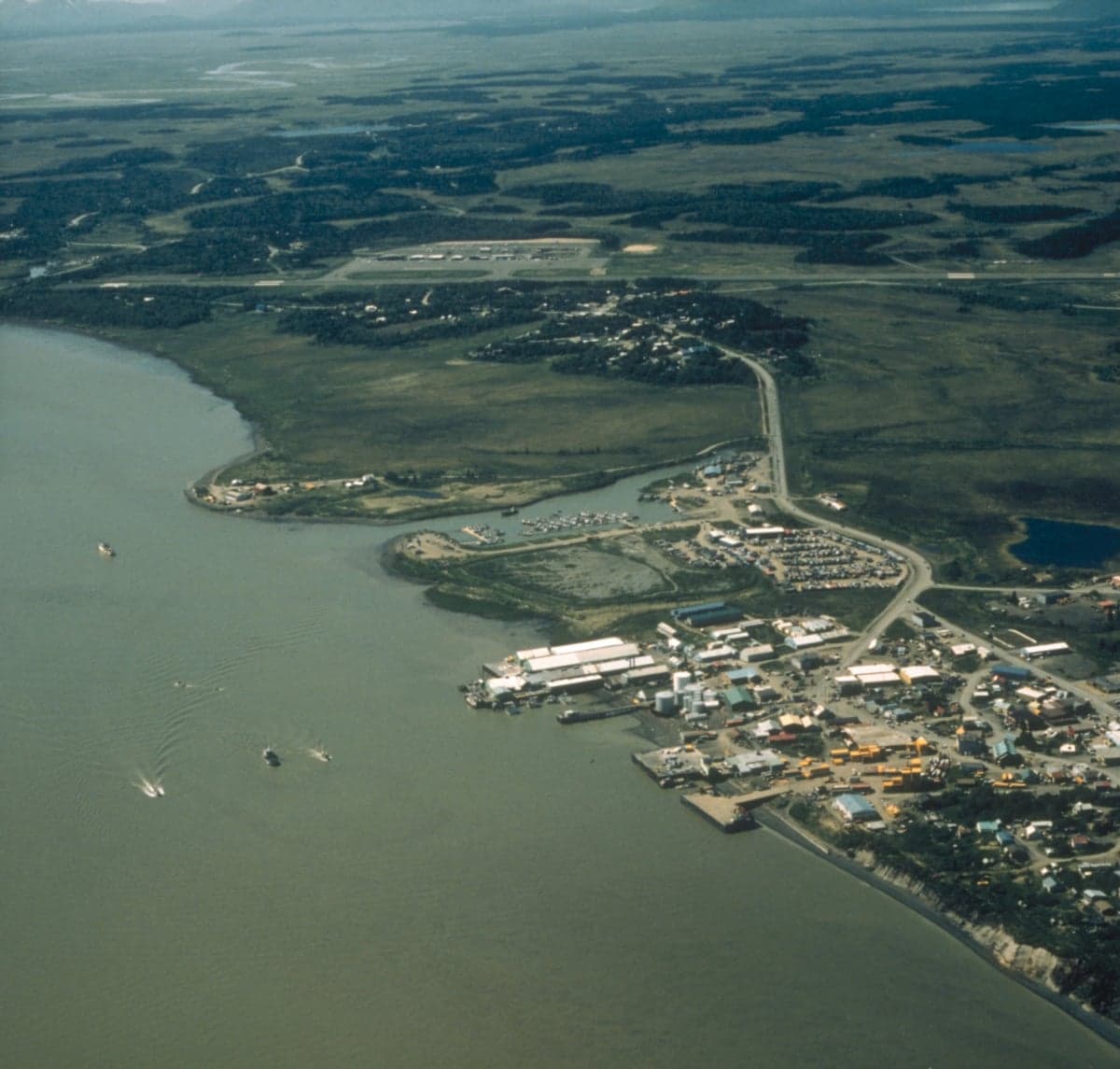
Photo: Wikipedia
Strategic Assessment of Dillingham, AK
Strong survivability profile. Good buffer from population centers, with manageable environmental and tactical risks.
What does the Strategic Assessment tell us?
Our Strategic Assessment grades tactical survivability of an area. Major population centers, military targets, fallout zones, natural disasters, and border exposure all drive risk — lower exposure means a more defensible position in a crisis.
This is heavily inspired by Joel Skousen's Strategic Relocation book. Highly recommended you checkout the book ($)What does this tell us?
Our Strategic Assessment grades tactical survivability of an area. Major population centers, military targets, fallout zones, natural disasters, and border exposure all drive risk — lower exposure means a more defensible position in a crisis.
This is heavily inspired by Joel Skousen's Strategic Relocation book. Highly recommended you checkout the book ($)Strategic Pillars

Key Distances
Regional Safe Places
Below is our recommended "safe zones" in Alaska and the surrounding area based on our strategic heuristics. For most people, it's unrealistic to live in a “safe zone” full-time due to work, family or other personal reasons. They tend to be more rural. However, many of these areas are perfect for second homes and retreat properties that double as a vacation home or even a short-term rental.
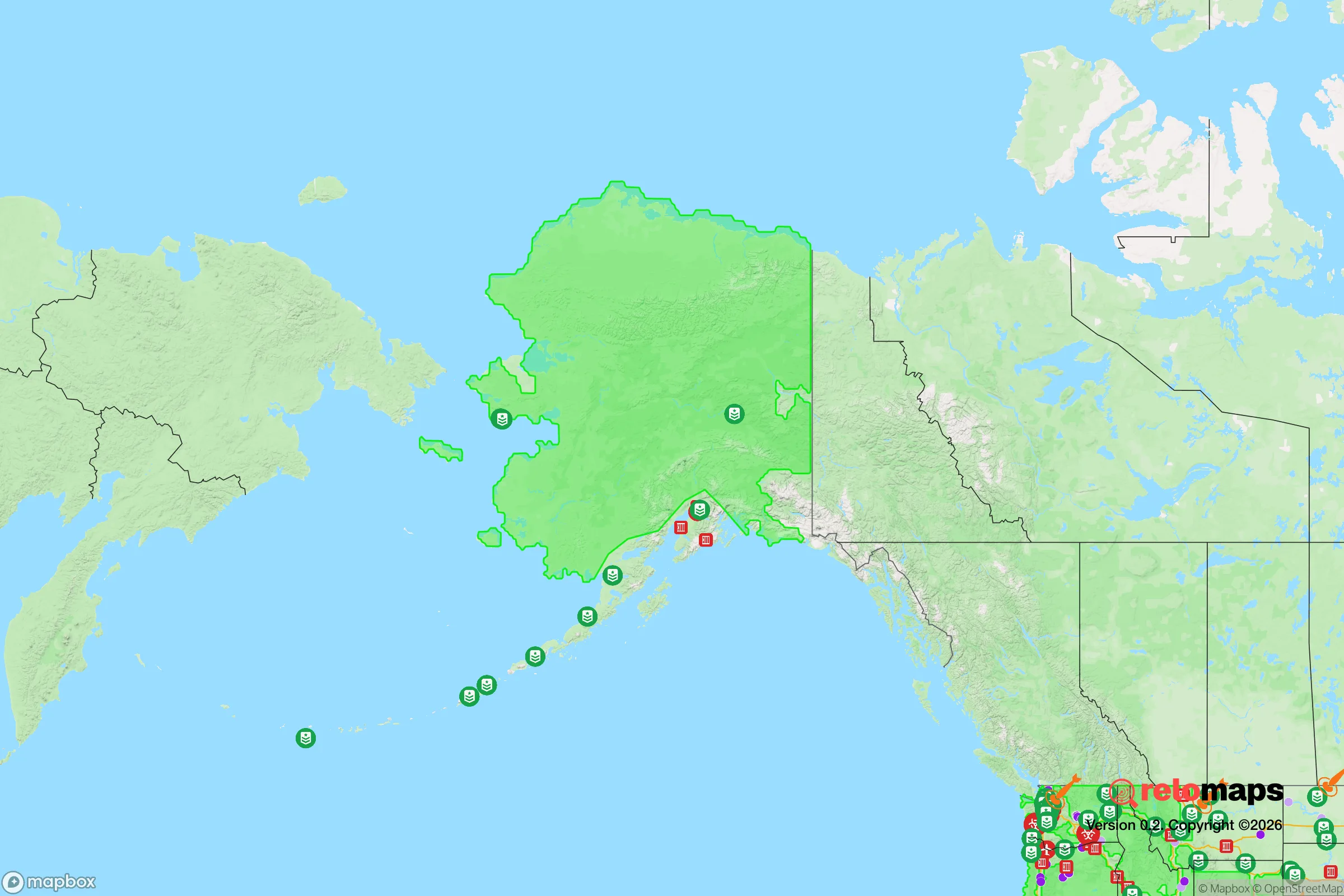
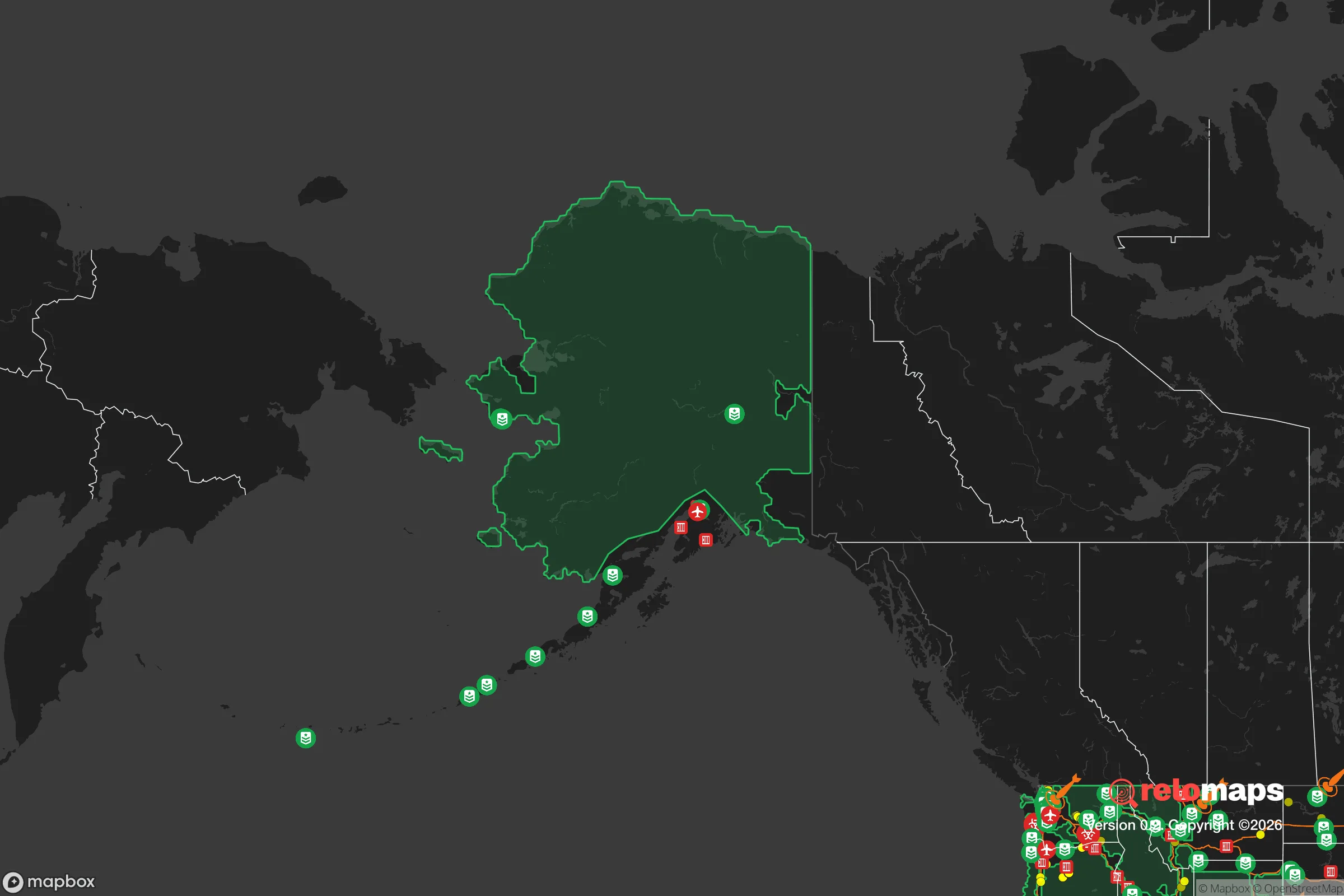


Important Note: For informational purposes only. This does not mean nothing bad ever happens in the green zones. Please use common sense. This is based on public data and modeled with AI. We tried to take a conservative approach but mistakes happen. We update this regularly as new information becomes available.
Solar Generator Recommendations
Backup power matters more here than in safer locations. We've picked three solar generators across budgets and capacity tiers — start with the budget unit if you only need a few essentials, or step up if you want to run a fridge and HVAC for days at a time.

Jackery Portable Power Station Explorer 300
Budget OptionPower on the Go: Weighing only 11 lbs, it's convenient to set up and store with book-sized foldable solar panels

BLUETTI Portable Power Station AC180
Designed for both indoor and outdoor scenarios, AC180 is highly capable as it has a robost capacity and continuous output power.

EF ECOFLOW DELTA Pro Ultra Power Station
Upgraded PickEcoFlow DELTA Pro Ultra is a whole-home energy system designed to grow with your family. Integrated with the Smart Home Panel 2, it scales to meet your evolving energy needs — keeping your home powered, intelligent, and secure through every stage of life.
We earn a commission, at no additional cost to you.
Strategic Assessment Analysis
Dillingham, Alaska, sits as one of the most strategically resilient locations in the United States for those prioritizing long-term survival and self-sufficiency. Its extreme remoteness—accessible only by air or sea—creates a natural buffer against the cascading failures of urban infrastructure, civil unrest, and mass casualty events that increasingly threaten the Lower 48. For a conservative-leaning relocator who views the current national trajectory with concern, Dillingham offers a hard, defensible anchor point in a world of soft, vulnerable targets.
Geographic isolation and natural defensive advantages
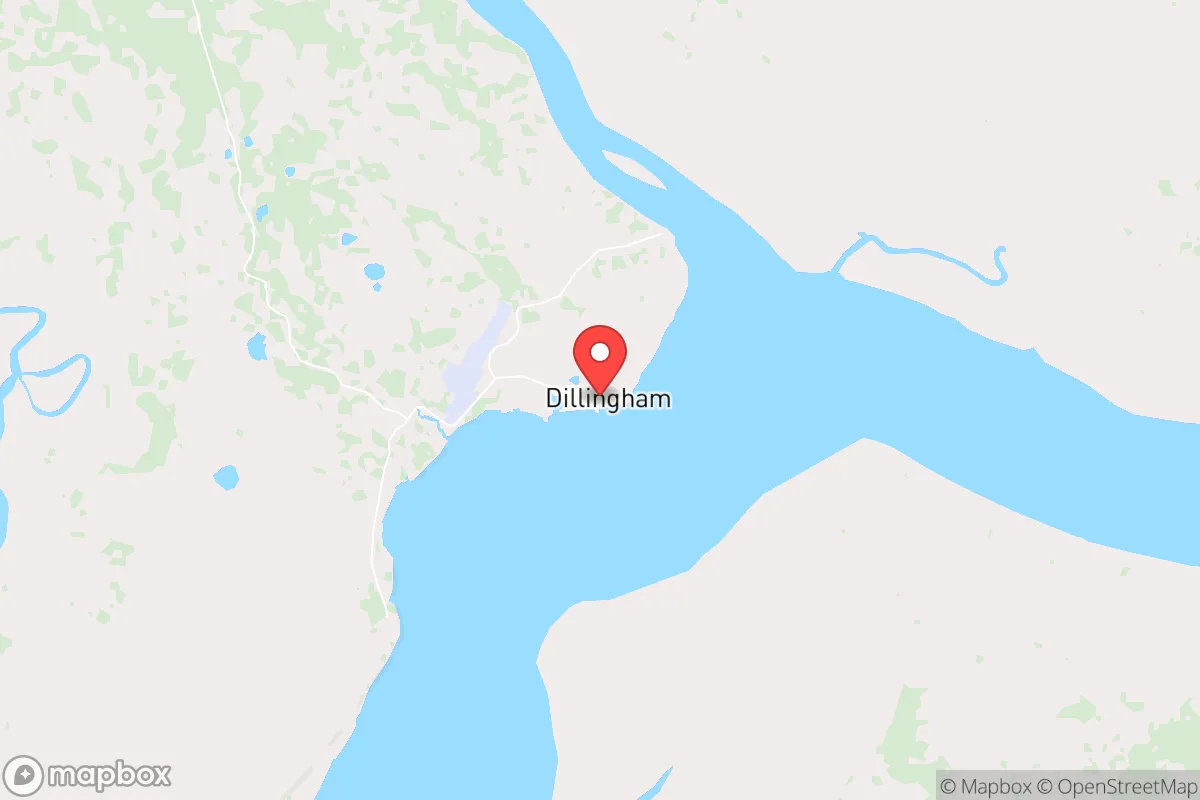
Dillingham’s primary strategic asset is its location on Nushagak Bay in Bristol Bay, roughly 330 miles southwest of Anchorage. There are no roads connecting it to the rest of Alaska—or anywhere else. This geographic isolation means that any large-scale evacuation, refugee flow, or supply chain disruption that plagues the Lower 48 simply cannot reach Dillingham by land. The nearest major population center, Anchorage, is a 45-minute flight away, and in a collapse scenario, air travel becomes a non-starter for most. The town’s position on the bay also provides a natural moat: any approach by water is visible for miles, and the Bering Sea’s notoriously rough weather acts as a further deterrent. For a prepper, this is the closest thing to a fortress without walls. The surrounding terrain—tundra, wetlands, and low mountains—offers limited avenues for overland approach, making the area highly defensible with minimal manpower. The Bristol Bay region is also one of the few places in Alaska where the salmon run remains robust, providing a renewable, protein-rich food source that has sustained indigenous populations for millennia.
Risks, exposures, and proximity to fallout-relevant landmarks
Dillingham’s risks are primarily environmental and logistical, not man-made. There are no major military installations, nuclear power plants, or strategic infrastructure within hundreds of miles. The closest potential fallout-relevant landmark is Joint Base Elmendorf-Richardson near Anchorage, but that’s over 300 miles away—well outside the lethal blast radius of any conventional or nuclear strike. The real dangers here are natural: extreme cold, seasonal flooding, and the ever-present risk of a major earthquake (the region sits near the Alaska-Aleutian subduction zone). A tsunami from a quake in the Gulf of Alaska could theoretically reach Bristol Bay, but the bay’s shallow waters and the town’s elevation (roughly 30 feet above sea level) mitigate that threat. The bigger concern is supply chain disruption. Dillingham relies almost entirely on barge and air freight for fuel, ammunition, medical supplies, and manufactured goods. A prolonged national emergency—say, a grid-down event or port shutdown—would cut off these lifelines within weeks. This is the single most critical vulnerability for a relocator: you cannot survive here without a pre-positioned stockpile of fuel, food, and ammunition. The town’s population of roughly 2,300 is small enough to avoid the chaos of a city, but large enough that a sudden influx of refugees from Anchorage (if air travel were still possible) could strain local resources. However, the lack of road access makes a mass exodus to Dillingham logistically improbable.
Practical resilience for a relocator: food, water, energy, and defensibility
For a serious prepper, Dillingham offers a rare combination of natural abundance and hard defensibility. Food security is the standout advantage. The Bristol Bay salmon run is one of the largest in the world, and with a subsistence permit, a family can harvest hundreds of pounds of fish annually. Moose, caribou, and waterfowl are also available, though hunting pressure is moderate. Berry picking (salmonberries, blueberries, cranberries) provides supplemental nutrition. The growing season is short (roughly 90 days), but cold-hardy crops like potatoes, kale, and root vegetables can be grown in raised beds or greenhouses. Water is abundant from the Nushagak River and local lakes, but must be treated or boiled—giardia is a real concern. A good gravity-fed filter or UV system is essential. Energy is the weak link. The town’s power comes from diesel generators, and fuel is delivered by barge once a year. In a collapse, that fuel stops coming. A relocator must bring or build a renewable energy system—solar panels (with battery storage) are viable in summer, but winter daylight is limited to 6-7 hours. Wind turbines or a small hydro setup on a creek could supplement, but require expertise. Defensibility is excellent. The town is compact, with a single main road and limited entry points. A small, well-armed group could control access to the airstrip and harbor. The local population is predominantly Alaska Native (Yup’ik), with a strong subsistence culture and a general distrust of outside authority—which aligns well with a conservative, self-reliant mindset. However, a relocator should expect to be viewed as an outsider for years. Building trust through practical contribution (sharing meat, helping with repairs, learning the language) is non-negotiable.
The overall strategic picture for Dillingham is one of extreme trade-offs. It offers near-total insulation from the collapse scenarios that will devastate the Lower 48—no riots, no supply chain failures, no refugee waves. The natural food base is unmatched in the United States for a remote location. But the price of that insulation is a brutal reliance on pre-positioned supplies and a skill set that most preppers lack: the ability to live in a subarctic environment without modern conveniences. For a single individual or a family willing to invest 2-3 years in building a cache of fuel, ammunition, tools, and medical supplies, Dillingham is a viable long-term redoubt. For anyone expecting to walk in and survive on the land with minimal preparation, it is a death sentence. The conservative calculus here is clear: if you believe the country is headed for a prolonged period of instability, Dillingham is one of the few places where you can truly opt out. But you must bring everything you need to stay opted in.

* Values derived from national, state, county, city and local statistics and may differ in a specific area. Last updated: 2026-04-19T19:18:34.000Z
Narrative content on this page is AI-generated and may contain mistakes. Verify any details that matter before acting on them.
ReloMaps may earn a commission from affiliate links at no extra cost to you.

