Photo: Wikipedia
Quality of Life in Dillon, MT
A high quality of life with strong walkability, manageable living costs, healthy neighborhood signals, and solid amenity access.
What does Quality of Life tell us?
Quality of Life blends cost of living, nearby amenities, socioeconomic signals, and neighborhood character. City-level scores represent the whole municipality; individual neighborhoods can differ.
What does this tell us?
Quality of Life blends cost of living, nearby amenities, socioeconomic signals, and neighborhood character. City-level scores represent the whole municipality; individual neighborhoods can differ.
Cost of Living
24% below national average
The Real Cost of Living in Dillon, MT for 2026
| Tier | Individual | Family (4) |
|---|---|---|
| Survival | $13k | $25k |
| Comfortable | $46k | $68k |
| Luxury | $88k+ | $137k+ |
| Elite (Top 5%) | $104k+ | $161k+ |
76%
The Area Signal
A metric tracking the socioeconomic signals of the area.
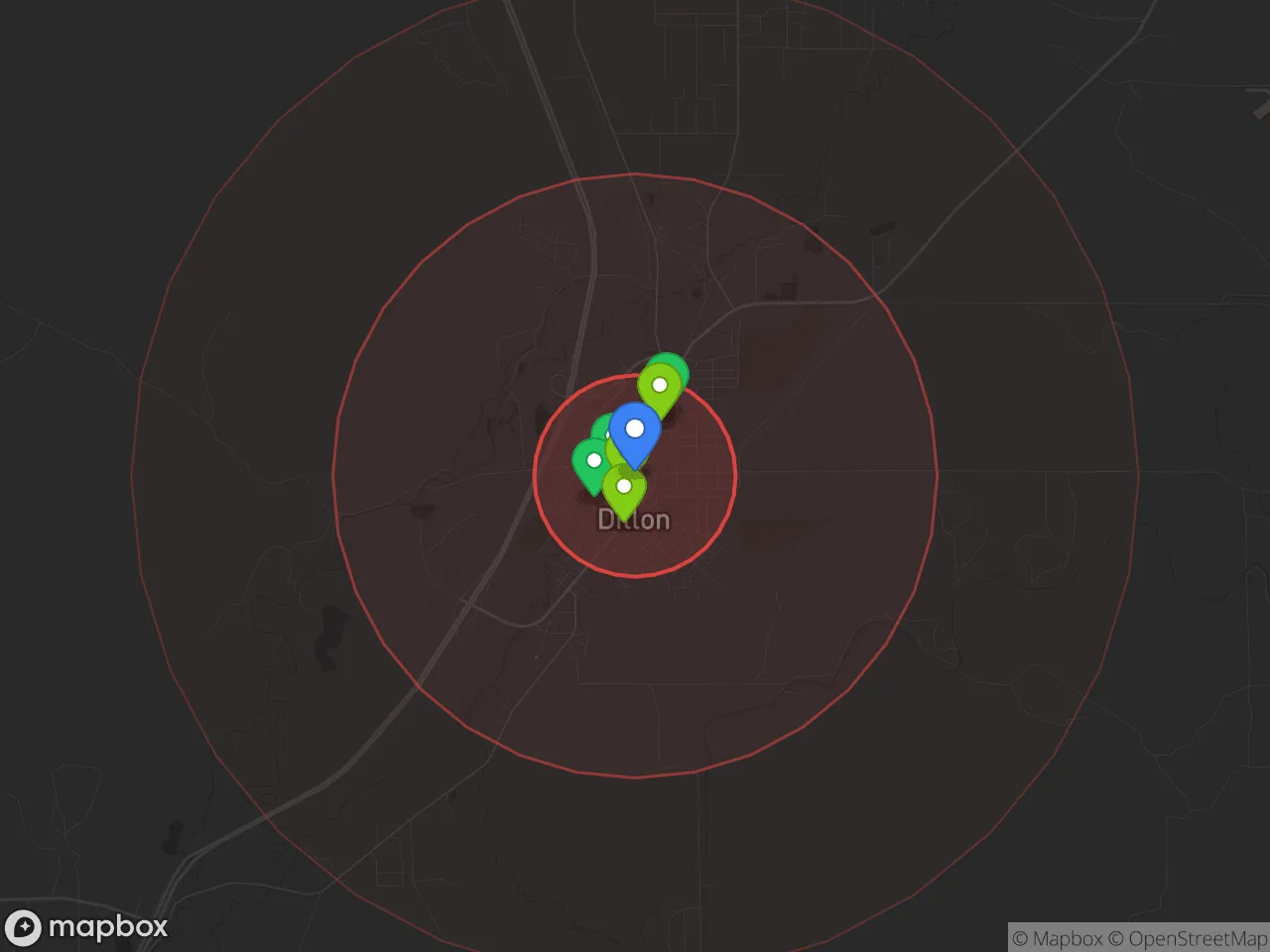
Hobbies
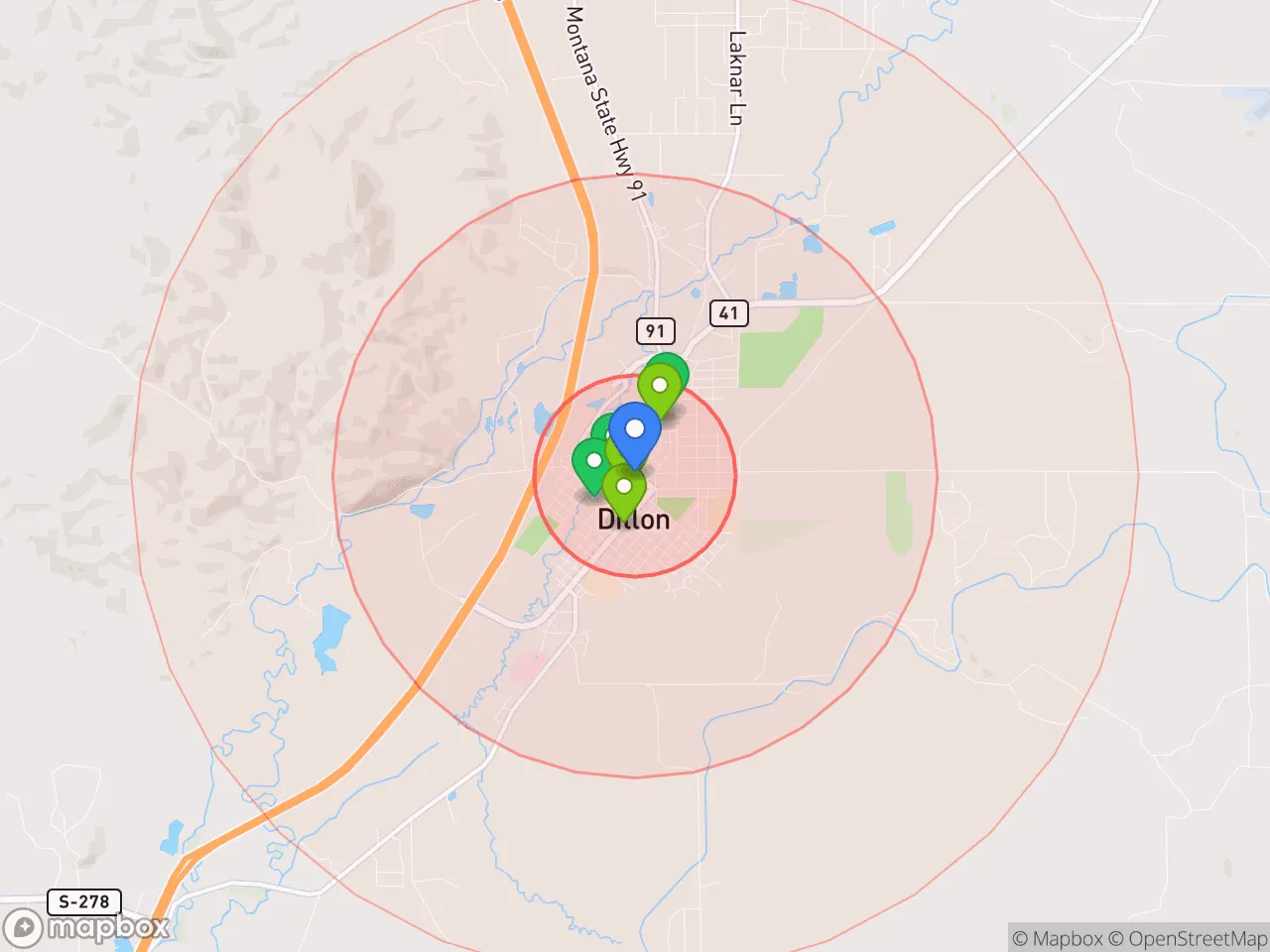
Explore the areaGroceries
1 within 10 miles
Gas
5 within 10 miles
Hospital
1 within 20 miles
Airport
SLC — Salt Lake City International
Post Office
Critical Amenities
Quality-of-Life Analysis
Dillon, Montana, offers a quality of life defined by small-town affordability and a strong sense of community, attracting a mix of retirees, outdoor enthusiasts, and families seeking a slower pace. With a cost of living index of 76—well below the national average of 100—the area is notably more affordable than Bozeman or Missoula, making it a practical choice for those priced out of Montana’s larger college towns. The population skews older and more settled, with a median age around 40, and the local economy is anchored by the University of Montana Western, healthcare at Barrett Hospital, and agriculture.
Cost of living, housing, and how Dillon compares to nearby towns
Dillon’s cost of living is a major draw, with a composite index of 76 meaning everyday expenses run about 24% below the U.S. average. The median home value sits at $237,500, roughly half of Bozeman’s median and significantly less than Butte’s $200,000 range, offering a rare entry point into Montana homeownership. Renters also benefit: the median rent of $821 is about 30% lower than the state average, though availability can be tight during the academic year when University of Montana Western students compete for units. The average commute of just 19 minutes is a standout—far shorter than the 25-minute national average—reflecting the town’s compact layout and minimal traffic. Property taxes in Beaverhead County are moderate, around 0.7% of assessed value, keeping monthly housing costs manageable even for single-income households.
Local amenities, schools, and the daily rhythm of life
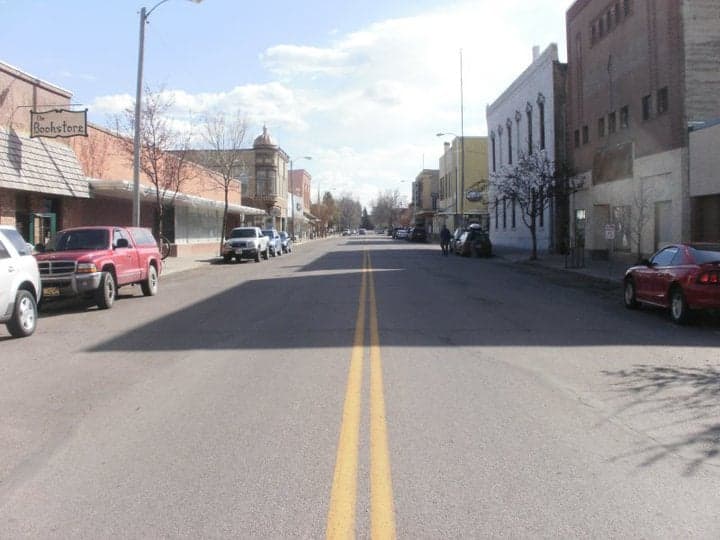
Daily life in Dillon revolves around a walkable downtown core along South Montana Street, where locals frequent the Beaverhead County Museum, the historic Elks Theatre, and independent shops like The Bookstore. The public school system, Dillon Elementary and Beaverhead County High School, maintains student-teacher ratios near 15:1, and the high school offers dual-credit courses through the university. For outdoor recreation, the Beaverhead River runs through town, providing blue-ribbon trout fishing, while the nearby Pioneer Mountains offer hiking and snowmobiling within a 30-minute drive. The town lacks a major grocery chain like Costco or Whole Foods, but the local IGA and farmers market (June–October) cover essentials. Healthcare is handled by Barrett Hospital & Healthcare, a critical-access facility with a 24-hour emergency room, though specialists often require a 90-minute drive to Butte or Missoula. The social calendar is paced by high school sports, the annual Beaverhead County Fair in August, and university events, giving the town a predictable, family-oriented rhythm.
Dillon is best suited for those who value quiet, affordability, and outdoor access over urban nightlife or career diversity. Retirees on fixed incomes will appreciate the low housing costs and short commutes, while remote workers can leverage the town’s reliable fiber internet (speeds up to 1 Gbps via VisionNet). Families with school-age children will find a safe, tight-knit environment, but young professionals seeking high-paying jobs or a vibrant dining scene may feel limited. For anyone willing to trade convenience for space and a slower tempo, Dillon delivers a stable, low-stress quality of life that is increasingly rare in the Mountain West.

Crime in Dillon, MT
Lower crime rates than 89% of comparable U.S. locations.
Violent CrimeViolent Crime Analysis
Property CrimeProperty Crime Analysis
Crime Analysis
Dillon, Montana, presents a notably low-crime environment compared to both state and national averages, with violent crime rates roughly half the U.S. figure and property crime rates well below the Montana median. The town’s violent crime rate of 184.5 incidents per 100,000 residents and property crime rate of 299.7 per 100,000 place it among the safer communities in Beaverhead County. These figures reflect a community where serious offenses are uncommon, though residents should remain aware of typical rural property concerns.
Crime in context
Dillon’s violent crime rate of 184.5 per 100,000 is significantly lower than the national average of approximately 380 per 100,000 and the Montana state average of roughly 330 per 100,000. Property crime in Dillon, at 299.7 per 100,000, is also well below the Montana average of about 1,900 per 100,000 and the national figure of roughly 1,950 per 100,000. This places Dillon in a favorable position compared to larger Montana cities like Billings or Missoula, where property crime rates are substantially higher. The town benefits from a small population (roughly 4,000 residents) and a tight-knit community dynamic that often deters serious criminal activity. Importantly, Dillon is not located near a large, liberal-leaning metropolitan area with progressive prosecution policies—a factor that can correlate with higher recidivism and reduced public safety in some regions. The local justice system in Beaverhead County is generally regarded as conservative and victim-focused, which contributes to the area’s low crime profile.
What residents experience
For those living in Dillon, the most common safety concerns revolve around minor property crimes such as theft from vehicles, occasional vandalism, and isolated instances of burglary. Violent crime is rare, with the most serious incidents typically involving domestic disputes or alcohol-related altercations rather than random street violence. Residents often report feeling safe walking downtown or leaving doors unlocked during the day, though standard precautions are still advised at night. The presence of the University of Montana Western adds a transient student population, but campus security and local police maintain a visible presence that keeps student-related incidents low. The town’s remote location—over 60 miles from the nearest city of significant size—means that external crime pressures common in larger metro areas are largely absent.
Neighborhood-level variation in Dillon is minimal, as the town is compact and socioeconomically homogeneous. The area around the university and the historic downtown core sees slightly higher foot traffic and occasional petty theft, while outlying residential streets and rural subdivisions experience virtually no crime. The most affluent neighborhoods, such as those near the Beaverhead River or along the western edge of town, report the lowest incident rates. Overall, Dillon offers a safe, low-stress environment where serious crime is an exception rather than a norm, making it an attractive option for families, retirees, and anyone seeking a secure small-town lifestyle in southwestern Montana.
* Values derived from national, state, county, city and local statistics and may differ in a specific area. Last updated: 2026-04-30T01:43:42.000Z
Narrative content on this page is AI-generated and may contain mistakes. Verify any details that matter before acting on them.
ReloMaps may earn a commission from affiliate links at no extra cost to you.

