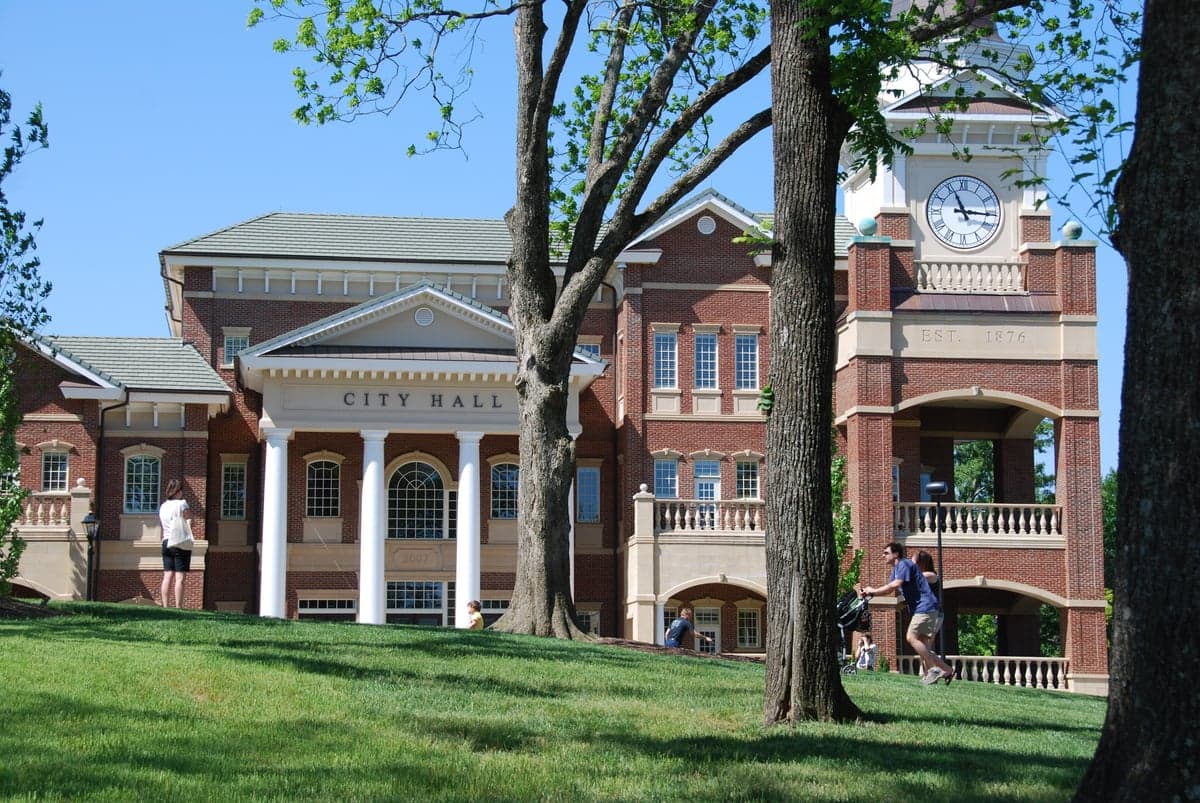
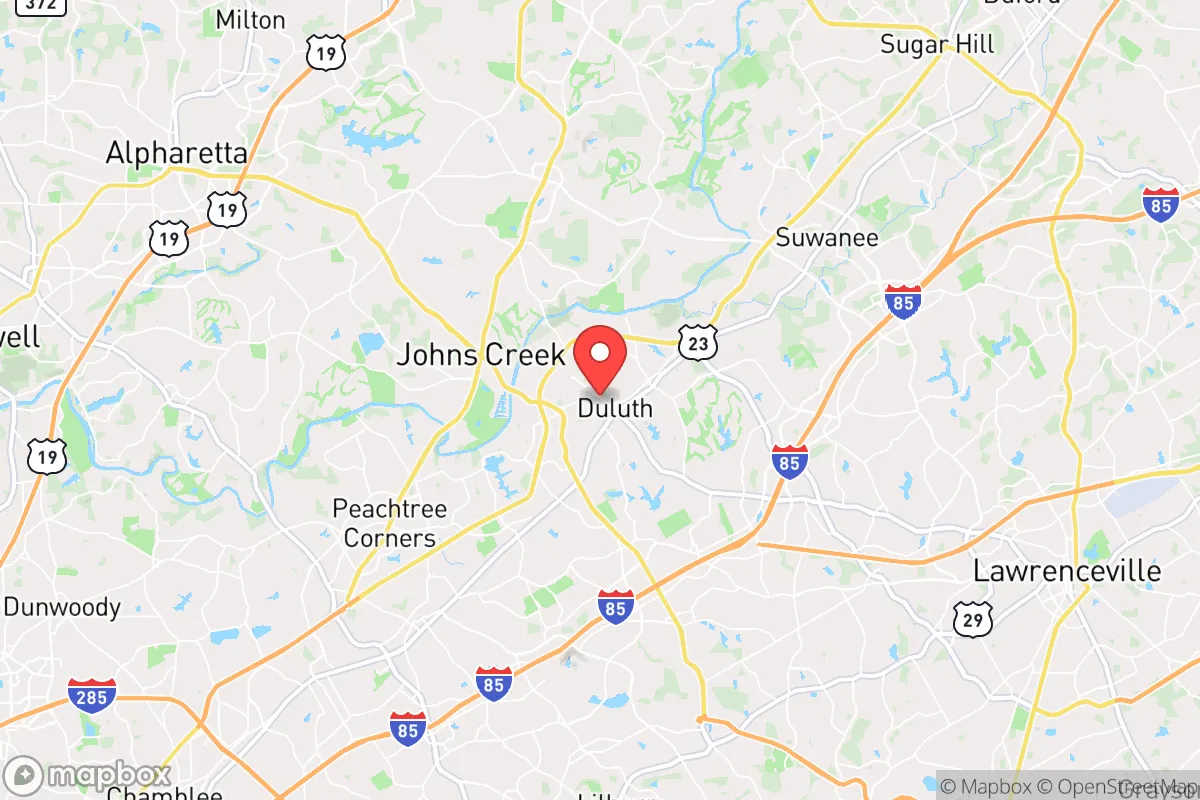
Photo: Wikipedia
Quality of Life in Duluth, GA
A high quality of life with strong walkability, manageable living costs, healthy neighborhood signals, and solid amenity access.
What does Quality of Life tell us?
Quality of Life blends cost of living, nearby amenities, socioeconomic signals, and neighborhood character. City-level scores represent the whole municipality; individual neighborhoods can differ.
What does this tell us?
Quality of Life blends cost of living, nearby amenities, socioeconomic signals, and neighborhood character. City-level scores represent the whole municipality; individual neighborhoods can differ.
Cost of Living
44% above national average
The Real Cost of Living in Duluth, GA for 2026
| Tier | Individual | Family (4) |
|---|---|---|
| Survival | $28k | $54k |
| Comfortable | $71k | $105k |
| Luxury | $145k+ | $225k+ |
| Elite (Top 5%) | $171k+ | $265k+ |
91%
The Area Signal
A metric tracking the socioeconomic signals of the area.
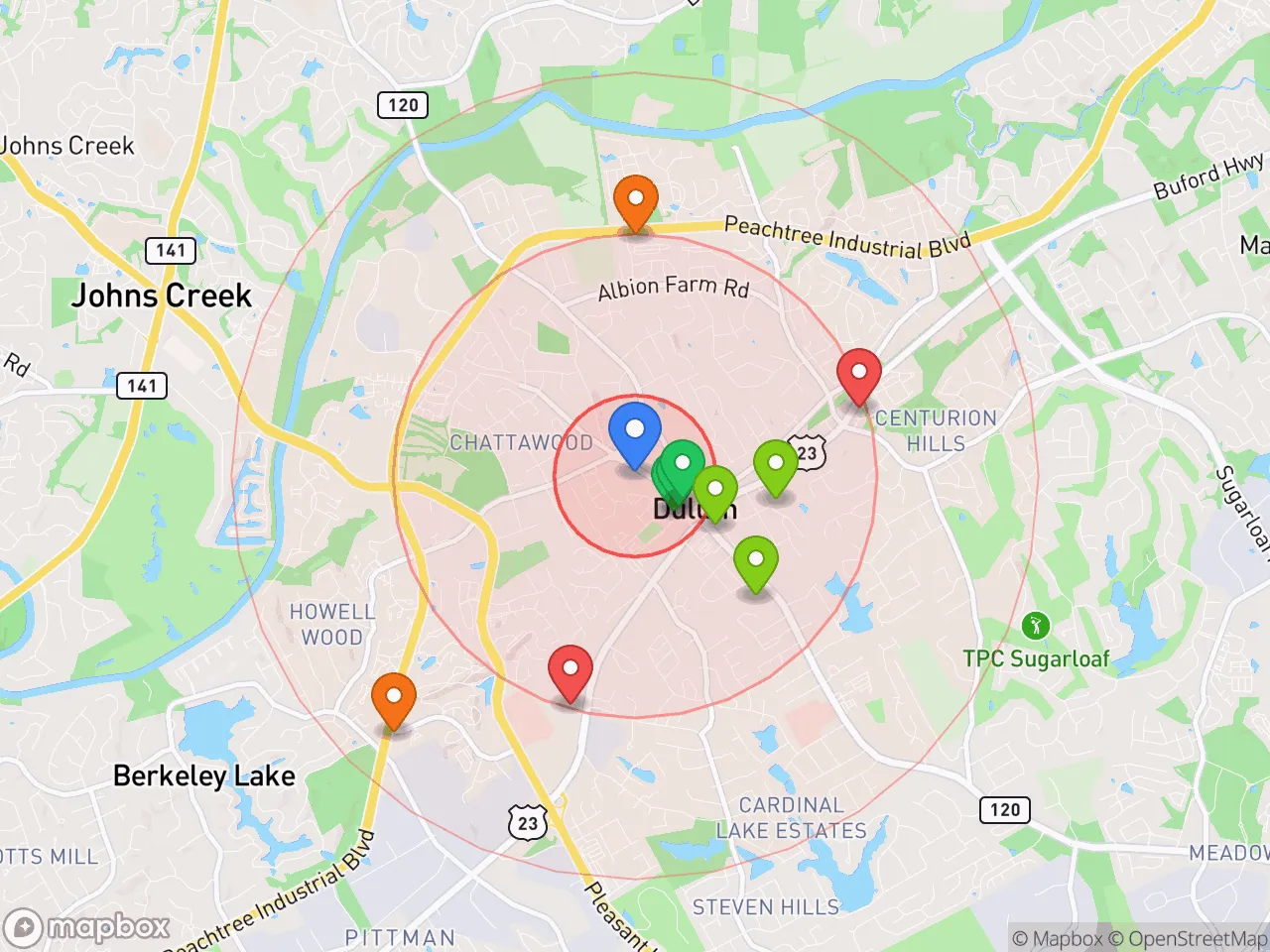
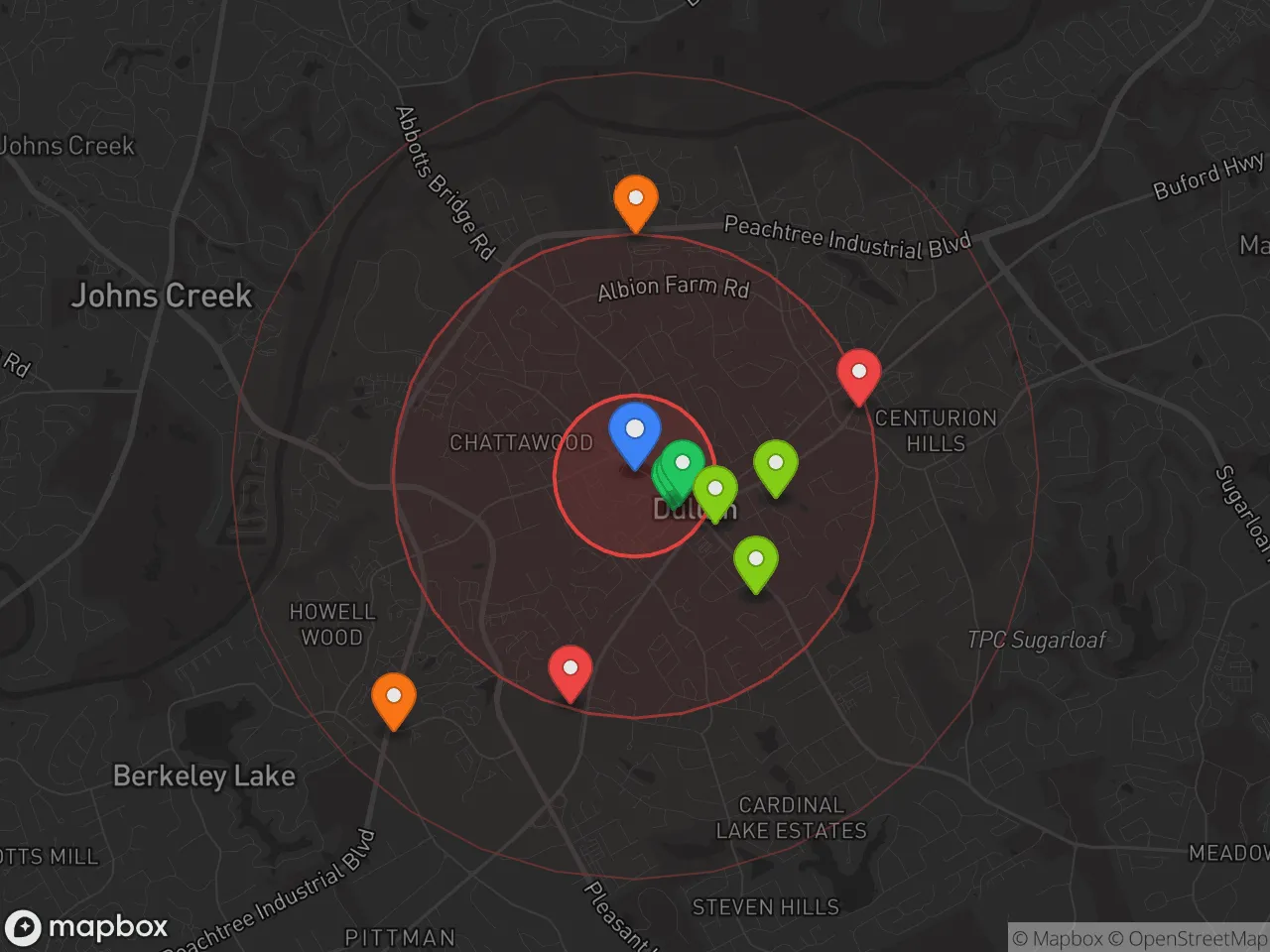
Hobbies
Explore the areaGroceries
8 within 10 miles
Gas
20 within 10 miles
Hospital
20 within 20 miles
Airport
ATL — Hartsfield–Jackson Atlanta International
Post Office
USPS — Duluth, GA
Critical Amenities
Quality-of-Life Analysis
Duluth, Georgia, is an affluent, fast-growing suburb of Atlanta that attracts a mix of upwardly mobile families, young professionals, and established empty-nesters drawn by its strong schools, diverse dining scene, and proximity to major employment hubs. With a cost-of-living index of 144 (44% above the U.S. average), the city commands a premium over many neighboring Gwinnett County communities, yet remains more affordable than intown Atlanta neighborhoods like Buckhead or Midtown. The population skews highly educated and multicultural, with a significant Asian-American community (roughly 25% of residents) that has shaped the area's celebrated international restaurant corridor along Pleasant Hill Road.
Cost of living, housing, and affordability compared to nearby cities
Duluth's housing market reflects its desirability. The median home value sits at $366,000, roughly $30,000 above the Gwinnett County median and about $100,000 less than the median in Alpharetta or Johns Creek to the north. Median rent is $1,785, which undercuts rents in Sandy Springs ($2,100+) and Buckhead ($2,400+) while offering comparable access to the I-85 and GA-316 corridors. The average one-way commute of 31.7 minutes is slightly longer than the national average (26 minutes) but typical for Atlanta exurban commuters; many residents work at tech and logistics firms in nearby Peachtree Corners, Norcross, or the Gwinnett Place area. Property taxes in Gwinnett County are moderate (roughly 1.1% of assessed value), and Georgia's homestead exemption provides additional relief for owner-occupants. While Duluth is not a bargain, it offers a relative value proposition for buyers seeking top-tier schools without the premium of East Cobb or North Fulton.
What daily life is like: amenities, schools, and local rhythm
Daily life in Duluth centers on its walkable historic downtown, which features the Duluth Town Green—a 12-acre park hosting concerts, farmers markets, and seasonal festivals like the Duluth Fall Festival. The city's Gwinnett County Public Schools are a major draw: Duluth High School, Coleman Middle School, and Chattahoochee Elementary all earn 8/10 or higher on GreatSchools ratings, with strong STEM and International Baccalaureate programs. For shopping and dining, the Pleasant Hill Road corridor offers dozens of Korean, Chinese, and Vietnamese restaurants, plus the massive Gwinnett Place Mall (undergoing redevelopment) and the newer Sugarloaf Mills outlet center. Outdoor recreation includes the 2.5-mile Rogers Bridge Trail connecting to Johns Creek, the Chattahoochee River National Recreation Area 10 minutes west, and multiple city parks with tennis courts, playgrounds, and dog parks. The rhythm is distinctly suburban: families fill the town green on weekends, commuters stream onto I-85 by 7 a.m., and evenings are quiet except for the downtown restaurant patios.
Duluth is best suited for families and professionals who prioritize strong public schools, a diverse food scene, and a safe, well-maintained suburb over urban nightlife or ultra-low housing costs. Empty-nesters downsizing from larger homes in North Fulton also find appeal in the town's newer condos and active-adult communities near the town center. Remote workers and those with flexible schedules will appreciate the slower daytime pace, while daily commuters to Midtown or Buckhead should budget for the 30- to 45-minute drive. Those seeking a more affordable entry point into Gwinnett County might look to Lawrenceville or Norcross, but Duluth's combination of school quality, amenities, and walkable downtown makes it a top-tier choice for those who can absorb the premium.

Crime in Duluth, GA
Lower crime rates than 83% of comparable U.S. locations.
Violent CrimeViolent Crime Analysis
Property CrimeProperty Crime Analysis
Crime Analysis
Duluth, Georgia, presents a mixed safety profile for potential residents. The city's violent crime rate of 164.4 incidents per 100,000 residents is notably lower than both the national average and the Georgia state average, indicating a relatively low risk of serious violent offenses. However, the property crime rate of 836.7 per 100,000 is a more significant concern, sitting above the national median and requiring residents to take proactive steps to protect their homes and vehicles.
Crime in context
When compared to broader benchmarks, Duluth's violent crime rate is roughly half the national average, placing it in a safer tier for offenses like homicide, robbery, and aggravated assault. This is a positive data point for families and individuals prioritizing personal safety. Conversely, the property crime rate—which includes burglary, theft, and motor vehicle theft—is approximately 20% higher than the national average. This disparity means that while violent encounters are uncommon, the likelihood of experiencing a theft or property damage is elevated relative to the typical U.S. city. The city's location within the Atlanta metropolitan area, a large and diverse region, means it is subject to broader regional crime trends, including property crime rings that can affect suburban communities.
What residents experience
Daily life in Duluth for most residents involves a low perceived threat of violent crime, but a heightened awareness of property-related risks. Common resident reports include package thefts from porches, vehicle break-ins, and occasional burglaries, particularly in neighborhoods near major thoroughfares like Peachtree Industrial Boulevard or I-85. A critical factor for potential residents to consider is the influence of the broader Gwinnett County and metro Atlanta justice system. Like many large metro areas, the region has seen a shift toward progressive prosecutorial policies, including reduced bail requirements and diversion programs for property offenders. While these policies are designed with rehabilitation in mind, they can result in repeat property offenders cycling back into communities more quickly, undermining the deterrent effect of the justice system and increasing the burden on victims and neighborhood watch groups. Residents should be aware that this ideological approach can directly impact the frequency of property crimes in suburban areas like Duluth.
Neighborhood-level variation is significant in Duluth. Areas with higher-density apartment complexes and those closer to the commercial corridors along Pleasant Hill Road and Satellite Boulevard tend to report higher property crime incidents. In contrast, established single-family home neighborhoods like those in the Old Town district or near the Chattahoochee River generally experience lower crime rates. For the most current block-level data, prospective residents should consult the Gwinnett County Police Department's online crime mapping tool, which provides a granular view of incidents by address. Choosing a home in a quieter, well-established subdivision with active neighborhood associations and private security patrols can substantially mitigate the property crime risk that defines Duluth's overall safety challenge.
* Values derived from national, state, county, city and local statistics and may differ in a specific area. Last updated: 2026-04-30T06:49:37.000Z
Narrative content on this page is AI-generated and may contain mistakes. Verify any details that matter before acting on them.
ReloMaps may earn a commission from affiliate links at no extra cost to you.

