Photo: Wikipedia
Find The Best Places To Live
in Johns Creek
PRO TIP! You can paste a Zillow or Redfin link to get info on that property.
What It's Like Living in Johns Creek, GA
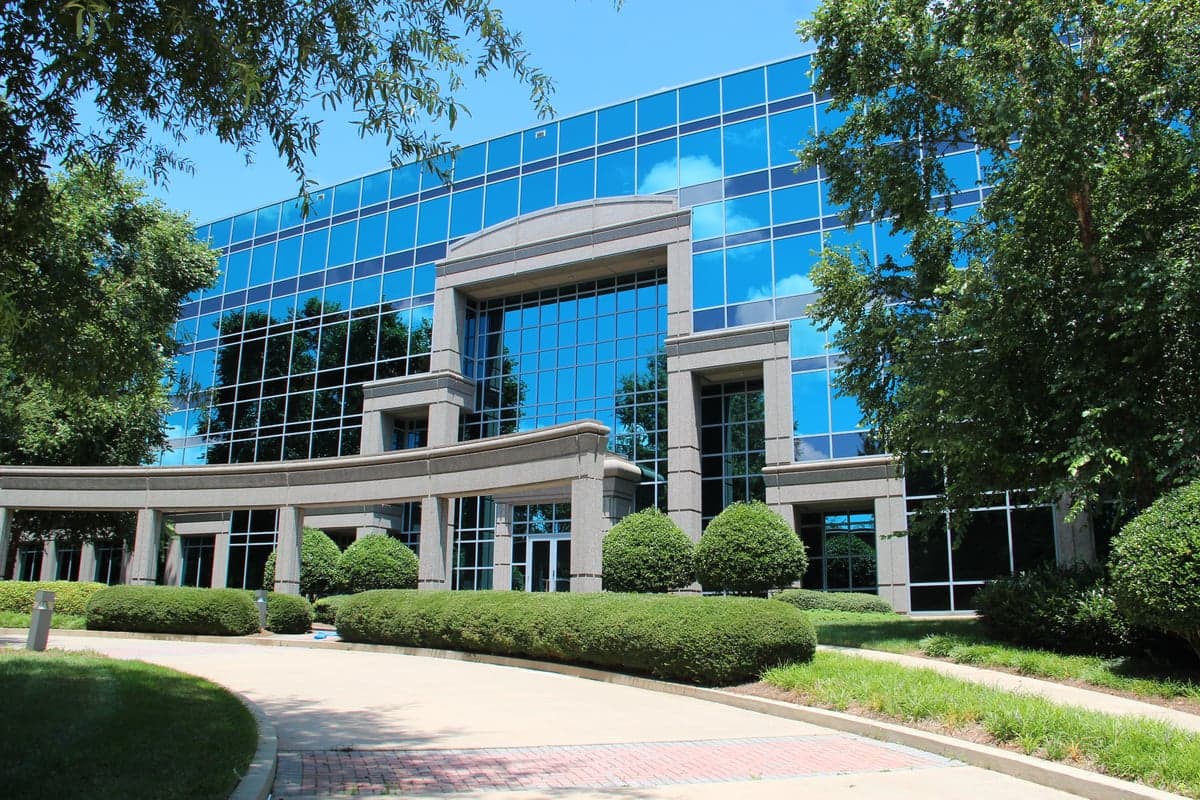
Johns Creek feels less like a typical Atlanta suburb and more like a carefully planned small city that happens to sit 30 minutes north of downtown. With a population just over 82,000, it has the density to support its own identity—good restaurants, solid parks, a real sense of place—without the sprawl and chaos of neighboring Alpharetta or Duluth. The median age of 43.1 tells you a lot: this is a place where people settle down, raise kids, and stay, not a transient starter-home community.
The Daily Rhythm: Schools, Commutes, and Weekend Errands
For most residents, daily life revolves around two things: the school calendar and the commute. Johns Creek is part of the Fulton County School System, but it operates its own cluster of high-performing schools—Northview, Chattahoochee, and Johns Creek High Schools all consistently rank among Georgia's best. School events, from Friday night football games to orchestra concerts, are genuine community gathering points. Parents know each other from drop-off lines at Shakerag Elementary or from weekend soccer games at Newtown Park.
The average commute clocks in at about 30 minutes, which is manageable by metro Atlanta standards. Most people head south on GA-400 toward jobs in Sandy Springs, Dunwoody, or Buckhead, or east toward the tech and life sciences hubs in Peachtree Corners and Norcross. The traffic is real—GA-400 backs up predictably during rush hour—but it's not soul-crushing. Many residents work in professional services, healthcare, or tech, which explains the median household income of $160,185, nearly triple the national average. That affluence shows up in the cars in the school parking lots and the waitlists at popular restaurants like Village Burger and Masti Indian Street Food.
Sports, Parks, and Where People Actually Hang Out
High school sports are a surprisingly big deal here. Johns Creek High School's football games draw crowds that rival small college atmospheres, and the school's lacrosse and soccer programs are regional powerhouses. For pro sports, most residents are Atlanta fans—Braves, Falcons, Hawks, United—but the allegiance is casual; nobody's planning their Sunday around kickoff the way you'd see in, say, Green Bay. The real athletic energy is participatory: Newtown Park has 11 multi-purpose fields, a dog park, and a 3-mile paved trail that's packed with joggers and dog-walkers on Saturday mornings. The Chattahoochee River National Recreation Area runs along the city's western edge, offering kayaking, fishing, and the popular Jones Bridge Trail, a shaded 3.5-mile loop that feels miles away from the strip malls.
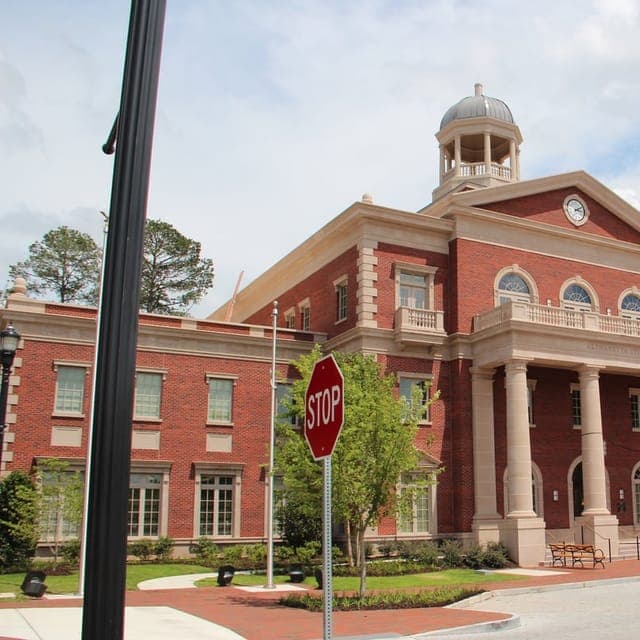
Weekend social life leans toward the low-key. The Forum on Peachtree Parkway is the main commercial hub—an outdoor shopping center with a Whole Foods, a few boutiques, and a handful of chain restaurants. For something with more local character, Johns Creek Tavern on Medlock Bridge Road is the closest thing to a neighborhood bar, with a solid beer list and a trivia night that fills up. The city's signature annual event is the Johns Creek Arts Festival in October, which brings live music, artist booths, and food trucks to Newtown Park. There's also a weekly farmers market from May through October at the City Hall complex, where you'll see the same faces week after week.
What It Costs and What You Get for It
Let's be direct: Johns Creek is expensive. The cost of living index sits at 195—nearly double the national average—driven almost entirely by housing. The median home value of $583,700 buys you a well-maintained 4-bedroom colonial or a newer townhome in a gated community. Property taxes are high (Fulton County rates), but the trade-off is visible in the manicured parks, low crime, and top-tier schools. Rents for a 2-bedroom apartment typically run $2,200–$2,800 per month. For singles or couples without kids, the value proposition is weaker—you're paying a premium for school quality you won't use—but the safety and amenities still appeal to professionals who work nearby.
On the upside, violent crime here is remarkably low: 39.5 incidents per 100,000 residents, about a quarter of the national average. Property crime is similarly low. Residents genuinely don't worry about leaving their garage doors open or walking alone at night. That safety, combined with the schools, is the main reason families pay the premium to live here.
Pros and Cons: The Honest Trade-Offs
Longtime residents love the convenience—you're 20 minutes from the Perimeter business district, 40 minutes from Hartsfield-Jackson airport, and an hour from the North Georgia mountains. They love the 70.7% college-educated population, which means neighbors are professionals who keep their yards neat and their conversations interesting. They love that the city has its own police force and municipal services, so potholes get filled and parks get maintained without waiting on the county.
- Pro: Schools are genuinely excellent, with strong STEM and arts programs. If your kid is college-bound, this is one of the best public school systems in Georgia.
- Pro: The parks system is outstanding—Newtown Park, Ocee Park, and the Chattahoochee River access mean you're never far from green space.
- Con: Nightlife is almost nonexistent. If you want bars open past 10 PM or live music venues, you're driving to Alpharetta (10 minutes) or Buckhead (25 minutes).
- Con: The social scene can feel insular. Many residents have known each other since their kids were in kindergarten, and newcomers—especially singles without children—can find it hard to break into established friend groups.
- Con: Traffic on GA-400 and Peachtree Parkway is reliably congested during peak hours. There's no MARTA train station in Johns Creek; you're dependent on a car for everything.
The weather follows a classic four-season pattern: hot, humid summers (July highs around 89°F), mild springs and falls, and occasional winter ice storms that shut the city down for a day. Pollen season in March and April is brutal—cars turn yellow overnight—but residents just accept it as the price of living among the pines and oaks.
Who fits in here? Families who prioritize schools and safety over nightlife and urban energy. Professionals who want a short commute to north Atlanta's job centers and don't mind paying for space and quiet. Singles might find it isolating unless they're deeply into outdoor sports or already know people in the area. Johns Creek doesn't try to be hip or trendy—it's a well-run, affluent suburb that delivers exactly what it promises: good schools, low crime, and a predictable, comfortable daily life.

Similar small cities to Johns Creek
* Values derived from national, state, county, city and local statistics and may differ in a specific area. Last updated: 2026-04-23T05:07:22.000Z
Narrative content on this page is AI-generated and may contain mistakes. Verify any details that matter before acting on them.
ReloMaps may earn a commission from affiliate links at no extra cost to you.

