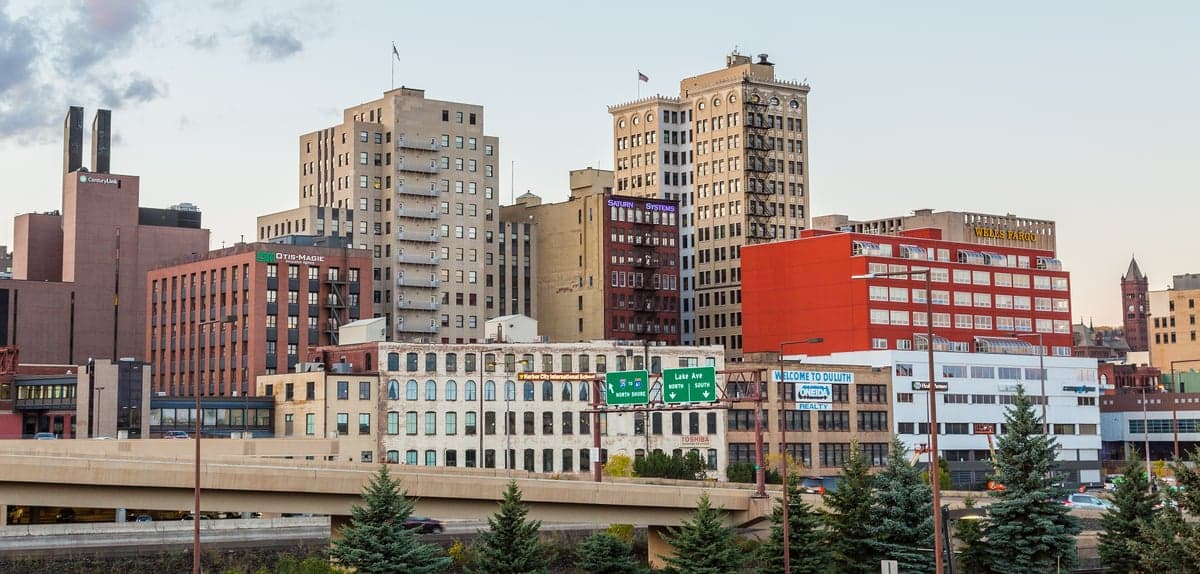
Photo: Wikipedia
Quality of Life in Duluth, MN
A high quality of life with strong walkability, manageable living costs, healthy neighborhood signals, and solid amenity access.
What does Quality of Life tell us?
Quality of Life blends cost of living, nearby amenities, socioeconomic signals, and neighborhood character. City-level scores represent the whole municipality; individual neighborhoods can differ.
What does this tell us?
Quality of Life blends cost of living, nearby amenities, socioeconomic signals, and neighborhood character. City-level scores represent the whole municipality; individual neighborhoods can differ.
Cost of Living
14% below national average
The Real Cost of Living in Duluth, MN for 2026
| Tier | Individual | Family (4) |
|---|---|---|
| Survival | $17k | $31k |
| Comfortable | $44k | $64k |
| Luxury | $120k+ | $186k+ |
| Elite (Top 5%) | $149k+ | $232k+ |
103%
The Area Signal
A metric tracking the socioeconomic signals of the area.
Hobbies
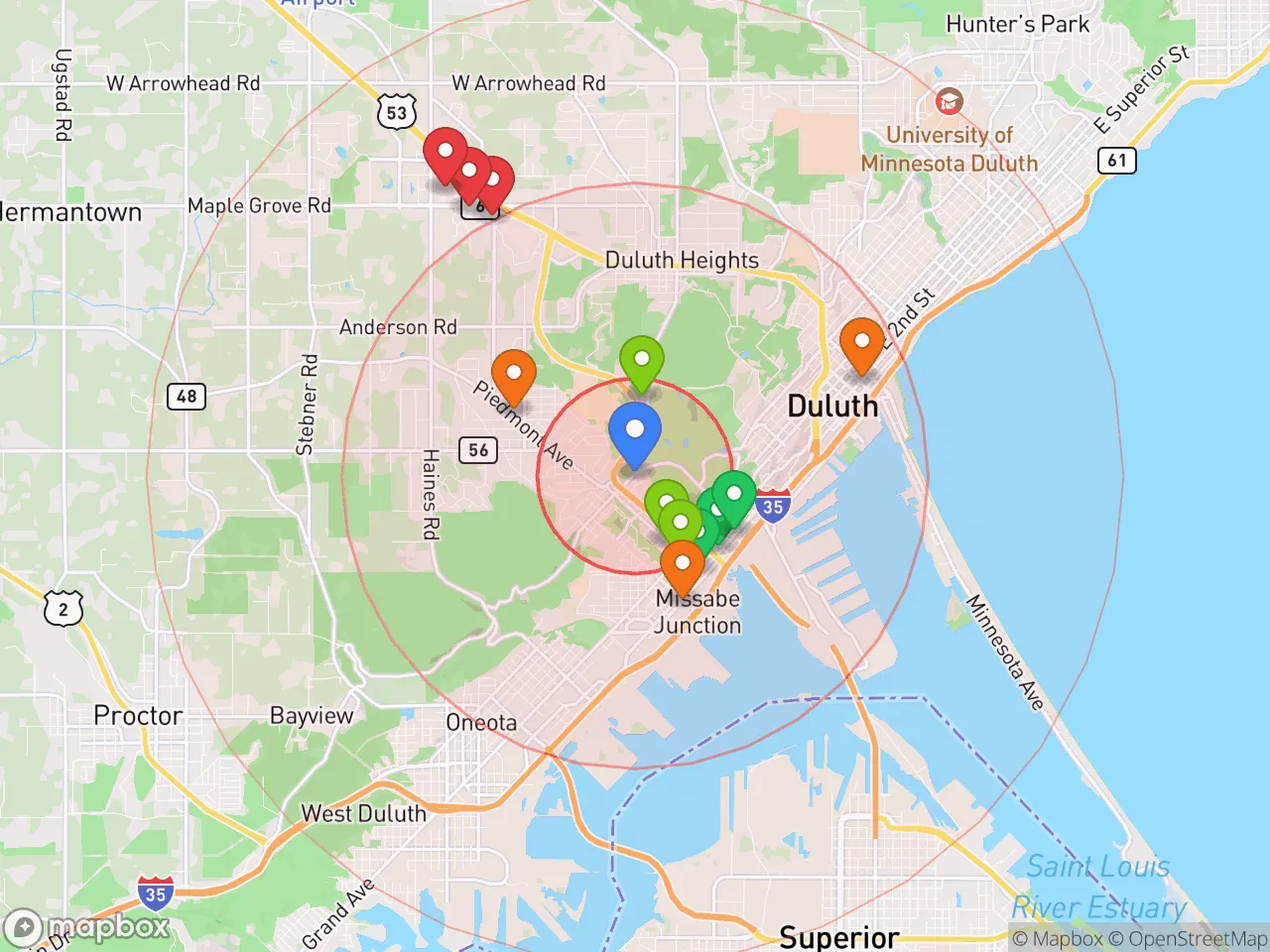
Explore the areaGroceries
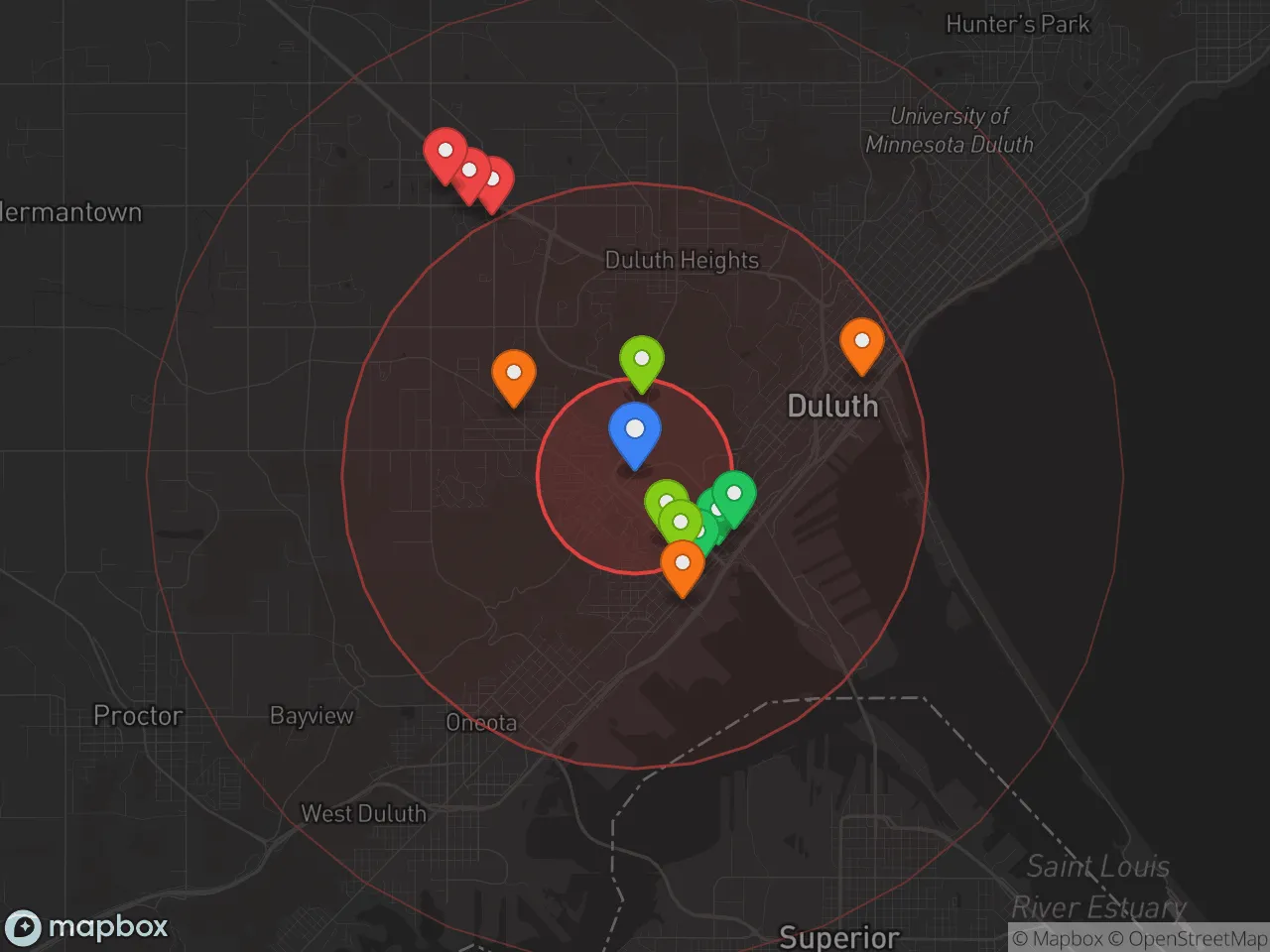
6 within 10 miles
Gas
20 within 10 miles
Hospital
8 within 20 miles
Airport
JFK — John F. Kennedy Memorial
Post Office
USPS — Duluth, MN
Critical Amenities
Quality-of-Life Analysis
Duluth, Minnesota, offers a quality of life that balances urban amenities with a strong connection to the natural environment, attracting a mix of outdoor enthusiasts, remote workers, and families seeking a slower pace. The city’s cost of living index sits at 86, well below the national average of 100, making it one of the more affordable cities in the Upper Midwest. This affordability, combined with a median home value of $225,700 and a median rent of $1,037, draws a demographic that values space, recreation, and community over high salaries and fast-paced living.
Cost of living, housing, and affordability compared to the Twin Cities
Duluth’s housing market is a major draw, with a median home value of $225,700—roughly half that of the Minneapolis-Saint Paul metro area, where the median exceeds $350,000. Renters also benefit, with a median rent of $1,037, significantly lower than the Twin Cities’ average of around $1,400. The overall cost of living index of 86 reflects savings across categories: groceries, utilities, and transportation are all below the U.S. norm. The average commute time of just 17 minutes is a standout advantage, cutting daily travel costs and freeing up time for family or recreation. Compared to nearby cities like Superior, Wisconsin, Duluth’s housing is slightly pricier, but the gap is narrow—Superior’s median home value is about $195,000—while Duluth offers a wider range of services and employment options.
What daily life is like for families and outdoor lovers
Daily life in Duluth revolves around its Lake Superior shoreline, parks, and a compact downtown core. The city’s school system, Duluth Public Schools, includes magnet programs and a strong focus on STEM, while private options like Marshall School provide alternatives. Amenities are concentrated along the Lakewalk and Canal Park, where restaurants, breweries, and shops cater to both residents and tourists. The rhythm of the year is shaped by winter: snow sports like skiing at Spirit Mountain and fat-tire biking on the Duluth Traverse are common, while summer brings hiking in Jay Cooke State Park and sailing on the lake. Healthcare is anchored by Essentia Health-St. Mary’s Medical Center and St. Luke’s, both major employers. For families, the city’s low crime rate relative to national averages and abundant free outdoor activities—like the 100+ miles of trails—create a lifestyle that prioritizes health and community over consumption.
Duluth is best suited for those who value outdoor recreation, a slower pace, and lower costs over career intensity or nightlife. Remote workers and retirees find the affordability and natural beauty particularly appealing, while families appreciate the short commutes and strong school options. Those seeking high-paying tech or finance jobs may find the local economy limited, but for anyone prioritizing work-life balance and access to Lake Superior, Duluth offers a compelling, grounded quality of life.

Crime in Duluth, MN
Crime rates similar to the national median for U.S. locations.
Violent CrimeViolent Crime Analysis
Property CrimeProperty Crime Analysis
Crime Analysis
Duluth, Minnesota, presents a mixed safety profile that requires careful consideration, particularly for those relocating from smaller communities. While the city's violent crime rate is lower than the national average, its property crime rate is significantly elevated, and the broader political and judicial environment in Minnesota raises concerns about public safety outcomes. The city's violent crime rate stands at 229.9 incidents per 100,000 residents, well below the national average, but its property crime rate of 3,041.7 per 100,000 is substantially higher than both state and national figures, indicating a persistent property crime challenge.
Crime in context
Duluth's violent crime rate is roughly 38% lower than the national average, making it safer than many comparably sized cities in terms of physical assault, robbery, and homicide. However, the property crime rate is approximately 45% higher than the national average, driven largely by theft, burglary, and motor vehicle theft. This disparity is notable: residents face a relatively low risk of violent victimization but a heightened risk of having their property stolen or damaged. The state of Minnesota, particularly in its larger metro areas, has seen a trend toward progressive prosecution policies, with district attorneys in counties like St. Louis (which includes Duluth) often emphasizing diversion programs and reduced sentencing for property crimes. Critics argue this approach, while sympathetic to offenders, can lead to repeat offenses and a perception that property crime carries minimal consequences, directly impacting victims and public trust in the justice system.
What residents experience
For daily life, the practical impact is that Duluth residents must be vigilant about securing vehicles, bicycles, and outdoor equipment. Car break-ins and theft from porches are common complaints in neighborhood forums. The city's police department has struggled with staffing levels, which can slow response times for non-emergency property crimes. While violent crime is rare, it is not absent—incidents tend to cluster in specific areas, particularly around the Lincoln Park and Central Hillside neighborhoods. The broader political climate in Minnesota, with liberal judges and prosecutors in many jurisdictions, has led to policies like no-cash-bail for certain offenses and reduced penalties for theft, which some residents feel emboldens property criminals. This is a key factor for anyone considering a move to Duluth: the city itself is relatively safe from violent crime, but the surrounding legal environment may contribute to a higher tolerance for property crime than in more conservative states.
Neighborhood-level variation is significant. The eastern neighborhoods (Lakeside, Lester Park) and the far western areas (Denfeld, Irving) generally report lower crime rates, while the central corridor—particularly the Hillside and Lincoln Park neighborhoods—sees higher concentrations of both property and violent crime. Prospective residents should research specific block-level data, as a single street can differ markedly from its neighbors. Overall, Duluth offers a relatively safe environment for families and professionals who prioritize personal safety, but the property crime rate and the progressive judicial philosophy in Minnesota are valid concerns that should factor into any relocation decision.
* Values derived from national, state, county, city and local statistics and may differ in a specific area. Last updated: 2026-04-24T13:56:08.000Z
Narrative content on this page is AI-generated and may contain mistakes. Verify any details that matter before acting on them.
ReloMaps may earn a commission from affiliate links at no extra cost to you.

