 Popular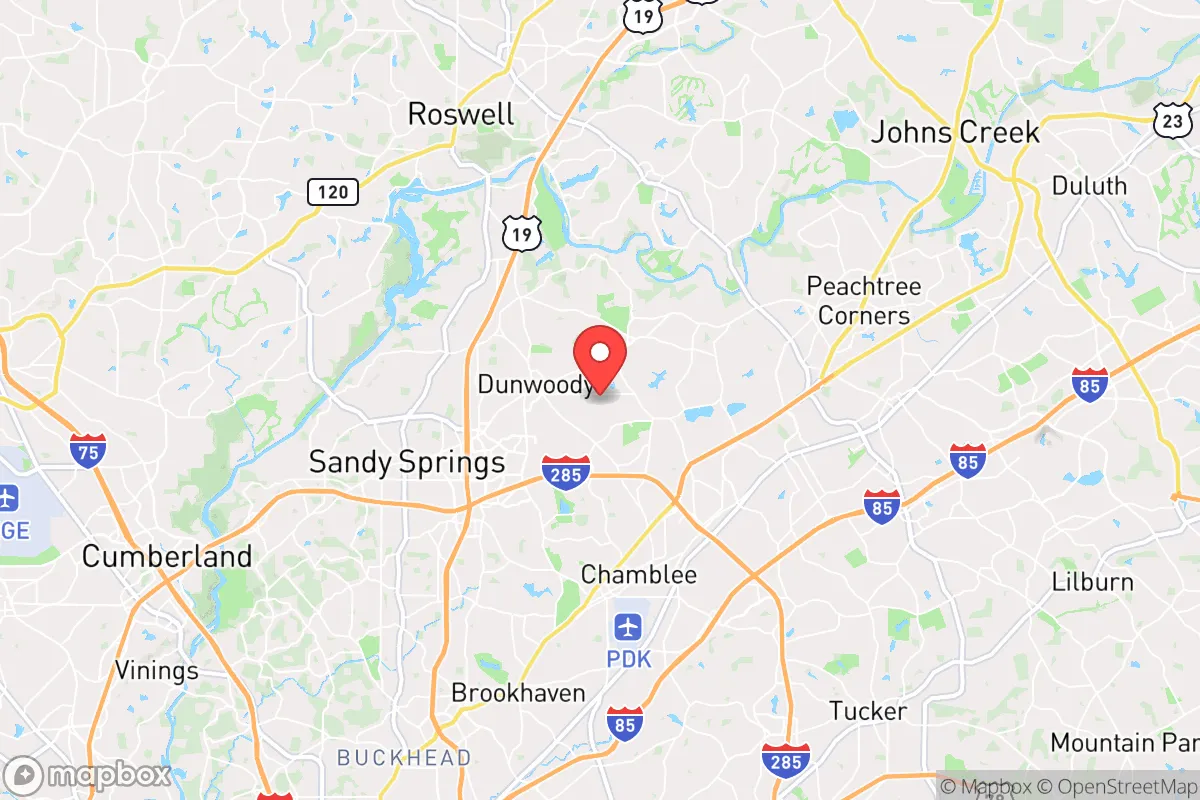
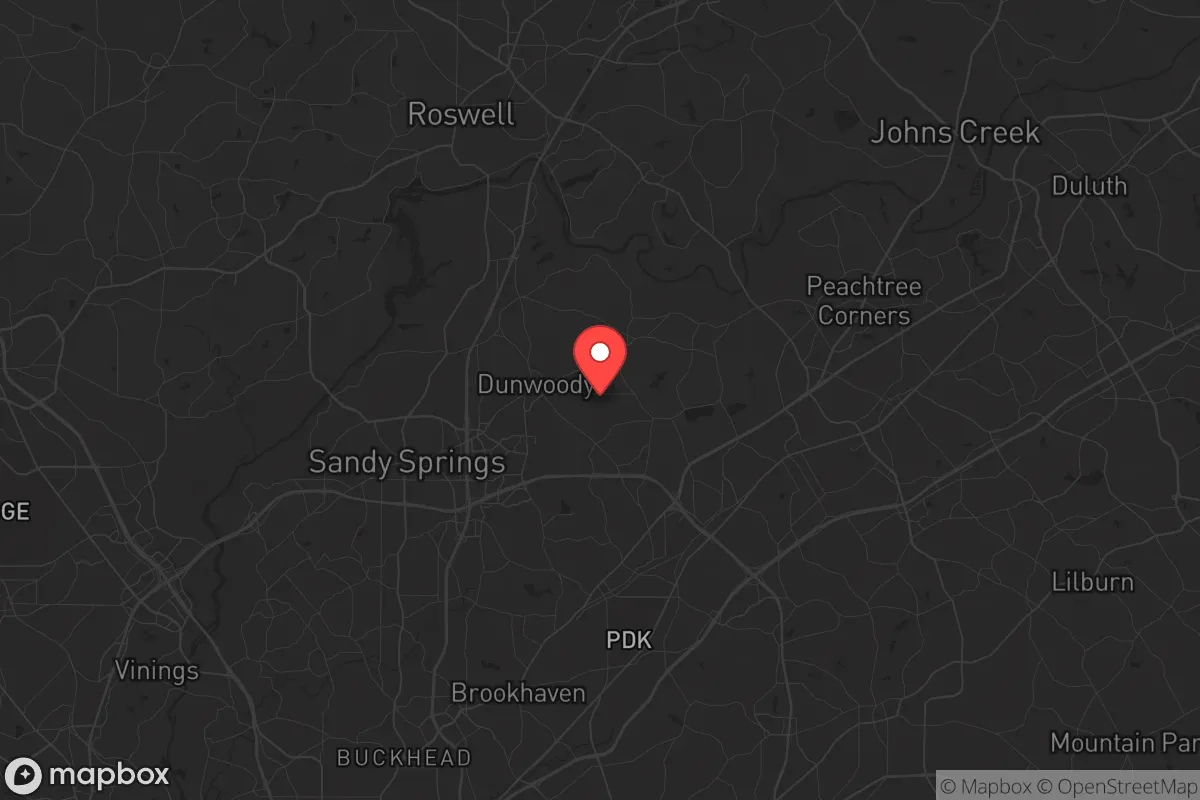
Photo: Wikipedia
Personal Sovereignty in Dunwoody, GA
Viable for self-reliance. Generally workable, though some barriers may limit total independence.
What does Personal Sovereignty tell us?
Personal Sovereignty measures your capacity for self-reliance and independence with minimal government friction. Higher scores mean fewer barriers between you and the way you want to live... but it assumes you have the space you need and good neighbors.
What does this tell us?
Personal Sovereignty measures your capacity for self-reliance and independence with minimal government friction. Higher scores mean fewer barriers between you and the way you want to live... but it assumes you have the space you need and good neighbors.
State Policy
Energy independence: Importer (12% of energy produced in-state)
Personal Liberty
Homesteading

Personal Liberty Analysis
Dunwoody, Georgia, offers a mixed bag for those prioritizing personal sovereignty, with the state's generally favorable legal framework often clashing with the suburban, HOA-heavy realities of this specific city. While Georgia provides a solid foundation for self-reliance—with constitutional carry, low property taxes relative to the national average, and a right-to-farm law—Dunwoody's dense suburban zoning, active code enforcement, and proximity to Atlanta's political influence create friction for those seeking maximum autonomy. For the survivalist or prepper, the city is a compromise: you get the legal tools to defend yourself and your family, but you'll be doing so within a highly regulated, interconnected environment that limits off-grid living and demands compliance with local ordinances.
Tax burden and regulatory posture in Dunwoody
Georgia's tax structure is a net positive for personal sovereignty, but Dunwoody's local regulations add layers of oversight. The state's flat income tax rate of 5.49% (as of 2026) is predictable and relatively low, and there is no state-level estate or inheritance tax, allowing you to pass assets to heirs without government confiscation. Property taxes in DeKalb County, where Dunwoody sits, are moderate—around 1.1% of assessed value—but the city imposes its own millage rate on top of county levies. More concerning for the autonomy-minded is Dunwoody's aggressive code enforcement: the city actively regulates everything from grass height to vehicle parking on private property, and its zoning code strictly prohibits home-based businesses, livestock, and most non-conforming structures. This is not a jurisdiction where you can quietly build a root cellar, keep chickens for eggs, or run a small repair shop from your garage without risking fines. The regulatory posture is one of managed conformity, not rugged individualism.
Self-defense and gun law specifics in Georgia
Georgia is a strong Second Amendment state, and Dunwoody residents benefit directly from that. The state enacted constitutional carry (permitless carry) in 2022, meaning any legal gun owner 21 or older can carry a concealed or open firearm without a government-issued license. There is no state-level magazine capacity ban, no assault weapon registry, and no waiting period for firearm purchases. Dunwoody itself has not passed any local gun control ordinances that exceed state law, so the city is effectively a "shall not be infringed" zone for law-abiding citizens. However, there are practical limitations: Georgia's "Safe Carry Protection Act" prohibits carrying in government buildings, courthouses, and places of worship without permission, and private businesses can post "no guns" signs that carry the force of law if properly displayed. For the prepper, this means you can legally keep a rifle in your truck or a pistol on your hip while running errands, but you must remain vigilant about posted restrictions. The state's Castle Doctrine and Stand Your Ground laws provide strong legal protection for using deadly force in self-defense, both inside your home and in public spaces, without a duty to retreat.
Self-reliance and homesteading viability in Dunwoody
For those seeking true self-reliance through homesteading, off-grid living, or significant food production, Dunwoody is a poor fit. The city is almost entirely built out with typical lot sizes ranging from 0.25 to 0.5 acres, and the zoning code is explicitly suburban—no agricultural uses are permitted. Raising chickens is technically allowed with a permit, but only for hens (no roosters), and the coop must be at least 25 feet from any neighbor's dwelling. Larger livestock, beekeeping, and gardening for commercial sale are all prohibited. Off-grid systems face similar hurdles: solar panels are allowed but must comply with HOA covenants and city building codes, and rainwater collection is legal under state law but limited to 500 gallons per property without a permit. Burning trash, composting human waste, or drilling a private well are effectively impossible within city limits. The survivalist who wants to be able to sustain themselves during a supply chain disruption or grid failure will find Dunwoody's infrastructure dependency and regulatory constraints stifling. You can stockpile supplies and maintain a defensive posture, but you cannot become self-sufficient on a suburban lot.
Personal liberties in Dunwoody: parental rights, medical autonomy, speech, and property
Georgia generally respects parental rights, and Dunwoody families benefit from that. The state has a parental rights law that affirms parents' authority to direct their children's education, healthcare, and religious upbringing, and there is no state-level mandate for COVID-19 or other childhood vaccines for school attendance (though individual school districts can impose requirements). Homeschooling is straightforward: parents file a declaration of intent and provide a basic educational plan, with no state testing or curriculum oversight. Medical autonomy is more contested: Georgia has not expanded Medicaid, and the state's abortion law bans the procedure after roughly six weeks, which aligns with the conservative view of protecting life but also limits reproductive choice. On speech, Georgia has no state-level "hate speech" law that criminalizes political or religious expression, and Dunwoody has not enacted any local ordinances restricting public assembly or protest. Property rights are generally strong, but the city's zoning and HOA covenants can feel like a second layer of government—HOAs in Dunwoody can fine homeowners for paint colors, fence heights, and even the type of mailbox, and these restrictions are legally enforceable. For the individualist, this is a significant erosion of personal sovereignty, as your own land is subject to the aesthetic preferences of a board.
Overall, Dunwoody offers a moderate level of personal sovereignty that is heavily dependent on state-level protections rather than local culture. The city's tax burden is manageable, its gun laws are among the best in the country, and parental rights are respected under Georgia law. However, the dense suburban environment, aggressive code enforcement, and powerful HOA system create a regulatory atmosphere that is hostile to self-reliance and off-grid living. Compared to rural areas in north Georgia or the Appalachian foothills, Dunwoody is a poor choice for the serious prepper or survivalist. Compared to deep-blue jurisdictions like New York or California, it is a haven. For the conservative family that wants legal freedom to defend themselves and raise their children without government interference, but is willing to accept suburban conformity and limited homesteading potential, Dunwoody is a workable compromise—but it is not a bastion of personal sovereignty. The smart move is to understand the city's limits and plan accordingly: stockpile legally, know your rights, and keep your head down with the HOA.

* Values derived from national, state, county, city and local statistics and may differ in a specific area. Last updated: 2026-04-23T05:29:43.000Z
Narrative content on this page is AI-generated and may contain mistakes. Verify any details that matter before acting on them.
ReloMaps may earn a commission from affiliate links at no extra cost to you.

