 Popular
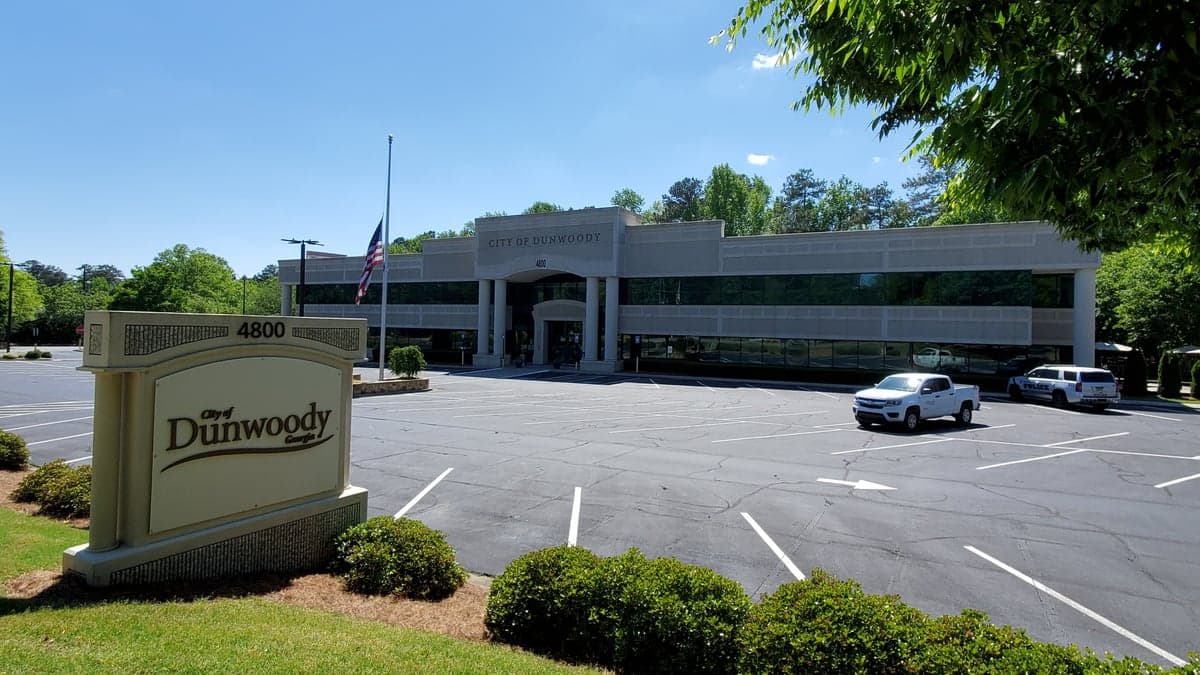
Photo: Wikipedia
Quality of Life in Dunwoody, GA
A high quality of life with strong walkability, manageable living costs, healthy neighborhood signals, and solid amenity access.
What does Quality of Life tell us?
Quality of Life blends cost of living, nearby amenities, socioeconomic signals, and neighborhood character. City-level scores represent the whole municipality; individual neighborhoods can differ.
What does this tell us?
Quality of Life blends cost of living, nearby amenities, socioeconomic signals, and neighborhood character. City-level scores represent the whole municipality; individual neighborhoods can differ.
Cost of Living
75% above national average
The Real Cost of Living in Dunwoody, GA for 2026
| Tier | Individual | Family (4) |
|---|---|---|
| Survival | $29k | $54k |
| Comfortable | $113k | $165k |
| Luxury | $197k+ | $306k+ |
| Elite (Top 5%) | $274k+ | $424k+ |
66%
The Area Signal
A metric tracking the socioeconomic signals of the area.
Hobbies
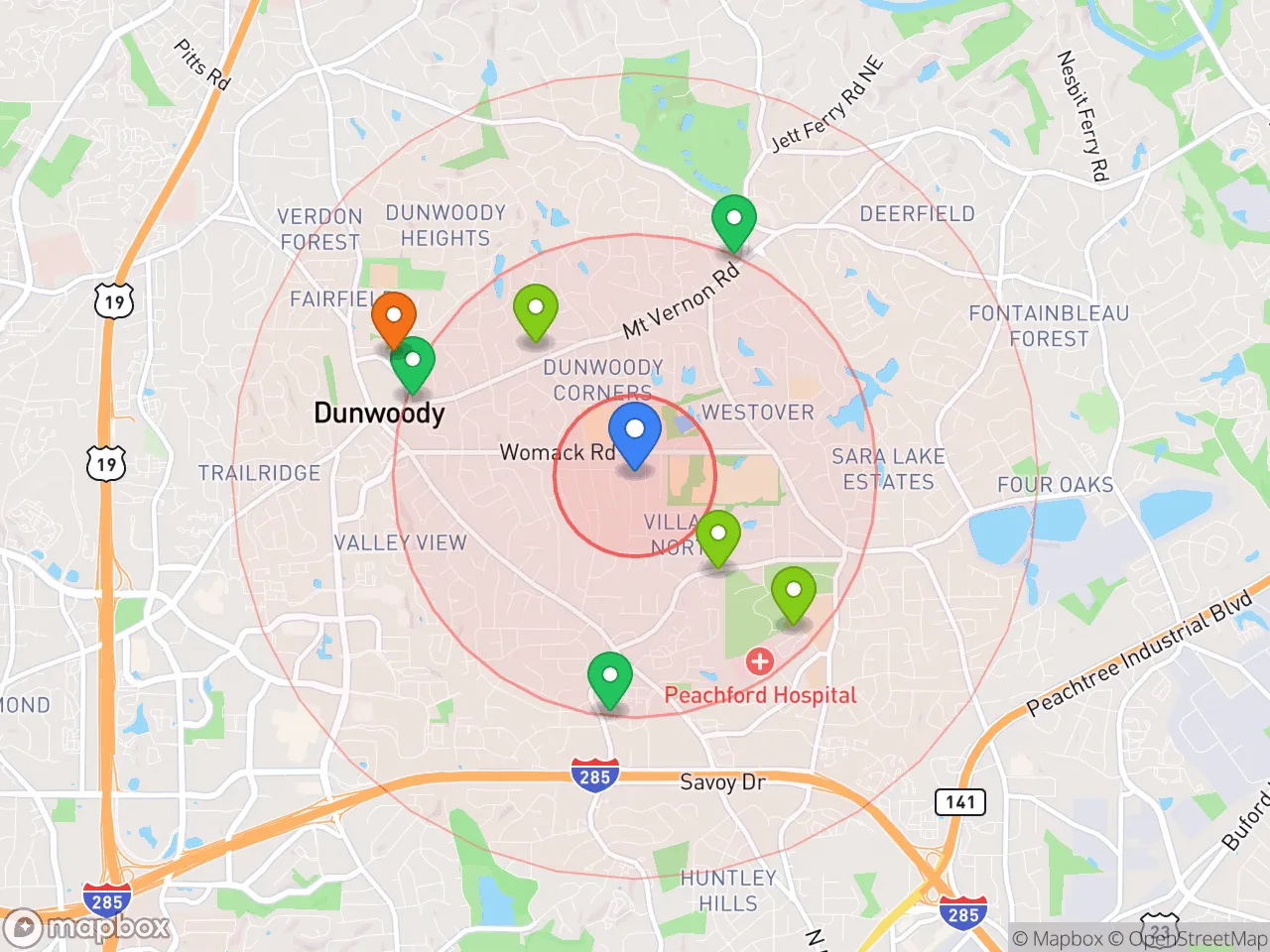
Explore the areaGroceries
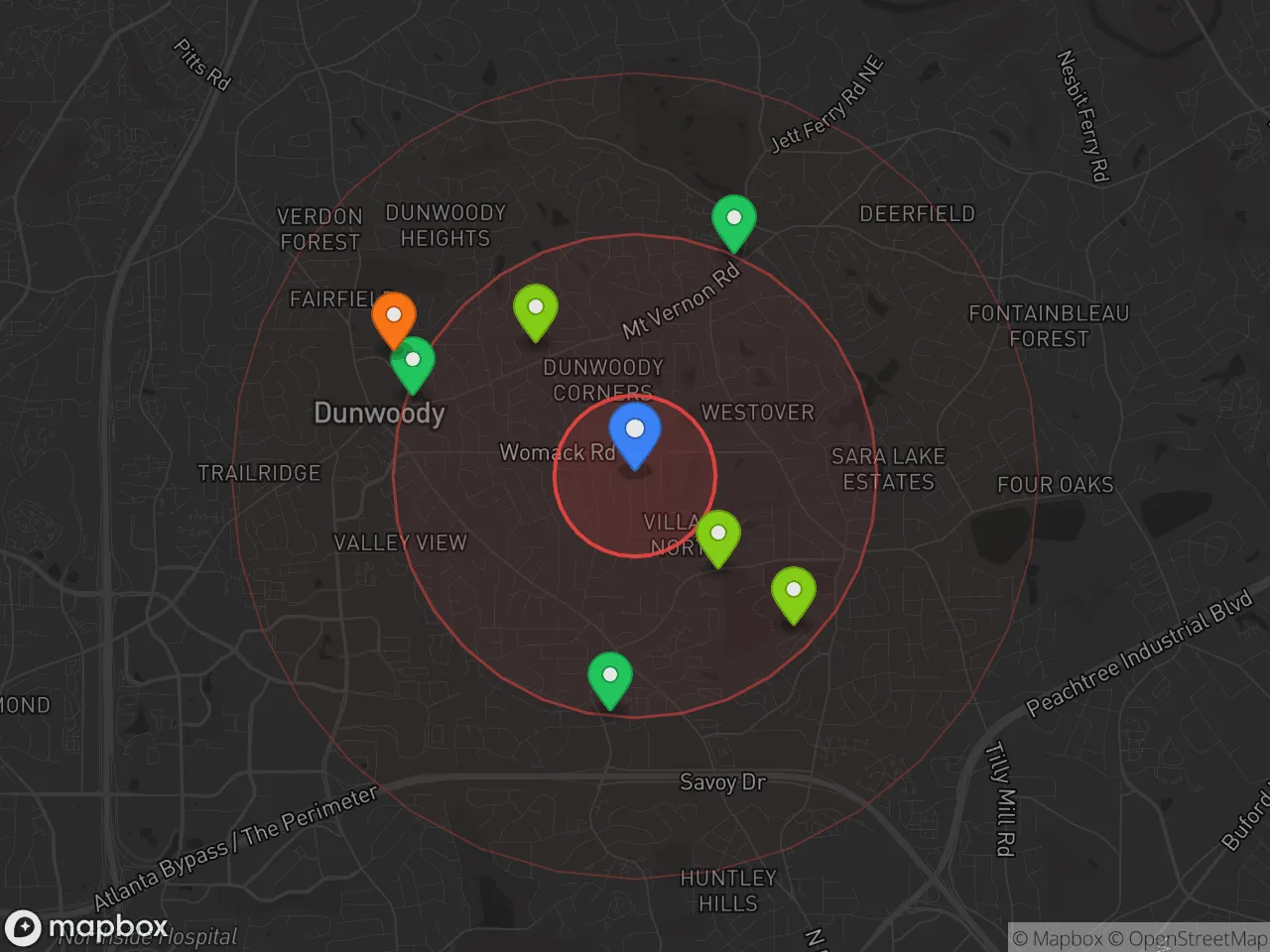
6 within 10 miles
Gas
20 within 10 miles
Hospital
20 within 20 miles
Airport
ATL — Hartsfield–Jackson Atlanta International
Post Office
USPS — Dunwoody, GA
Critical Amenities
Quality-of-Life Analysis
Dunwoody, Georgia, is an affluent northern suburb of Atlanta where the cost of living index sits at 175—75 percent above the national average—reflecting a community of professionals, executives, and families drawn to its top-tier schools and convenient location. The city’s population of roughly 52,000 skews highly educated, with over 60 percent of residents holding a bachelor’s degree or higher, and the median household income exceeds $100,000. This is a place where quality of life is measured by access to excellent public education, short commutes to major employment centers, and a dense network of parks and walkable retail districts.
Cost of living, housing affordability, and how Dunwoody compares to nearby cities
Dunwoody’s cost of living index of 175 is significantly higher than the U.S. average of 100, driven primarily by housing. The median home value is $579,400, which is roughly 50 percent above the Atlanta metro median of about $385,000, though still below the most expensive intown neighborhoods like Buckhead or Virginia-Highland. Median rent sits at $1,806, compared to the metro average of roughly $1,500, making Dunwoody a premium but not top-tier rental market. For context, neighboring Sandy Springs has a similar median home value around $560,000, while Roswell is slightly lower at $530,000. The trade-off for these higher costs is a consistently low property crime rate and a school system—Dunwoody is served by DeKalb County Schools but has its own charter cluster—that outperforms most of the county. The average commute of 24.9 minutes is notably shorter than the Atlanta metro average of 32 minutes, thanks to direct access to I-285 and GA-400, plus MARTA rail service at the Dunwoody station. For buyers, the price per square foot averages around $220, which is competitive for the level of schools and amenities offered.
What daily life is like: amenities, schools, parks, and the local rhythm
Daily life in Dunwoody revolves around a well-maintained suburban infrastructure with urban conveniences. The city operates over 800 acres of parkland, including the 26-acre Brook Run Park with its dog park, skate park, and community garden, and the Dunwoody Nature Center, which offers 22 acres of trails and environmental education. The school system is a major draw: Dunwoody High School and Vanderlyn Elementary consistently rank among DeKalb County’s top performers, and the city’s charter system gives local parents significant input on curriculum and budgeting. Retail and dining cluster at Perimeter Mall, one of metro Atlanta’s largest shopping centers, and along the Dunwoody Village and Georgetown Shopping Center corridors, which feature independent restaurants, coffee shops, and services. The city’s walkability is limited to these nodes—most errands require a car—but the MARTA rail station connects residents to Midtown Atlanta in under 25 minutes. The rhythm is family-oriented: weekend mornings see packed soccer fields at the Dunwoody Park Sports Complex, and the annual Dunwoody Arts Festival and Dunwoody Food Truck Thursdays draw consistent crowds. Crime is low, with violent crime rates roughly half the national average, and the city’s police department maintains a visible community presence.
Dunwoody is best suited for professionals and families who prioritize school quality, short commutes, and suburban safety over urban nightlife or ultra-low housing costs. Empty-nesters and retirees also find it appealing for its walkable medical facilities (Emory Dunwoody and Northside Hospital are nearby) and active adult programming at the Dunwoody Senior Center. Those on a tight budget or seeking a more diverse, urban environment may find the cost prohibitive and the pace too quiet. For its target demographic, however, Dunwoody offers one of the strongest quality-of-life packages in the Atlanta suburbs, balancing high-end housing with practical daily amenities and a commute that beats most of the region.

Crime in Dunwoody, GA
Generally safer than 70% of comparable U.S. locations.
Violent CrimeViolent Crime Analysis
Property CrimeProperty Crime Analysis
Crime Analysis
Dunwoody, Georgia, reports a violent crime rate of 160.1 incidents per 100,000 residents and a property crime rate of 2,856.3 per 100,000. While the violent crime figure is notably lower than the national average, the property crime rate is significantly elevated, placing the city in a higher-risk category for theft-related offenses. As a suburban city within the Atlanta metropolitan area, Dunwoody’s safety profile is shaped by its proximity to a large urban center and the broader criminal justice policies of DeKalb County, which merit close attention from potential residents.
Crime in context
Dunwoody’s violent crime rate of 160.1 per 100,000 is roughly 55% lower than the national average of about 380 per 100,000, making it a relatively safe environment for violent offenses like homicide, assault, and robbery. However, the property crime rate of 2,856.3 per 100,000 is nearly double the national average of approximately 1,954 per 100,000, driven largely by larceny-theft, burglary, and motor vehicle theft. This disparity means residents face a much higher likelihood of experiencing property crime than the typical American. The city’s location within the Atlanta-Sandy Springs-Roswell metro area, a region with its own elevated crime challenges, compounds this risk. Furthermore, DeKalb County’s justice system, influenced by progressive district attorneys and judges who prioritize diversion and reduced sentencing, has been associated with higher recidivism rates and a perception of leniency that can embolden property criminals. This ideological approach, while well-intentioned, often results in more offenders remaining on the streets, directly undermining public safety and victim justice.
What residents experience
Daily life in Dunwoody involves a constant vigilance against property crime. Residents commonly report package thefts from porches, vehicle break-ins, and bicycle thefts, particularly in areas near the Dunwoody MARTA station and commercial corridors like Perimeter Center. The city’s police department has responded with targeted patrols and a robust camera registration program, but the sheer volume of property offenses remains a persistent nuisance. Violent crime is less frequent but not absent; incidents tend to be concentrated in specific apartment complexes and retail parking lots, often linked to disputes or robberies. The progressive criminal justice policies at the county level—such as cash bail reform and reduced prosecution for non-violent offenses—mean that many property crime offenders face minimal consequences, cycling back into the community quickly. For families and professionals, this creates a frustrating dynamic where the city feels safe in terms of personal violence but requires constant precautions against theft and property loss.
Neighborhood-level variation is notable. Areas closer to the Chattahoochee River and the Dunwoody Country Club, such as the neighborhoods around Vermack Drive and Tilly Mill Road, experience lower crime rates due to higher property values and stronger neighborhood watch programs. In contrast, apartment complexes near the I-285 and Ashford-Dunwoody Road interchange, as well as sections bordering Chamblee, report higher frequencies of both property and violent crime. Prospective residents should research specific block-level data and consider that the county’s lenient justice approach amplifies risks in higher-density zones. Overall, Dunwoody offers a mixed safety picture: low violent crime but high property crime, with the latter exacerbated by a progressive judicial environment that prioritizes offender rehabilitation over public protection.
* Values derived from national, state, county, city and local statistics and may differ in a specific area. Last updated: 2026-04-23T05:29:43.000Z
Narrative content on this page is AI-generated and may contain mistakes. Verify any details that matter before acting on them.
ReloMaps may earn a commission from affiliate links at no extra cost to you.

