 Popular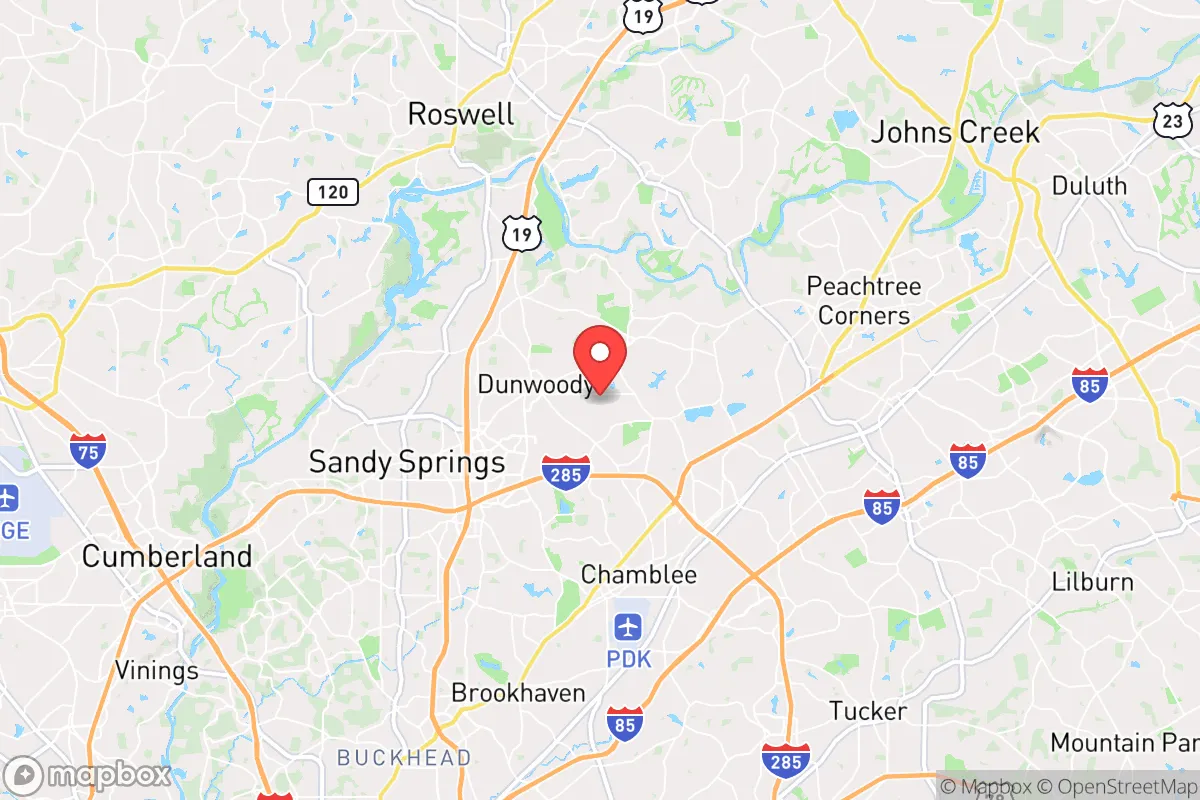
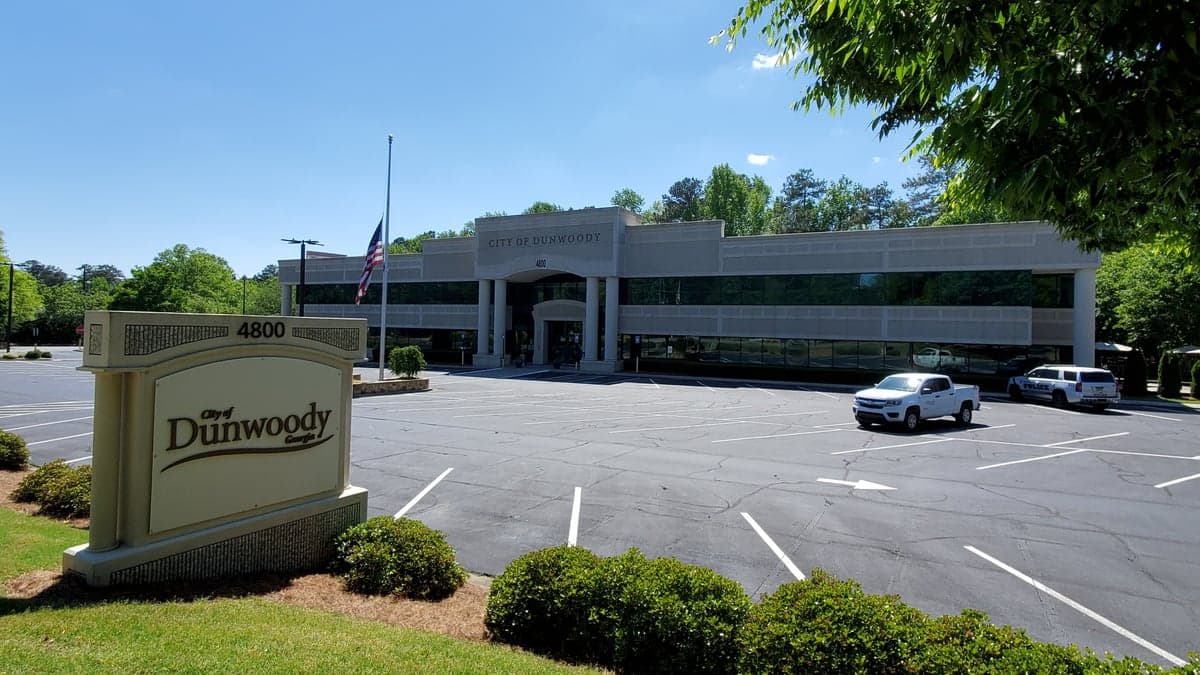
Photo: Wikipedia
Political ClimatePolitical Climate in Dunwoody, GA
District shown is the primary district for this city’s centroid. Cities may span multiple districts.
Local Political AnalysisPolitical Analysis of Dunwoody, GA
Look, I’ve been in Dunwoody long enough to remember when this place felt like a quiet, family-run suburb where folks mostly kept to themselves and the biggest political argument was over the HOA fees. That’s not the Dunwoody you’ll find today. The Cook PVI now sits at D+27, which is a massive shift leftward. This isn’t a purple town anymore—it’s a deep blue stronghold, and the change has been fast. The last few election cycles have seen the city and its surrounding DeKalb County vote overwhelmingly Democratic, and it’s not just about presidential races; local school board and city council seats have followed suit. If you’re coming from a more balanced area, you’ll notice the difference immediately.
How it compares
To really get the picture, you have to look at the neighbors. Drive ten minutes north to Alpharetta or Johns Creek, and you’re in solidly Republican territory—those areas still lean red, with Cook PVIs around R+10 or R+15. Head west to Sandy Springs, and it’s a bit more mixed, but still nowhere near Dunwoody’s leftward tilt. The contrast is stark: Dunwoody is now the progressive anchor of the northern Atlanta suburbs, while the towns just up GA-400 feel like a different world. Even within DeKalb County, Dunwoody is the most liberal pocket, outpacing even Decatur in some metrics. It’s a real island of blue in a sea of red and purple, and that creates some interesting friction when you’re talking about taxes, zoning, or school policies.
What this means for residents
For a long-time resident like me, the biggest concern is how fast the local government has embraced a progressive agenda without much pushback. You’re seeing it in things like the push for higher density zoning—more apartments, less single-family homes—which the city council has been all too eager to approve. There’s also been a steady creep of new regulations: stricter noise ordinances, more fees for small businesses, and a real enthusiasm for “equity” initiatives that often translate into higher property taxes. The school board, which used to be a pretty quiet body, is now a battleground over curriculum and parental rights. If you value personal freedoms—like the right to decide what your kids are taught or how your property is used—you’ll find yourself on the losing side of most votes here. The government’s reach is expanding, and it’s not subtle.
On the cultural side, Dunwoody has traded its old-school, “keep the yard nice and wave to the neighbors” vibe for something more activist. You’ll see more yard signs for progressive causes, more community meetings about “inclusivity,” and a general sense that the city is trying to rebrand itself as a mini-Atlanta. The old Dunwoody—the one with the quiet golf courses and the annual Fourth of July parade that was just about hot dogs and sparklers—is fading. The new Dunwoody is politically engaged, but in a way that feels like it’s pushing a specific worldview. If that’s your speed, you’ll love it. But if you’re like me and you just want the government to stay out of your life, you might start looking at those towns up north. The trajectory here is clear, and it’s not turning back.

State Political ClimatePolitical Climate in Georgia
State Political AnalysisPolitical Environment in the State
Georgia has shifted from a reliably Republican stronghold to a true battleground state over the past two decades, with its partisan lean now a razor-thin margin that flipped blue for the presidential race in 2020 before snapping back to a more divided posture in 2024. The state’s political identity is a tug-of-war between the explosive growth of the Atlanta metro, which drives Democratic turnout, and the deeply conservative rural and exurban areas that still anchor the GOP. For a conservative considering relocation, the key question is whether Georgia’s trajectory is one of increasing freedom or creeping centralization — and the answer is more complicated than a simple red or blue label.
Urban vs. rural divide
The political map of Georgia is a story of two Georgias. The Atlanta metropolitan area, including Fulton, DeKalb, Cobb, and Gwinnett counties, has become the engine of Democratic growth. Fulton County alone delivered over 400,000 votes for Biden in 2020, while DeKalb added another 280,000 — margins that effectively cancel out the entire Republican vote from the rest of the state. Meanwhile, the rural and small-town counties that ring Atlanta and stretch southward remain deeply red. Hall County (Gainesville) voted +34 R in 2024, while Houston County (Warner Robins) went +18 R, and Lowndes County (Valdosta) leaned +12 R. The real battlegrounds are the exurban "collar counties" like Forsyth, Cherokee, and Paulding, which have been trending rightward even as the inner suburbs shift left. Forsyth County, once a national symbol of racial tension, is now one of the fastest-growing and most reliably Republican counties in the state, voting +42 R in 2024. The divide isn’t just geographic — it’s cultural, with Atlanta’s progressive urbanism clashing against the gun-friendly, low-tax, school-choice values of the rest of the state.
Policy environment
Georgia’s state-level policy environment is a mixed bag for conservatives. On the plus side, the state has a flat income tax rate of 5.39% (down from 5.75% in 2024), with a scheduled phase-down to 4.99% by 2029. There is no state estate tax, and property taxes are relatively low, with a median effective rate of 0.87% of home value. The state is a right-to-work state, and its regulatory posture is generally business-friendly. On education, Georgia has a robust school choice landscape: the Georgia Promise Scholarship Act, signed in 2024, provides up to $6,500 per student for private school tuition or homeschooling expenses, a major win for parental rights. However, the state’s healthcare policy is a concern — Georgia did not expand Medicaid under the ACA, which keeps premiums higher for private plans, but it also means no government-run expansion of the system. Election integrity is a bright spot: SB 202 (2021) tightened voter ID requirements, limited drop boxes, and banned mass mail-in ballot applications, measures that have withstood court challenges. On the downside, the state’s alcohol laws remain restrictive (no Sunday sales before 12:30 PM in many counties), and the Georgia Occupational Licensing Board still imposes unnecessary barriers on trades like barbering and cosmetology.
Trajectory & freedom
Georgia’s trajectory on personal freedom is a mixed signal. On the positive side, the state has expanded gun rights significantly: HB 218 (2022) allowed permitless carry for anyone 21 or older, making Georgia one of 25 constitutional carry states. SB 319 (2024) strengthened the "stand your ground" law, removing the duty to retreat in any place where a person is lawfully present. On parental rights, SB 88 (2023) banned transgender surgeries and hormone treatments for minors, and HB 1084 (2022) — the "Parents’ Bill of Rights" — gave parents the right to review curriculum and opt their children out of objectionable materials. However, there are concerning trends. HB 1105 (2024) expanded the state’s hate crimes law, adding sexual orientation and gender identity as protected classes, which critics argue could chill speech. The Georgia Bureau of Investigation has also been given expanded powers to monitor "domestic terrorism," a vague term that some worry could be used against peaceful protesters. Property rights remain strong, with no statewide rent control and a relatively low property tax burden, but the Georgia Environmental Protection Division has been aggressive in regulating private land use near wetlands, a point of friction for rural landowners.
Civil unrest & political movements
Georgia has seen its share of political flashpoints. The 2020 election integrity controversy remains a live issue, with many conservatives still distrustful of the state’s voting machines (Dominion) and the 2020 recount process. The Atlanta "Cop City" protests in 2023-2024 turned violent, with activists firebombing construction equipment and the state responding with a heavy law enforcement presence — a situation that polarized the state. Immigration politics are heated: HB 1105 (2024) also included provisions to penalize sanctuary cities, though no Georgia city has formally declared itself one. The Georgia Republican Party has seen internal strife between establishment and populist factions, with the 2024 state convention featuring a contentious chair election. On the left, the Georgia Democratic Party has been energized by Stacey Abrams’ organizing efforts, but her 2022 loss to Governor Brian Kemp showed that the state’s center-right lean still holds in statewide races. The Georgia State Defense Force, a volunteer militia, has grown in visibility, with some members involved in border security operations in Texas — a sign of the state’s grassroots conservative activism.
Projection
Over the next 5-10 years, Georgia is likely to remain a purple state, but with a conservative tilt in statewide races if the GOP can hold the exurbs. The Atlanta metro’s growth is relentless — Fulton County added 50,000 residents between 2020 and 2024, and Gwinnett County added 40,000 — but much of that growth is from domestic migration of conservatives moving from blue states. The 2024 election results showed that Trump improved his margins in rural counties while losing ground in the Atlanta suburbs, suggesting a polarization that could keep the state competitive. The biggest wildcard is the 2026 gubernatorial election, which will test whether the GOP can hold the governor’s mansion without Kemp on the ballot. For a conservative moving in now, expect to see continued battles over election laws, school curriculum, and gun rights, with the state legislature likely to remain Republican-controlled through at least 2030 due to gerrymandered maps. The Georgia Supreme Court, currently with a 6-3 conservative majority, will be a key battleground on issues like abortion and religious liberty.
For a new resident, the bottom line is this: Georgia offers a relatively low-tax, gun-friendly, school-choice environment, but it is not a conservative utopia. The Atlanta metro’s progressive influence means you’ll see blue-leaning policies in the cities, and the state government is increasingly willing to use its power to regulate everything from hate speech to land use. If you’re moving to Gainesville, Warner Robins, or Valdosta, you’ll find a solidly conservative community with good schools and low crime. If you’re moving to Atlanta or its inner suburbs, expect to fight for your values at the ballot box and in your local school board meetings. Georgia is still a place where freedom is respected, but it’s a freedom that requires constant vigilance — and that’s exactly the kind of place a conservative can make a difference.
* Values derived from national, state, county, city and local statistics and may differ in a specific area. Last updated: 2026-04-23T05:29:43.000Z
Narrative content on this page is AI-generated and may contain mistakes. Verify any details that matter before acting on them.
ReloMaps may earn a commission from affiliate links at no extra cost to you.

