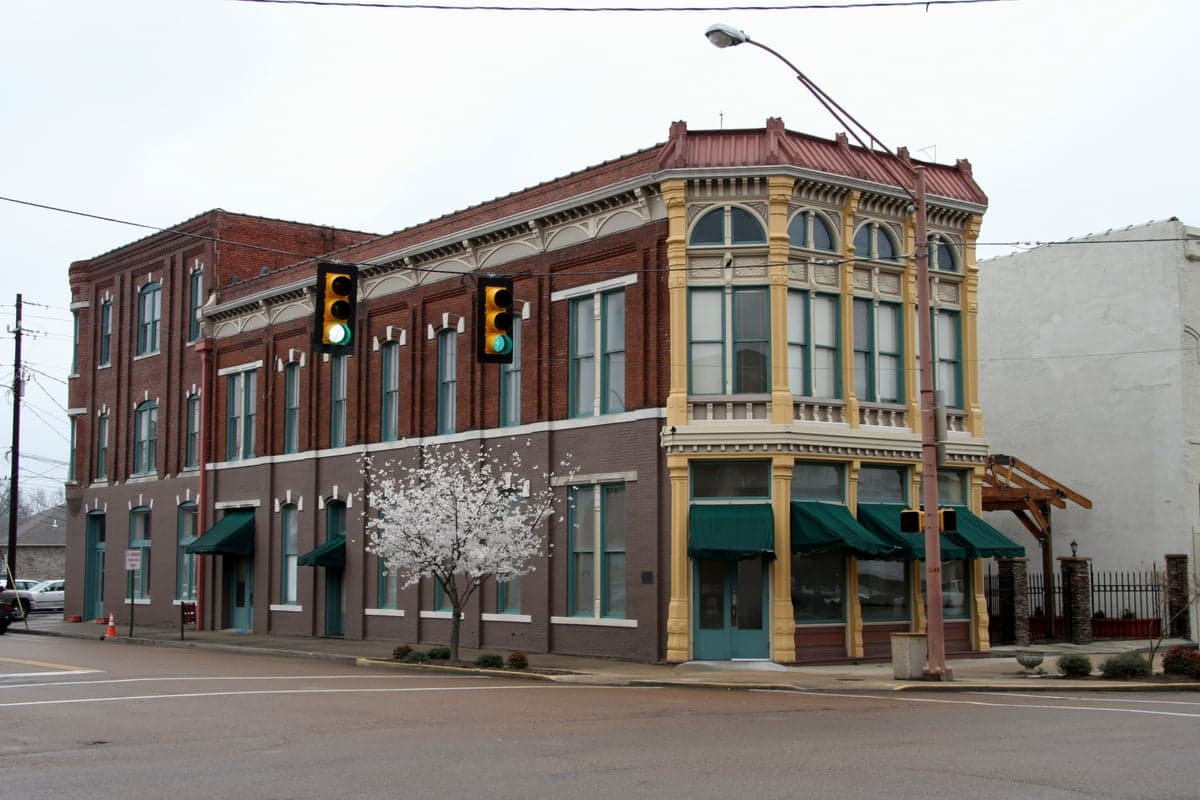
Photo: Wikipedia
Quality of Life in Dyersburg, TN
Above-average quality of iife. The area offers a reasonable cost of living, decent mobility, and a mix of neighborhood amenities.
What does Quality of Life tell us?
Quality of Life blends cost of living, nearby amenities, socioeconomic signals, and neighborhood character. City-level scores represent the whole municipality; individual neighborhoods can differ.
What does this tell us?
Quality of Life blends cost of living, nearby amenities, socioeconomic signals, and neighborhood character. City-level scores represent the whole municipality; individual neighborhoods can differ.
Cost of Living
37% below national average
The Real Cost of Living in Dyersburg, TN for 2026
| Tier | Individual | Family (4) |
|---|---|---|
| Survival | $16k | $29k |
| Comfortable | $33k | $49k |
| Luxury | $94k+ | $145k+ |
| Elite (Top 5%) | $235k+ | $365k+ |
106%
The Area Signal
A metric tracking the socioeconomic signals of the area.
Hobbies
Explore the areaGroceries
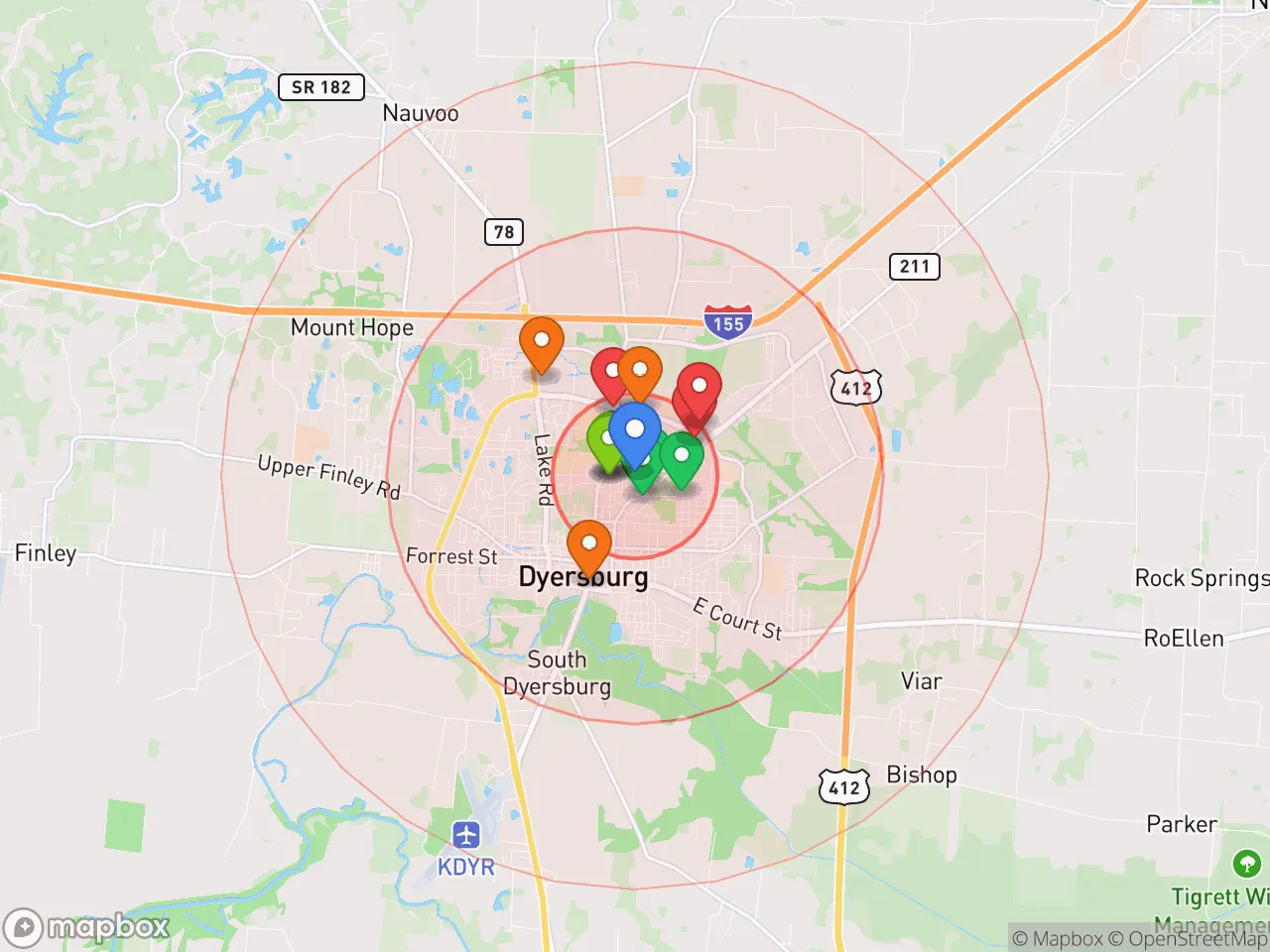
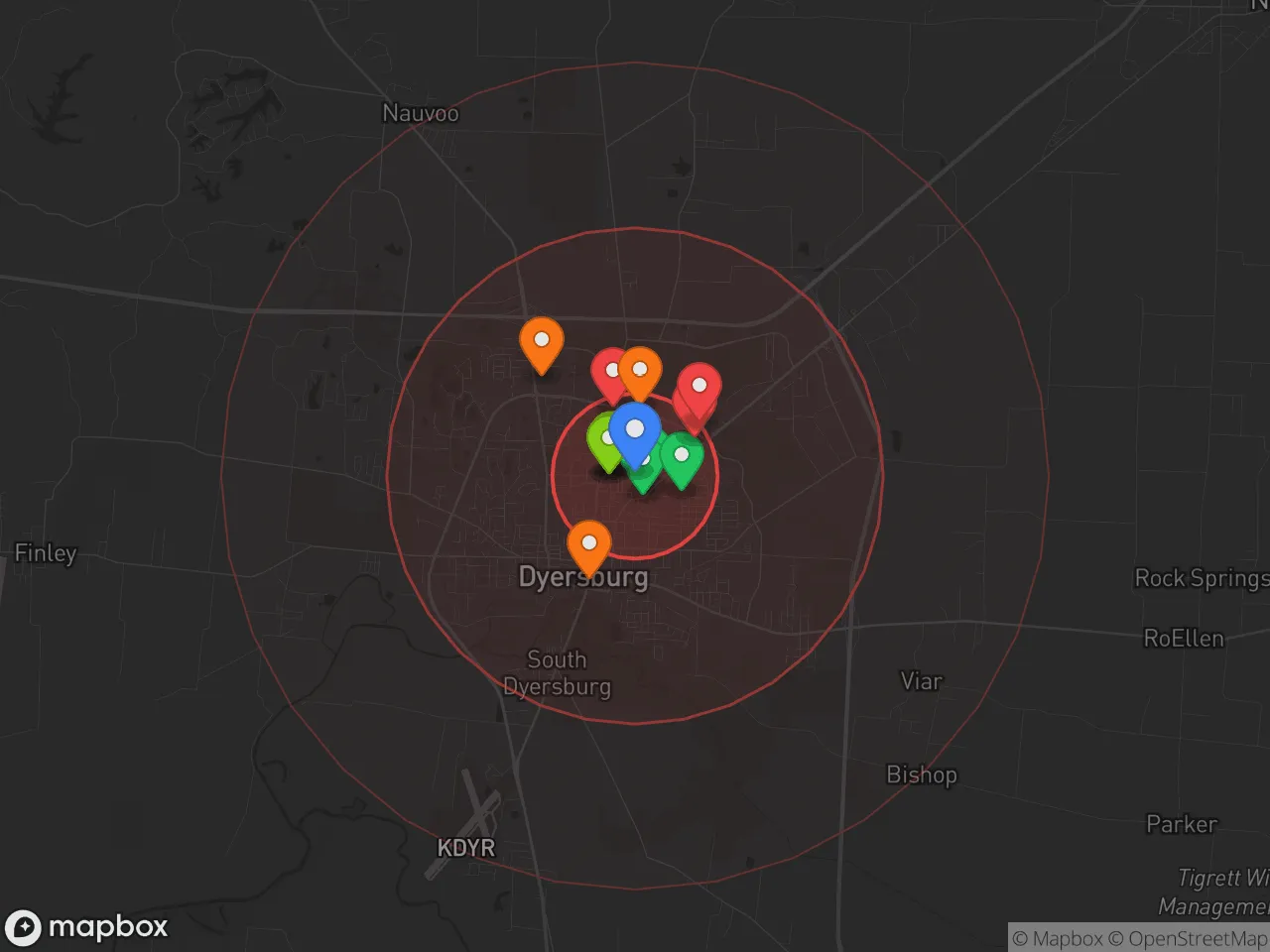
2 within 10 miles
Gas
15 within 10 miles
Hospital
1 within 20 miles
Airport
BNA — Nashville International
Post Office
USPS — Dyersburg, TN
Critical Amenities
Quality-of-Life Analysis
Dyersburg, Tennessee, offers a notably low cost of living that attracts a mix of working-class families, retirees, and first-time homebuyers seeking affordability without sacrificing small-town convenience. With a cost-of-living index of 63—well below the U.S. average of 100—the area’s economic profile is defined by modest incomes and lower housing expenses rather than high affluence. The median household income hovers around $40,000, reflecting a community where many residents work in manufacturing, healthcare, and retail, while a smaller segment of professionals and remote workers take advantage of the region’s bargain real estate.
Cost of living, housing affordability, and how Dyersburg compares to nearby areas
Dyersburg’s housing market is among the most affordable in West Tennessee, with a median home value of $170,900—roughly half the national median—and a median rent of just $759 per month. This makes homeownership accessible for households earning near the area’s median income, and renters can often find two-bedroom apartments for under $800. Compared to nearby Jackson (median home value ~$190,000) and Memphis (~$210,000), Dyersburg offers a clear price advantage, though the trade-off is a smaller job market and fewer high-end amenities. The average commute of 19.1 minutes is significantly shorter than the national average of 26 minutes, meaning residents spend less time in traffic and more time at home or on local errands. Utility costs and grocery prices also trend below state averages, reinforcing the overall affordability that defines daily life here.
What daily life is like: amenities, schools, and local rhythm
Daily life in Dyersburg revolves around a compact downtown core, a handful of chain retailers, and nearby outdoor recreation at Reelfoot Lake (about 30 minutes east). The Dyersburg City School System serves most families, with Dyersburg High School offering dual-enrollment programs through Dyersburg State Community College, which also provides associate degrees and workforce training. For healthcare, residents rely on West Tennessee Healthcare Dyersburg Hospital, a 225-bed facility that handles routine and emergency care. The local rhythm is slow and neighborly—weekend farmers’ markets, high school football games, and church gatherings anchor social life. Dining options lean toward Southern staples (barbecue, catfish, meat-and-three) with a few Mexican and fast-food chains. While there is no major shopping mall or entertainment district, residents drive 30–40 minutes to Jackson or 90 minutes to Memphis for concerts, specialty retail, or airport access.
Who thrives in Dyersburg? The area best suits those who prioritize low housing costs, a short commute, and a quiet, family-oriented environment over urban excitement. Retirees on fixed incomes, remote workers with stable salaries, and young families seeking starter homes will find the math works in their favor. Professionals seeking high-paying jobs or cultural diversity may find the options limited, but for anyone willing to trade nightlife for a mortgage under $1,200 a month, Dyersburg delivers a practical, low-stress quality of life.

Crime in Dyersburg, TN
Higher crime rates than 72% of comparable U.S. locations.
Violent CrimeViolent Crime Analysis
Property CrimeProperty Crime Analysis
Crime Analysis
Dyersburg, Tennessee, reports a violent crime rate of 945.5 incidents per 100,000 residents and a property crime rate of 4,084.5 per 100,000, figures that place it among the higher-crime communities in the state. These statistics indicate that both personal safety and property security are significant concerns for residents and prospective movers. The city's location in Dyer County, away from the direct influence of large metropolitan judicial systems, means local law enforcement and prosecution policies are the primary drivers of public safety outcomes.
Crime in context
Dyersburg's violent crime rate is roughly 2.5 times the national average and significantly exceeds the Tennessee state average of approximately 670 per 100,000. Property crime in the city is also elevated, running about 1.8 times the national rate. These numbers are not driven by a nearby large metro area's progressive criminal justice policies; rather, they reflect local socioeconomic factors and policing challenges. For context, the city's violent crime rate is comparable to some mid-sized urban centers in the South, while its property crime rate is notably higher than in neighboring rural communities like Newbern or Ripley.
What residents experience
Residents report that property crimes—particularly burglary, theft from vehicles, and vandalism—are the most common safety issues encountered in daily life. Violent incidents, while less frequent, are concentrated in specific areas and often involve individuals known to one another. The Dyersburg Police Department maintains a visible presence in the downtown core and along major corridors like Lake Road, but response times in outlying residential neighborhoods can vary. Community surveys indicate that fear of property crime is the top safety concern, especially among homeowners and small business operators. The local judicial system, operating under Tennessee's generally conservative sentencing guidelines, does not exhibit the progressive prosecutorial leniency seen in some larger jurisdictions, which may help keep recidivism rates lower than in metro-area cities.
Neighborhood-level variation is pronounced. Areas west of the Forked Deer River and near the Dyersburg State Community College campus tend to report fewer incidents, while older neighborhoods closer to the downtown commercial corridor and the industrial zones along Highway 51 experience higher crime concentrations. Prospective residents should examine block-level crime maps and consult with local real estate agents to identify safer pockets. Overall, Dyersburg requires a higher degree of personal vigilance—especially regarding property security—than the average Tennessee community, but its crime challenges stem from local conditions rather than the systemic progressive justice policies that plague many larger metropolitan areas.
* Values derived from national, state, county, city and local statistics and may differ in a specific area. Last updated: 2026-05-07T00:12:21.000Z
Narrative content on this page is AI-generated and may contain mistakes. Verify any details that matter before acting on them.
ReloMaps may earn a commission from affiliate links at no extra cost to you.

