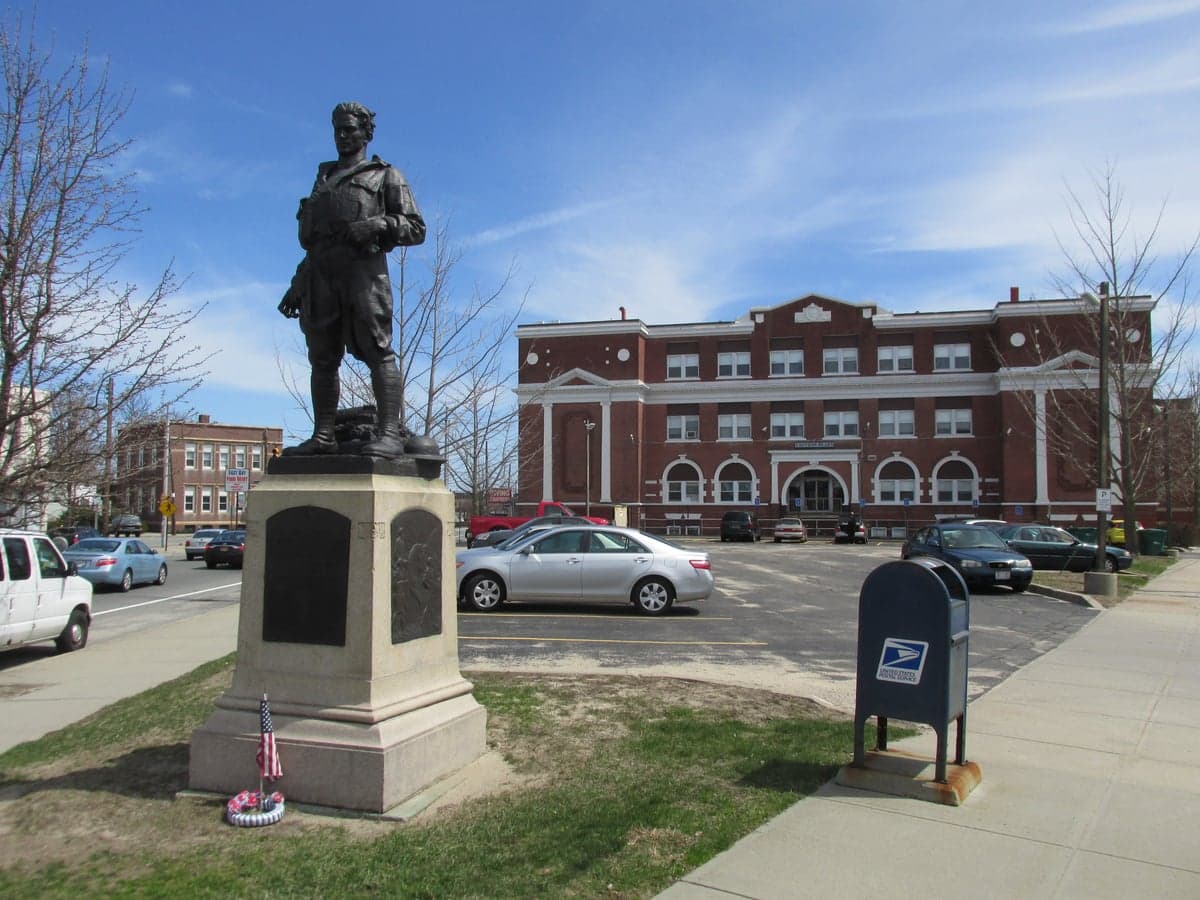
Photo: Wikipedia
Quality of Life in East Providence, RI
Above-average quality of iife. The area offers a reasonable cost of living, decent mobility, and a mix of neighborhood amenities.
What does Quality of Life tell us?
Quality of Life blends cost of living, nearby amenities, socioeconomic signals, and neighborhood character. City-level scores represent the whole municipality; individual neighborhoods can differ.
What does this tell us?
Quality of Life blends cost of living, nearby amenities, socioeconomic signals, and neighborhood character. City-level scores represent the whole municipality; individual neighborhoods can differ.
Cost of Living
11% above national average
The Real Cost of Living in East Providence, RI for 2026
| Tier | Individual | Family (4) |
|---|---|---|
| Survival | $20k | $38k |
| Comfortable | $63k | $92k |
| Luxury | $135k+ | $210k+ |
| Elite (Top 5%) | $159k+ | $247k+ |
87%
The Area Signal
A metric tracking the socioeconomic signals of the area.
Hobbies
Explore the areaGroceries
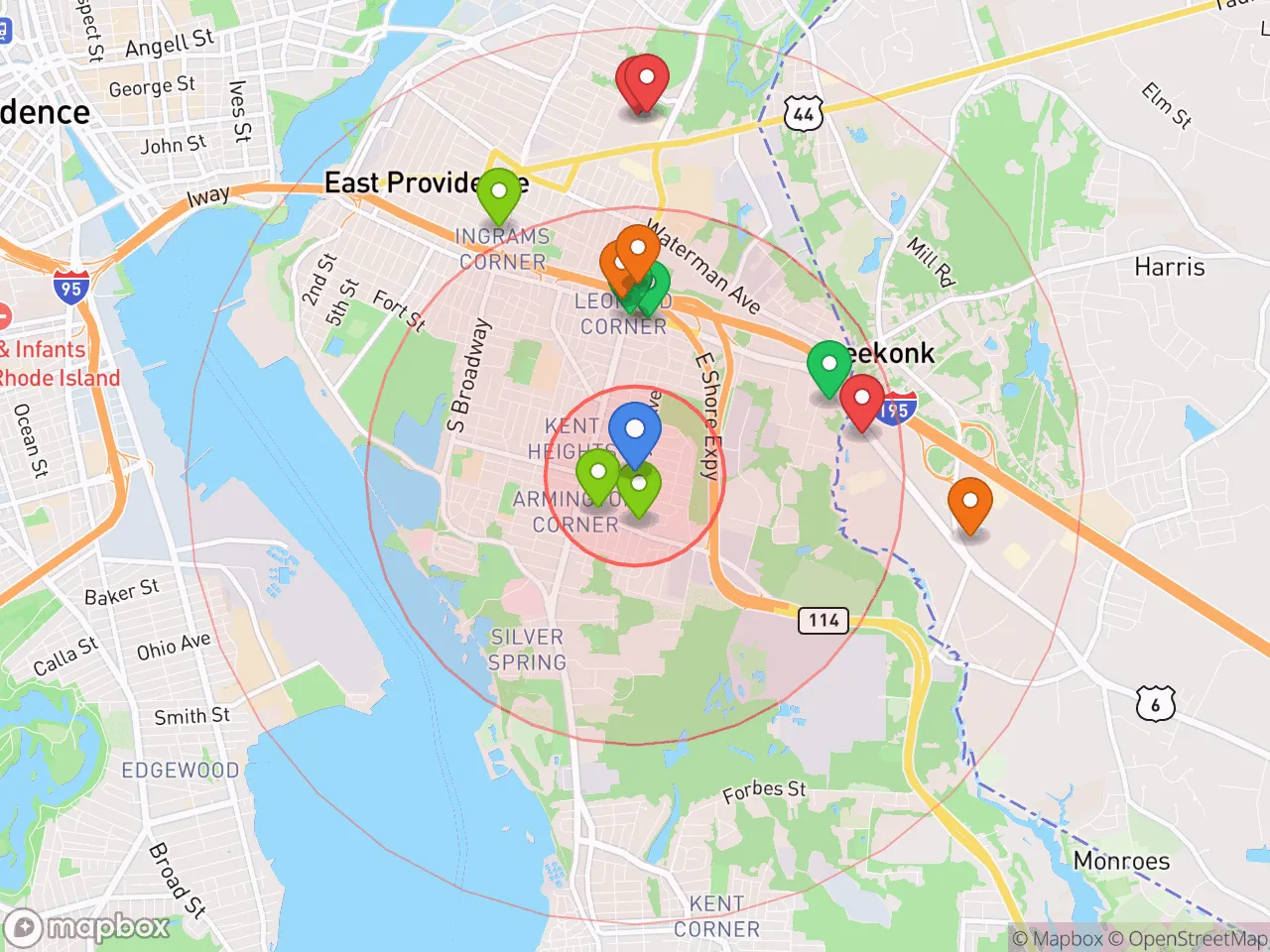
7 within 10 miles
Gas
20 within 10 miles
Hospital
20 within 20 miles
Airport
PDX — Portland International Jetport
Post Office
USPS — East Providence, RI
Critical Amenities
Quality-of-Life Analysis
East Providence, Rhode Island, presents a quality-of-life profile that blends middle-class affordability with the convenience of a Providence suburb, attracting a mix of long-term Rhode Island families, Massachusetts transplants seeking lower housing costs, and young professionals priced out of the capital city. With a cost-of-living index of 111 (11% above the U.S. average), the city is notably more affordable than neighboring Providence (index ~118) and significantly cheaper than Boston suburbs like Newton or Cambridge. The population of roughly 47,000 is predominantly white and working-to-middle class, with a growing Hispanic community, and the city’s character is defined by its waterfront along the Seekonk and Providence Rivers, its historic mill housing, and a steady influx of residents drawn by relative value.
Cost of living, housing affordability, and how it compares to Providence and Boston
East Providence’s housing market is the primary draw for budget-conscious buyers and renters. The median home value of $322,100 is roughly $50,000 below the Providence metro median and less than half the median in Boston proper. This makes it one of the more attainable single-family home markets within a 15-minute drive of downtown Providence. The median rent of $1,262 is similarly competitive—about $200–$300 less per month than comparable units in Providence’s Fox Point or Wayland Square neighborhoods. However, the city’s property tax rate (around $16.50 per $1,000 of assessed value) is higher than in some neighboring Massachusetts towns like Seekonk, which can offset some of the purchase-price savings. The average commute of 23.2 minutes is a key advantage: most residents drive to jobs in Providence (10–15 minutes), East Providence’s own industrial and retail zones, or to the I-195 corridor toward Fall River and New Bedford. Commuting to Boston via I-95 or the commuter rail from Providence Station typically takes 50–70 minutes, making it a feasible but not ideal option for daily Boston workers.
Amenities, schools, and what daily life is like for families and professionals
Daily life in East Providence centers on a mix of local retail corridors (Taunton Avenue, Broadway) and access to Providence’s cultural and dining scene. The city’s own amenities include the East Providence Public Library, the Looff Carousel at Crescent Park (a historic waterfront attraction), and several waterfront parks like Pierce Beach and Squantum Woods. The school system, East Providence Public Schools, serves about 5,500 students across nine elementary schools, two middle schools, and East Providence High School. The district’s performance is mixed—graduation rates hover around 80%, and standardized test scores generally trail the state average—but it offers specialized programs like the Metropolitan Regional Career and Technical Center (The Met) for career-focused students. For families, the city lacks the top-tier school reputation of Barrington or East Greenwich, but it compensates with lower housing costs and a more diverse, less homogeneous community. Professionals and empty-nesters appreciate the short commute to Providence’s hospitals (Rhode Island Hospital, Women & Infants), universities (Brown, RISD), and the growing biotech and financial services sectors.
East Providence is best suited for buyers and renters who prioritize affordable homeownership within a short commute to Providence over elite schools or a vibrant downtown nightlife. It works well for first-time homebuyers, families who can supplement public schools with private options, and Massachusetts residents seeking lower housing costs without leaving the region entirely. The city’s trade-offs—higher taxes, average schools, and a car-dependent layout—are offset by its waterfront setting, proximity to Providence’s job market, and a cost structure that remains one of the most accessible in the greater Providence area. For those who value square footage and a yard over walkability and prestige, East Providence delivers a stable, middle-class quality of life with realistic financial entry points.

Crime in East Providence, RI
Lower crime rates than 99% of comparable U.S. locations.
Violent CrimeViolent Crime Analysis
Property CrimeProperty Crime Analysis
Crime Analysis
East Providence, Rhode Island, reports a violent crime rate of 8.3 per 100,000 residents and a property crime rate of 110.2 per 100,000, figures that are significantly lower than both state and national averages. While these statistics suggest a generally safe environment, the city's location within the Providence metropolitan area means it is subject to the broader criminal justice policies of Rhode Island, which has a reputation for progressive prosecution and sentencing practices. This context is critical for anyone evaluating long-term safety and community stability in the region.
Crime in context
East Providence's violent crime rate of 8.3 per 100,000 is roughly one-tenth the national average of about 380 per 100,000, and its property crime rate of 110.2 per 100,000 is well below the U.S. figure of approximately 1,950 per 100,000. However, these low numbers must be weighed against the reality that Rhode Island as a whole has seen property crime rates rise in recent years, partly attributed to policies that prioritize diversion and reduced incarceration for non-violent offenders. The state's judicial system, influenced by progressive district attorneys in Providence County, has been criticized for lenient bail practices and plea deals that can return repeat property offenders to the streets quickly. For residents, this means that while violent incidents are rare, the risk of property crime—such as package theft, vehicle break-ins, and vandalism—may feel higher than the raw numbers suggest, especially in neighborhoods near major highways like I-195.
What residents experience
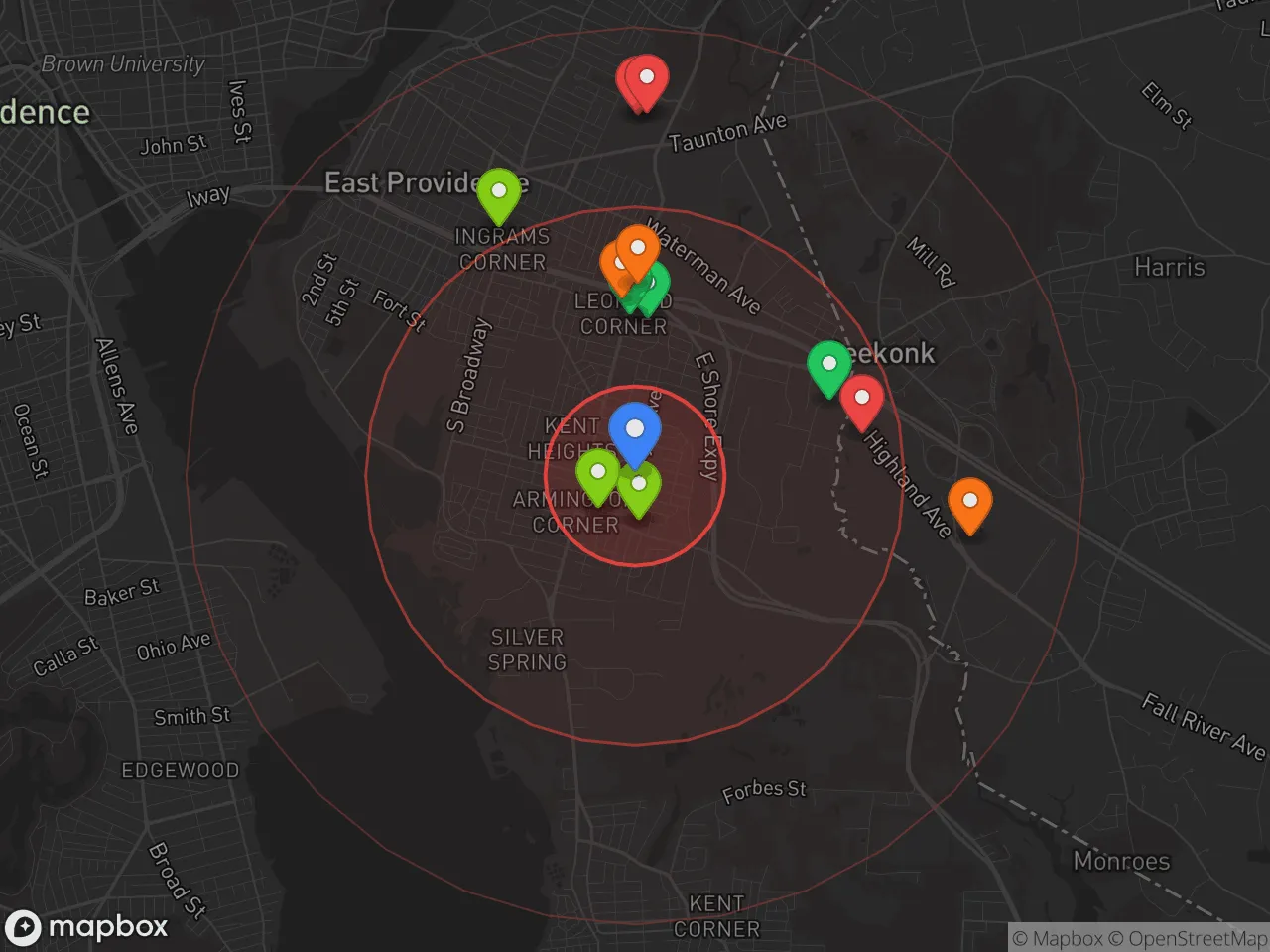
Daily life in East Providence is generally quiet, with most crime concentrated in commercial corridors such as Taunton Avenue and Warren Avenue. Residents report that property crime is the primary concern, particularly in areas with easy highway access where offenders can quickly flee. The city's police department has responded with community policing initiatives and increased patrols in hotspot zones, but the effectiveness of these efforts is hampered by state-level policies that critics argue prioritize offender rehabilitation over public safety. For example, Rhode Island's 2021 bail reform law has made it more difficult for judges to hold suspects deemed non-dangerous, even those with multiple property crime arrests. This creates a cycle where residents may experience repeated minor thefts or vandalism from the same individuals, eroding trust in the justice system. Families and retirees, who make up a significant portion of East Providence's population, often cite this unpredictability as a greater concern than the low violent crime rate.
Neighborhood-level variation is notable. Riverside, the waterfront area along the Seekonk River, tends to see less crime due to its higher property values and tighter-knit community. In contrast, the central neighborhoods near the Providence line, such as the area around Broadway and Pawtucket Avenue, experience more frequent property incidents. Prospective residents should research block-by-block conditions and consider that the city's overall low crime numbers may not fully capture the impact of progressive criminal justice policies on daily quality of life. For those prioritizing safety, the safest choice may be to look at neighborhoods with active neighborhood watch programs and homes with modern security systems, as these provide a practical buffer against the systemic issues affecting the region.
* Values derived from national, state, county, city and local statistics and may differ in a specific area. Last updated: 2026-04-22T04:57:26.000Z
Narrative content on this page is AI-generated and may contain mistakes. Verify any details that matter before acting on them.
ReloMaps may earn a commission from affiliate links at no extra cost to you.

