Photo: Wikipedia
Quality of Life in Easton, MD
A high quality of life with strong walkability, manageable living costs, healthy neighborhood signals, and solid amenity access.
What does Quality of Life tell us?
Quality of Life blends cost of living, nearby amenities, socioeconomic signals, and neighborhood character. City-level scores represent the whole municipality; individual neighborhoods can differ.
What does this tell us?
Quality of Life blends cost of living, nearby amenities, socioeconomic signals, and neighborhood character. City-level scores represent the whole municipality; individual neighborhoods can differ.
Cost of Living
10% above national average
The Real Cost of Living in Easton, MD for 2026
| Tier | Individual | Family (4) |
|---|---|---|
| Survival | $19k | $35k |
| Comfortable | $68k | $100k |
| Luxury | $133k+ | $206k+ |
| Elite (Top 5%) | $170k+ | $263k+ |
74%
The Area Signal
A metric tracking the socioeconomic signals of the area.
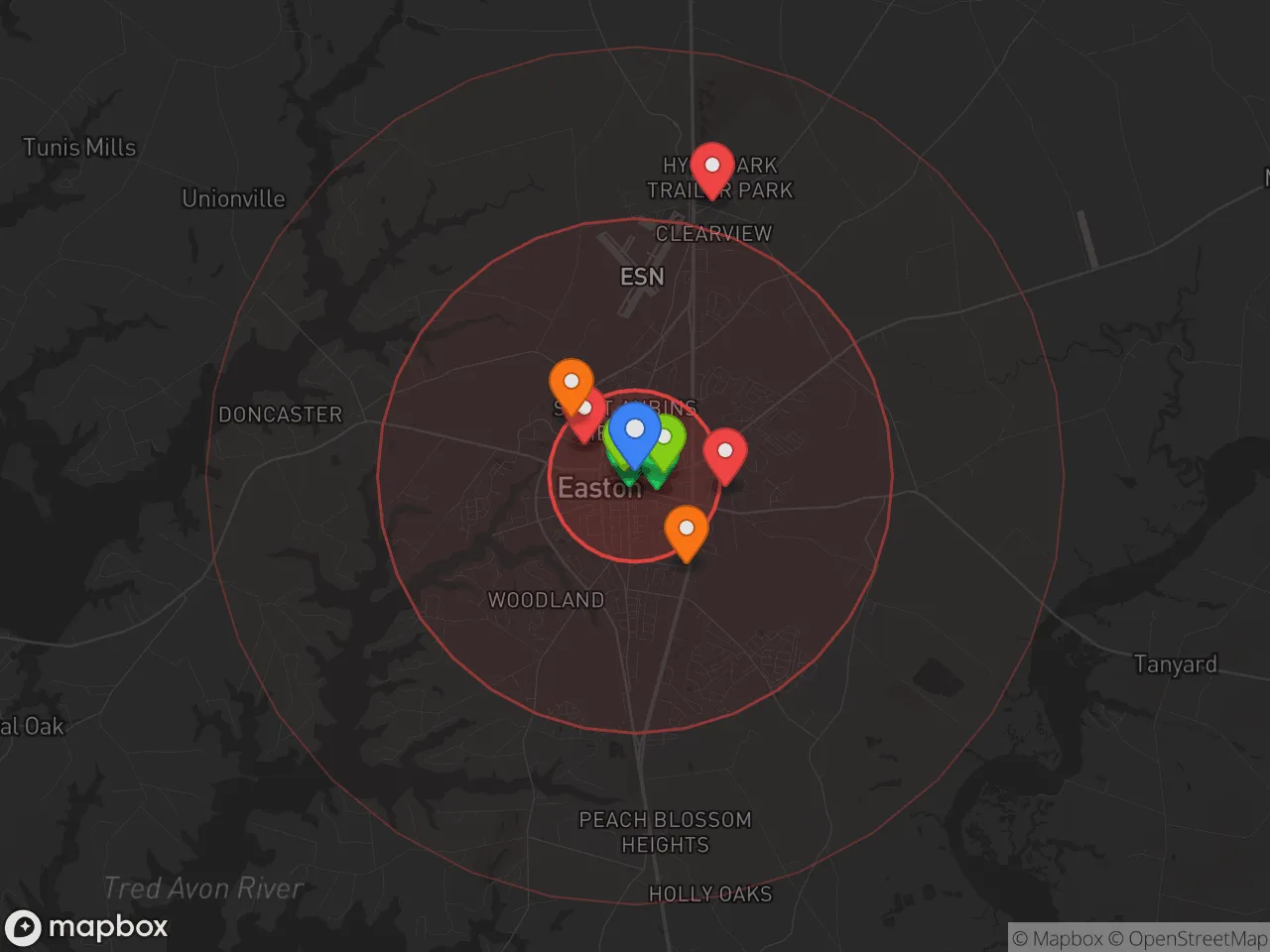
Hobbies
Explore the areaGroceries
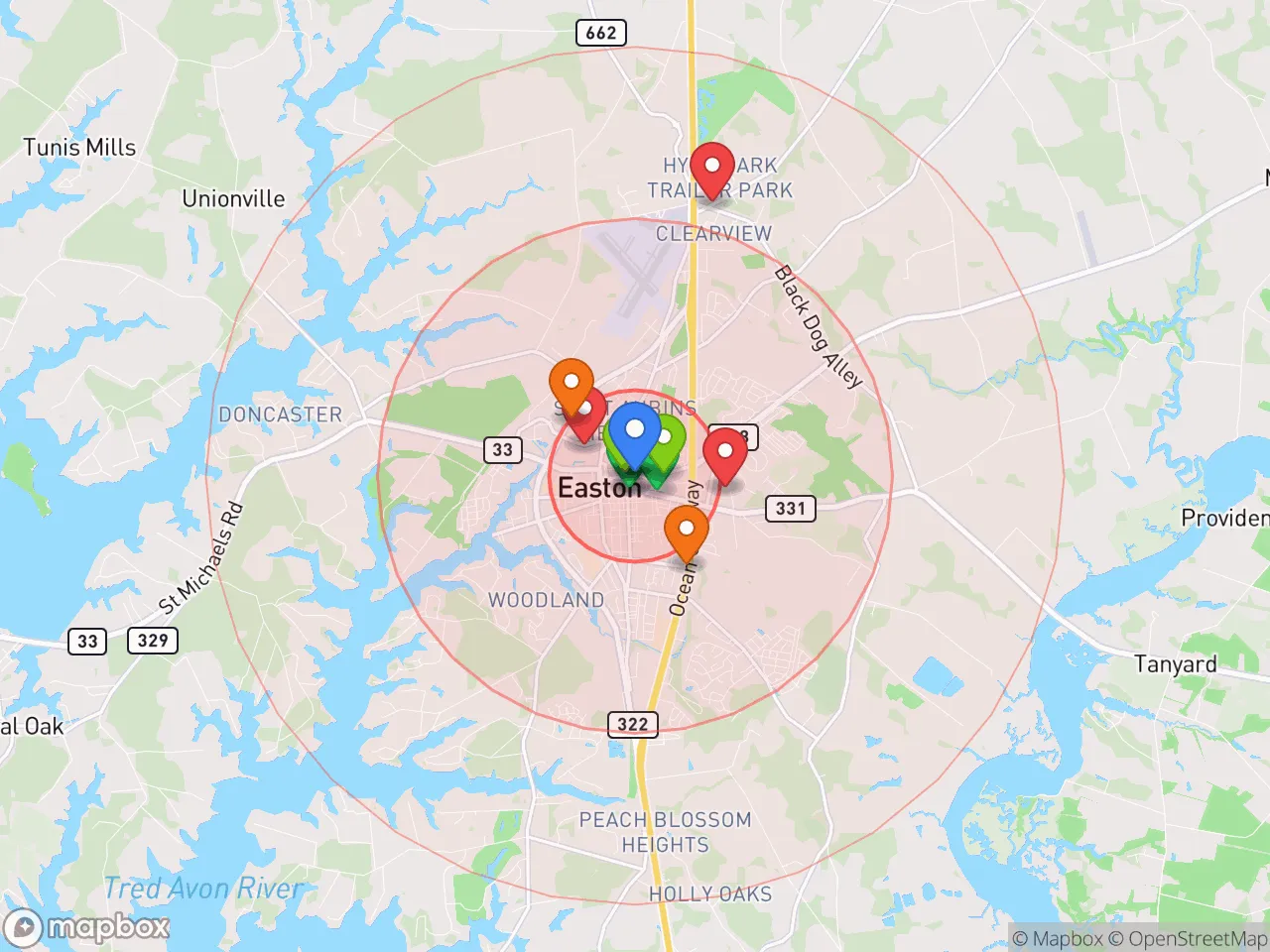
5 within 10 miles
Gas
18 within 10 miles
Hospital
4 within 20 miles
Airport
BWI — Baltimore/Washington International Thurgood Marshall
Post Office
USPS — Easton, MD
Critical Amenities
Quality-of-Life Analysis
Easton, Maryland, presents a quality of life defined by historic charm, a strong sense of community, and an affluent, well-educated population. With a cost of living index of 110 (10% above the national average), the town attracts professionals, retirees, and second-home buyers drawn to its walkable downtown, waterfront access on the Eastern Shore, and proximity to both Washington, D.C., and Baltimore. The population skews older and wealthier than the national median, with a notable concentration of doctors, lawyers, and entrepreneurs who value the slower pace and cultural amenities of a small but sophisticated town.
Cost of living, housing, and affordability compared to nearby areas
Easton’s housing market is the primary driver of its above-average cost of living. The median home value sits at $348,400, significantly higher than the Maryland state median of roughly $340,000 and far above the national median of about $290,000. Renters face a median monthly rent of $1,177, which is moderate for the region but still elevated compared to more rural Talbot County towns like St. Michaels or Oxford. For context, a comparable home in Annapolis (45 minutes west) would cost 30-40% more, making Easton a relative value for those commuting from the D.C.-Baltimore corridor. The average commute time is 23 minutes, well below the national average of 27 minutes, reflecting the town’s self-contained employment base and limited sprawl. However, property taxes in Talbot County are among the highest in Maryland (roughly 1.1% of assessed value), which adds a recurring cost that buyers from lower-tax states should factor in. Groceries and healthcare are also slightly above national averages, though utilities remain in line with the rest of the Mid-Atlantic.
What daily life is like for families: amenities, schools, and community rhythm
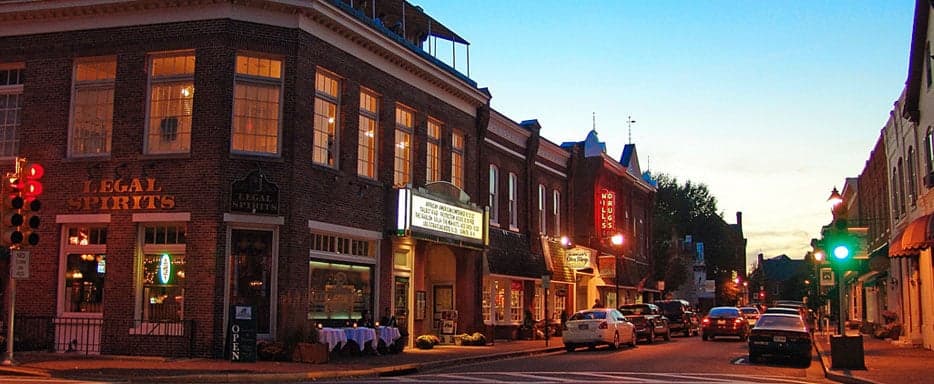
Daily life in Easton revolves around its compact, pedestrian-friendly downtown, anchored by the Avalon Theatre, the Academy Art Museum, and a farmers market that runs year-round. The Talbot County Public Schools system is well-regarded, with Easton High School consistently ranking among the top 30% of Maryland high schools and a student-teacher ratio of 14:1. For families, the town offers a robust network of parks, including the 40-acre Idlewild Park with sports fields and a dog park, and the nearby Tuckahoe State Park for hiking and kayaking. The community rhythm is distinctly seasonal: summer brings the Waterfowl Festival and packed marinas, while fall and winter see a quieter, more neighborly pace. Dining options lean upscale (e.g., the Tidewater Inn’s Hunter’s Tavern) but also include family-friendly staples like the Scottish Highland Creamery. Healthcare is a standout amenity, with the University of Maryland Shore Medical Center at Easton providing a full-service hospital and specialty clinics that reduce the need to travel to Salisbury or Annapolis for routine care.
Easton is best suited for professionals, retirees, and families who prioritize a high quality of life over low costs and who value walkability, cultural amenities, and a tight-knit community. Those who thrive here are typically willing to pay a premium for historic character, waterfront access, and excellent schools, while accepting that employment opportunities are concentrated in healthcare, education, and small business rather than large corporate sectors. For remote workers, creatives, or anyone seeking a slower pace without sacrificing urban-level dining and arts, Easton offers a compelling balance — provided they can absorb the housing and tax costs that come with one of the Eastern Shore’s most desirable towns.

Crime in Easton, MD
Generally safer than 63% of comparable U.S. locations.
Violent CrimeViolent Crime Analysis
Property CrimeProperty Crime Analysis
Crime Analysis
Easton, Maryland, reports a violent crime rate of 493 per 100,000 residents and a property crime rate of 1,610.9 per 100,000, placing it above both state and national averages for communities of its size. These figures, drawn from the most recent FBI Uniform Crime Reporting data, indicate that while Easton is not among the most dangerous small cities in the Mid-Atlantic, it faces challenges that prospective residents should weigh carefully, particularly given the broader criminal justice environment in Maryland’s liberal-leaning jurisdictions.
Crime in context
Easton’s violent crime rate of 493 per 100,000 is roughly 40% higher than the national average of approximately 380 per 100,000 and significantly exceeds Maryland’s statewide rate of about 480 per 100,000. Property crime in Easton, at 1,610.9 per 100,000, also outpaces the national average of roughly 1,950 per 100,000 but is lower than Maryland’s statewide property crime rate of approximately 1,800 per 100,000. These comparisons place Easton in a middle tier among Maryland’s Eastern Shore communities—safer than Salisbury (which reports violent crime near 700 per 100,000) but riskier than smaller towns like St. Michaels. The presence of progressive district attorneys in Talbot County and surrounding jurisdictions, who often emphasize diversion programs and reduced pretrial detention, contributes to a justice environment where repeat property offenders and some violent offenders cycle through the system quickly, a dynamic that local law enforcement has publicly noted as a challenge to sustained crime reduction.
What residents experience
For daily life in Easton, the elevated violent crime rate translates into a tangible risk of aggravated assault and robbery, particularly in areas near the downtown commercial corridor and along the Route 50 corridor. Aggravated assault accounts for roughly 65% of reported violent incidents, with many stemming from disputes or domestic situations rather than random stranger attacks. Property crime is the more pervasive concern: vehicle break-ins, theft from porches, and burglaries of unoccupied homes are common enough that residents in neighborhoods like the Historic District and the newer subdivisions off Dutchmans Lane routinely take precautions such as security cameras and neighborhood watch participation. The town’s police department, with about 30 sworn officers, maintains a visible presence but is stretched thin during peak tourist seasons, when the population swells and opportunistic thefts rise.
Neighborhood-level variation
Crime in Easton is not uniformly distributed. The area around the Easton Market shopping center and the low-income housing complexes on Port Street and South Washington Street report the highest concentrations of both violent and property incidents, while established residential neighborhoods like the Country Club area and the gated communities off Goldsborough Neck Road experience far lower crime rates, often below 200 per 100,000 for violent offenses. Prospective residents should examine block-level data from the Talbot County Sheriff’s Office or the Easton Police Department’s annual reports, as the town’s overall averages mask significant safety disparities between its historic core and its more affluent outskirts. The influence of progressive prosecutorial policies in Talbot County, which prioritize treatment over incarceration for nonviolent drug offenses, has been cited by local officials as a factor in the persistence of property crime rings that operate across the Eastern Shore, making neighborhood vigilance and property hardening advisable regardless of where one settles.
* Values derived from national, state, county, city and local statistics and may differ in a specific area. Last updated: 2026-04-22T01:12:56.000Z
Narrative content on this page is AI-generated and may contain mistakes. Verify any details that matter before acting on them.
ReloMaps may earn a commission from affiliate links at no extra cost to you.

