Photo: Wikipedia
Quality of Life in Evansville, IN
A high quality of life with strong walkability, manageable living costs, healthy neighborhood signals, and solid amenity access.
What does Quality of Life tell us?
Quality of Life blends cost of living, nearby amenities, socioeconomic signals, and neighborhood character. City-level scores represent the whole municipality; individual neighborhoods can differ.
What does this tell us?
Quality of Life blends cost of living, nearby amenities, socioeconomic signals, and neighborhood character. City-level scores represent the whole municipality; individual neighborhoods can differ.
Cost of Living
33% below national average
The Real Cost of Living in Evansville, IN for 2026
| Tier | Individual | Family (4) |
|---|---|---|
| Survival | $15k | $28k |
| Comfortable | $25k | $37k |
| Luxury | $92k+ | $143k+ |
| Elite (Top 5%) | $109k+ | $169k+ |
142%
The Area Signal
A metric tracking the socioeconomic signals of the area.
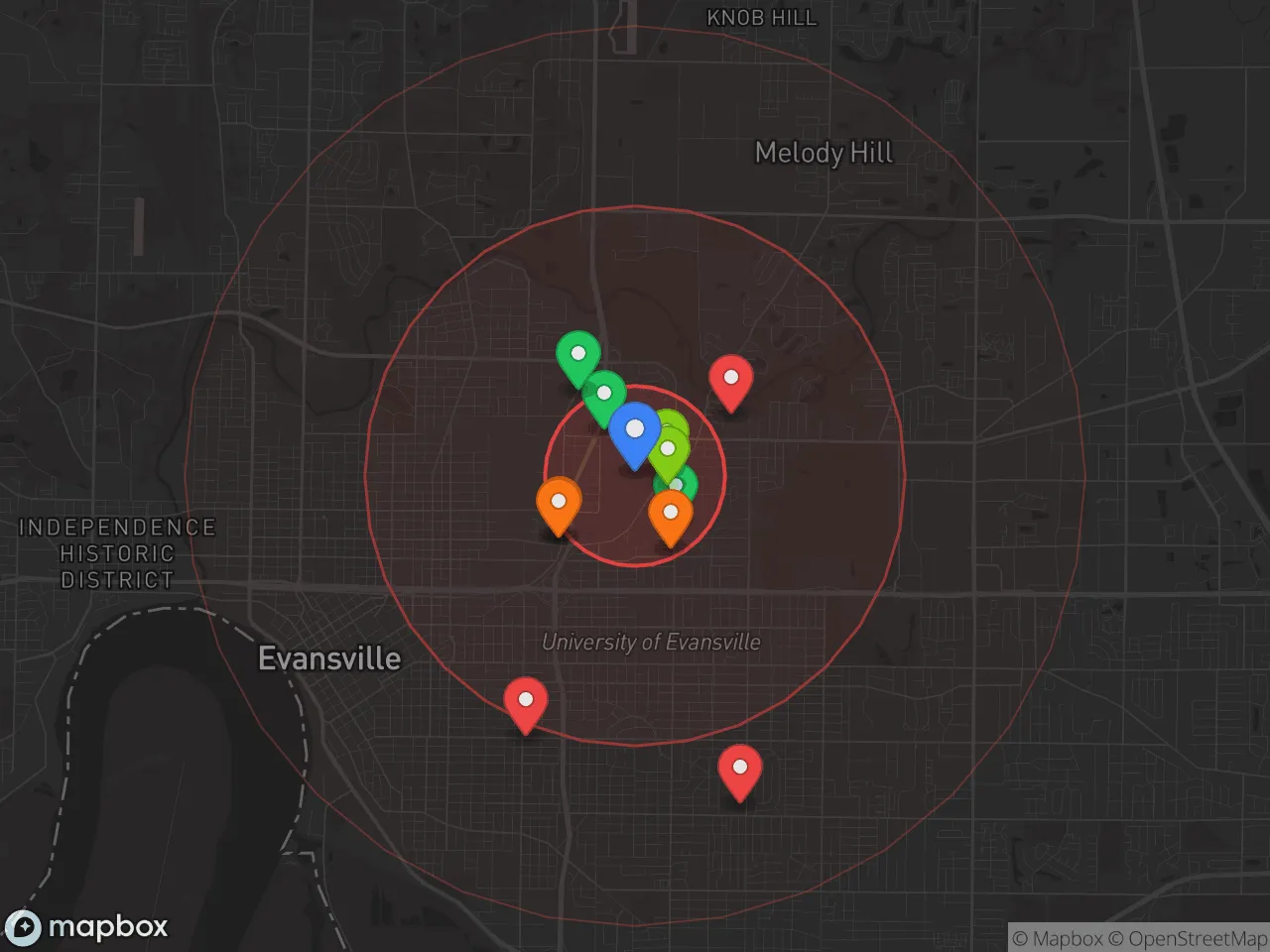
Hobbies
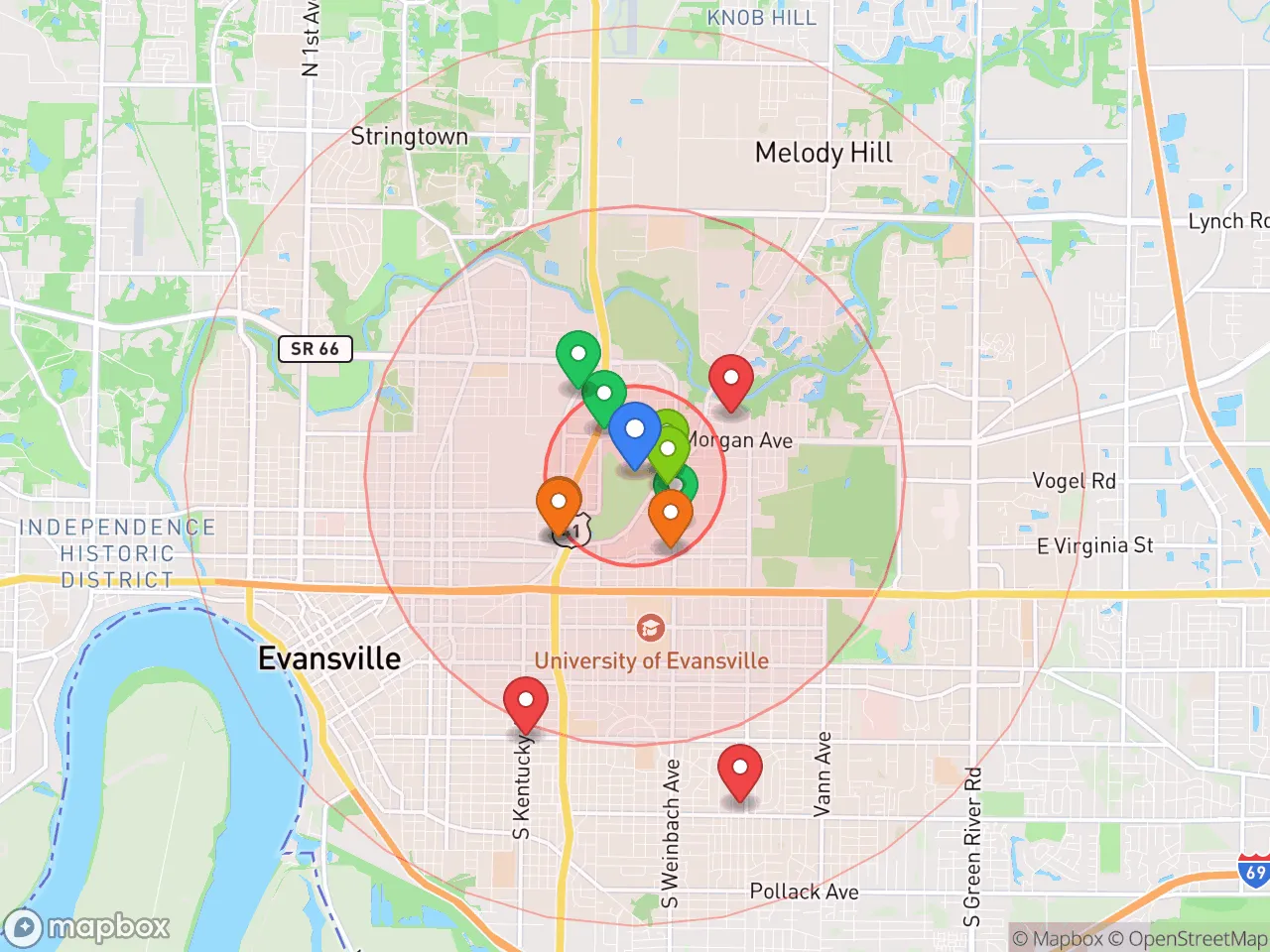
Explore the areaGroceries
6 within 10 miles
Gas
20 within 10 miles
Hospital
13 within 20 miles
Airport
Indianapolis International Airport
Post Office
USPS — Evansville, IN
Critical Amenities
Quality-of-Life Analysis
Evansville, Indiana, offers a notably affordable quality of life that attracts a mix of working-class families, young professionals, and retirees seeking a lower cost of living without sacrificing urban amenities. With a cost-of-living index of 67 (100 = US average), the city sits well below the national baseline, making it one of the more budget-friendly metro areas in the Midwest. The population skews toward middle-income households, with a median household income around $45,000, and the city’s economic anchors—including Deaconess Health System, Ascension St. Vincent, and Toyota Motor Manufacturing Indiana—provide stable employment for a largely blue-collar and healthcare-oriented workforce.
How housing costs and everyday expenses compare to nearby cities
Housing is the standout driver of Evansville’s affordability. The median home value is $129,100, roughly one-third of the national median, while the median rent sits at $949 per month. This places Evansville well below neighboring metros like Louisville (median home value ~$220,000) and Indianapolis (~$240,000). Even compared to smaller Indiana cities such as Bloomington or Terre Haute, Evansville’s housing stock is significantly cheaper, with many three-bedroom homes available for under $150,000. The average commute time of 18.7 minutes is notably short—well under the national average of 26 minutes—which reduces transportation costs and frees up time for residents. Utility costs and grocery prices also track below the national average, though property taxes in Vanderburgh County are moderate at roughly 1.1% of assessed value, meaning homeowners pay around $1,420 annually on a median-priced home.
What daily life is like for families: schools, parks, and local amenities
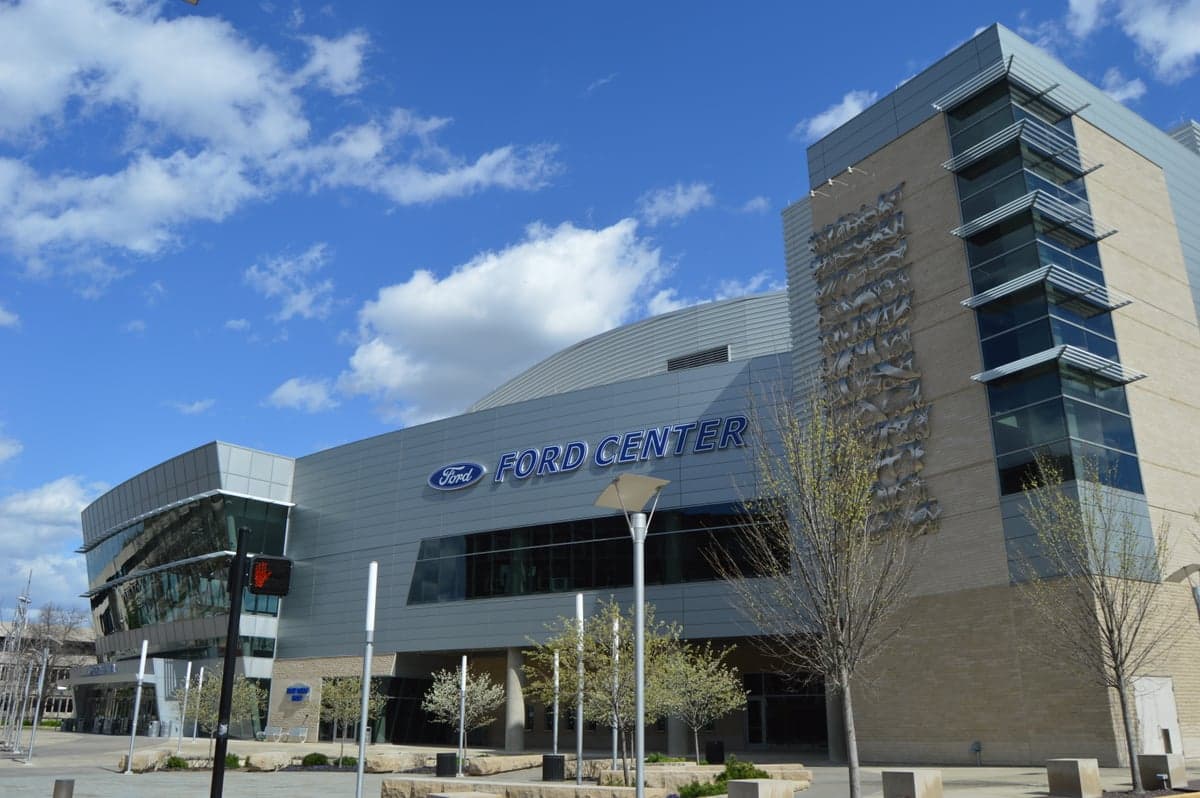
Daily life in Evansville centers on a compact, walkable downtown along the Ohio River, anchored by the Evansville Museum of Arts, History & Science and the Ford Center arena. The Evansville Vanderburgh School Corporation operates 22 elementary schools, 8 middle schools, and 5 high schools, with Signature School—a public charter high school—consistently ranked among the top in Indiana and nationally for academic performance. For outdoor recreation, the city maintains over 70 parks, including the 333-acre Wesselman Woods Nature Preserve, which features old-growth forest and hiking trails. The retail and dining scene is concentrated along the Lloyd Expressway and in the East Side corridor, with national chains and local staples like Gerst Haus and Turoni’s Pizzeria & Brewery. The University of Evansville and the University of Southern Indiana add cultural events, college sports, and continuing education options. Residents typically describe the rhythm as unhurried but not isolated—the city is 2.5 hours from Indianapolis and 3 hours from St. Louis, making weekend trips feasible without daily congestion.
Evansville is best suited for those who prioritize financial breathing room over big-city excitement. Retirees on fixed incomes, remote workers seeking low housing costs, and families who value short commutes and access to decent public schools will find the city a practical fit. Young professionals may find the social scene limited compared to larger metros, but the low cost of living allows for discretionary spending on travel or hobbies. For anyone willing to trade urban density for affordability and a slower pace, Evansville delivers a stable, grounded quality of life that is increasingly rare in the U.S.

Crime in Evansville, IN
Higher crime rates than 70% of comparable U.S. locations.
Violent CrimeViolent Crime Analysis
Property CrimeProperty Crime Analysis
Crime Analysis
Evansville, Indiana, presents a significant public safety challenge, with crime rates that substantially exceed both state and national averages. The city's violent crime rate stands at 1,106.1 incidents per 100,000 residents, while property crime occurs at a rate of 3,032.9 per 100,000. These figures place Evansville in a higher-risk category, particularly when compared to similarly sized Midwestern cities, and warrant careful consideration for anyone evaluating relocation to the area.
Crime in context
Evansville's violent crime rate is more than double the national average of roughly 380 per 100,000 and significantly higher than the Indiana state average of approximately 420 per 100,000. The property crime rate also exceeds national benchmarks, which typically hover around 1,950 per 100,000. This disparity is especially pronounced in categories like aggravated assault and burglary. A key contributing factor, according to local law enforcement and community observers, is the influence of progressive judicial policies in Vanderburgh County. Elected prosecutors and judges who prioritize diversion programs and reduced sentencing for repeat offenders have been linked to a revolving-door justice system. This approach, while intended to reduce incarceration rates, has resulted in more convicted criminals returning to the streets quickly, undermining deterrence and increasing the risk to law-abiding residents and victims.
What residents experience
For those living in Evansville, the high crime rate translates into tangible daily concerns. Property crime, including vehicle break-ins and residential burglaries, is a persistent issue in many neighborhoods, with residents reporting stolen packages, damaged vehicles, and trespassing as routine annoyances. Violent crime, while less evenly distributed, creates hotspots of serious danger. Areas near the downtown core and along major corridors like the Lloyd Expressway see higher concentrations of incidents. The city's response has included increased police patrols and community policing initiatives, but the underlying challenge remains the judicial environment. Progressive district attorneys in the region have been criticized for declining to prosecute certain low-level felonies and for advocating for sentence reductions, which directly correlates with a higher likelihood of recidivism. This creates a cycle where victims feel justice is not served, and public confidence in safety erodes.
Neighborhood-level variation
Safety is not uniform across Evansville. The city's east side, particularly areas near the University of Evansville and the newer subdivisions along the Green River Road corridor, generally experience lower crime rates. Conversely, the central city and west side neighborhoods, including parts of the Jacobsville and Lincolnshire areas, report higher frequencies of both violent and property crime. Prospective residents should research specific block-level data through the Evansville Police Department's crime mapping tools and consider that even within safer neighborhoods, the spillover effects of a lenient justice system—such as increased property crime from offenders cycling through the system—can be felt. The overall trend suggests that while some pockets of relative safety exist, the city's broader crime problem is exacerbated by policies that prioritize offender rehabilitation over public protection and victim restitution.
* Values derived from national, state, county, city and local statistics and may differ in a specific area. Last updated: 2026-04-22T11:04:13.000Z
Narrative content on this page is AI-generated and may contain mistakes. Verify any details that matter before acting on them.
ReloMaps may earn a commission from affiliate links at no extra cost to you.

