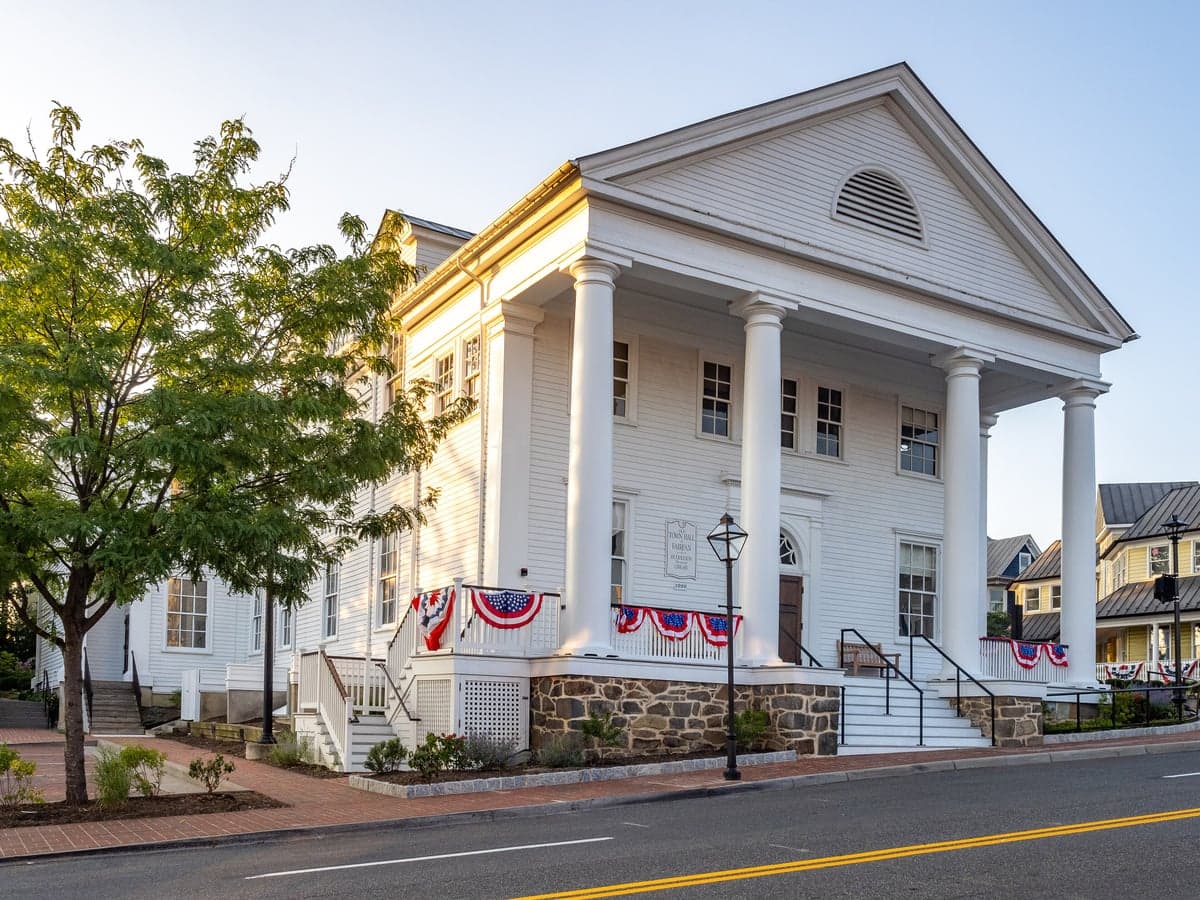
Photo: Wikipedia
Quality of Life in Fairfax, VA
A high quality of life with strong walkability, manageable living costs, healthy neighborhood signals, and solid amenity access.
What does Quality of Life tell us?
Quality of Life blends cost of living, nearby amenities, socioeconomic signals, and neighborhood character. City-level scores represent the whole municipality; individual neighborhoods can differ.
What does this tell us?
Quality of Life blends cost of living, nearby amenities, socioeconomic signals, and neighborhood character. City-level scores represent the whole municipality; individual neighborhoods can differ.
Cost of Living
106% above national average
The Real Cost of Living in Fairfax, VA for 2026
| Tier | Individual | Family (4) |
|---|---|---|
| Survival | $34k | $64k |
| Comfortable | $132k | $193k |
| Luxury | $224k+ | $347k+ |
| Elite (Top 5%) | $264k+ | $408k+ |
69%
The Area Signal
A metric tracking the socioeconomic signals of the area.
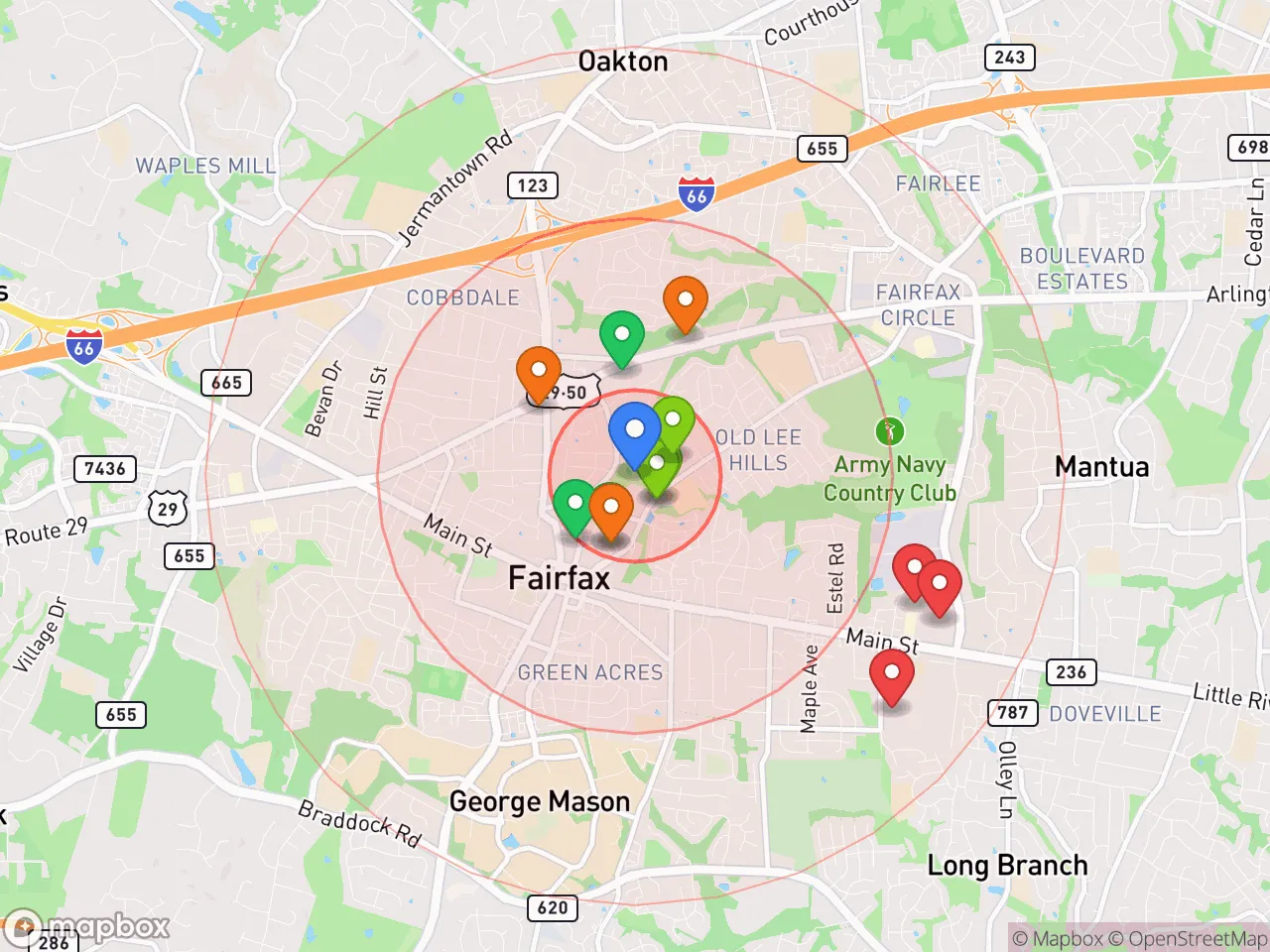
Hobbies
Explore the areaGroceries
7 within 10 miles
Gas
20 within 10 miles
Hospital
20 within 20 miles
Airport
IAD — Washington Dulles International
Post Office
USPS — Fairfax, VA
Critical Amenities
Quality-of-Life Analysis
Fairfax, Virginia, is one of the most affluent and educated communities in the Washington, D.C. metropolitan area, attracting a dense population of professionals, federal contractors, and families who prioritize top-tier public schools and proximity to the nation's capital. With a cost of living index of 206—more than double the U.S. average—the city commands a premium for its stability, low crime rates, and robust local economy. The typical resident holds a bachelor's degree or higher, and the median household income hovers well above $120,000, making Fairfax a magnet for career-oriented households seeking a suburban environment with urban-level amenities.
Cost of living, housing affordability, and how Fairfax compares to nearby areas
Fairfax's cost of living is driven overwhelmingly by housing, with a median home value of $677,400 and a median rent of $2,122. While these figures are steep compared to national norms, they are notably lower than in neighboring Arlington ($750,000+) and the District of Columbia ($650,000+ for smaller units), making Fairfax a relative value within the inner suburbs. The city's housing stock leans toward single-family homes with yards, townhouses, and newer condominium complexes, appealing to families and long-term renters alike. Property taxes in Fairfax County are moderate for the region—roughly 1.1% of assessed value—but the overall cost of living remains a barrier for entry-level workers and service employees. Compared to Reston or Tysons, Fairfax offers more square footage per dollar, though buyers should expect competitive bidding in popular school districts. The average commute of 27.7 minutes is shorter than the regional average of 34 minutes, thanks to the city's position near I-66, the Fairfax County Parkway, and the Vienna/Fairfax-GMU Metro station on the Orange Line.
What daily life is like: amenities, schools, and community rhythm
Daily life in Fairfax revolves around a walkable historic core—Old Town Fairfax—which hosts a farmers market, independent restaurants, and seasonal events like the Fall Festival and Independence Day parade. The city is served by the Fairfax County Public Schools system, consistently ranked among the top 10% nationally, with schools like Fairfax High School and Lanier Middle School earning high marks for Advanced Placement participation and college readiness. George Mason University, located just south of the city, adds a youthful, intellectual energy and provides public lectures, Division I athletics, and cultural performances at the Center for the Arts. For outdoor recreation, residents use the 40-mile Washington & Old Dominion Trail for cycling and running, plus nearby parks like Burke Lake and Lake Accotink. The retail landscape includes Fair Oaks Mall and the Mosaic District in neighboring Merrifield, offering dining, shopping, and a multiplex cinema. The community rhythm is notably family-oriented: weekends are filled with youth sports leagues, library story times, and volunteer events through the city's Parks and Recreation Department.
Fairfax is best suited for professionals and families who value exceptional public schools, short commutes to D.C., and a safe, well-maintained suburban environment—and who have the income to afford the premium. Empty-nesters and remote workers also thrive here, drawn by the walkable Old Town, access to higher education, and lower crime rates than nearby urban centers. Those on tighter budgets or seeking a more diverse nightlife scene may find the cost prohibitive or the pace too quiet, but for households prioritizing education and stability, Fairfax remains a top-tier choice in Northern Virginia.

Crime in Fairfax, VA
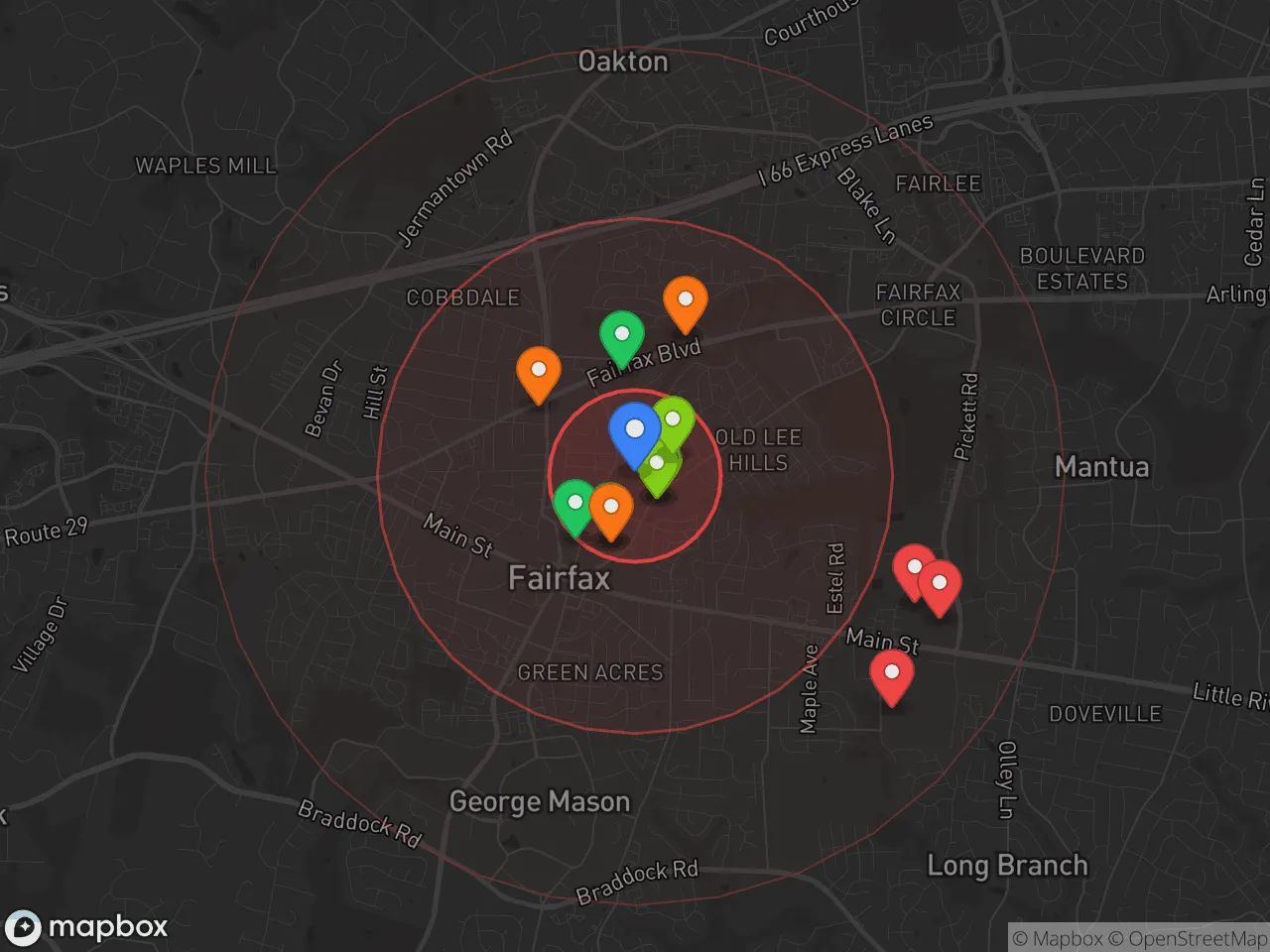
Lower crime rates than 78% of comparable U.S. locations.
Violent CrimeViolent Crime Analysis
Property CrimeProperty Crime Analysis
Crime Analysis
Fairfax, Virginia, is one of the safest cities of its size in the United States, with a violent crime rate of just 66.7 incidents per 100,000 residents—roughly one-fifth the national average. Property crime, at 2,861.2 per 100,000, is also below the national benchmark, though it remains a more common concern for residents. However, as a close-in suburb of Washington, D.C., Fairfax is part of a large metropolitan area where progressive prosecutorial policies in surrounding jurisdictions can influence regional crime patterns and recidivism rates.
Crime in context
Fairfax’s violent crime rate is 82% lower than the national average of roughly 380 per 100,000 and significantly below the Virginia state average of about 200 per 100,000. Property crime, while higher than the city’s violent crime figure, still sits below the national rate of approximately 2,500 per 100,000. The city benefits from the resources of the Fairfax County Police Department, which consistently ranks among the best-funded and most professional in the Mid-Atlantic. However, readers should note that Fairfax lies within a broader metro area where jurisdictions like Arlington and Alexandria have elected progressive prosecutors who emphasize diversion and reduced sentencing. While these policies aim to reduce incarceration, they can result in more repeat offenders returning to the streets, potentially increasing property crime and quality-of-life offenses in neighboring communities like Fairfax.
What residents experience
For daily life, Fairfax feels very safe. Violent incidents are rare and typically isolated to domestic disputes or targeted incidents, not random attacks. The most common crime is larceny from vehicles, particularly in commercial parking lots and near the George Mason University campus. Residents should practice standard suburban precautions: locking car doors, securing bicycles, and not leaving valuables visible. The city’s strong community policing presence and active neighborhood watch programs contribute to a sense of security. That said, the progressive judicial philosophy prevalent in Northern Virginia means that offenders arrested for property crimes often face minimal jail time, which can lead to a revolving-door effect for repeat shoplifters and car break-in suspects.
Neighborhood-level variation is modest but worth noting. The area around the Fairfax City line and Route 29/50 corridors sees slightly higher property crime due to commercial density and easier highway access for fleeing suspects. In contrast, the residential neighborhoods west of Chain Bridge Road and near the Fairfax County Government Center experience very low crime, with many blocks reporting zero incidents annually. The Old Town Fairfax historic district, while popular with visitors, has occasional issues with drunk and disorderly conduct on weekend nights. Overall, Fairfax remains a low-crime city by any national standard, but the regional trend toward lenient prosecution means residents should remain vigilant about property crime and support local law enforcement’s ability to hold offenders accountable.
* Values derived from national, state, county, city and local statistics and may differ in a specific area. Last updated: 2026-05-01T06:07:57.000Z
Narrative content on this page is AI-generated and may contain mistakes. Verify any details that matter before acting on them.
ReloMaps may earn a commission from affiliate links at no extra cost to you.

