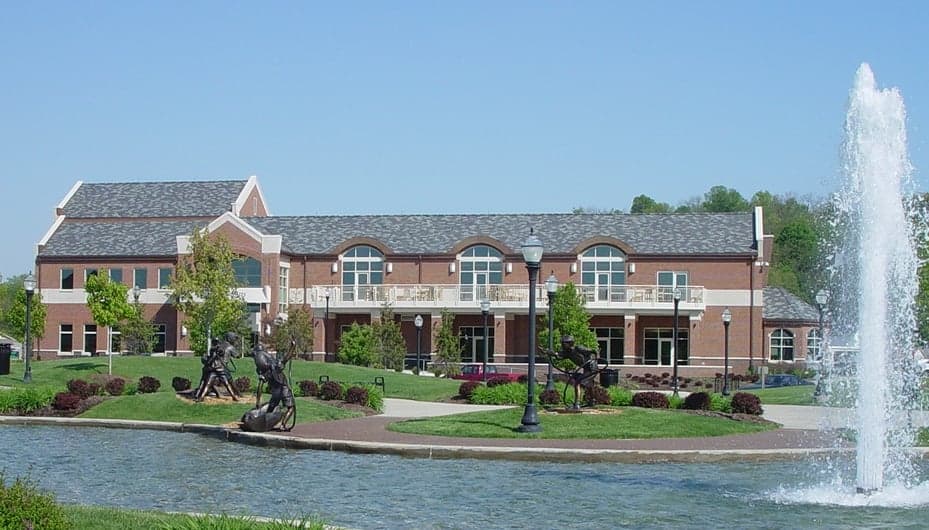
Photo: Wikipedia
Political ClimatePolitical Climate in Fairfield, OH
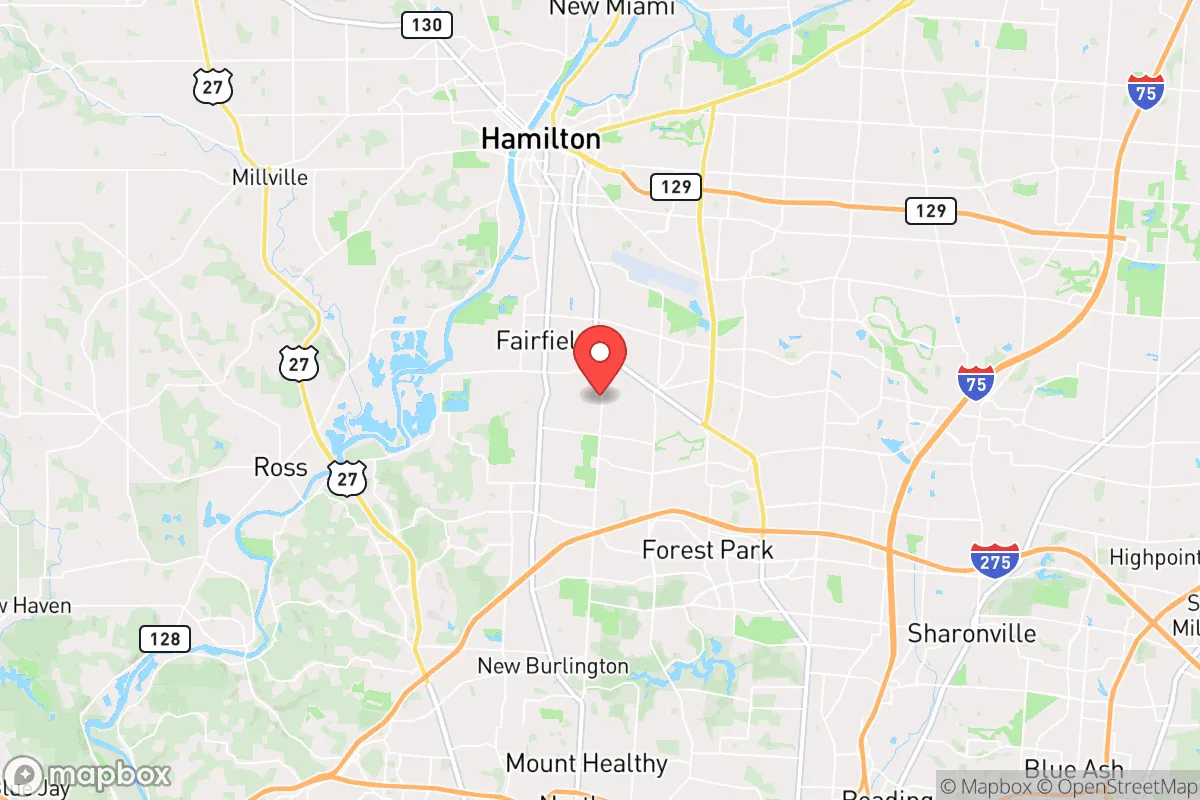
District shown is the primary district for this city’s centroid. Cities may span multiple districts.
Local Political AnalysisPolitical Analysis of Fairfield, OH
Fairfield, Ohio, sits in a solidly conservative pocket of the state, with a Cook PVI of R+12 that reflects decades of reliable Republican voting. But if you’ve lived here as long as I have, you’ve watched that lean get tested—especially in the last five or six years. The city itself still tilts red, but the margins have tightened in some precincts, and you can feel a quiet tension between the old-guard values folks grew up with and the progressive push creeping in from Cincinnati and the college towns nearby. The trajectory isn’t a hard right turn anymore; it’s more like a slow drift toward the center, and that’s got a lot of us watching the local school board meetings and city council votes a little closer than we used to.
How it compares
Drive ten miles east to Hamilton, and you’ll find a city that’s been aggressively rebranding itself with splashy development and a more liberal city council—think bike lanes, diversity initiatives, and a mayor who’s openly progressive. Fairfield, by contrast, still feels like the place where people wave from their porches and expect the government to stay out of their backyards. Head south toward Cincinnati proper, and the contrast is even starker: the city’s urban core votes blue by wide margins, with a Cook PVI around D+20 in some wards. Up north in Liberty Township and West Chester, you’re back in deep-red territory, R+15 or stronger. Fairfield sits right in that buffer zone—conservative enough to feel familiar, but close enough to the metro area that you’ll see the occasional yard sign for a moderate Democrat. That’s the rub: we’re not a bubble, but we’re also not immune to the cultural shifts coming up I-75.
What this means for residents
For the average Fairfield family, the political climate here means you can still expect your property taxes to stay relatively low compared to Hamilton County, and you won’t see the kind of zoning overreach that’s been popping up in places like Oxford or Cincinnati. The city council has held the line on most new regulations—no mask mandates that lasted longer than necessary, no heavy-handed business closures during the pandemic, and a general hands-off approach to how you run your household. That said, the school board has become a battleground. In the last two cycles, we’ve seen candidates backed by progressive PACs from outside the district try to push curriculum changes and DEI programs that a lot of us feel are unnecessary. So far, the conservative majority has held, but it’s a reminder that the fight over local control is real, and it’s not going away. If you value the Second Amendment, you’ll be glad to know Fairfield is still a place where concealed carry is common and respected—no local ordinances trying to chip away at state preemption.
Culturally, Fairfield has always been a community of church suppers, Friday night football, and neighbors who actually know your name. But there’s a growing divide between the longtime residents who remember when the town was mostly farmland and the newer arrivals commuting to jobs in Cincinnati or Mason. Those newcomers sometimes bring different expectations—more demand for public transit, more calls for “equity” initiatives, more pressure on the city to adopt policies that sound good on paper but feel like government overreach in practice. The long-term outlook? If the current trend holds, Fairfield will likely stay red, but the shade might lighten. The real question is whether the next generation of leaders will keep the focus on personal freedom and limited government, or start bending to the regional tide. For now, it’s still a place where you can live your life without a lot of interference—and that’s worth holding onto.

State Political ClimatePolitical Climate in Ohio
State Political AnalysisPolitical Environment in the State
Ohio has long been the quintessential bellwether state, but over the last decade it has shifted from a true purple battleground to a solidly red-leaning state, with Donald Trump winning it by 8 points in both 2016 and 2020 and by over 11 points in 2024. The dominant coalition is now a mix of working-class voters in small cities and rural areas, combined with a growing conservative exurban base, though the state still holds significant blue pockets in its major metros. The 10-20 year trajectory is clear: as the Democratic brand has become increasingly tied to coastal, urban progressivism, Ohio’s culturally moderate-to-conservative electorate has moved right, leaving the state’s political center of gravity firmly in the GOP camp.
Urban vs. rural divide
The political map of Ohio is a textbook study in the urban-rural chasm. The state’s three largest metros—Cleveland, Columbus, and Cincinnati—are the engines of Democratic votes, with Cuyahoga County (Cleveland) delivering a 66% Biden vote in 2020 and Franklin County (Columbus) hitting 62%. But these islands of blue are surrounded by a sea of red. The rural counties of southeast Ohio, like Meigs and Monroe, routinely vote 75-80% Republican, while the western and northwestern farm counties—Mercer, Auglaize, Van Wert—are among the most conservative in the entire Midwest. The real story, however, is the exurban and small-city shift. Places like Delaware (north of Columbus) and Warren County (north of Cincinnati) have gone from swing areas to deep red strongholds, while once-Democratic strongholds in the Mahoning Valley, like Youngstown and Trumbull County, have flipped hard to the GOP, driven by working-class voters abandoning the Democratic Party over trade, guns, and cultural issues.
Policy environment
Ohio’s policy environment is a mixed bag for a conservative. On the plus side, the state has a flat income tax rate of 3.5% (down from 4.8% in 2020), no estate tax, and a Republican supermajority that has consistently passed right-to-work-light legislation and tort reform. The regulatory posture is generally business-friendly, with the state ranking in the top 15 for economic freedom by most indexes. However, there are real concerns. Education policy has been a battleground: the state’s school funding system was declared unconstitutional multiple times, and while the legislature has expanded school choice (including the EdChoice scholarship program), the system remains heavily centralized. Healthcare is a sore spot—Ohio expanded Medicaid under Obamacare, and the state’s certificate-of-need laws still restrict competition in healthcare markets. On election laws, Ohio has tightened voter ID requirements and purged inactive voters, but it still allows no-excuse absentee voting and early voting, which some conservatives view as a vulnerability. The state also has a constitutional amendment process that progressives have used to enshrine abortion rights (Issue 1 in 2023) and legalize marijuana (Issue 2 in 2023), bypassing the legislature entirely—a major red flag for those who value representative government.
Trajectory & freedom
The trajectory on personal freedom is a tug-of-war. On the positive side, Ohio became a constitutional carry state in 2022, allowing law-abiding citizens to carry a concealed firearm without a permit—a major win for Second Amendment rights. The state also passed a Parental Bill of Rights in 2023, requiring schools to notify parents of any changes to a child’s health or well-being, and banning transgender surgeries for minors. Property rights got a boost with the passage of SB 135, which limits local governments’ ability to impose rent control and restricts eminent domain abuse. However, the 2023 abortion rights amendment (Issue 1) was a gut punch to conservatives, enshrining a right to abortion up to viability in the state constitution, overriding the legislature’s six-week heartbeat ban. The marijuana legalization amendment (Issue 2) also passed, though the legislature has since moved to regulate it heavily. The state’s tax burden remains a concern: while income taxes have been cut, property taxes are high, especially in the urban counties, and the state sales tax is 5.75% plus local add-ons. The trend is toward more freedom on guns and parental rights, but less on life and drug policy, thanks to direct democracy.
Civil unrest & political movements
Ohio has seen its share of political flashpoints. The 2020 protests in Columbus and Cincinnati over George Floyd’s death turned violent in places, with looting and property damage, and the city of Columbus has since seen a spike in homicides that many attribute to a defund-the-police sentiment. The 2020 election integrity debate was intense in Ohio, with the state’s use of drop boxes and mass mail-in ballots drawing scrutiny, though the legislature has since tightened rules. On the right, the Buckeye Firearms Association and Ohio Right to Life remain powerful grassroots forces, while the left has organized heavily around abortion access and voting rights. Immigration politics are less heated than in border states, but the issue of sanctuary cities flared up in Cleveland, which declared itself a “welcoming city” in 2017, leading to legislative efforts to ban such policies statewide. The Issue 1 fight in 2023 saw massive out-of-state spending from both sides, with dark money groups from both coasts pouring millions into Ohio—a sign that the state is a national battleground for cultural issues.
Projection
Over the next 5-10 years, Ohio is likely to become more Republican at the state level, but with a growing progressive urban core that will continue to push ballot initiatives. The demographic trends favor the GOP: the state’s population is aging, and the rural and exurban areas are growing faster than the urban centers. In-migration from blue states like California and Illinois is modest but noticeable in places like Delaware County and Warren County, and these newcomers tend to be more conservative than the average Ohioan. However, the ballot initiative process remains a wildcard—progressives have shown they can bypass the legislature on hot-button issues, and they will likely try again on voting rights or minimum wage. The state’s economic trajectory is mixed: the Intel semiconductor plant in Licking County (east of Columbus) is a massive investment that will bring jobs and growth, but it also brings a more diverse, potentially more liberal workforce. A new resident moving in now should expect a state that is culturally conservative in its laws and leadership, but where the urban centers will continue to be a source of friction and progressive activism. The bottom line: Ohio is a good bet for someone who values gun rights, parental control, and low taxes, but you’ll need to be vigilant about ballot initiatives and the growing influence of out-of-state money in local politics.
For a conservative relocating to Ohio, the practical takeaway is this: you’ll find a state that largely respects your values on the Second Amendment, school choice, and local control, but you’ll need to pick your county carefully. The rural and exurban areas—places like Delaware, Warren, and Geauga counties—are your best bet for a like-minded community. Avoid the urban cores of Cleveland, Columbus, and Cincinnati if you want to escape progressive governance and high property taxes. And keep an eye on the ballot box—because in Ohio, the fight for freedom is never really over.
* Values derived from national, state, county, city and local statistics and may differ in a specific area. Last updated: 2026-04-21T18:31:39.000Z
Narrative content on this page is AI-generated and may contain mistakes. Verify any details that matter before acting on them.
ReloMaps may earn a commission from affiliate links at no extra cost to you.

