
Photo: Wikipedia
Find The Best Places To Live
in Hamilton
PRO TIP! You can paste a Zillow or Redfin link to get info on that property.
What It's Like Living in Hamilton, OH
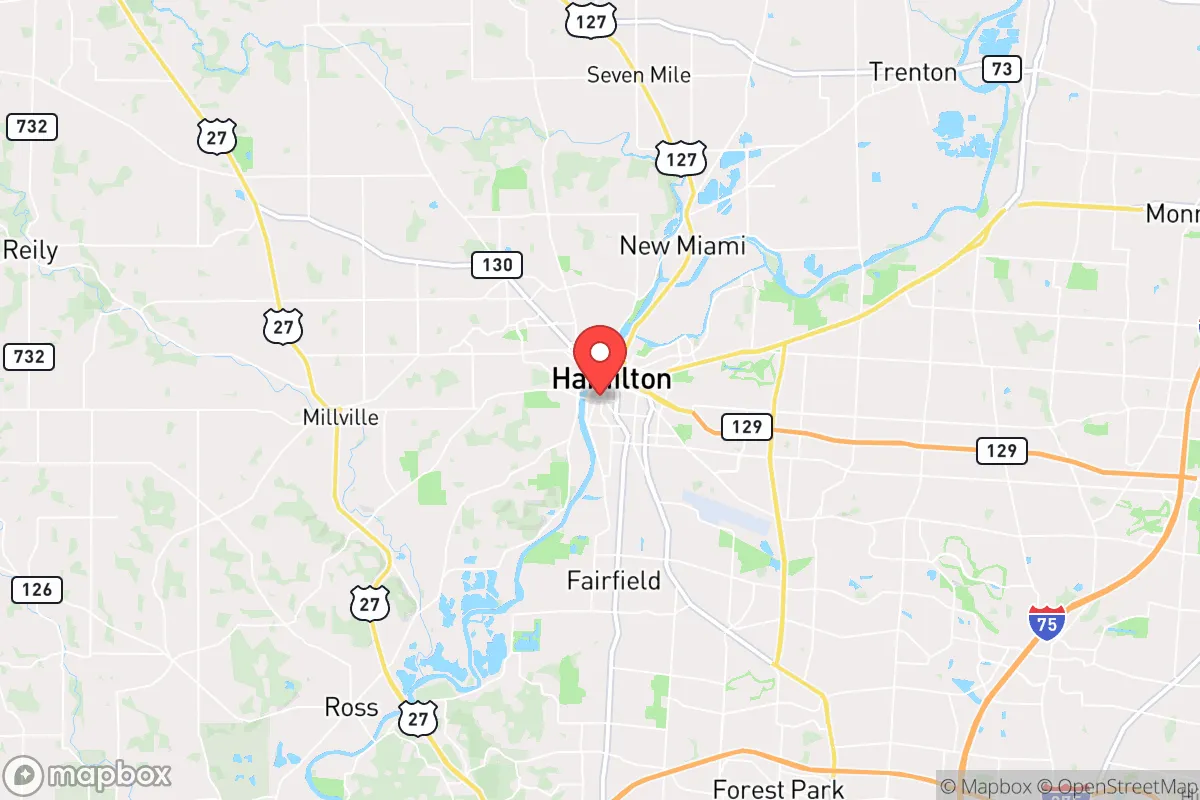
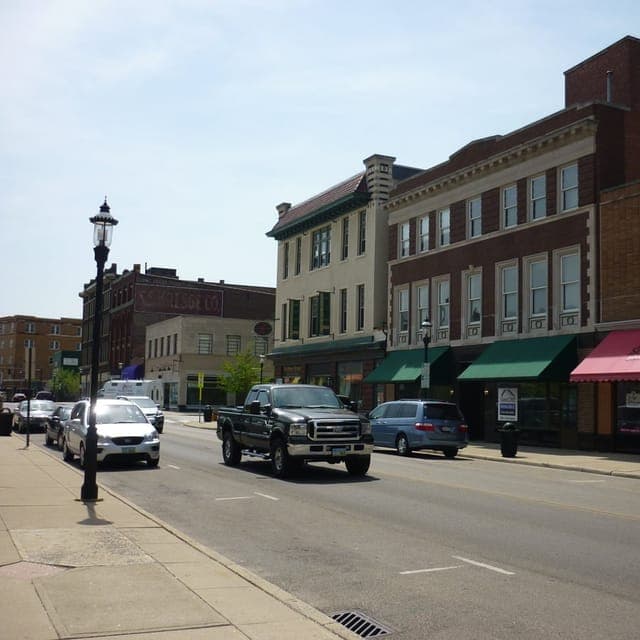
Hamilton, Ohio, has a way of surprising people. It’s not trying to be the next trendy suburb or a polished downtown destination—it’s a working-class city with a gritty, creative streak that’s been quietly remaking itself over the last decade. You’ll find a mix of longtime families who’ve been here for generations and younger folks drawn by the cheap rent and the chance to actually buy a house. The vibe is less “polished” and more “real,” with a downtown that’s seen a real revival of small breweries, indie coffee shops, and art spaces, but still has plenty of empty storefronts and potholes to remind you it’s a work in progress.
Daily Rhythm: What People Actually Do
Most days in Hamilton move at a slower pace than nearby Cincinnati or even Oxford. The average commute is about 25 minutes, which means you’re not spending your life in the car, but you’re also not walking to work unless you live right downtown. People here tend to work in manufacturing, healthcare, or logistics—AK Steel and the regional hospital system are still the big anchors—though a growing number of remote workers have moved in for the low cost of living. With a median home value around $152,300 and a cost-of-living index of 72 (well below the national average), a single person or a young family can actually afford a decent house on a median income of about $54,000. That’s the main draw: your money goes further here than in most of Ohio.
Weekends often start at a coffee shop like Municipal Brew Works (which also serves beer, because Hamilton) or a breakfast at The Fitton Center’s café. People spend a lot of time at the Great Miami River—kayaking, fishing, or just walking the riverfront trails. The Hamilton Farmers Market runs from May through October and is a genuine community gathering, not a tourist trap. For groceries, most folks hit the Kroger on Main Street or the Meijer out by the highway; there’s no Whole Foods or Trader Joe’s, and nobody misses them.
Sports, Community, and the High School Factor
High school sports are a big deal here—Hamilton High School (the Big Blue) football games on Friday nights still draw crowds that rival some small colleges. The rivalry with nearby Middletown is real and old, and it’s the kind of thing that defines social calendars for families with kids. There’s no major pro team in town, but Cincinnati’s Bengals and Reds are a 40-minute drive south, and plenty of residents make that trip on weekends. For college sports, Miami University in Oxford is 20 minutes away, so you get a mix of MAC-level football and basketball without the big-time pressure.
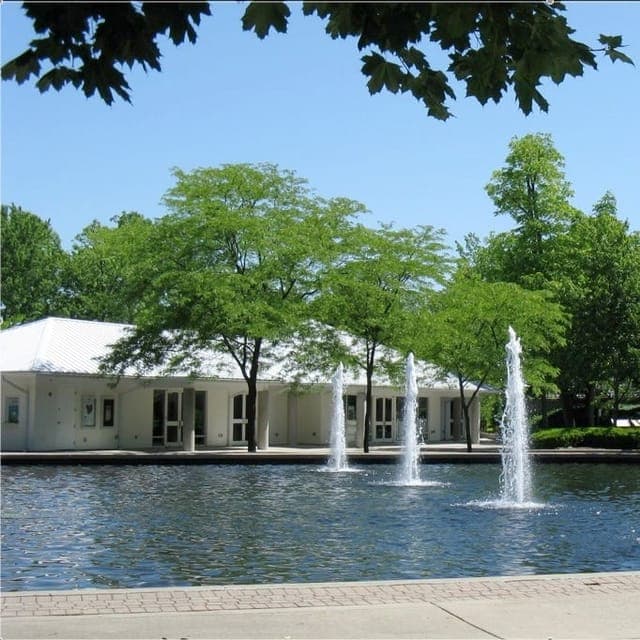
The city’s identity is wrapped up in its industrial past and its artsy present. The Pyramid Hill Sculpture Park is a genuinely unique outdoor museum with massive modern sculptures set on 300 acres—it’s the kind of place that feels like it belongs in a wealthier city. The Fitton Center for Creative Arts hosts concerts, plays, and classes, and the Hamilton Mill (a former paper mill turned event space) draws regional acts. The biggest annual event is the Hamilton Flea, a monthly market that’s part antique show, part craft fair, part block party. It’s not huge, but it’s the kind of thing that gives the city its character.
What’s There to Do (and What’s Missing)
Entertainment options are solid for a city of 63,000 people, but they’re not endless. You’ve got a handful of good bars—Fretboard Brewing and Swine City Brewing are the standouts—and a few solid restaurants like Gratitude Coffee and Wildflower Cafe. The Hamilton City Schools system is a mixed bag; some elementary schools are well-regarded, but the high school has struggled with funding and test scores, which pushes some families toward private options or the nearby Ross or Fairfield districts. The median age here is 34.7, which is young for Ohio, and that shows in the number of young families pushing strollers along the riverfront on weekends.
On the downside, the violent crime rate is 287.1 per 100,000, which is higher than the national average and noticeably above surrounding suburbs. Most of that is concentrated in specific neighborhoods, and longtime residents will tell you it’s not something that affects daily life if you’re not in those areas, but it’s a real concern for anyone looking at houses near downtown. The other frustration is the lack of big-city amenities—if you want a concert from a national touring act or a major shopping mall, you’re driving to Cincinnati or Dayton. The weather is typical Ohio: humid summers, gray winters, and a lot of overcast days from November through March. Snowfall is moderate, but the lack of sun can wear on people who aren’t used to it.
Pros and Cons of Living Here
- Pro: You can buy a house for under $160,000 that would cost $300,000+ in most of the country. The cost of living is genuinely low.
- Pro: The downtown revival is real—new breweries, a solid arts scene, and a riverfront that’s actually nice to walk along.
- Pro: Commute times are short, and you’re within 30-40 minutes of Cincinnati’s job market and entertainment.
- Con: The school system is uneven, and the high school’s reputation is a concern for parents who can’t afford private school.
- Con: Violent crime is higher than the national average, and property crime can be an issue in certain blocks.
- Con: The job market is still heavily tilted toward manufacturing and healthcare; if you’re in tech or finance, you’ll likely commute or work remote.
Hamilton isn’t for everyone. It’s for people who want a real city with real flaws and real character, not a manicured suburb with a HOA and a Target. The kind of person who fits here is someone who doesn’t mind a little grit, who values affordability over prestige, and who’s willing to drive 30 minutes for a big night out. It’s a place where you can still buy a fixer-upper, start a small business, and know your neighbors by name. If that sounds like your speed, it’s worth a look.

Similar small cities to Hamilton
* Values derived from national, state, county, city and local statistics and may differ in a specific area. Last updated: 2026-04-30T02:08:18.000Z
Narrative content on this page is AI-generated and may contain mistakes. Verify any details that matter before acting on them.
ReloMaps may earn a commission from affiliate links at no extra cost to you.

