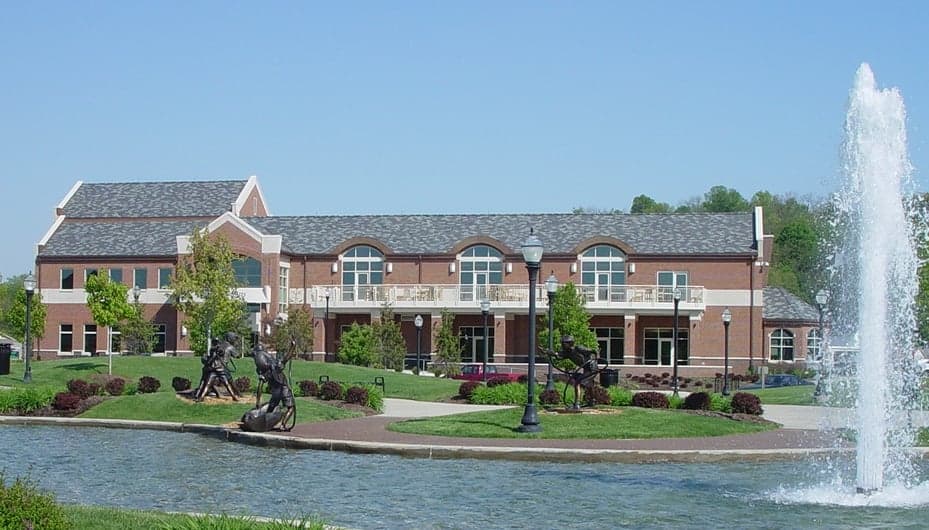
Photo: Wikipedia
Quality of Life in Fairfield, OH
A high quality of life with strong walkability, manageable living costs, healthy neighborhood signals, and solid amenity access.
What does Quality of Life tell us?
Quality of Life blends cost of living, nearby amenities, socioeconomic signals, and neighborhood character. City-level scores represent the whole municipality; individual neighborhoods can differ.
What does this tell us?
Quality of Life blends cost of living, nearby amenities, socioeconomic signals, and neighborhood character. City-level scores represent the whole municipality; individual neighborhoods can differ.
Cost of Living
10% below national average
The Real Cost of Living in Fairfield, OH for 2026
| Tier | Individual | Family (4) |
|---|---|---|
| Survival | $18k | $34k |
| Comfortable | $42k | $62k |
| Luxury | $119k+ | $185k+ |
| Elite (Top 5%) | $140k+ | $217k+ |
113%
The Area Signal
A metric tracking the socioeconomic signals of the area.
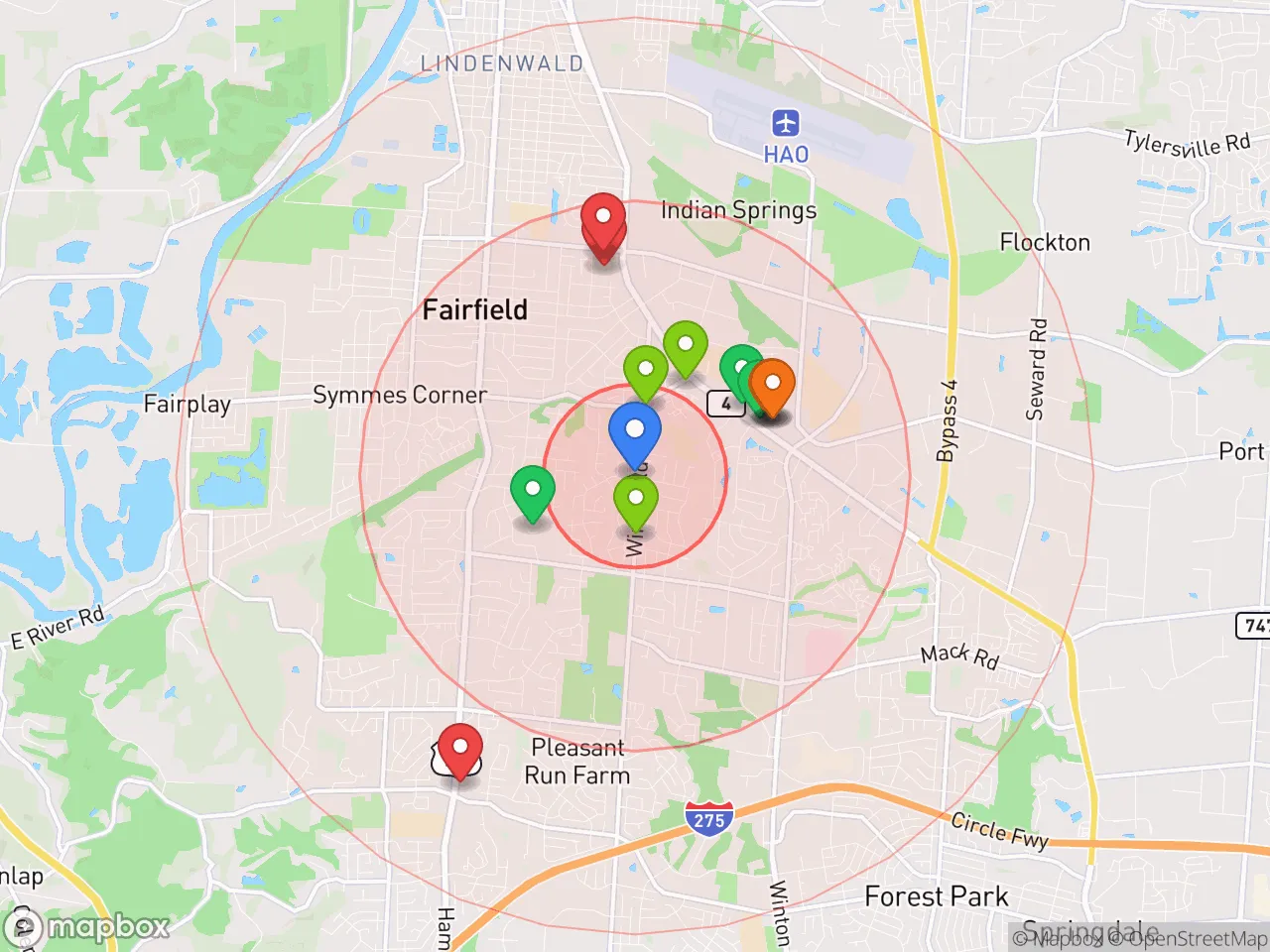
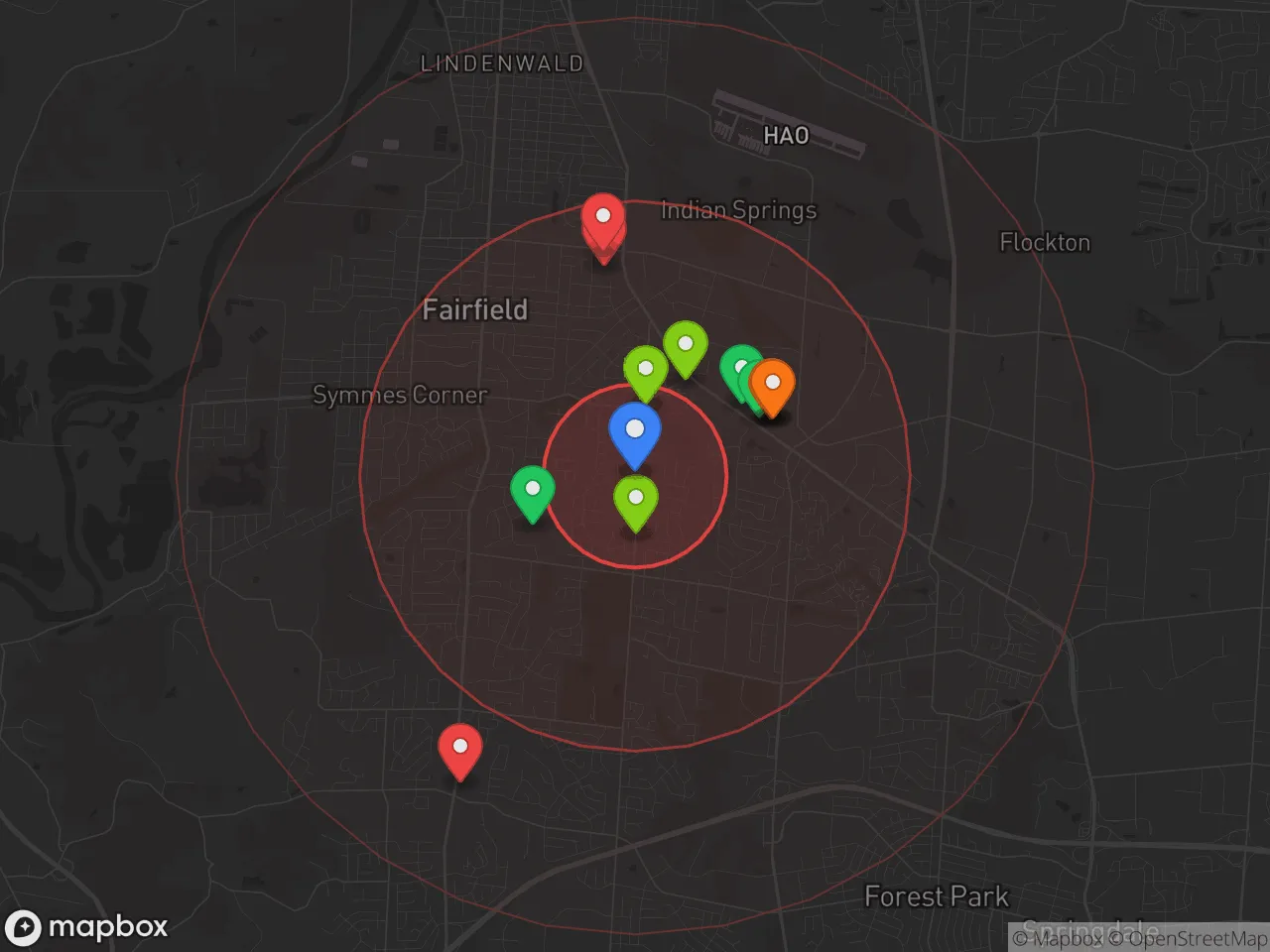
Hobbies
Explore the areaGroceries
6 within 10 miles
Gas
20 within 10 miles
Hospital
20 within 20 miles
Airport
Indianapolis International Airport
Post Office
USPS — Fairfield, OH
Critical Amenities
Quality-of-Life Analysis
Fairfield, Ohio, offers a quality of life that blends suburban comfort with practical affordability, attracting a mix of young families, long-term residents, and professionals who work in the Cincinnati metro but prefer a quieter, more spacious base. With a cost of living index of 90 — 10 percent below the national average — the city provides a tangible financial edge over nearby communities like West Chester or Mason, where housing costs can run 15–20 percent higher. The median home value of $218,100 and median rent of $1,145 make homeownership and stable renting achievable for households earning around $60,000–$75,000 annually, a range that aligns with the area's dominant middle-class demographic.
Cost of living and housing affordability compared to Cincinnati suburbs
Fairfield's cost-of-living advantage is most evident in its housing market. The median home value of $218,100 is roughly 25 percent below the Cincinnati metro median of $290,000, and the median rent of $1,145 undercuts the regional average by about $200 per month. Property taxes in Butler County average 1.8 percent of assessed value, slightly higher than Hamilton County but offset by lower purchase prices. For a household earning the area's median income of $72,000, the typical mortgage payment (assuming 20 percent down at 6.5 percent interest) consumes about 22 percent of gross income — well within the 28 percent threshold lenders consider manageable. Utility costs in Fairfield run roughly 5 percent below the national average, and groceries are about 3 percent cheaper, further stretching household budgets. Compared to Liberty Township or Blue Ash, where starter homes often exceed $350,000, Fairfield's inventory of ranch-style homes and townhouses under $250,000 gives first-time buyers a realistic entry point.
Schools, parks, and what daily life is like for families
Daily life in Fairfield revolves around its well-regarded public school system, Fairfield City Schools, which serves roughly 9,500 students across nine elementary schools, two middle schools, and one high school. The district's state report card rating of 4.5 out of 5 stars and a graduation rate of 93 percent make it a draw for families. The city maintains over 400 acres of parkland, including the 100-acre Harbin Park with its walking trails and sports fields, and the Waterworks Park aquatic center, which offers a zero-entry pool and water slides. The average commute of 24.7 minutes places Fairfield within easy reach of Cincinnati's downtown jobs (a 30-minute drive via I-75) and major employers like GE Aerospace and Procter & Gamble. Retail and dining cluster along Dixie Highway and the Bridgewater Falls shopping center, providing everyday conveniences without requiring a trip to the city core. The city's annual Summerfair and the Fairfield Community Arts Center host events that foster a neighborly, low-key social rhythm.
Fairfield is best suited for households seeking a balance of affordability, decent schools, and suburban amenities without the premium prices of Cincinnati's northern suburbs. Families with children will find the school system and parks a strong fit, while commuters benefit from the manageable drive to downtown and the I-75 corridor. Retirees on fixed incomes can leverage the below-average cost of living and access to medical facilities like Mercy Health Fairfield Hospital. The city's demographic profile — predominantly owner-occupied homes, a median age of 39, and a poverty rate of 8.2 percent — reflects a stable, middle-class environment where financial stress is lower than in pricier neighboring towns. For anyone who values a predictable, resource-efficient suburban life over urban excitement, Fairfield delivers a solid return on investment.

Crime in Fairfield, OH
Lower crime rates than 75% of comparable U.S. locations.
Violent CrimeViolent Crime Analysis
Property CrimeProperty Crime Analysis
Crime Analysis
Fairfield, Ohio, reports a violent crime rate of 179.4 incidents per 100,000 residents and a property crime rate of 1,413.4 per 100,000, according to the most recent data. These figures place the city in a complex safety landscape, as its overall crime index is slightly below the national average for property offenses but elevated in certain categories compared to state benchmarks. However, the broader context of Fairfield’s location within the Cincinnati metropolitan area introduces significant concerns tied to the region’s criminal justice policies, which residents should weigh carefully when evaluating personal safety.
Crime in context
Fairfield’s violent crime rate of 179.4 per 100,000 is notably lower than the national average of roughly 380 per 100,000, but it sits above Ohio’s state average of approximately 280 per 100,000. Property crime in Fairfield, at 1,413.4 per 100,000, is slightly below the national average of about 1,950 per 100,000 but aligns closely with Ohio’s state figure. While these numbers suggest a moderate safety profile, the city’s proximity to Cincinnati—a large metro area with a well-documented history of progressive prosecutorial policies—introduces a critical variable. Butler County, where Fairfield is located, has generally maintained more conservative law enforcement approaches, but the regional influence of Hamilton County’s reform-oriented district attorney and judges has been linked to higher recidivism and reduced deterrent effects in surrounding communities. This dynamic means that offenders from Cincinnati may spill into Fairfield, and the broader metro area’s justice philosophy can undermine local safety efforts.
What residents experience
Residents of Fairfield most commonly encounter property crimes such as theft, burglary, and vehicle break-ins, which account for the bulk of reported incidents. Violent crimes, including aggravated assault and robbery, are less frequent but remain a concern, particularly in areas near commercial corridors like Dixie Highway and the Fairfield Towne Center. The city’s police department has responded with targeted patrols and community policing initiatives, yet the effectiveness of these measures is partially offset by the metro area’s lenient sentencing trends. For example, repeat property offenders often cycle through the justice system quickly due to progressive bail reform and diversion programs, leading to a perception among residents that crime carries insufficient consequences. This frustration is compounded by the fact that Fairfield’s crime rates, while moderate, have not seen the sustained declines observed in more conservative jurisdictions elsewhere in Ohio.
Neighborhood-level variation in Fairfield is notable, with areas east of State Route 4 and near the Forest Park border reporting higher incident rates than the more suburban western sections. Prospective residents should prioritize neighborhoods with active neighborhood watch programs and closer proximity to the police substation on Seward Road, as these areas tend to have lower crime densities. Ultimately, while Fairfield’s raw crime statistics appear manageable, the city’s integration into a metro area with progressive justice policies creates a structural risk that demands careful consideration from anyone prioritizing safety in their relocation decision.
* Values derived from national, state, county, city and local statistics and may differ in a specific area. Last updated: 2026-04-21T18:31:39.000Z
Narrative content on this page is AI-generated and may contain mistakes. Verify any details that matter before acting on them.
ReloMaps may earn a commission from affiliate links at no extra cost to you.

