Photo: Made with AI
Demographics of Fenwick, CT
Affluence Level in Fenwick, CT
An elite concentration of wealth — high incomes, strong home values, advanced degrees, and minimal poverty signal a top-tier socioeconomic profile.
People of Fenwick, CT
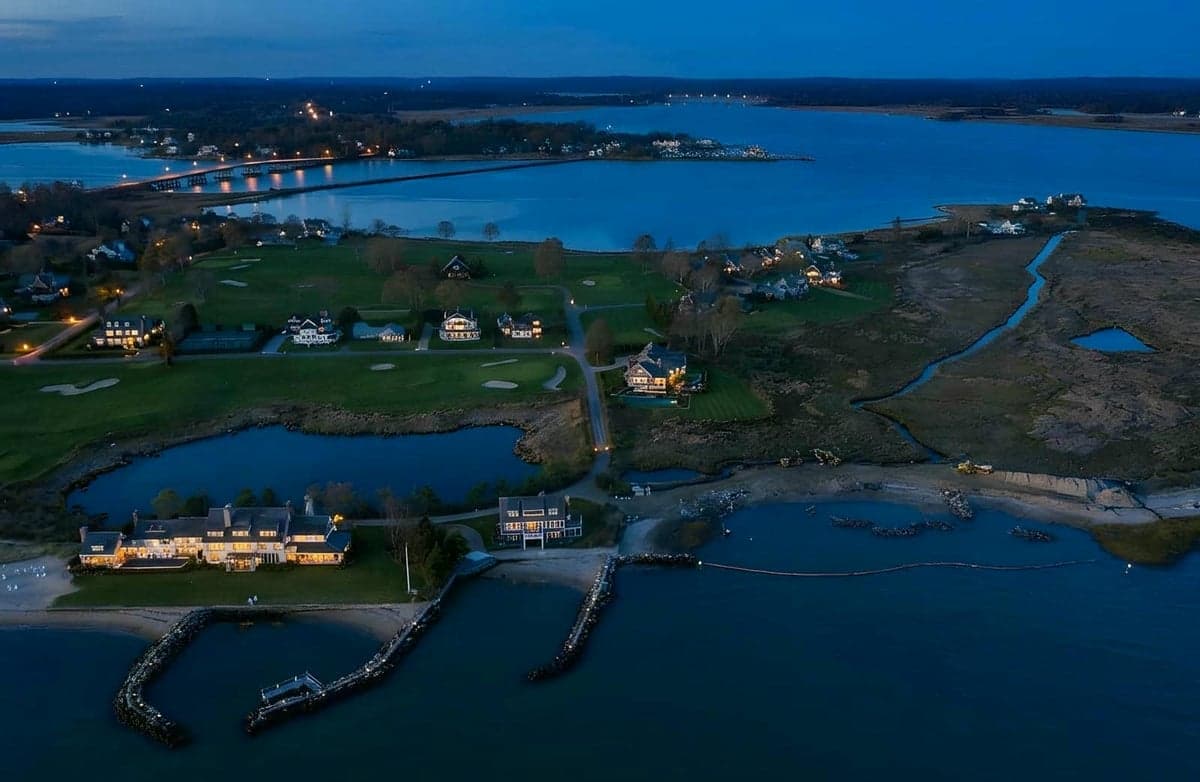
Fenwick, Connecticut, is a tiny, exclusive coastal enclave of just 42 residents, making it one of the smallest incorporated cities in the United States. Its population is entirely White (100.0%) and native-born (0.0% foreign-born), with an exceptionally high college education rate of 83.3%. The city is characterized by its historic summer colony atmosphere, a dense concentration of grand Victorian homes along the Long Island Sound, and a fiercely guarded sense of privacy and tradition. For a conservative-leaning audience, Fenwick represents a rare example of a community that has remained demographically stable and culturally homogeneous for over a century.
How the city was settled and grew
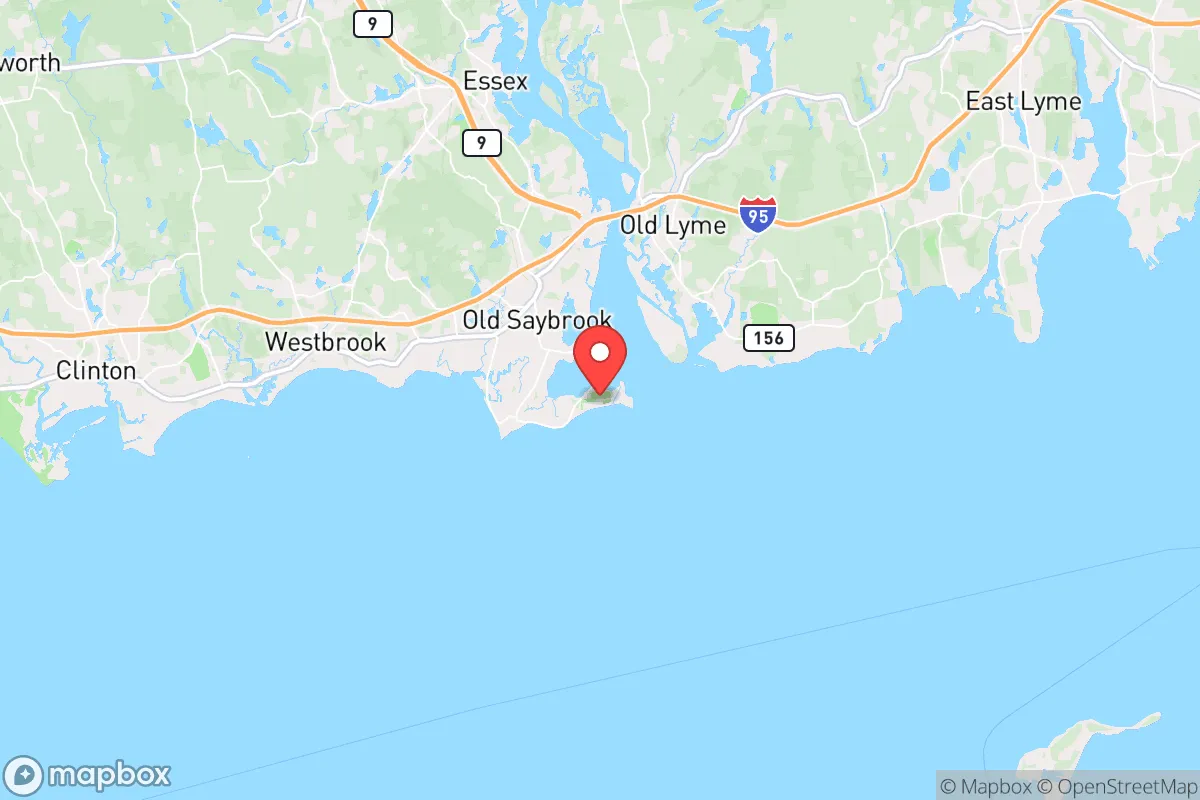
Fenwick was not settled in the colonial era; its history as a distinct community begins in the late 19th century. The land, a sandy peninsula at the mouth of the Connecticut River, was originally part of the town of Old Saybrook. In the 1870s, a group of wealthy New York City and Hartford businessmen, many of them members of the prominent Hartford "River Set" (including the families of Samuel Colt and William H. Goodspeed), formed the Fenwick Association. They purchased the peninsula and developed it as a exclusive summer resort, building large, ornate "cottages" along Peninsula Avenue and Fenwick Avenue. The city was officially incorporated in 1899, primarily to gain local control over zoning, policing, and infrastructure, ensuring the area remained a quiet, private retreat. The original population was entirely White, Protestant, and upper-class, drawn by the promise of sea breezes, sailing, and social seclusion from the industrializing cities. The neighborhood of Fenwick Point, at the tip of the peninsula, became the most prestigious address, with homes directly on the water.
Modern era (post-1965)
The post-1965 era brought virtually no demographic change to Fenwick. The city's population has remained 100% White and native-born for decades, a direct result of its extreme housing costs (average home values in the millions), strict zoning that prohibits new construction or multi-family dwellings, and its status as a private, gated community. The Hart-Cellar Immigration Act of 1965, which dramatically diversified many American suburbs, had zero impact here. The few year-round residents are overwhelmingly retirees or wealthy professionals who commute to Hartford or New York. The summer population swells to several hundred, but these are almost exclusively descendants of the original families or new buyers from the same socioeconomic and racial background. The Old Fenwick neighborhood, centered around the Fenwick Golf Course, remains the heart of the summer colony, with homes passed down through generations. There is no rental market, no immigrant community, and no racial or ethnic diversity to speak of. The city's governance, a three-person board of selectmen, actively maintains this character through property maintenance codes and a private police force.
The future
Fenwick's demographic future is one of extreme stability and likely gradual homogenization. The population is aging, with a median age well above the national average, and the city has virtually no children (the local school district is a single-room schoolhouse that serves only a handful of students). There is no mechanism for growth: no developable land, no new housing, and no economic engine beyond property wealth. The community is not tribalizing into distinct enclaves—it is already a single, cohesive enclave. The only foreseeable change is a slow turnover of properties as older residents pass away, with new buyers coming from the same narrow demographic pool. The immigrant and minority populations will remain at 0.0% for the foreseeable future, as there is no pathway for entry. Fenwick is not homogenizing; it is simply continuing its 150-year trajectory as a preserved, elite summer colony.
For someone moving in now, Fenwick offers a unique proposition: a community that has deliberately opted out of demographic change. It is a place where the population is not just stable but static, and where the social fabric is woven from inherited wealth, generational continuity, and a shared commitment to privacy. This is not a growing or diversifying city—it is a carefully maintained historical artifact, ideal for those seeking absolute exclusivity and predictability in their neighbors and community character.

* Values derived from national, state, county, city and local statistics and may differ in a specific area. Last updated: 2026-04-30T04:12:28.000Z
Narrative content on this page is AI-generated and may contain mistakes. Verify any details that matter before acting on them.
ReloMaps may earn a commission from affiliate links at no extra cost to you.

