Photo: Made with AI
Political ClimatePolitical Climate in Fenwick, CT
District shown is the primary district for this city’s centroid. Cities may span multiple districts.
Local Political AnalysisPolitical Analysis of Fenwick, CT
Fenwick, Connecticut, leans left of center with a Cook PVI of D+4, but that number doesn't tell the whole story of a town that's been quietly shifting under the surface. If you've been around here long enough, you remember when Fenwick was more of a quiet, independent-minded enclave—folks kept to themselves, didn't want much fuss from Hartford, and valued their privacy above all. Over the last decade or so, that old character has been slowly eroding as progressive policies creep in from the shoreline and the nearby cities like New Haven and Middletown. The trajectory feels like a slow-motion takeover of local norms, where personal freedoms—like how you use your property or what you teach your kids—are increasingly treated as negotiable by the town board.
How it compares
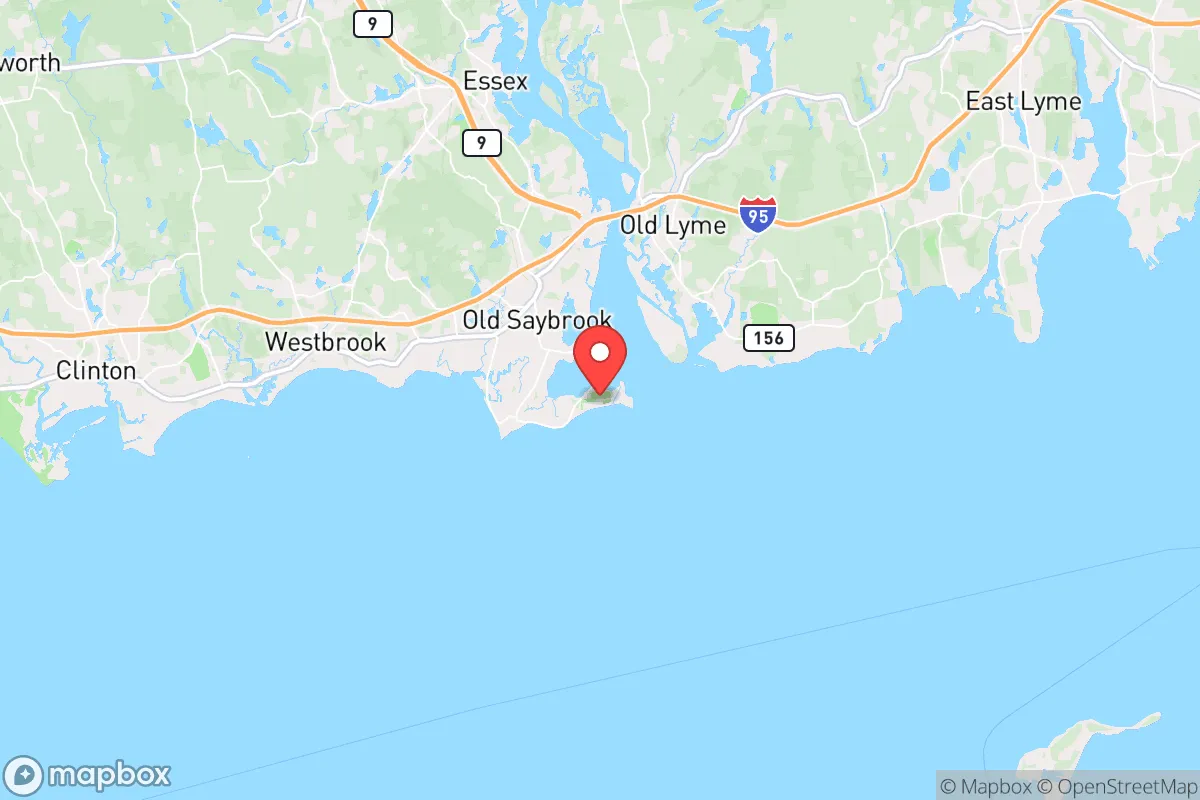
Drive ten minutes west to Old Saybrook, and you'll find a town that still votes reliably red in local races, with a more hands-off approach to zoning and school curriculum. Head east toward New London, and you're in a solidly blue stronghold where government intervention is seen as a solution, not a problem. Fenwick sits uncomfortably in the middle—politically D+4, but culturally caught between the old-school Yankee libertarianism of the shoreline and the activist energy coming out of the college towns. The contrast is starkest during town hall meetings: in Fenwick, you'll hear more talk about "equity initiatives" and "sustainability mandates" than you would in, say, Essex or Deep River, where the conversation still centers on tax rates and property rights. That D+4 rating feels generous to the conservative side; in practice, the local school board and planning commission have been trending left faster than the voter registration numbers suggest.
What this means for residents
For anyone who values keeping government out of their backyard, Fenwick is becoming a place where you have to stay vigilant. The push for stricter coastal building regulations, for instance, sounds reasonable on the surface but has quietly limited what homeowners can do with their own land—something that would have been unthinkable twenty years ago. School policies are another flashpoint: the curriculum has shifted noticeably toward social-emotional learning and diversity mandates, often at the expense of traditional academics and parental input. If you're the type who believes that local control means exactly that—your voice should matter more than a state directive—you'll find yourself attending more meetings and writing more emails than you'd like. The long-term trend is concerning: as younger, more progressive families move in from the cities, the old guard's influence is fading, and with it, the presumption that your personal choices are your own business.
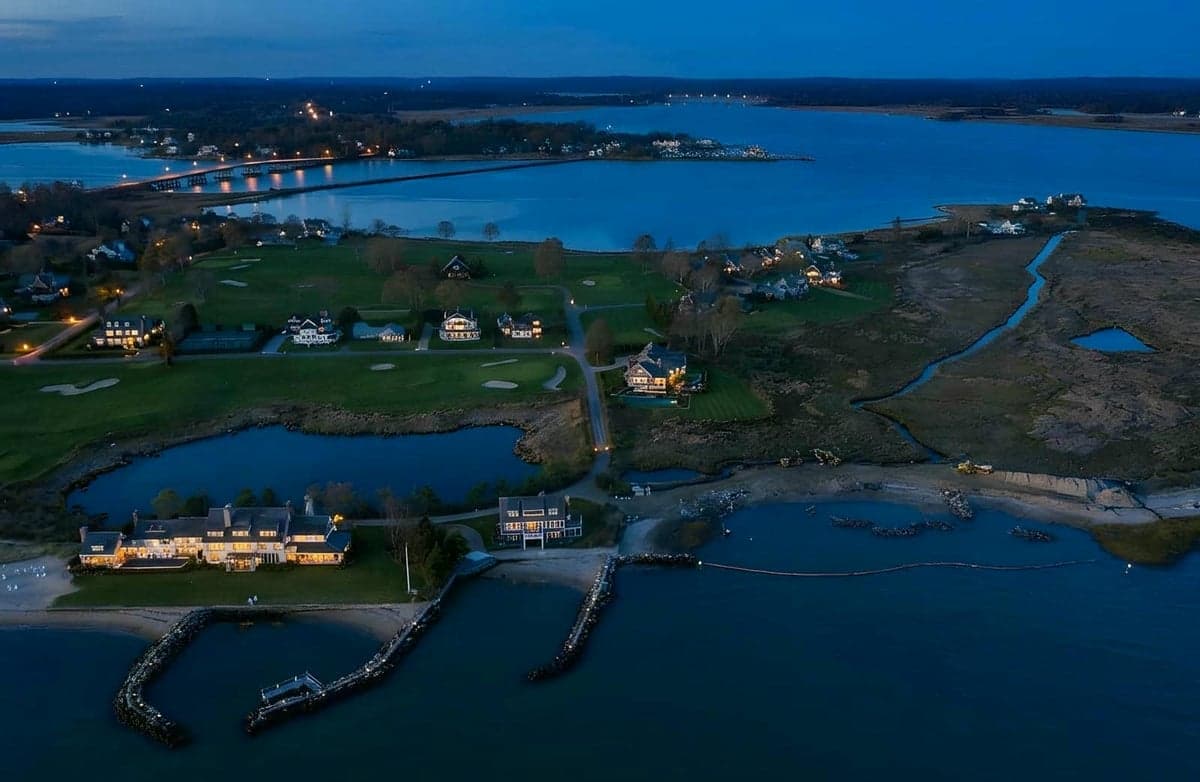
Culturally, Fenwick still holds onto some of its old distinctions—the Fenwick Golf Course remains a bastion of quiet tradition, and the summer community along the Sound still values its privacy fiercely. But the policy distinctions are what you'll feel day to day. The town has embraced a plastic bag ban, pushed for "climate resilience" zoning overlays, and adopted a "welcoming community" resolution that opens the door to sanctuary-style policies. None of these are catastrophic on their own, but together they paint a picture of a place where the default answer from local government is increasingly "yes, we can regulate that." If you're looking for a shoreline town where you can still live and let live without a dozen new rules every year, Fenwick is still workable—but you'll want to keep one eye on the ballot box and the other on the town agenda.

State Political ClimatePolitical Climate in Connecticut
State Political AnalysisPolitical Environment in the State
Connecticut has shifted from a classic swing state to a reliably blue stronghold over the past two decades, with Democrats now holding every statewide office and supermajorities in the legislature. The state voted for Joe Biden by 20 points in 2020, a far cry from the 1990s when it was a regular battleground. For a conservative-leaning individual or family, the trajectory is unmistakable: the state’s political center of gravity has moved decisively left, driven by the affluent, educated suburbs of Fairfield County and the urban cores of Hartford and New Haven.
Urban vs. rural divide
The political map of Connecticut is a tale of three distinct regions. The southwestern corner, anchored by Stamford, Greenwich, and Norwalk, is the engine of Democratic dominance—these are among the wealthiest and most liberal communities in the nation, with many residents commuting to New York City and absorbing its cultural and political norms. The state’s two largest cities, Hartford and New Haven, are deep blue strongholds where Democrats routinely win 80-90% of the vote. In contrast, the eastern half of the state—places like Litchfield County, Windham County, and towns like Mystic and Stonington—still lean Republican or are competitive, but their populations are shrinking relative to the booming suburbs. The 2020 election saw Fairfield County deliver a net 100,000-vote margin for Biden, effectively deciding the state’s outcome before the rest of the state even finished counting. The rural-urban divide is stark: a voter in Torrington lives in a very different political world than one in Westport.
Policy environment
Connecticut’s policy environment is a case study in progressive governance. The state has one of the highest combined state and local tax burdens in the nation, with a progressive income tax that tops out at 6.99% and property taxes that are among the highest per capita. The regulatory posture is aggressive: the state has a $15.69 minimum wage (indexed to inflation), a paid family and medical leave program funded by a payroll tax, and some of the strictest environmental regulations in the country. On education, the state mandates a “fair share” funding formula that heavily favors urban districts, while suburban towns like Darien and New Canaan fight to preserve local control. Election laws have been loosened significantly: no-excuse absentee voting was expanded during COVID and made permanent, and the state passed early voting and automatic voter registration. For a conservative, the policy environment feels like a one-way ratchet toward higher taxes, more mandates, and less local autonomy.
Trajectory & freedom
Connecticut is becoming less free by almost any measure, and the trend has accelerated since 2020. On gun rights, the state passed some of the nation’s strictest laws after the Sandy Hook tragedy, including a ban on “assault weapons” and high-capacity magazines, and in 2023 it passed a law requiring a permit to purchase any firearm and expanding the state’s “red flag” law. On parental rights, the state enacted a law in 2021 that prohibits schools from notifying parents if a child changes their gender identity or pronouns—a direct blow to family autonomy. Medical freedom took a hit with the state’s strict COVID-19 vaccine mandates for healthcare workers and school employees, which were among the last to be lifted in the nation. Property rights are constrained by the state’s aggressive affordable housing mandates (the “8-30g” law), which allows developers to override local zoning in towns that don’t meet a 10% affordable housing threshold. The state also passed a “clean slate” law that automatically erases certain criminal records, and it legalized recreational marijuana in 2021. For a conservative, the trend is clear: more government control over personal decisions, less room for local communities to set their own rules.
Civil unrest & political movements
Connecticut has seen its share of political flashpoints, though they tend to be more subdued than in neighboring states. The 2020 Black Lives Matter protests in New Haven and Hartford were large but largely peaceful, though they did lead to calls to defund the police that were ultimately rejected by most municipalities. The state’s sanctuary city policies are a major point of contention: New Haven was one of the first sanctuary cities in the nation, and the state passed a “Trust Act” in 2013 that limits local police cooperation with federal immigration enforcement. In 2021, the state went further with a law that prohibits state and local law enforcement from asking about immigration status. This has created tension in towns like Danbury and Norwalk, where immigration enforcement is a hot-button issue. On the right, there is a small but vocal movement for “Second Amendment sanctuary” towns, with about a dozen towns passing resolutions declaring they won’t enforce certain gun laws. Election integrity has been a quieter issue here than in swing states, but the 2020 election saw a massive surge in absentee voting that raised eyebrows among conservatives, particularly in Bridgeport, where a 2023 absentee ballot scandal led to a court-ordered redo of a Democratic primary. The state’s political culture is dominated by organized labor, particularly the teachers’ unions and the state employee unions, which wield enormous influence in Hartford.
Projection
Looking five to ten years out, Connecticut is likely to become even more progressive. The demographic trends are clear: the state’s population is aging and shrinking, but the growth is concentrated in the liberal-leaning suburbs of Fairfield County and the urban cores. The state’s Republican Party is in disarray, having lost its last congressional seat in 2022 and failing to field competitive candidates for statewide office. The state’s fiscal situation is precarious—it has one of the highest debt burdens per capita in the nation—which will likely lead to even higher taxes or cuts to services that disproportionately affect rural and suburban areas. The state’s housing crisis, driven by the 8-30g law and other mandates, will continue to erode local control and push development into previously quiet towns. For a conservative moving in now, the expectation should be that the political environment will become more hostile to their values over time, with fewer opportunities to push back at the local level.
Bottom line for a new resident: If you’re a conservative considering Connecticut, you need to go in with eyes wide open. The state offers excellent schools, beautiful natural scenery, and proximity to New York and Boston, but the political climate is unapologetically progressive and trending further left. Your best bet is to target towns like Litchfield, Kent, or Woodbury in the northwest hills, where the local culture is more independent and the tax burden is slightly lower. But even there, you’ll be swimming against a statewide tide that shows no signs of turning. If personal freedom and limited government are your priorities, this state will be a constant source of frustration.
* Values derived from national, state, county, city and local statistics and may differ in a specific area. Last updated: 2026-04-30T04:12:28.000Z
Narrative content on this page is AI-generated and may contain mistakes. Verify any details that matter before acting on them.
ReloMaps may earn a commission from affiliate links at no extra cost to you.

