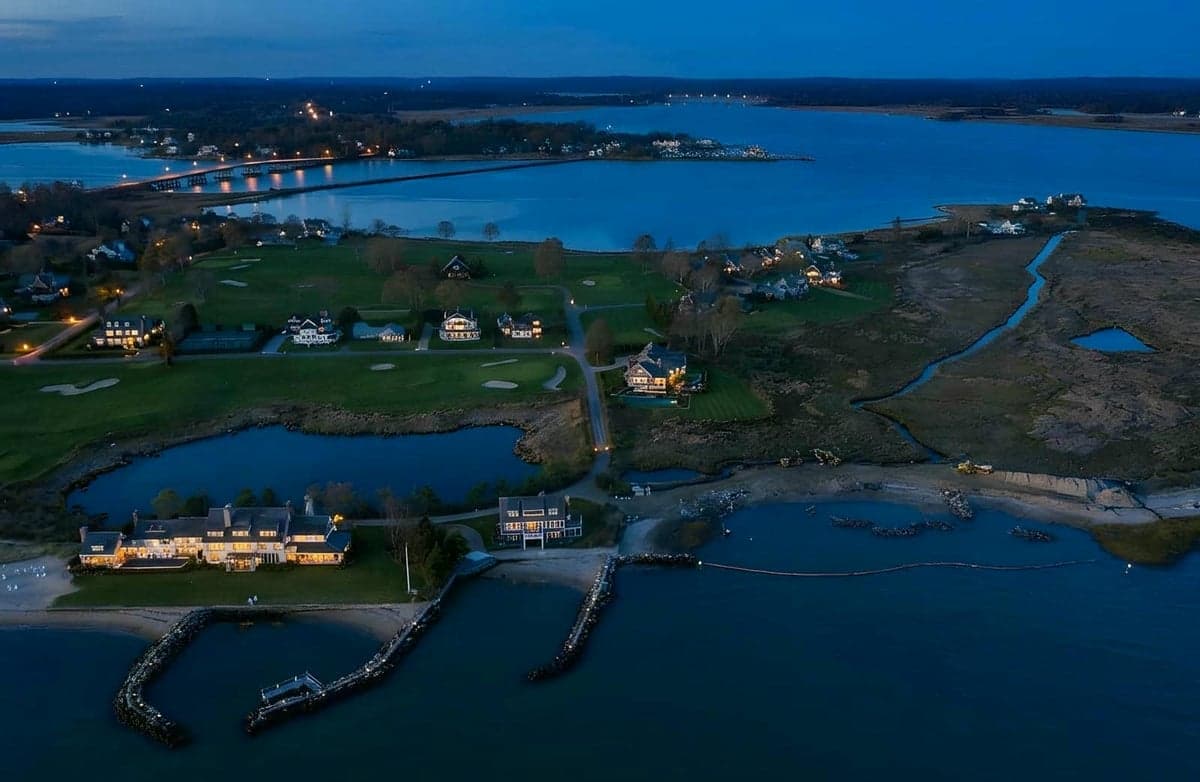
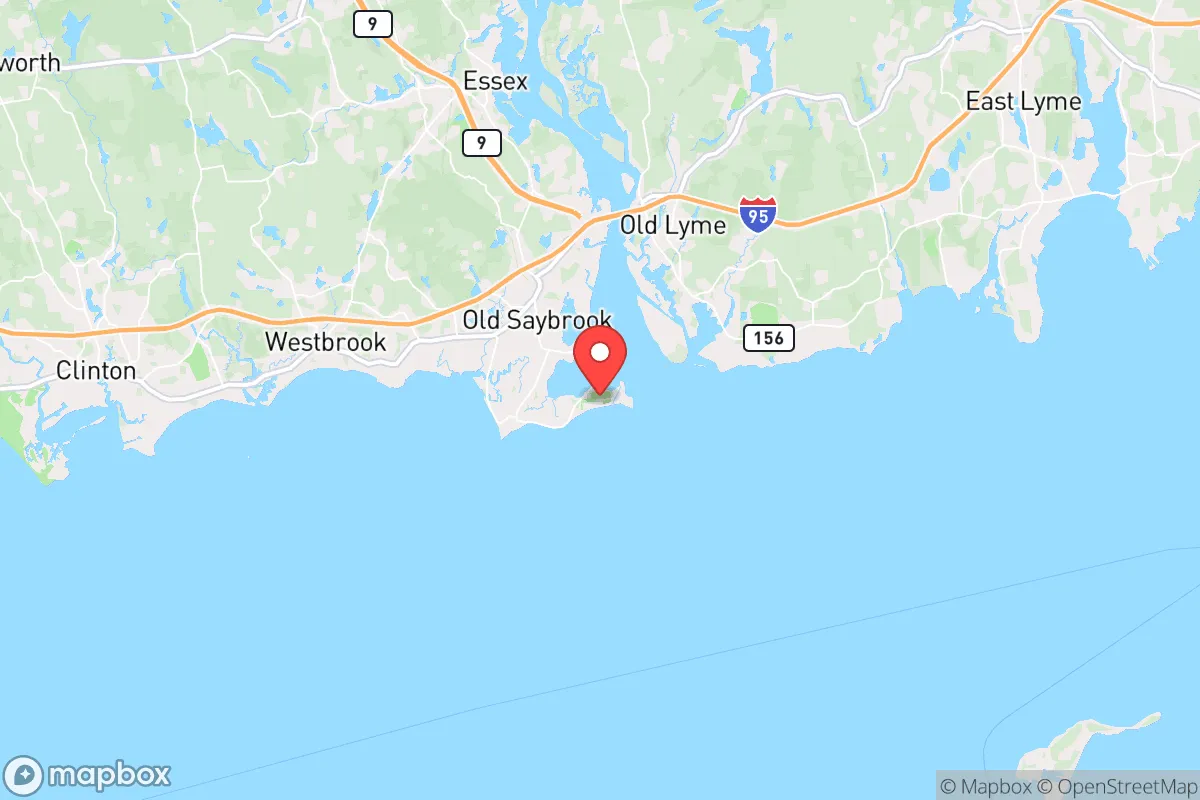
Photo: Made with AI
Personal Sovereignty in Fenwick, CT
Viable for self-reliance. Generally workable, though some barriers may limit total independence.
What does Personal Sovereignty tell us?
Personal Sovereignty measures your capacity for self-reliance and independence with minimal government friction. Higher scores mean fewer barriers between you and the way you want to live... but it assumes you have the space you need and good neighbors.
What does this tell us?
Personal Sovereignty measures your capacity for self-reliance and independence with minimal government friction. Higher scores mean fewer barriers between you and the way you want to live... but it assumes you have the space you need and good neighbors.
State Policy
Energy independence: Importer (5% of energy produced in-state)
Personal Liberty
Homesteading

Personal Liberty Analysis
Fenwick, Connecticut, presents a complex picture for those prioritizing personal sovereignty. As a small, affluent borough within the town of Old Saybrook, its local governance is relatively hands-off, but residents must contend with one of the most interventionist state governments in the Northeast. For the survivalist or prepper, the calculus here is stark: you gain a high degree of local autonomy and a tight-knit community, but you operate under a state regime that taxes heavily, restricts firearm ownership, and imposes significant regulatory burdens on property and daily life. The net result is a constrained sovereignty that demands careful navigation, not a blank slate for self-reliance.
Tax burden and state regulatory posture: the cost of living under Hartford
Connecticut’s tax burden is among the highest in the nation, and Fenwick residents feel it acutely. The state levies a progressive income tax with rates topping out at 6.99%, and property taxes in Old Saybrook—while not the worst in the state—are substantial. Fenwick itself is a special taxing district with its own small levy for services like beach maintenance and security, layered on top of the town’s mill rate (currently around 22.5 mills). For a waterfront property valued at $1.5 million, that means a combined property tax bill north of $33,000 annually. The state also imposes a 6.35% sales tax on most goods, including preparedness supplies like generators, tools, and bulk food storage equipment. Connecticut’s regulatory posture is aggressively top-down: the state mandates strict building codes, environmental regulations on coastal properties (which cover most of Fenwick), and a notoriously complex business permitting process. For anyone looking to run a home-based survival business or even a small workshop, the bureaucratic friction is real. The state’s fiscal mismanagement—with massive unfunded pension liabilities—means tax increases are a perennial threat, eroding the financial independence that underpins personal sovereignty.
Self-defense and gun law specifics: navigating a restrictive regime
For the prepper, Connecticut’s firearm laws are a major red flag. The state requires a permit to purchase any handgun or long gun, and that permit process involves an 8-hour safety course, background checks, and a 14-day waiting period for handguns. Connecticut has a ban on “assault weapons” (defined broadly to include many common semi-automatic rifles like the AR-15), a ban on magazines over 10 rounds, and a “safe storage” law that mandates firearms be locked away when not in use—a direct conflict with the concept of a ready defensive weapon. Carrying a firearm in public requires a separate pistol permit, which is issued at the local level (Old Saybrook’s police chief) but subject to state standards; it’s shall-issue in practice, but the training and fee requirements are steep. Self-defense with a firearm in the home is legally protected under the Castle Doctrine, but there is no “Stand Your Ground” law—you have a duty to retreat if safely possible. For the survivalist, this means your defensive options are legally constrained: no standard-capacity magazines, no “assault” rifles, and a legal obligation to store weapons in a way that could hinder rapid access. Pepper spray and knives are less restricted, but the overall environment is one of state-imposed limitations on the tools of self-reliance.
Self-reliance and homesteading viability: lot sizes, zoning, and off-grid feasibility
Fenwick is a dense, historic beach community—not a place for off-grid homesteading. Lot sizes are small, typically a quarter-acre or less, and the borough’s zoning is strict: no livestock, no outbuildings without permits, and no major alterations to the historic character of homes. True self-reliance in terms of food production is virtually impossible within the borough itself. The soil is sandy and salty, and most residents rely on the local market or deliveries for supplies. Off-grid feasibility is equally poor: the borough is connected to municipal water, sewer, and electric grids, and any attempt to disconnect would run afoul of health codes and coastal regulations. Solar panels are allowed but must be discreetly placed, and battery storage is subject to fire codes. Rainwater collection is technically legal but limited by state water rights laws. For the prepper, Fenwick is a location for community-based resilience, not individual homesteading. You’d need to look inland—say, to the rural towns of Chester or Deep River—for acreage, well water, and septic systems. The practical reality is that Fenwick offers zero room for agricultural self-sufficiency or energy independence; your sovereignty here is social and financial, not logistical.
Personal liberties: parental rights, medical autonomy, speech, and property
On parental rights, Connecticut is a mixed bag. The state mandates school attendance from age 5 to 18, and homeschooling is legal but requires annual notice, portfolio review, and standardized testing—a moderate regulatory burden compared to more permissive states. Medical autonomy is heavily restricted: Connecticut has mandatory childhood vaccination laws with no religious exemption (only medical), and during public health emergencies, the state has broad powers to mandate treatments. The COVID-19 era saw school mask mandates and business closures enforced vigorously, which rankled many sovereignty-minded residents. Free speech is constitutionally protected, but the state has hate speech statutes and “bias crime” enhancements that some view as chilling. Property rights are the strongest point: Fenwick’s zoning is stable, and the borough’s own governance is responsive to residents. However, the state’s coastal management act imposes strict limits on what you can do with waterfront property—no new seawalls, limited dredging, and mandatory setbacks. Eminent domain is a theoretical threat, but in practice, Fenwick’s wealthy residents have the resources to fight it. Overall, personal liberties here are constrained by state-level mandates, particularly in health and education, but local property rights and community governance offer a counterbalance.
In the broader context of New England, Fenwick offers a higher degree of personal sovereignty than urban centers like Hartford or New Haven, but it falls far short of the autonomy found in states like New Hampshire or Maine. The borough’s small size and wealthy, engaged population create a bubble of local control, but the state’s tax, gun, and regulatory regimes impose real limits. For the survivalist or prepper, Fenwick is a place to live within the system, not outside it—you’ll need deep financial reserves to absorb the tax burden, a willingness to comply with firearm restrictions, and a strategy that relies on community networks rather than self-sufficient land. If your priority is maximum individual sovereignty with minimal government interference, Fenwick is not the answer; look to the free states of the South or West. But if you value coastal living, a tight community, and are willing to work within a heavily regulated environment, Fenwick can offer a stable, if constrained, version of personal freedom.

* Values derived from national, state, county, city and local statistics and may differ in a specific area. Last updated: 2026-04-30T04:12:28.000Z
Narrative content on this page is AI-generated and may contain mistakes. Verify any details that matter before acting on them.
ReloMaps may earn a commission from affiliate links at no extra cost to you.

