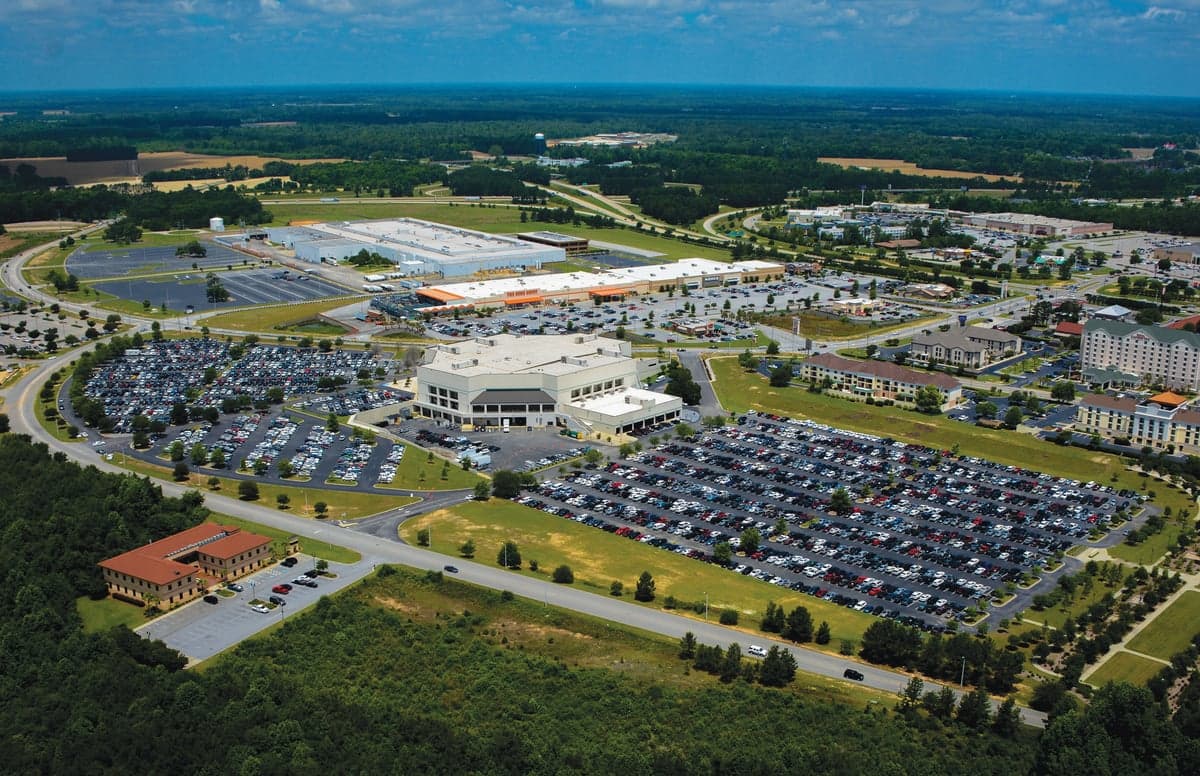
Photo: Wikipedia
Quality of Life in Florence, SC
A high quality of life with strong walkability, manageable living costs, healthy neighborhood signals, and solid amenity access.
What does Quality of Life tell us?
Quality of Life blends cost of living, nearby amenities, socioeconomic signals, and neighborhood character. City-level scores represent the whole municipality; individual neighborhoods can differ.
What does this tell us?
Quality of Life blends cost of living, nearby amenities, socioeconomic signals, and neighborhood character. City-level scores represent the whole municipality; individual neighborhoods can differ.
Cost of Living
26% below national average
The Real Cost of Living in Florence, SC for 2026
| Tier | Individual | Family (4) |
|---|---|---|
| Survival | $15k | $28k |
| Comfortable | $37k | $54k |
| Luxury | $102k+ | $158k+ |
| Elite (Top 5%) | $135k+ | $209k+ |
104%
The Area Signal
A metric tracking the socioeconomic signals of the area.
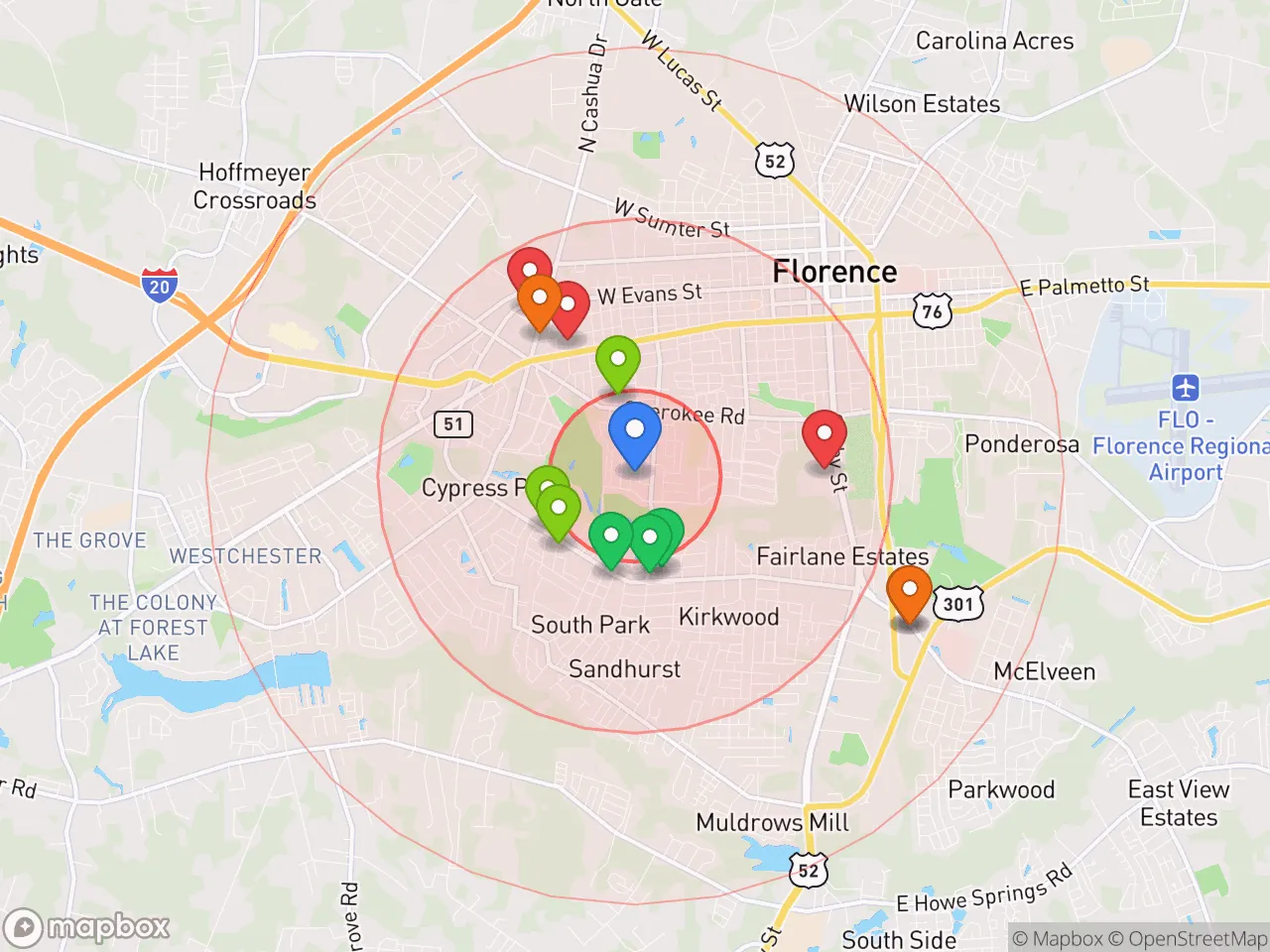
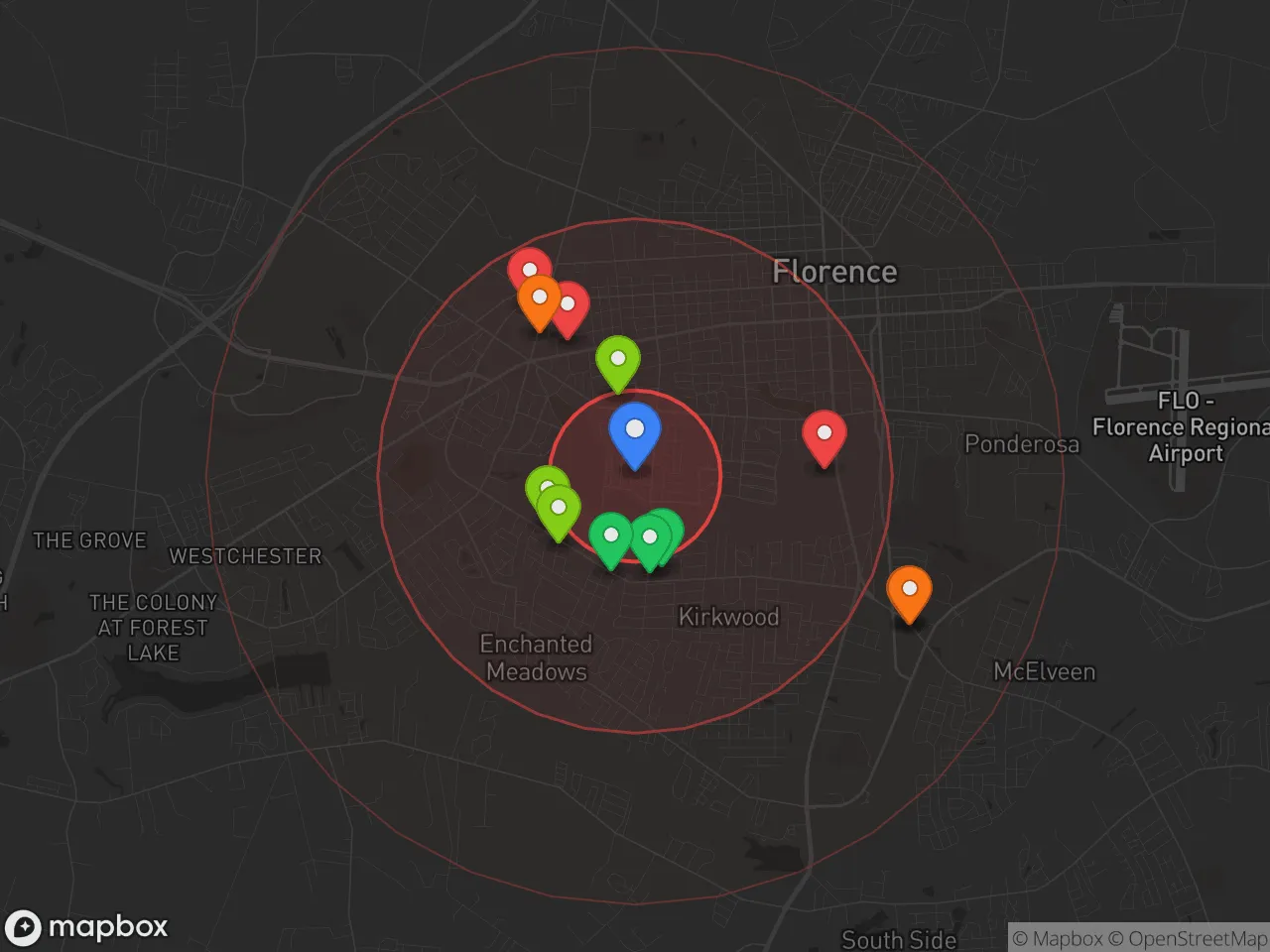
Hobbies
Explore the areaGroceries
6 within 10 miles
Gas
20 within 10 miles
Hospital
3 within 20 miles
Airport
CLT — Charlotte Douglas International
Post Office
USPS — Florence, SC
Critical Amenities
Quality-of-Life Analysis
Florence, South Carolina, presents a quality of life defined by its status as a regional hub for healthcare, retail, and manufacturing, attracting a mix of young professionals, families, and retirees seeking a lower cost of living without sacrificing urban amenities. The city’s affluence is modest compared to national averages, with a median household income around $45,000, but its economic anchor—the McLeod Health and MUSC Health systems—provides a stable base of well-paying jobs. The population skews slightly older than the national median, reflecting a significant retiree draw, while the presence of Francis Marion University injects a youthful, transient energy into the community.
Cost of living and housing affordability compared to Myrtle Beach and Columbia
Florence’s cost of living index sits at 74, a full 26 points below the national average of 100, making it one of the more affordable mid-sized cities in the Southeast. The median home value of $189,800 is roughly 40% lower than the national median, and significantly undercuts nearby coastal markets like Myrtle Beach (where the median exceeds $280,000) and even the state capital Columbia (around $240,000). Renters benefit similarly, with a median rent of $922—about $300 less per month than the national average. The average commute of 18.7 minutes is notably short, well below the national average of 26 minutes, meaning residents spend less time in traffic and more time at home or at local amenities. Property taxes in Florence County are also low, averaging roughly 0.5% of assessed value, which further stretches household budgets compared to higher-tax states like New York or California.
Daily life, schools, and local amenities in the Pee Dee region
Daily life in Florence revolves around a compact, car-dependent layout anchored by the Florence Center (a 10,000-seat arena hosting concerts and minor-league hockey) and the Florence Museum, which offers art and regional history exhibits. The city’s public school system, Florence 1 Schools, includes several magnet programs and the highly regarded West Florence High School, though overall district ratings hover around 6 out of 10 on GreatSchools, prompting some families to consider private options like Florence Christian School. Outdoor recreation centers on the Lynches River County Park and the Pee Dee River, with kayaking and fishing popular among locals. The dining scene is dominated by Southern staples—barbecue at Wholly Smokin’ BBQ and soul food at Julia’s Restaurant—alongside a growing number of chain restaurants along the I-95 corridor. The city’s Downtown Farmers Market operates seasonally, offering fresh produce and crafts, while the Performing Arts Center at Francis Marion University provides a steady calendar of plays and concerts.
Florence is best suited for individuals and families who prioritize affordability and a slower pace over the cultural density of a major metro. Retirees on fixed incomes will find the low housing costs and short commutes especially attractive, while healthcare workers at McLeod or MUSC can enjoy a high disposable income relative to local costs. Young professionals seeking nightlife or diverse job markets beyond healthcare and retail may find the options limited, but for those who value a low-stress commute, a strong sense of community, and easy access to the beaches of Myrtle Beach (about 70 miles east) or the mountains of North Carolina (a 3-hour drive), Florence offers a balanced, cost-effective quality of life.

Crime in Florence, SC
Significantly higher crime rates than 76% of comparable U.S. locations.
Violent CrimeViolent Crime Analysis
Property CrimeProperty Crime Analysis
Crime Analysis
Florence, South Carolina, reports a violent crime rate of 624.8 incidents per 100,000 residents and a property crime rate of 4,597.3 per 100,000, both significantly exceeding national averages. These figures place the city in a higher-risk category for its size, driven in part by its position as a regional economic and transportation hub. The overall safety picture is one where residents and visitors must remain vigilant, particularly regarding property-related offenses and certain violent crimes concentrated in specific areas.
Crime in context
Florence’s violent crime rate is roughly 1.7 times the national average, while its property crime rate is nearly double the national average. Compared to other South Carolina cities of similar size, Florence’s numbers are elevated, though not the highest in the state. The city’s role as a crossroads for Interstates 20 and 95 contributes to transient criminal activity, including drug trafficking and auto theft. A critical factor for readers to consider is the influence of local judicial philosophy: Florence is part of the 12th Judicial Circuit, where progressive-leaning policies on bail reform and sentencing have been observed. Such an approach, while intended to reduce incarceration, can result in quicker release of repeat offenders and lighter sentences for violent crimes, directly undermining public safety and victim justice. This judicial environment is a negative for those prioritizing strict law enforcement and predictable consequences for crime.
What residents experience
Property crime is the most common safety concern for Florence residents, with larceny-theft, burglary, and motor vehicle theft occurring at high frequencies. Vehicle break-ins and package thefts are particularly prevalent in commercial corridors like David H. McLeod Boulevard and near the Florence Center. Violent crime, while less frequent, is a serious issue, with aggravated assault making up the majority of incidents. Robberies and homicides, though rarer, tend to be concentrated in specific neighborhoods and are often drug-related. Residents report that feeling safe varies dramatically by time of day and location, with well-lit, patrolled areas near the Pee Dee Regional Transportation Authority hub feeling safer than isolated residential streets after dark. The presence of a progressive district attorney’s office means that even when arrests are made, the likelihood of swift, stringent prosecution is diminished, a reality that frustrates many long-term residents.
Neighborhood-level variation is stark. Areas west of Irby Street and around the Florence Country Club generally report lower crime rates, while neighborhoods east of U.S. 52 and near the downtown core experience higher incidences of both property and violent crime. The city’s police department has implemented community policing initiatives and crime mapping tools, but the underlying judicial climate remains a persistent concern. For those considering relocation, consulting local crime maps and speaking with residents in specific subdivisions is essential, as the city’s overall statistics mask significant differences between blocks. The combination of high crime rates and a justice system perceived as lenient creates a challenging environment for those seeking a secure community.
* Values derived from national, state, county, city and local statistics and may differ in a specific area. Last updated: 2026-04-24T20:52:47.000Z
Narrative content on this page is AI-generated and may contain mistakes. Verify any details that matter before acting on them.
ReloMaps may earn a commission from affiliate links at no extra cost to you.

