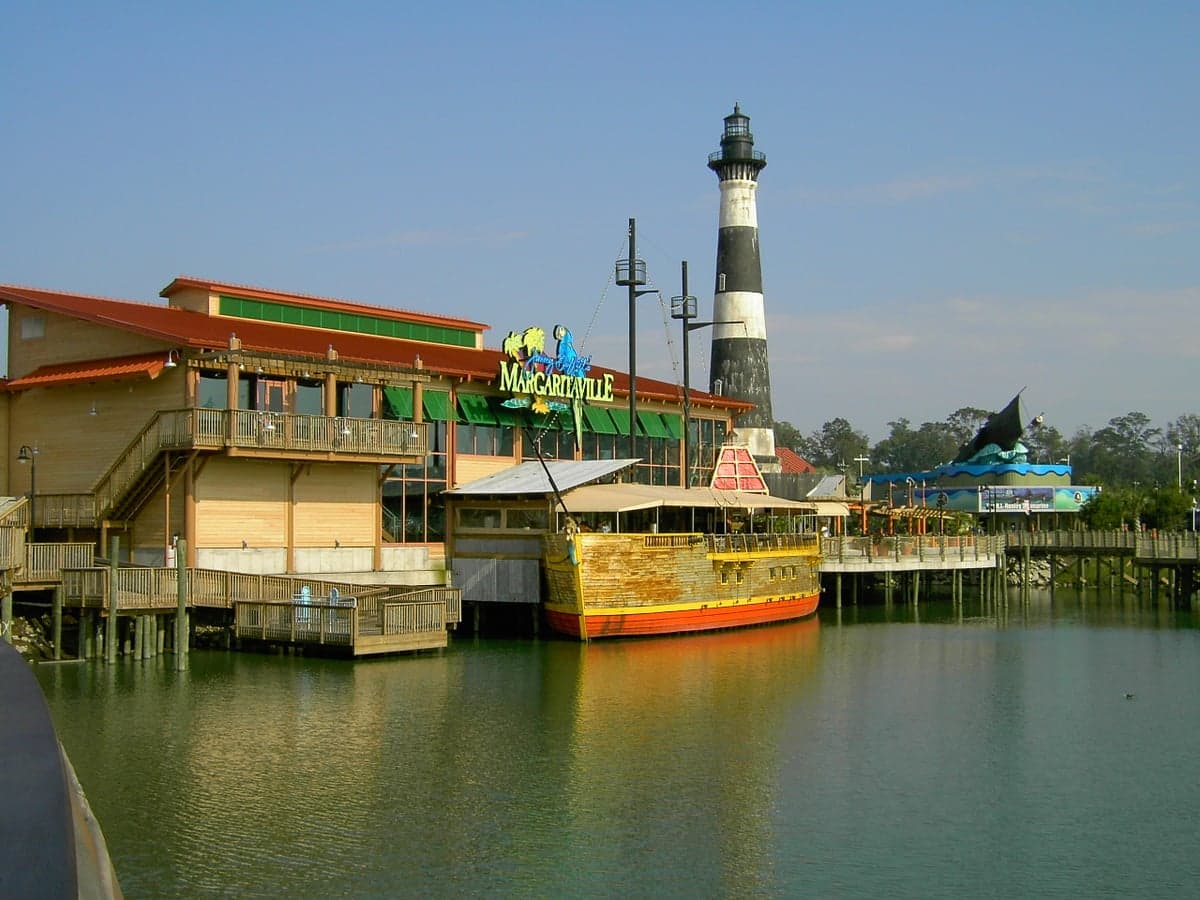
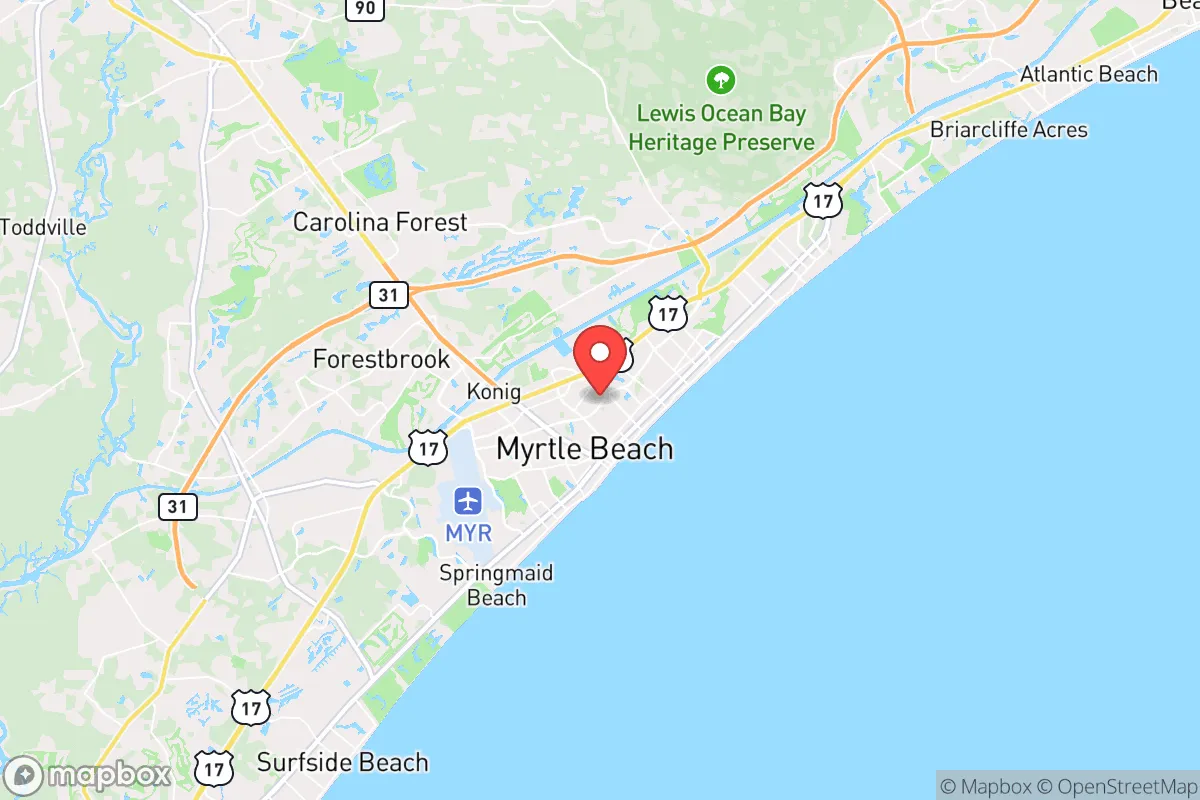
Photo: Wikipedia
Find The Best Places To Live
in Myrtle Beach
PRO TIP! You can paste a Zillow or Redfin link to get info on that property.
What It's Like Living in Myrtle Beach, SC
Myrtle Beach is a place that wears its contradictions on its sleeve—it’s a tourist magnet with a permanent-resident core that feels like a small town, a beach town that slows to a crawl in winter, and a community where the boardwalk energy and the golf-cart suburban life coexist within a few miles. For the roughly 37,000 year-round residents, living here means navigating the seasonal swings between packed summers and quiet off-seasons, with a pace that suits people who want ocean access without the full-time resort price tag.
Daily Rhythm: What Life Actually Looks Like
For most locals, a typical day doesn’t involve the boardwalk. Instead, it’s about the practical rhythms of a mid-sized coastal city. The average commute is just over 18 minutes—short enough that you can live in a neighborhood off 17 Bypass and still be at the beach in ten. Grocery runs happen at the Publix on 707 or the Lowes Foods on 544, and weekend mornings often mean grabbing breakfast at Croissants Bistro & Bakery or Johnny D’s, two spots that draw both tourists and regulars. The median age here is 47, which tilts the feel toward retirees and established families rather than a young singles scene, though the presence of Coastal Carolina University in nearby Conway adds a younger edge to certain pockets.
Work life is heavily service-oriented—hospitality, retail, healthcare, and construction dominate. The median household income sits at $53,679, which is below the national average, and that reality shows in the housing market: a median home value of $347,700 is steep relative to local wages, though still cheaper than Charleston or Hilton Head. Many residents work multiple jobs during the summer to bank enough for the slower winter months, a rhythm that’s as much a part of local culture as the beach itself.
Sports, Community, and the Local Identity
Sports here are a mixed bag. High school football is a genuine event—Myrtle Beach High School and Carolina Forest High School draw big crowds on Friday nights, and the rivalry games are the kind of thing that fills local sports bars. There’s no major pro team within two hours, so the Myrtle Beach Pelicans, the Class A-Advanced affiliate of the Chicago Cubs, fill the void with affordable baseball at TicketReturn.com Field. Coastal Carolina’s football and basketball programs also pull attention, especially since the Chanticleers won the College World Series in 2016—a moment that still gets brought up in local conversation. For a city its size, the sports culture is more participatory than spectator: golf is the real religion, with over 80 courses in the Grand Strand area, and the Myrtle Beach Marathon in February draws thousands of runners who treat it as a winter escape.
The community identity is shaped by a strong sense of “we’re in this together” during the summer crush. Locals know which restaurants to avoid in July (anything on Ocean Boulevard) and which hidden spots to hit—like River City Cafe for burgers or Bovine’s Wood-Fired Pizza for a quieter meal. The Myrtle Beach Farmers Market on Saturdays is a year-round gathering point, and the Carolina Opry and House of Blues anchor the live music scene with a mix of country, classic rock, and tribute bands. Politically, Horry County leans conservative, and that’s reflected in local governance and the general attitude: people are here for the lifestyle, not the nightlife, and the pace suits those who value space and routine over constant stimulation.
What’s There to Do (and What’s Missing)
Outdoor life is the main draw. Beyond the beach itself, the Huntington Beach State Park offers a quieter stretch of sand and a nature center, while the Waccamaw River provides kayaking and paddleboarding away from the salt spray. The Broadway at the Beach complex is the tourist epicenter—shops, restaurants, a Ferris wheel, and the Ripley’s Aquarium—but locals tend to avoid it from June through August unless they have out-of-town guests. Instead, they gravitate toward Market Common, a mixed-use development with a movie theater, a bowling alley, and a weekly farmers market that feels more like a neighborhood hub than a tourist trap.
Festivals are a big deal here. The Myrtle Beach Bike Week in May brings tens of thousands of motorcyclists, and the Canadian-American Days Festival in March is a quirky tradition that dates back decades. The Atalaya Arts & Crafts Festival at Huntington Beach State Park is a quieter, more local affair. What’s missing? A strong arts scene beyond the performing arts—museums are thin, and the cultural offerings are more about entertainment than intellectual stimulation. The Franklin G. Burroughs-Simeon B. Chapin Art Museum is a small gem, but it’s not a destination that would draw someone from outside the area.
Pros and Cons of Living Here
- Pro: Year-round beach access without the year-round crowds. From September through April, you can have stretches of sand nearly to yourself, and the weather is mild enough for walks and shelling most days.
- Con: The summer crush is real. Traffic on 17 Bypass and 501 can turn a 15-minute errand into a 45-minute slog, and the tourist density wears on even the most patient locals.
- Pro: Low property taxes and no state income tax. South Carolina’s tax structure is friendly to retirees and remote workers, which is part of why the median age is 47.
- Con: The violent crime rate is high—1,096.6 per 100,000 residents. That number is skewed by tourist-area incidents and property crime, but it’s a real concern that shows up in neighborhood conversations and home insurance costs.
- Pro: A genuine sense of community among year-rounders. The off-season months create a camaraderie that’s hard to find in bigger cities, and local events like the Myrtle Beach Christmas Parade feel like genuine gatherings, not staged tourism.
- Con: Limited job diversity and below-average wages. The cost of living index is 108 (slightly above the US average), but the median income of $53,679 means housing is a stretch for many, especially single earners.
Living in Myrtle Beach works best for people who value outdoor recreation, don’t mind seasonal tourism, and can tolerate the trade-offs of a small city with a big tourist footprint. It’s not a place for career climbers or culture seekers, but for those who want to live within walking distance of the ocean and don’t need a lot of urban amenities, it delivers on its core promise.

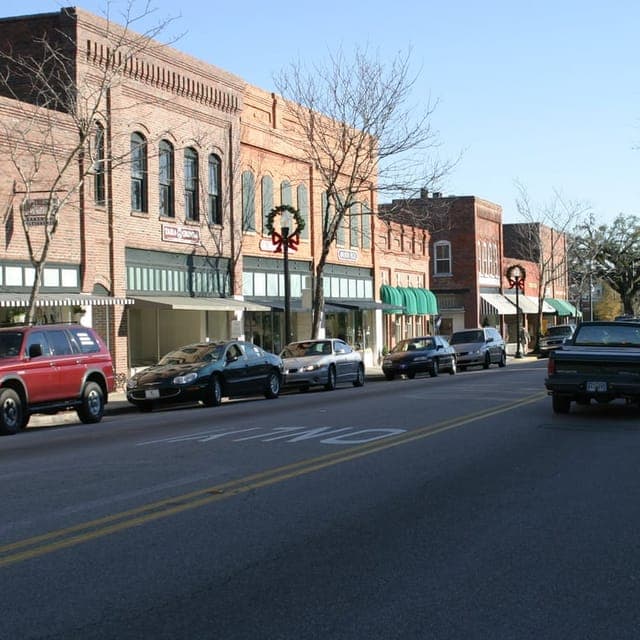
Similar towns to Myrtle Beach
* Values derived from national, state, county, city and local statistics and may differ in a specific area. Last updated: 2026-04-29T19:15:11.000Z
Narrative content on this page is AI-generated and may contain mistakes. Verify any details that matter before acting on them.
ReloMaps may earn a commission from affiliate links at no extra cost to you.

