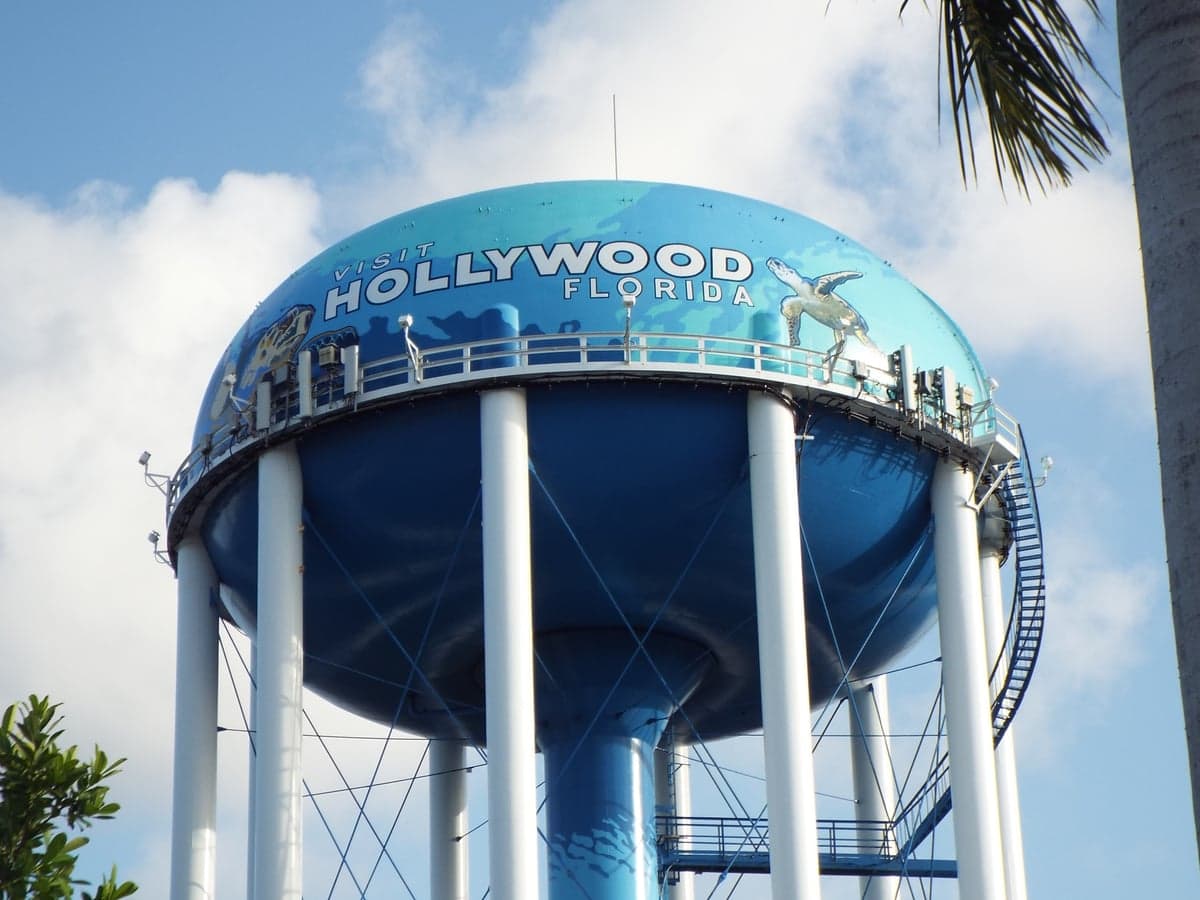
Photo: Wikipedia
Quality of Life in Broward County
A livable area that tracks near national norms for affordability, walkability, and neighborhood health.
What does Quality of Life tell us?
Quality of Life measures an area by evaluating factors like cost of living, nearby amenities, country club access, airport proximity, socioeconomic signals and neighborhood character. For large states, this is a general average — quality of life can vary dramatically between metro areas, suburbs, and rural communities within the same state.
What does this tell us?
Quality of Life measures an area by evaluating factors like cost of living, nearby amenities, country club access, airport proximity, socioeconomic signals and neighborhood character. For large states, this is a general average — quality of life can vary dramatically between metro areas, suburbs, and rural communities within the same state.
Cost of Living
47% above national average
69%
The Real Cost of Living in Broward County for 2026
| Tier | Individual | Family (4) |
|---|---|---|
| Survival | $29k | $54k |
| Comfortable | $74k | $109k |
| Luxury | $135k+ | $209k+ |
| Elite (Top 5%) | $178k+ | $276k+ |
Quality-of-Life Analysis
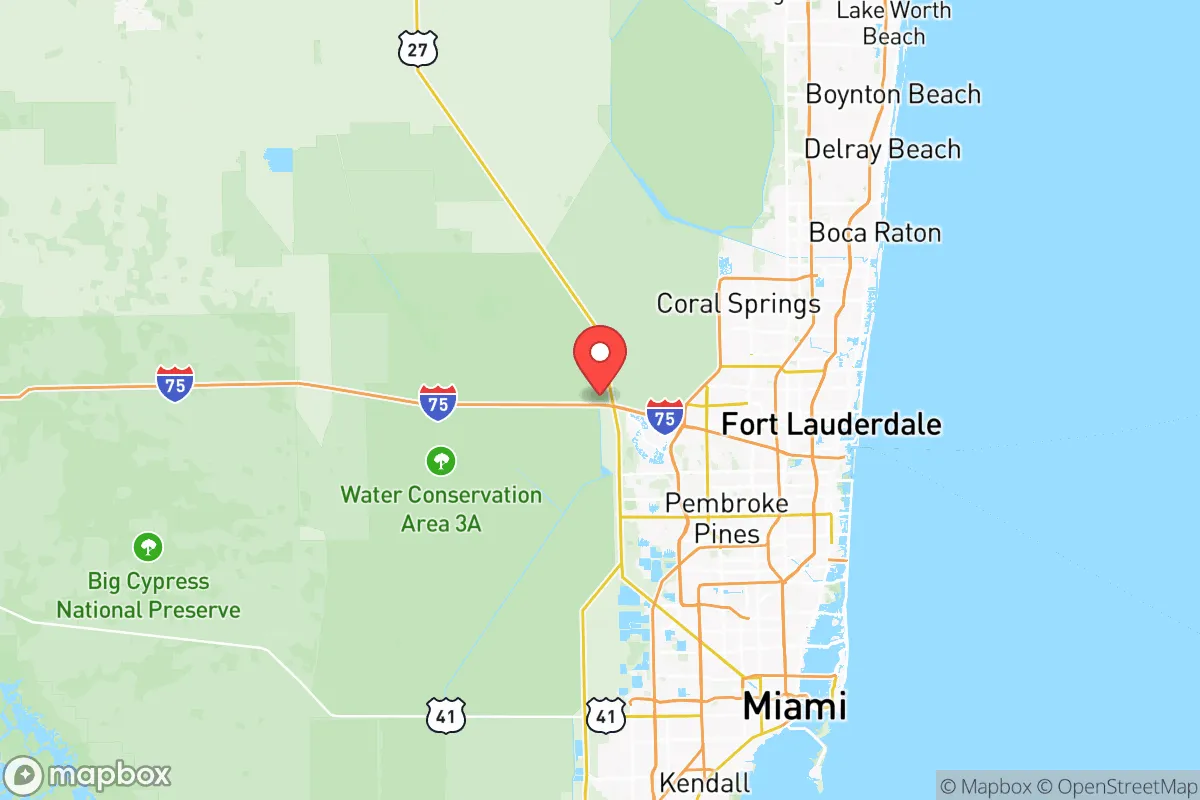
Broward County, Florida, offers a spectrum of quality-of-life options that ranges from the dense, urban energy of Fort Lauderdale to the quieter, more suburban rhythms of towns like Parkland and the semi-rural pockets of Southwest Ranches. This diversity attracts a broad mix of residents: young professionals and nightlife seekers drawn to the coast, families prioritizing top-rated schools in the western suburbs, and those seeking acreage and a slower pace in the county’s few remaining agricultural enclaves. The county’s overall cost of living index sits at 147 (100 = U.S. average), with a median home value of $380,400 and a median rent of $1,804, but these figures mask significant variation between its most and least expensive communities.
Largest town(s) & population centers
Fort Lauderdale is Broward’s largest city and its economic and cultural hub, with a population exceeding 180,000. Daily life here is defined by a dense, walkable downtown core along the New River, a booming craft brewery and dining scene, and the famous Las Olas Boulevard corridor. The city’s beachfront and extensive canal system make boating and water sports central to the lifestyle. Other major population centers include Pembroke Pines (pop. ~172,000) and Hollywood (pop. ~155,000). Pembroke Pines is a sprawling, family-oriented suburb with master-planned communities, ample parks, and a strong sense of order, while Hollywood offers a more eclectic mix of historic beachfront neighborhoods like Hollywood Beach Broadwalk and inland areas with a growing arts scene. The average commute across Broward is 29 minutes, a figure that can stretch to 45+ minutes for those living in western suburbs and commuting to coastal jobs.
Smaller towns & rural pockets
While Broward is largely suburbanized, several smaller towns and unincorporated areas retain distinct identities. Parkland, in the far northwest corner, is a low-density, affluent community known for its large-lot homes, equestrian trails, and highly rated public schools. It feels more like a rural retreat than a typical South Florida suburb. Southwest Ranches, a town of roughly 7,500 residents, is Broward’s most deliberate rural holdout, with minimum lot sizes of one acre and zoning that permits horses, farm animals, and nurseries. Cooper City and Weston are smaller, master-planned suburbs that offer a middle ground: quiet, family-focused, with excellent schools and a strong sense of community, but without the rural acreage of Parkland or Southwest Ranches. Lauderdale-by-the-Sea, a tiny coastal enclave of about 6,000, offers a laid-back beach-town vibe with no high-rises and a village-like commercial strip.
Cost & lifestyle range
The cost of living and lifestyle options in Broward vary dramatically by location. At the high end, Parkland and Weston command median home prices well above the county average, often exceeding $600,000, with large single-family homes and top-tier schools. These areas appeal to families and professionals willing to pay a premium for space, safety, and low density. At the more affordable end, Lauderhill and North Lauderdale offer median home values closer to $300,000, with a more urban, diverse character and a higher proportion of renters. Pembroke Park and parts of unincorporated Carver Ranches are among the county’s most affordable, with smaller homes and older housing stock. For renters, the countywide median rent of $1,804 is a baseline; studios in Fort Lauderdale’s Flagler Village can exceed $2,200, while a two-bedroom in Lauderhill might rent for $1,500. Lifestyle choices follow the cost gradient: coastal areas offer walkability and nightlife, western suburbs offer chain retail and family amenities, and the rural pockets offer space and quiet.
Broward County is best suited for those who want the amenities of a major metro area—beaches, airports, cultural institutions, and a diverse job market—but are willing to trade some space or commute time for the right fit. Families thrive in the western suburbs and towns like Parkland and Weston, while young professionals and empty-nesters often prefer the coastal cities. Those seeking true rural living will find it only in a few small pockets, but for most residents, Broward offers a suburban-to-urban gradient that can accommodate a wide range of priorities and budgets.

Crime in Broward County
Generally safer than 73% of comparable U.S. locations.
Violent CrimeViolent Crime Analysis
Property CrimeProperty Crime Analysis
Crime Analysis
Broward County, Florida, presents a mixed safety picture that varies dramatically by city and neighborhood. The county's overall violent crime rate of 166.8 per 100,000 residents and property crime rate of 735.6 per 100,000 place it in a middle tier among Florida's 67 counties, but these averages mask significant disparities between communities like Parkland and Weston versus Fort Lauderdale and Pompano Beach. Residents considering a move to Broward should understand that safety outcomes are heavily influenced by local law enforcement strategies and the judicial philosophy of the county's elected prosecutors.
Crime in context
Broward County's violent crime rate of 166.8 per 100,000 is lower than the Florida state average of approximately 230 per 100,000 and well below the national rate of roughly 380 per 100,000. Property crime, at 735.6 per 100,000, also falls below the state average of about 850 per 100,000. However, these figures have been trending upward since 2020, driven largely by increases in aggravated assault and motor vehicle theft. The county's 17th Judicial Circuit, which covers all of Broward, has been a focal point of debate over criminal justice reform. Critics argue that progressive policies championed by the State Attorney's office—including diversion programs and reduced bond amounts for nonviolent offenders—have contributed to a rise in repeat offenses and a perception of leniency that emboldens property criminals in particular.
What residents experience
Daily life in Broward County involves navigating a landscape where crime is highly localized. Fort Lauderdale, the county seat, reports violent crime rates nearly double the county average, with concentrated issues in the Sistrunk Boulevard corridor and along the beachfront entertainment district. Pompano Beach and Lauderhill also see elevated rates of robbery and aggravated assault. In contrast, the western suburbs of Parkland and Weston consistently rank among the safest cities in Florida, with violent crime rates below 50 per 100,000—a result of well-funded police departments, gated communities, and proactive neighborhood watch programs. Coral Springs and Pembroke Pines occupy a middle ground, with property crime as the primary concern, particularly package thefts and vehicle break-ins in apartment complexes. Residents in higher-crime areas frequently report that the judicial system's focus on rehabilitation over incarceration leads to quick release of repeat property offenders, undermining the deterrent effect of arrest.
Neighborhood-level variation
The safest neighborhoods in Broward are overwhelmingly concentrated in the western and northwestern parts of the county. Parkland, with its strict zoning and low-density housing, recorded just 12 violent crimes in all of 2024, while Weston's gated communities and active homeowners' associations maintain similar security. Conversely, the central urban corridor stretching from Fort Lauderdale through Lauderdale Lakes to Lauderhill experiences the highest crime density, with block-by-block variation that makes local knowledge essential. The city of Hallandale Beach, near the Miami-Dade line, has seen a recent uptick in burglaries linked to transient populations. For prospective residents, the key takeaway is that Broward County's crime statistics are not a monolith: choosing a city like Parkland or Weston offers safety comparable to the safest U.S. suburbs, while areas in central and eastern Broward require careful vetting of specific streets and condo complexes. The county's progressive judicial policies, while well-intentioned, have created a system where property crime offenders cycle through quickly, making neighborhood-level security measures—from gated access to private patrols—a practical necessity for peace of mind.
* Values derived from national, state, county, city and local statistics and may differ in a specific area. Last updated: 2026-05-09T18:37:15.000Z
Narrative content on this page is AI-generated and may contain mistakes. Verify any details that matter before acting on them.
ReloMaps may earn a commission from affiliate links at no extra cost to you.

