Photo: Wikipedia
Strategic Assessment of Broward County
Multiple tactical vulnerabilities. Population density, target proximity, or disaster risk are likely compounding. A retreat property and exit planning is required.
What does the Strategic Assessment tell us?
Our Strategic Assessment grades tactical survivability of an area. Major population centers, military targets, fallout zones, natural disasters, and border exposure all drive risk — lower exposure means a more defensible position in a crisis.
This is heavily inspired by Joel Skousen's Strategic Relocation book. Highly recommended you checkout the book ($)What does this tell us?
Our Strategic Assessment grades tactical survivability of an area. Major population centers, military targets, fallout zones, natural disasters, and border exposure all drive risk — lower exposure means a more defensible position in a crisis.
This is heavily inspired by Joel Skousen's Strategic Relocation book. Highly recommended you checkout the book ($)Strategic Pillars

Key Distances
Strategic Assessment Analysis
Broward County presents a complex strategic picture for the conservative prepper or survivalist. On one hand, its location along Florida’s southeast coast offers significant natural advantages—abundant water, a long growing season, and access to maritime trade routes. On the other hand, it sits in the shadow of Miami-Dade to the south and Palm Beach County to the north, with a dense urban core that creates both logistical vulnerabilities and target risks. For a relocator weighing resilience against exposure, Broward demands a careful, eyes-open assessment—it’s not a bug-out paradise, but it’s not a dead zone either.
Geographic position and natural advantages for long-term survival
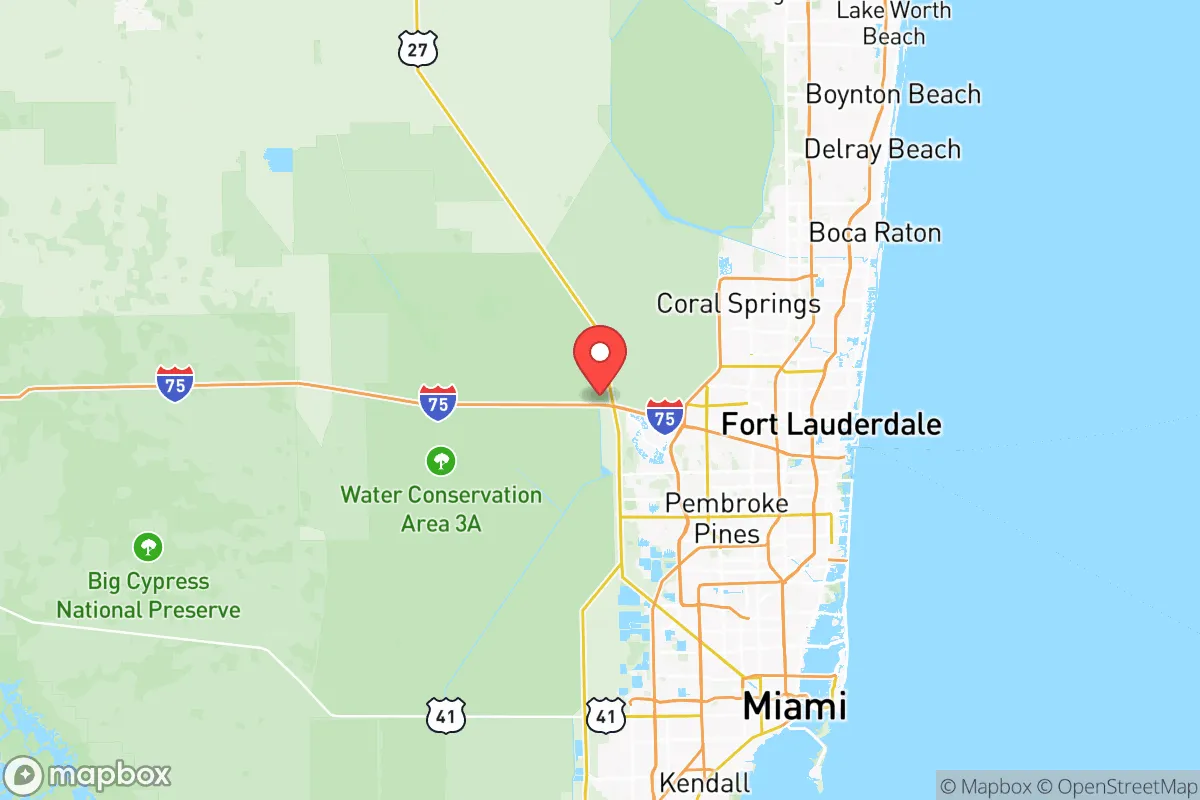
Broward County’s geography is defined by its Atlantic coastline, the Intracoastal Waterway, and the Everglades to the west. This gives you three distinct zones: the barrier islands and beachfront (Fort Lauderdale, Hollywood, Pompano Beach), the urbanized coastal strip, and the sparsely populated western reaches near Weston and the Miccosukee Reservation. The Everglades act as a natural buffer against overland threats from the interior—no one is marching an army through that swamp. The county’s numerous canals and waterways provide secondary transportation routes if roads become impassable, and the subtropical climate means year-round food production is possible with proper planning. Freshwater access is a major plus: the Biscayne Aquifer underlies the region, and the county’s water management districts maintain extensive reservoir and canal systems. For a relocator, the western fringe—areas like Southwest Ranches or the rural pockets near Alligator Alley—offers the best balance of proximity to resources and distance from the densest population centers. The Port Everglades in Fort Lauderdale is a deep-water port that could serve as a resupply or evacuation point in a prolonged crisis, though its value depends on who controls it.
Risks, exposures, and proximity to fallout-relevant landmarks
Broward’s biggest strategic weakness is its density and its proximity to high-value targets. Fort Lauderdale-Hollywood International Airport and Port Everglades are both critical infrastructure nodes that would be primary targets in a conflict or terrorist event. The county is also sandwiched between two major metropolitan areas: Miami-Dade to the south (home to the nation’s third-largest urban population and the Port of Miami) and Palm Beach County to the north (with its own airport and the Trump-era Mar-a-Lago compound, a symbolic target). In a civil unrest scenario, the urban corridor along I-95 from Miami to West Palm Beach becomes a chokepoint—any disruption there traps residents in Broward. The county’s numerous shopping malls, government buildings, and the Broward County Courthouse in Fort Lauderdale are potential flashpoints. Natural disaster risk is also real: hurricanes are a seasonal certainty, and storm surge from a Category 4 or 5 could inundate coastal areas up to several miles inland. The Everglades themselves pose a fire risk during dry seasons, and the flat terrain offers no high ground for retreat. For the prepper, the key takeaway is that Broward is not a retreat—it’s a staging area. You need a plan to move inland or north within 48 hours of a major event.
Practical resilience for a relocator: food, water, energy, and defensibility
For a single individual or family looking to establish a resilient foothold, Broward offers mixed prospects. Water is abundant—the county’s municipal water supply draws from the Biscayne Aquifer, and with a basic filtration system (Berkey or similar), you can treat canal or rainwater. The rainy season from May to October provides consistent collection opportunities. Food production is viable year-round: citrus, avocados, mangoes, and vegetables grow well in the sandy soil, and the county has several community gardens and farmers’ markets (e.g., the Yellow Green Farmers Market in Hollywood) that could serve as supply nodes in a slow-collapse scenario. Energy independence is harder. The grid is vulnerable to hurricanes and cyberattacks, and solar panels require battery storage to handle the frequent cloud cover. Natural gas is the primary heating fuel, but pipelines are concentrated along the coast. Defensibility is the weakest link. Broward is flat, open, and crisscrossed by roads—there are no natural chokepoints or defensible terrain. The western suburbs (Weston, Parkland) offer larger lots and more space between neighbors, but they’re still within 30 minutes of downtown Fort Lauderdale. For a relocator, the best strategy is to buy property on the western edge—ideally near Alligator Alley (I-75) for a quick exit to the Gulf Coast—and invest in a well, solar panels, and a reinforced safe room. Stockpiling is legal but should be discreet; Florida has no state-level restrictions on ammunition or firearms, but local ordinances in Fort Lauderdale and Hollywood may limit magazine capacity or open carry.
The overall strategic picture for Broward County is one of calculated risk. It’s not a place to hunker down for a long-term collapse—the population density, coastal exposure, and proximity to high-value targets make it a likely zone of conflict or evacuation in a major event. But for a relocator who wants to stay connected to urban resources while maintaining a retreat option, the western fringe offers a viable compromise. The key is to treat Broward as a base of operations, not a final destination. Have a bug-out vehicle prepped, a secondary location in central or north Florida scouted, and a network of like-minded individuals in the area. The county’s strengths—water, climate, and access to ports—are real, but they’re offset by vulnerabilities that require active management. If you’re willing to put in the work, Broward can work for you. If you’re looking for a quiet, defensible homestead, look farther north or west.

* Values derived from national, state, county, city and local statistics and may differ in a specific area. Last updated: 2026-05-09T18:37:15.000Z
Narrative content on this page is AI-generated and may contain mistakes. Verify any details that matter before acting on them.
ReloMaps may earn a commission from affiliate links at no extra cost to you.

