Photo: Wikipedia
Find The Best Places To Live
in Fort Lauderdale
PRO TIP! You can paste a Zillow or Redfin link to get info on that property.
What It's Like Living in Fort Lauderdale, FL
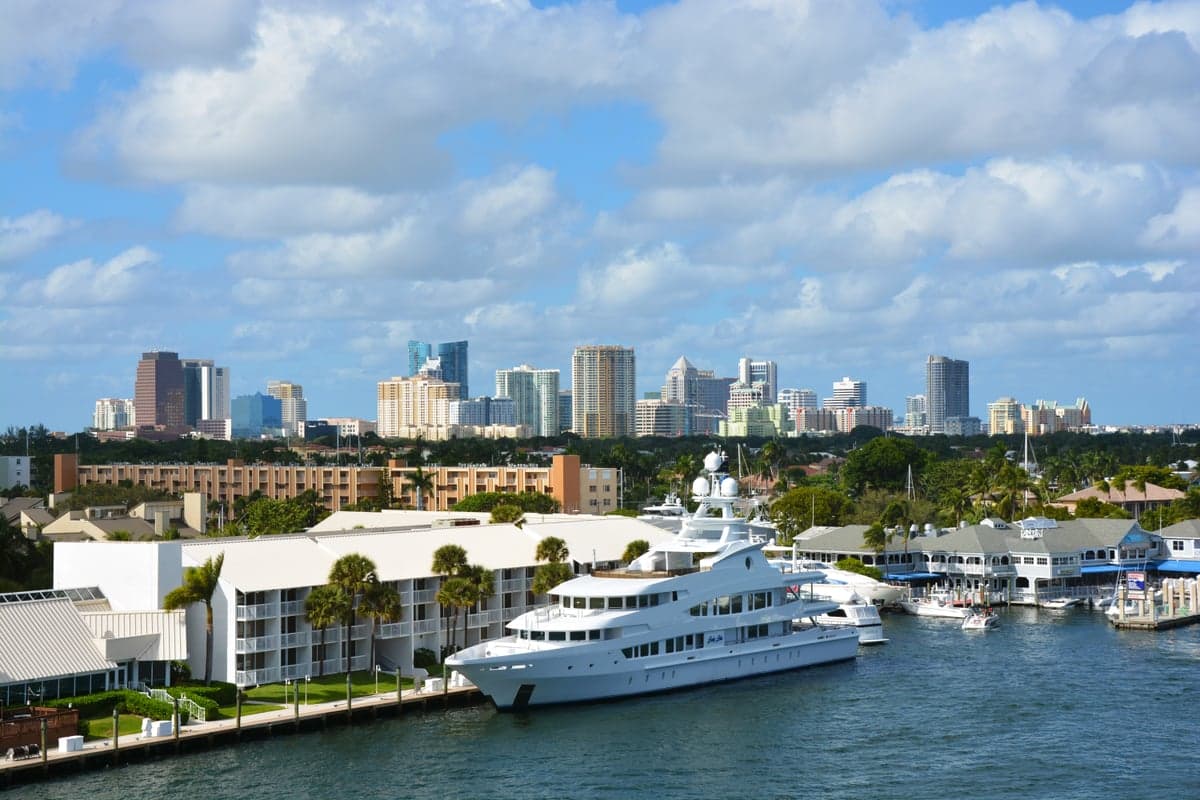
Fort Lauderdale has a split personality that somehow works. On one side, you’ve got the postcard-perfect canals and yachts that earned it the “Venice of America” nickname; on the other, there’s a workaday city of 183,032 people who actually live here year-round, not just spring-breakers. It’s less polished than Miami, more built-out than Boca Raton, and the vibe shifts block by block — one street is all high-rise condos and waterfront dining, the next is a quiet neighborhood of mid-century ranch houses where people have lived for thirty years.
The Daily Rhythm: Boats, Traffic, and Seasonal Rhythms
For most residents, daily life revolves around water and weather. The average commute clocks in at about 26 minutes — not terrible for South Florida, but the stretch of I-95 between Sunrise Boulevard and Commercial Boulevard is a slog during snowbird season (roughly November through April). Locals learn to navigate side streets like Federal Highway and A1A, or they just accept that traffic is part of the deal. The median age here is 42.9, which tells you this isn’t a college town; it’s a place where people have established careers, often in marine industries, healthcare (Broward Health is a major employer), or aviation (Fort Lauderdale-Hollywood International Airport is a big deal). The median household income of $79,935 supports a comfortable but not lavish lifestyle — you’re not living like a Miami Beach trust-funder, but you can afford a nice dinner and a boat slip if you’re smart with money.
Weather dictates the calendar. Summer (May through October) is hot, humid, and punctuated by near-daily afternoon thunderstorms that clear the air by 5 p.m. Winter is the payoff: 75 degrees, low humidity, and the city fills up with seasonal residents who drive up restaurant wait times and traffic. The cost of living index sits at 156 (well above the national average of 100), and the median home value of $455,600 means homeownership is a stretch for single earners but doable for dual-income households or those coming from pricier markets like New York or California.
Sports & Community: From High School Rivalries to Pro Teams
Sports fandom here is a layered thing. There’s no major pro team actually based in Fort Lauderdale — the Miami Dolphins play 30 miles south, the Florida Panthers (NHL) are in Sunrise, and the Miami Heat are in Miami proper. But the city has its own identity in the sports world. Fort Lauderdale FC (soccer) draws a passionate, younger crowd at NSU Soccer Stadium, and the annual Fort Lauderdale Air Show in May is a massive community event. High school football is genuinely a big deal — games at St. Thomas Aquinas (a national powerhouse) or Cardinal Gibbons draw thousands on Friday nights, and these rivalries are taken seriously by families who’ve lived here for generations. For college sports, the University of Miami is a 40-minute drive, and FAU (Florida Atlantic) in Boca Raton is about 20 minutes north. Tailgating culture exists, but it’s more scattered than in traditional college towns.
What’s There to Do: Festivals, Waterfront Hangouts, and Local Haunts
Weekends here are defined by water and weather. The Las Olas Boulevard corridor is the social spine — a mile-long stretch of boutiques, sidewalk cafes, and bars like El Camino (solid margaritas) and Rocco’s Tacos (loud, fun, always packed). For a more low-key scene, locals head to Hugh Taylor Birch State Park for kayaking and walking trails, or they launch a boat from one of the city’s many public ramps. The Fort Lauderdale International Boat Show in October is the city’s biggest annual event — it’s less about buying a yacht and more about people-watching and seeing the sheer scale of the marine industry. Music venues like The Culture Room (punk and indie) and Revolution Live (national acts) keep the nightlife varied. Families gravitate toward the Museum of Discovery and Science and the Bonnet House Museum & Gardens, a historic estate that feels like a quiet escape from the condo towers.
A few can’t-miss spots that define the local identity:
- Las Olas Beach — the main public beach, busy but well-maintained, with a wide promenade for walking and biking.
- 15th Street Fisheries — a dockside restaurant where you can feed tarpon off the back deck; it’s touristy but genuinely fun.
- The Downtowner — a free electric shuttle that loops through downtown; locals use it to avoid parking for dinner or drinks.
- Riverwalk Fort Lauderdale — a linear park along the New River with art installations, a Saturday morning farmers market, and occasional live music.
Pros and Cons of Living Here: What Locals Actually Say
The honest trade-offs matter more than the brochure. On the plus side, the weather is genuinely unbeatable from November through April, the outdoor lifestyle is real (boating, fishing, paddleboarding are part of daily life for many), and the airport makes travel easy — you can be in the Bahamas in an hour. The job market is stable, especially in healthcare, marine trades, and aviation. The violent crime rate of 605.7 per 100,000 is higher than the national average, and that’s a real concern — property crime in particular is an issue in areas near the beach and downtown. Longtime residents also complain about the “seasonal” effect: from January through March, restaurants are packed, traffic doubles, and the city feels like it belongs to visitors. The school system is a mixed bag — Broward County Public Schools is large and varied, and many families with means opt for private or charter options (St. Thomas Aquinas, Pine Crest, and Westminster Academy are popular). The 39.8% college-educated rate is below the national average for metro areas, which reflects the blue-collar marine and tourism workforce that keeps the city running.
The cultural quirk that surprises newcomers: Fort Lauderdale is actually more conservative and family-oriented than its party-city reputation suggests. The spring break crowds are mostly gone (the city cracked down hard in the 2000s), and the permanent population skews older, more settled, and more focused on neighborhood life than nightlife. You’ll see more minivans than convertibles in the suburbs west of I-95. The city’s identity is less about “Miami glamour” and more about “we live here, we work here, we go to the beach on Saturday morning before the crowds show up.” It’s a place that rewards people who know how to navigate the seasonal rhythms and don’t mind the humidity for eight months of the year.

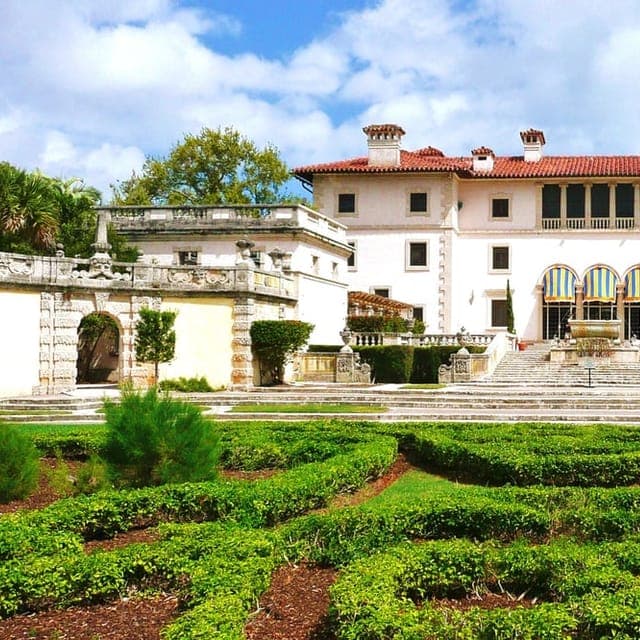
Similar small cities to Fort Lauderdale
* Values derived from national, state, county, city and local statistics and may differ in a specific area. Last updated: 2026-04-19T06:56:05.000Z
Narrative content on this page is AI-generated and may contain mistakes. Verify any details that matter before acting on them.
ReloMaps may earn a commission from affiliate links at no extra cost to you.

