Photo: Wikipedia
Find The Best Places To Live in Broward County
PRO TIP! You can paste a Zillow or Redfin link to get info on that property.
Best Places to Live in Broward County
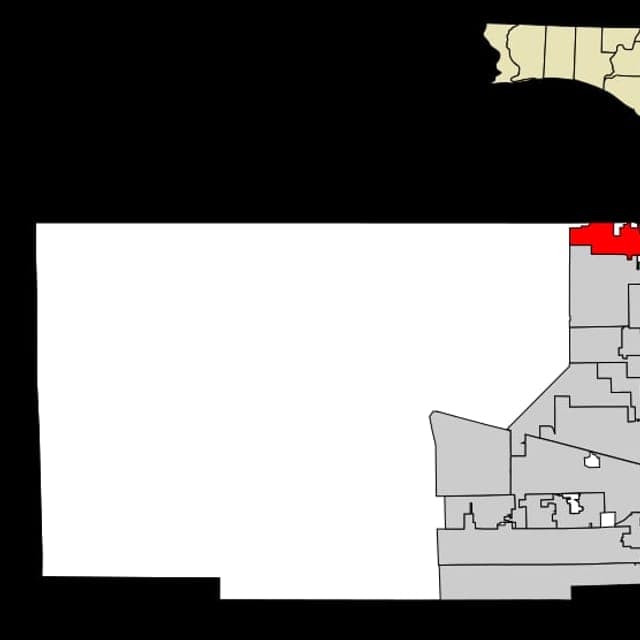
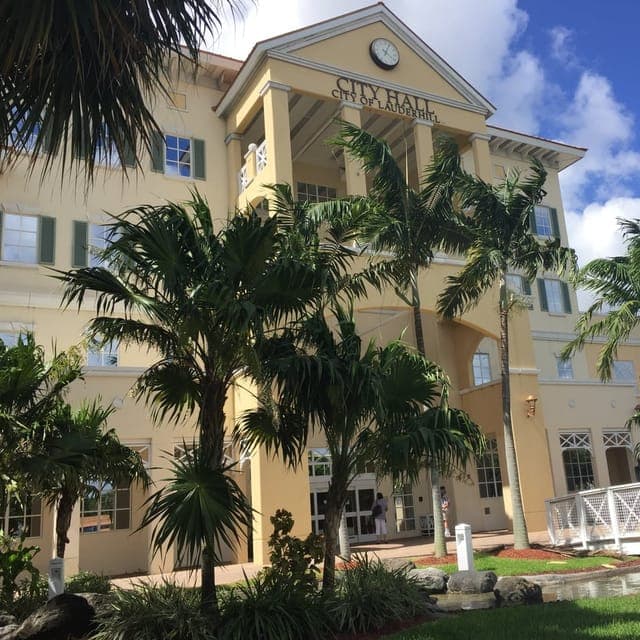
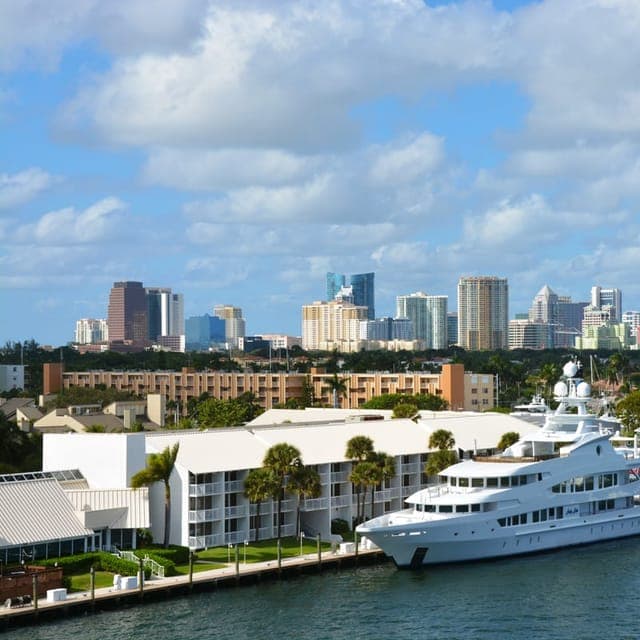
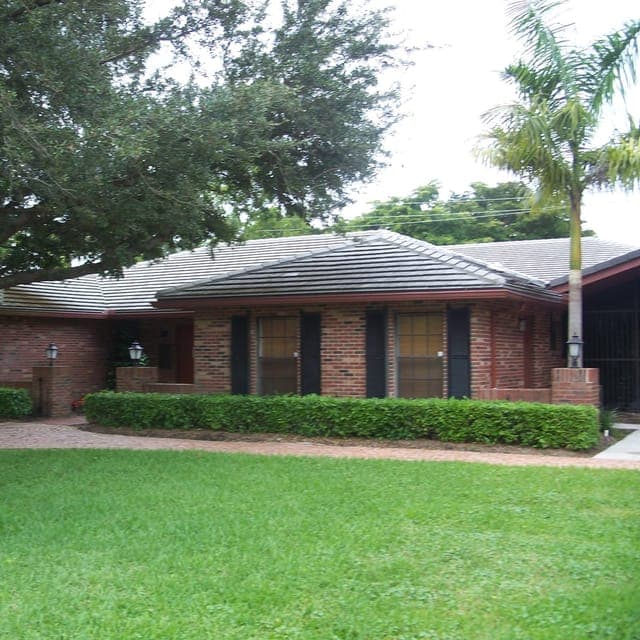
Cities & Towns in Broward County
Cities in Broward County
What It's Like Living in Broward County, FL
Living in Broward County means settling into a place that’s far more than just a corridor between Miami and Palm Beach. It’s a sprawling, self-contained region where the pace of life varies dramatically from the beachfront bustle of Fort Lauderdale to the quiet, suburban grid of Weston and the equestrian-oriented lanes of Southwest Ranches. With a population of nearly 2 million, the county feels like a collection of distinct towns rather than one monolithic city, and that diversity is what defines daily life here.
The Daily Rhythm: From Fort Lauderdale’s Waterfront to Weston’s Master-Planned Streets
For most residents, the day starts early, driven by the reality of a 29-minute average commute. That number can feel optimistic if you’re heading from Parkland to downtown Fort Lauderdale or from Pembroke Pines to the airport-area employment hubs. The major arteries—I-95, the Turnpike, and I-595—are reliable bottlenecks, especially during snowbird season from November to April. Locals learn to plan errands around rush hour or embrace the county’s extensive network of surface streets like University Drive and Pines Boulevard.
What people actually do with their time depends heavily on which city they call home. In Fort Lauderdale, weekends often revolve around the New River or Las Olas Boulevard—grabbing coffee at a sidewalk café, browsing art galleries, or hopping on a water taxi. In quieter suburbs like Coral Springs or Parkland, the rhythm is more about youth sports leagues, Publix runs, and weekend barbecues. The median age of 41.3 reflects a population that’s settled, often raising families or enjoying empty-nest status, which explains the heavy emphasis on good school districts and low-crime neighborhoods.
Sports, Entertainment, and Where Locals Actually Hang Out
Sports fandom here is split between the Miami teams and a strong local identity. The Florida Panthers (NHL) play in Sunrise at the Amerant Bank Arena, drawing a dedicated, blue-collar crowd that’s less flashy than the Heat’s fanbase. High school football is a genuine community event in places like St. Thomas Aquinas (Fort Lauderdale) and Deerfield Beach, where Friday-night games pack bleachers with parents and alumni. For pro football and baseball, most Broward residents drive south to Hard Rock Stadium or loanDepot park, but the county has its own minor-league charm with the Fort Lauderdale FC soccer club and spring training games at Roger Dean Chevrolet Stadium in Jupiter (a short drive north).
Entertainment runs the gamut. The Broward Center for the Performing Arts in downtown Fort Lauderdale hosts Broadway tours and symphony performances, while the Hard Rock Hollywood casino and guitar-shaped hotel draws crowds for concerts and nightlife. For outdoor recreation, Markham Park in Sunrise offers mountain biking trails and a shooting range, and the Everglades Holiday Park in western Broward gives families airboat rides. Restaurants are hyper-local: think Cuban coffee in Pembroke Pines, Italian delis in Coral Springs, and seafood shacks along A1A in Lauderdale-by-the-Sea.
Who Fits In—and Who Might Struggle
Broward County tends to suit people who value practical convenience over urban intensity. The median household income of $74,534 supports a comfortable middle-class lifestyle, but the cost of living index of 147 (well above the national average) means housing takes a big bite. The median home value of $380,400 buys a solid townhouse or a modest single-family home in most suburbs, though waterfront property in Fort Lauderdale or Hollywood commands a premium. Conservative-leaning residents often gravitate toward the western suburbs—Weston, Parkland, Southwest Ranches—where politics trend redder and zoning keeps development orderly. Single professionals might prefer the walkable pockets of downtown Fort Lauderdale or the artsy vibe of Wilton Manors.
The biggest frustration for longtime locals is the traffic and seasonal crowding. Snowbirds and tourists swell the population from December through April, making every restaurant wait longer and every highway slower. The violent crime rate of 166.8 per 100,000 is below the national average for a metro this size, but property crime in tourist-heavy areas like Hollywood Beach can be a nuisance. Schools are a mixed bag—some of the state’s best charters and magnets (like Broward College’s dual-enrollment programs) sit alongside underfunded district schools, so parents research zones carefully.
What keeps people here is the weather and the space. The subtropical climate means outdoor living from October through May, with mild winters that feel like a reward for enduring the humid summers. The county’s 35.8% college-educated rate reflects a workforce that’s skilled but not elitist—lots of healthcare, logistics, and aviation jobs at Fort Lauderdale-Hollywood International Airport and the Port Everglades shipping hub. It’s a place where you can own a home with a pool, drive to the Everglades in 30 minutes, and still be in Miami for a concert in under an hour. The trade-off is that you’ll spend a fair chunk of that hour in traffic, but for most residents, the balance of suburban calm and coastal access is worth the hassle.

* Values derived from national, state, county, city and local statistics and may differ in a specific area. Last updated: 2026-05-09T18:37:15.000Z
Narrative content on this page is AI-generated and may contain mistakes. Verify any details that matter before acting on them.
ReloMaps may earn a commission from affiliate links at no extra cost to you.

